Tistad Castle
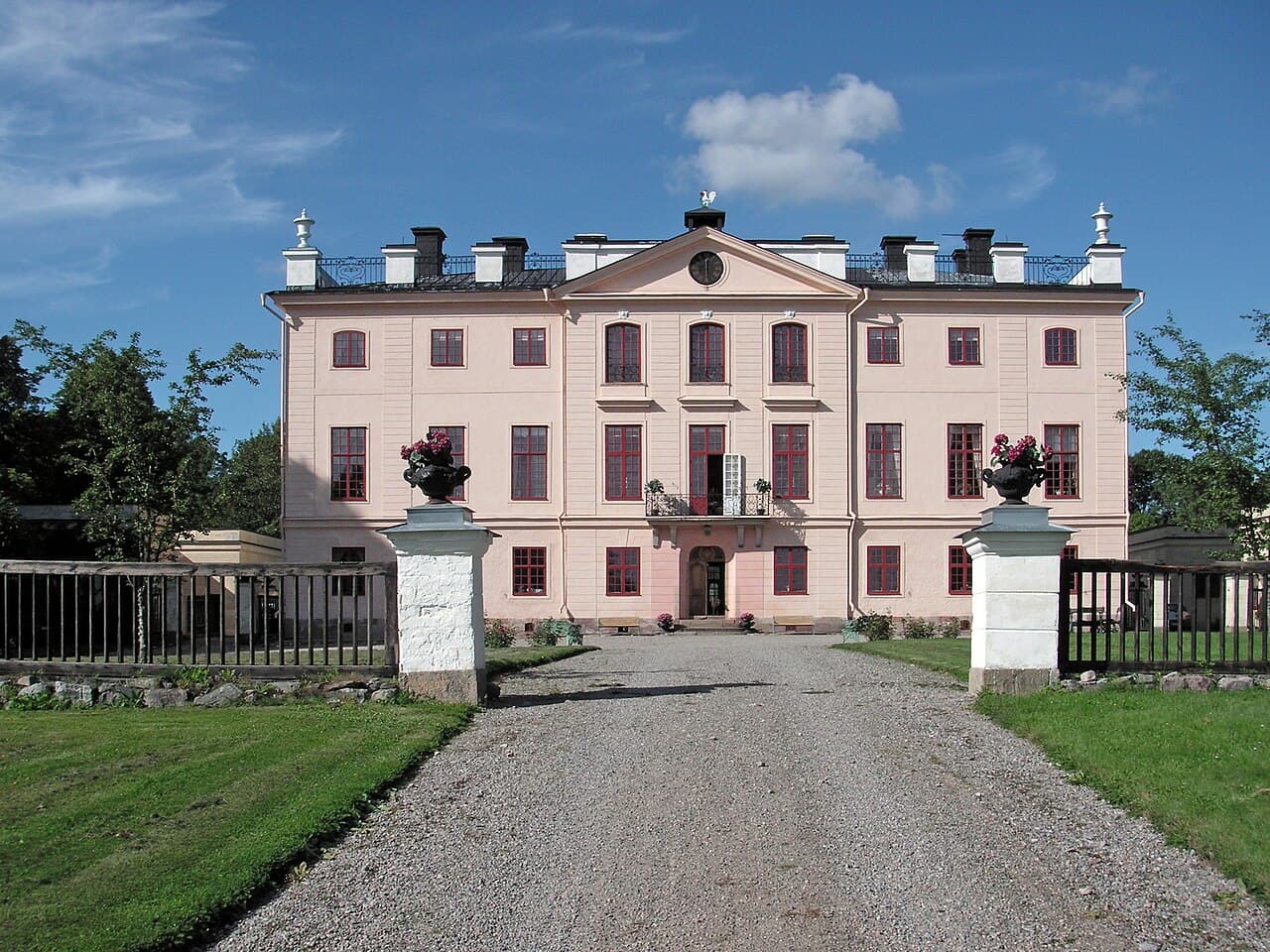
Tistad Castle, located near Nyköping in Sweden, is a notable example of 18th-century European aristocratic architecture. Constructed between 1766 and 1771 by Baron Fredrik Bengt Rosenhane, the castle stands on a gentle hill, classifying it as a hill castle. Its design reflects the Italian architectural influence popular among the Swedish nobility during the post-Renaissance period. The estate itself has a documented history dating back to the 16th century, having been owned by several prominent noble families including the Trolle, Oxenstierna, and Sparre clans.
Historical background and ownership
The Tistad estate has a rich lineage that mirrors the complex social and political landscape of Sweden from the Renaissance onward. Originally established in the 1500s, the estate changed hands among some of Sweden's most influential noble families. The Trolle family was one of the earliest recorded owners, followed by the Oxenstierna family, known for their significant role in Swedish governance and diplomacy during the 17th century. Later, the Sparre family took possession, further cementing the estate's status as a noble seat.
In the mid-18th century, Baron Fredrik Bengt Rosenhane commissioned the construction of the current castle structure. His vision was to create a residence that combined the elegance of Italian architectural styles with the grandeur befitting a noble family estate. This period in Swedish history was marked by a fascination with continental European styles, especially those emanating from Italy and France.
Architectural features and style
Tistad Castle is a three-storey building characterized by its Italianate style, which was relatively rare in Sweden at the time. The castle's façade exhibits balanced proportions and restrained ornamentation typical of Italian architecture adapted for northern climates. The use of symmetry and classical elements such as pilasters and cornices reflects the influence of Renaissance ideals, while the overall layout focuses on comfort and aesthetic appeal rather than military defense.
The castle is surrounded by a meticulously designed French-style garden, featuring geometric patterns, manicured lawns, and carefully trimmed hedges. This garden style was fashionable among the European nobility and symbolizes control over nature and refined taste. The gardens complement the castle's architecture, creating a harmonious visual ensemble that enhances the estate's grandeur.
Interior and layout
While detailed records of the interior are limited, typical features of noble residences from this era included grand reception halls, private chambers, and service areas arranged to facilitate both formal entertaining and daily life. Interiors likely featured elegant woodwork, stucco decorations, and period-appropriate furnishings reflecting the tastes of the Swedish aristocracy in the late 18th century.
Current condition and visitor information
Tistad Castle remains well preserved and accessible to the public. Guided tours are available for groups, offering insights into the castle's architectural features, historical significance, and the stories of the noble families who resided there. Visitors can explore the castle's exterior and gardens, appreciating the blend of Italian and French design elements.
The estate also includes a café, providing a place for visitors to relax and enjoy refreshments amidst the historic surroundings. The castle's setting near Nyköping makes it a convenient cultural destination for those interested in Swedish history and aristocratic architecture.
Significance in Swedish heritage
Tistad Castle exemplifies the architectural and cultural trends of the Swedish nobility in the post-Renaissance era. Its combination of Italian architectural style and French garden design reflects the broader European influences on Swedish aristocratic estates during the 18th century. The castle's connection to prominent noble families such as the Trolle, Oxenstierna, and Sparre highlights its importance as a historical site linked to Sweden's social and political elite.
Today, the castle serves not only as a monument to Sweden's noble past but also as a venue for cultural events and tourism, helping to preserve and share the legacy of Swedish aristocratic architecture and estate management.
Frequently asked questions (FAQ)
- How do I visit Tistad Castle and are guided tours available?
- Tistad Castle welcomes visitors primarily through guided tours, which are available for groups. It's advisable to book tours in advance to ensure availability and to gain detailed insights into the castle's history and architecture.
- What architectural styles are represented in Tistad Castle?
- The castle showcases a blend of Italianate architectural style with French influences visible in the surrounding gardens. This combination reflects 18th-century European aristocratic tastes adapted to Swedish contexts.
- When was Tistad Castle built and who commissioned it?
- Tistad Castle was constructed between 1766 and 1771, commissioned by Baron Fredrik Bengt Rosenhane, a member of the Swedish nobility seeking to create an elegant residence.
- What noble families have owned Tistad estate?
- The estate has a history of ownership by prominent Swedish noble families including the Trolle, Oxenstierna, and Sparre families, each contributing to its historical significance.
- Is there a café at Tistad Castle?
- Yes, Tistad Castle features a café on its grounds where visitors can enjoy refreshments while exploring the historic estate and gardens.
Photo gallery

Information
Website
Visit websiteSources & official resources
Verify the information above using these authoritative references.
Loading map...
Visitor reviews
No reviews yet. Been here? Write the first review and help other travelers!
Write the first reviewVisited this castle? Share your experience
Your review helps other travelers and adds first-hand knowledge to our encyclopedia.