Tilurium
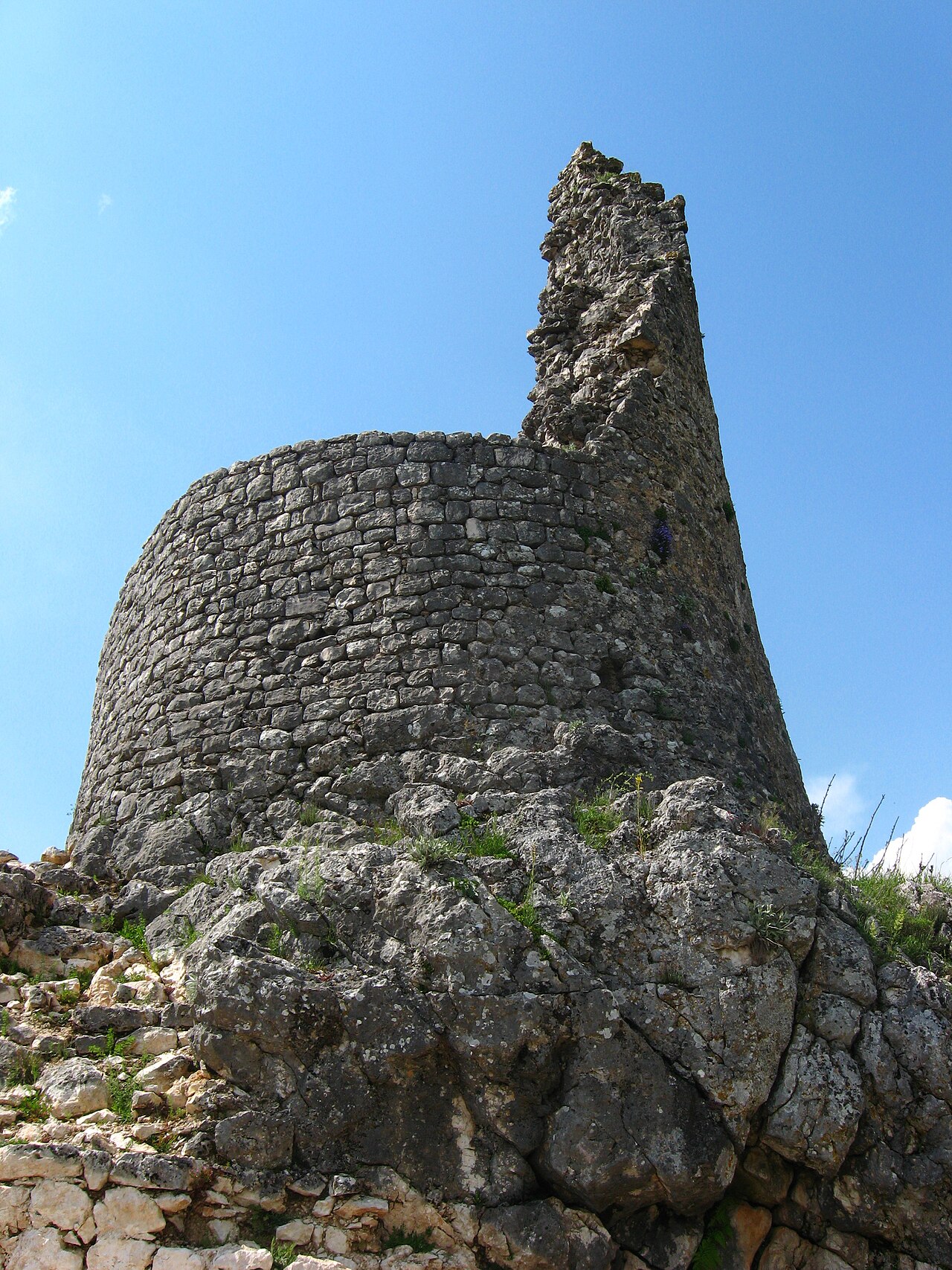
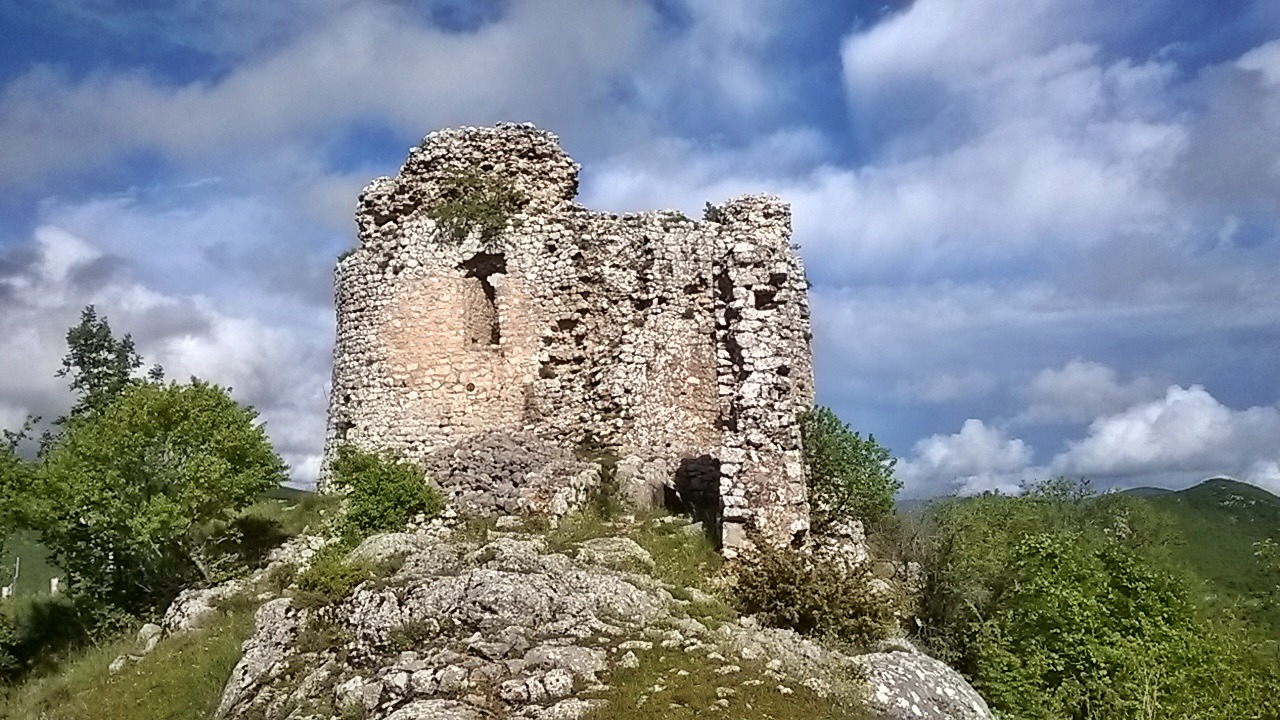
Tilurium was an ancient settlement and military site located at Gardun above the modern town of Trilj in Croatia. Originally established as an Illyrian hill-fort by the Delmatae tribe, it evolved into a significant Roman legionary fortress during the 1st century AD and remained a fortified post through Late Antiquity. The site strategically occupied a plateau on the northeast side of the Cetina River (known in antiquity as Hippos), commanding the vital river crossing called Pons Tiluri or the Tilurium Bridge.
Strategic location and site layout
The fortress covered approximately 12 hectares, encompassing an extensive area that included military, residential, and workshop zones. The plateau's elevation provided commanding views of the surrounding landscape, allowing control over the river crossing and the nearby routes through Dalmatia. The modern village of Gardun is built directly over the remains of Tilurium, preserving its legacy in the local geography.
Historical significance and military role
Tilurium served as a key military center in the Roman province of Dalmatia. Initially, it was garrisoned by the Legio IX Hispana, a legion known for its campaigns in the region. Later, the fortress became the base for the Legio VII Claudia Pia Fidelis, a legion with a long-standing history in the Roman army. The presence of these legions underscores Tilurium's importance as a military stronghold securing the Roman frontier and maintaining control over the local population.
Workshops and craftsmanship
Within the fortress, specialized workshops operated, notably those dedicated to stone masonry. These workshops produced tombstones and various monuments for the soldiers of the 7th legion, reflecting the legion's presence and commemorating its members. The craftsmanship found at Tilurium provides valuable insights into Roman military culture and funerary practices in Dalmatia.
Architectural features and fortifications
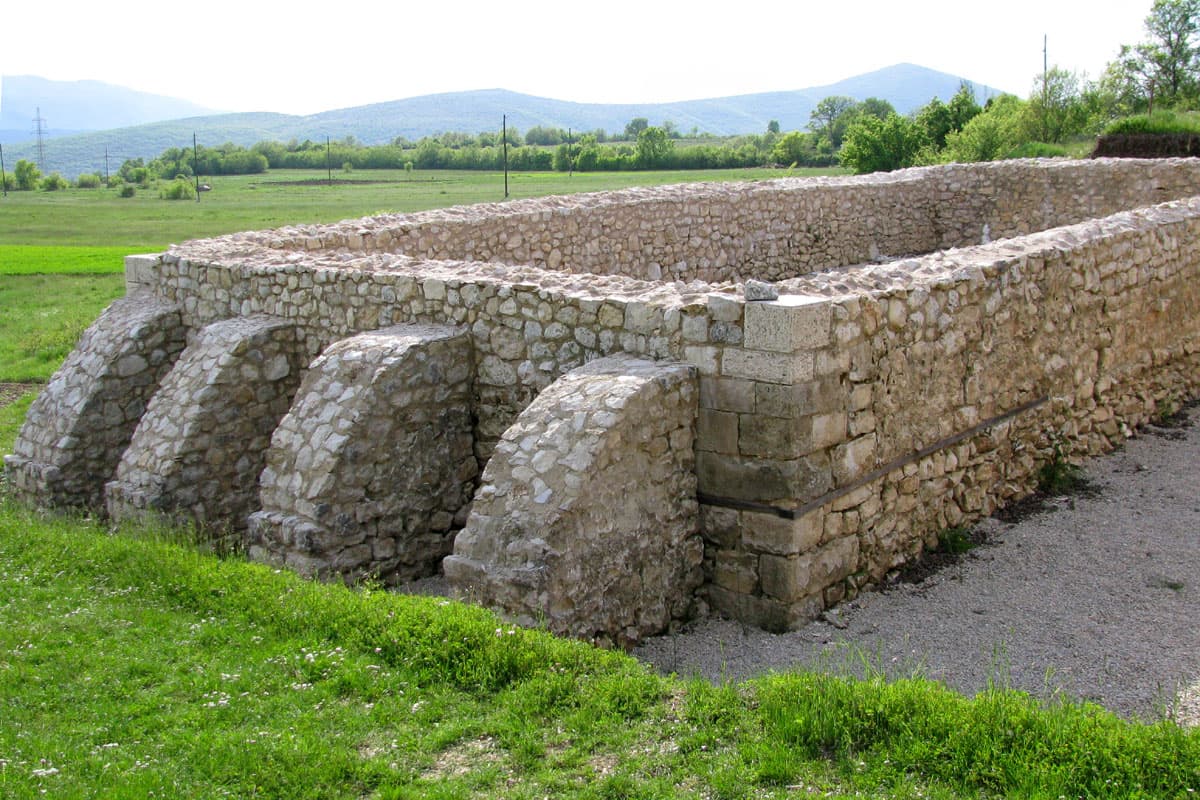
The layout of Tilurium included typical Roman military architectural elements such as defensive walls, gates, and barracks. The fortifications were designed to withstand attacks and control movement along the Cetina River. The elevated position and robust construction made Tilurium a formidable fortress in the region.
Late antiquity and decline
Tilurium continued to function as a fortified site into Late Antiquity, adapting to the changing military and political landscape of the Roman Empire. Over time, the fortress saw modifications to its defenses and infrastructure to meet new threats. Eventually, the site was abandoned and fell into ruin, but its remains still provide important archaeological evidence of Roman military presence in Dalmatia.
Archaeological importance and modern legacy
Today, Tilurium is recognized as a significant archaeological site that offers insights into Roman military architecture and the interaction between Roman and Illyrian cultures. Excavations have uncovered fortification remains, artifacts, and workshop areas that contribute to understanding the historical development of Dalmatia under Roman rule. The site's preservation allows scholars and visitors to explore a crucial chapter of ancient military history in Croatia.
Visiting tilurium
While the modern village of Gardun covers much of the ancient site, visitors to the area can still explore the surroundings and gain a sense of the fortress's strategic location. Interpretive materials and archaeological displays in nearby museums provide additional context about Tilurium's role in Roman Dalmatia.
Frequently asked questions (FAQ)
- What is the historical significance of Tilurium?
- Tilurium was a key Roman legionary fortress in Dalmatia, originally an Illyrian hill-fort, serving as a military stronghold controlling the Cetina River crossing.
- When was Tilurium built and by whom?
- Tilurium was established in the 1st century AD, initially by the Illyrian Delmatae tribe and later developed into a Roman military fortress.
- Can I visit the archaeological site of Tilurium?
- Yes, visitors can explore the area around Gardun village where Tilurium's remains lie, with nearby museums offering archaeological exhibits and historical information.
- What Roman legions were stationed at Tilurium?
- The Legio IX Hispana and later the Legio VII Claudia Pia Fidelis were garrisoned at Tilurium, highlighting its military importance.
- What architectural features characterize Tilurium?
- Tilurium featured defensive walls, gates, barracks, and workshops for stone masonry, typical of Roman legionary fortresses.
Photo gallery

Information
Current owner
Croatian Ministry of Culture
Loading map...
Visitor reviews
No reviews yet. Been here? Write the first review and help other travelers!
Write the first reviewVisited this castle? Share your experience
Your review helps other travelers and adds first-hand knowledge to our encyclopedia.