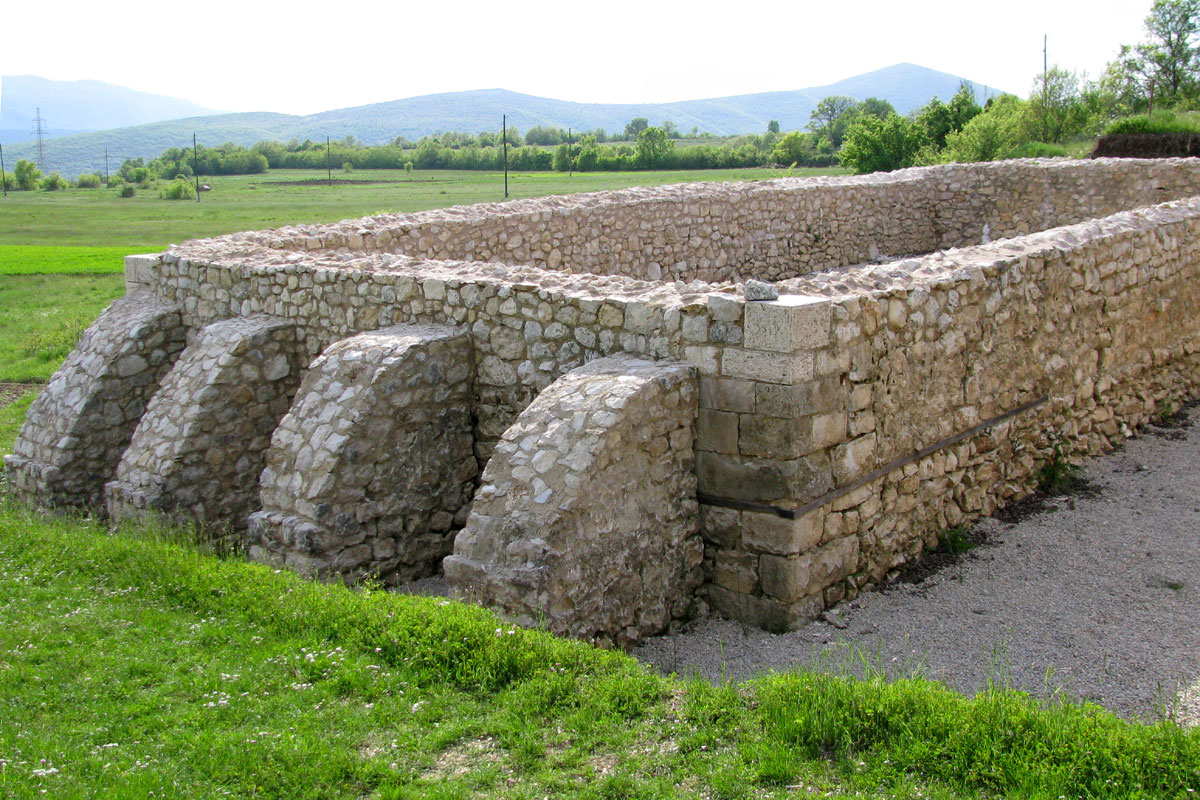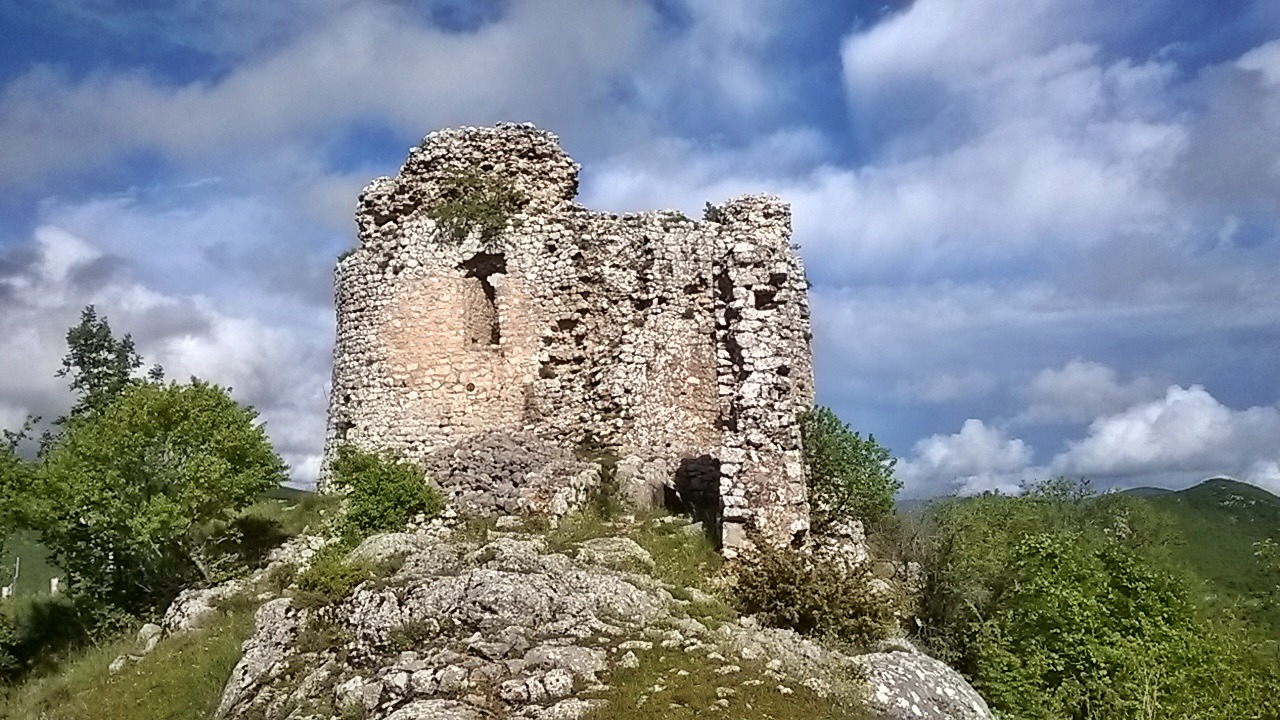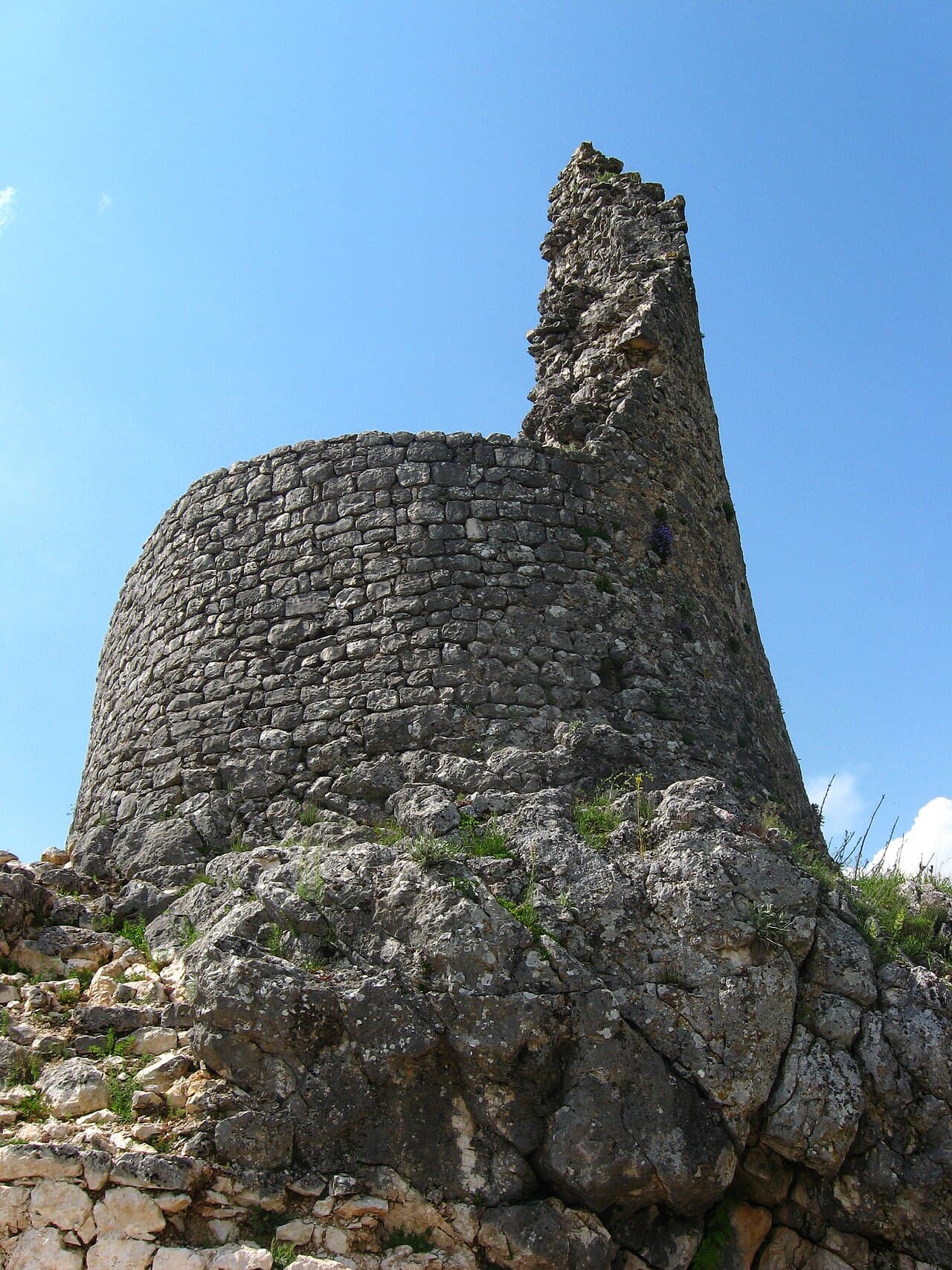
Nutjak Castle, known locally as Utvrda Nutjak, is a striking late medieval bastioned fortress perched on a cliff above the right bank of the Cetina River near the village of Gardun in the Split-Dalmatia region of Croatia. Constructed in the 15th century, it was strategically positioned to guard the historical county of Poljica from Ottoman incursions, a constant threat during this turbulent period in Croatian history.
Historic origins and strategic significance
The fortress was commissioned by Žarko Dražojević, the Duke of Poljica, toward the end of the 15th century. Its construction reflects the broader defensive efforts of the Poljica Republic, a semi-autonomous community known for its self-governance and resistance to external domination. The castle's importance was recognized beyond local circles; in 1492, Pope Innocent VIII allocated funds collected during a pilgrimage to Klis and Sinj specifically for Nutjak's upkeep, underscoring its role as a bulwark against Ottoman expansion.
Despite its defensive purpose, Nutjak Castle fell to the Ottomans in the early 16th century, around 1513. The fortress remained under Ottoman control for nearly two centuries, serving as a minor garrison within the Sanjak of Klis. Venetian records note that the Ottoman garrison was modest, consisting of twenty to thirty lightly armed soldiers under the command of a dizdar. The castle's strategic value diminished over time, especially after the construction of a nearby Venetian fortification called the Guardia at Gardun.
Architectural features and layout
The castle complex is dominated by a large circular tower, constructed from partially processed stone blocks bound with plaster and filled with smaller stones. This tower served as the main defensive structure and lookout point. The fortress's main entrance on the west side is partially preserved, measuring approximately 7 meters in length and 4 meters in height, indicating a robust gate designed to withstand siege attempts.
Inside the fortress lies a small courtyard surrounded by various buildings and rooms arranged in an irregular floor plan, typical of fortifications adapted to the natural terrain. The castle's position on a prehistoric site suggests that the location had long been recognized for its strategic advantages.
Defensive design elements
Nutjak Castle's design as a bastioned fortress reflects late medieval military architecture aimed at countering artillery advances. The thick stone walls and rounded tower helped deflect cannonballs and provided overlapping fields of fire. Its elevated position overlooking the Cetina River canyon allowed for early warning of approaching enemies and control over the river passage.
Military history and decline
After the Ottoman conquest, Nutjak remained a minor military post until it was recaptured by the forces of Poljica in March 1685 during the Sixth Ottoman-Venetian War, also known as the Morean War. The fortress was heavily damaged during this conflict and was never rebuilt, leading to its gradual decline into ruins.
The Treaty of Karlowitz in 1699 assigned Nutjak to the Republic of Venice, while the opposite shore of the Cetina River and nearby Fort Čačvina stayed under Ottoman control. The fortress's defensive role was further reduced after the Ottoman expulsion from Imotski in 1717 during the Second Morean War. By the early 20th century, Nutjak Castle had fallen into a state of ruin.
Cultural heritage and accessibility
Today, Nutjak Castle is recognized as an immovable cultural property of Croatia. It is freely accessible to visitors who can reach the site by driving along a dust road followed by a short walk through forested terrain. The castle's remote and peaceful location offers a solitary experience amid the dramatic landscape of the Cetina River canyon.
The first known detailed description and sketch of Nutjak were created in 1688 by Venetian cartographer V. M. Coronelli, providing valuable historical documentation of the fortress's structure and surroundings.
Visitor experience
Visitors to Nutjak Castle can explore the ruins of the circular tower, the remnants of the main entrance, and the scattered internal buildings. The site offers panoramic views of the Cetina River gorge and the surrounding Dalmatian hinterland. While the castle is largely in ruins, its imposing position and historical significance make it a noteworthy destination for those interested in medieval fortifications and Croatian history.
Access to Nutjak is via a path branching from the Trilj–Bisko road at the fourth kilometer, making it a manageable excursion for travelers in the region.
Frequently asked questions (FAQ)
- What is the historical significance of Nutjak Castle?
- Nutjak Castle, located in Gardun, Croatia, is a medieval fortress that dates back to the 14th century. It played a crucial role in the defense against invasions and has rich historical ties to the region's feudal past. Today, it stands as a testament to Croatia's architectural heritage and offers insights into medieval life.
- When was Nutjak Castle built?
- Nutjak Castle was constructed in the 14th century, with its origins believed to be around the year 1350. The castle has undergone various renovations and restorations throughout the centuries, reflecting changes in architectural styles and fortification techniques. Its enduring structure continues to attract history enthusiasts and tourists alike.
- How do I get to Nutjak Castle?
- Nutjak Castle is located near the town of Gardun, easily accessible by car from major cities like Split. If you're using public transport, you can take a bus to Gardun and then walk to the castle, which is a short distance away. The scenic route provides a wonderful opportunity to explore the beautiful Croatian landscape.
- Is it possible to visit Nutjak Castle year-round?
- Yes, Nutjak Castle is open for visitors throughout the year, although the best time to visit is during the spring and early autumn when the weather is mild. Be sure to check local conditions and any seasonal events that may enhance your experience. The castle may have limited access during winter months due to weather conditions.
- Can I enter the castle and explore its interior?
- Visitors are welcome to explore the grounds of Nutjak Castle, including some areas of the interior. While certain sections may be restricted for preservation purposes, the castle offers stunning views and a chance to appreciate its architectural features. Guided tours may also be available to enrich your visit.
- What are the opening hours for Nutjak Castle?
- Nutjak Castle typically opens to visitors from 9 AM to 5 PM during the tourist season, but hours may vary during off-peak months. It's advisable to check the official website or contact local tourism offices for the most current information before your visit. This will help ensure you have ample time to enjoy the castle and its surroundings.
- Are there any nearby attractions to see while visiting Nutjak Castle?
- Yes, there are several nearby attractions, including the historic town of Trogir and the beautiful Krka National Park. Both locations offer unique experiences, from stunning natural landscapes to rich cultural heritage. Planning a day trip can enhance your visit to Nutjak Castle and provide a deeper understanding of the region.
- What are the ticket prices for visiting Nutjak Castle?
- Ticket prices for Nutjak Castle are quite reasonable, typically ranging from 30 to 50 HRK for adults, with discounts available for children and seniors. Group rates may also apply, making it an affordable option for families and tour groups. Always check for any special events that may offer free entry or additional discounts.
- Is Nutjak Castle accessible for individuals with mobility issues?
- Nutjak Castle has some accessible areas, but due to its historic nature, certain parts may be challenging for individuals with mobility issues. It's recommended to contact the site in advance to inquire about specific accessibility options and assistance available during your visit. This will help ensure a more comfortable experience for all guests.
Photo gallery

Information
Loading map...
Visitor reviews
No reviews yet. Been here? Write the first review and help other travelers!
Write the first reviewVisited this castle? Share your experience
Your review helps other travelers and adds first-hand knowledge to our encyclopedia.