Sinj Castle
Sinj Castle, also known locally as Utvrda or Tvrđava Sinj, and sometimes referred to as Stari Grad Sinj, is a historic fortress perched above the town of Sinj in the Split-Dalmatia County of Croatia. This castle occupies a strategic hilltop position that has been fortified since ancient times, reflecting a layered history of Illyrian, Byzantine, medieval Croatian, Ottoman, and Venetian influences.
The earliest known fortification on this site was an Illyrian hill fort called Osinium, dating back to antiquity. In the 6th century, during the period of the Byzantine Empire, the fortress was reconstructed and known as Asinio. This Byzantine fortification formed a critical part of the empire's defensive network in the region, guarding against incursions from various groups during a turbulent era.
The castle itself is first mentioned in historical records in the 14th century. In 1345, the Hungarian king Louis I granted the castle to Prince Ivan Nelipčić, marking the beginning of the Nelipčić family's tenure. The family established Sinj Castle as their permanent seat, overseeing the region during the late medieval period.
Medieval architecture and strategic importance
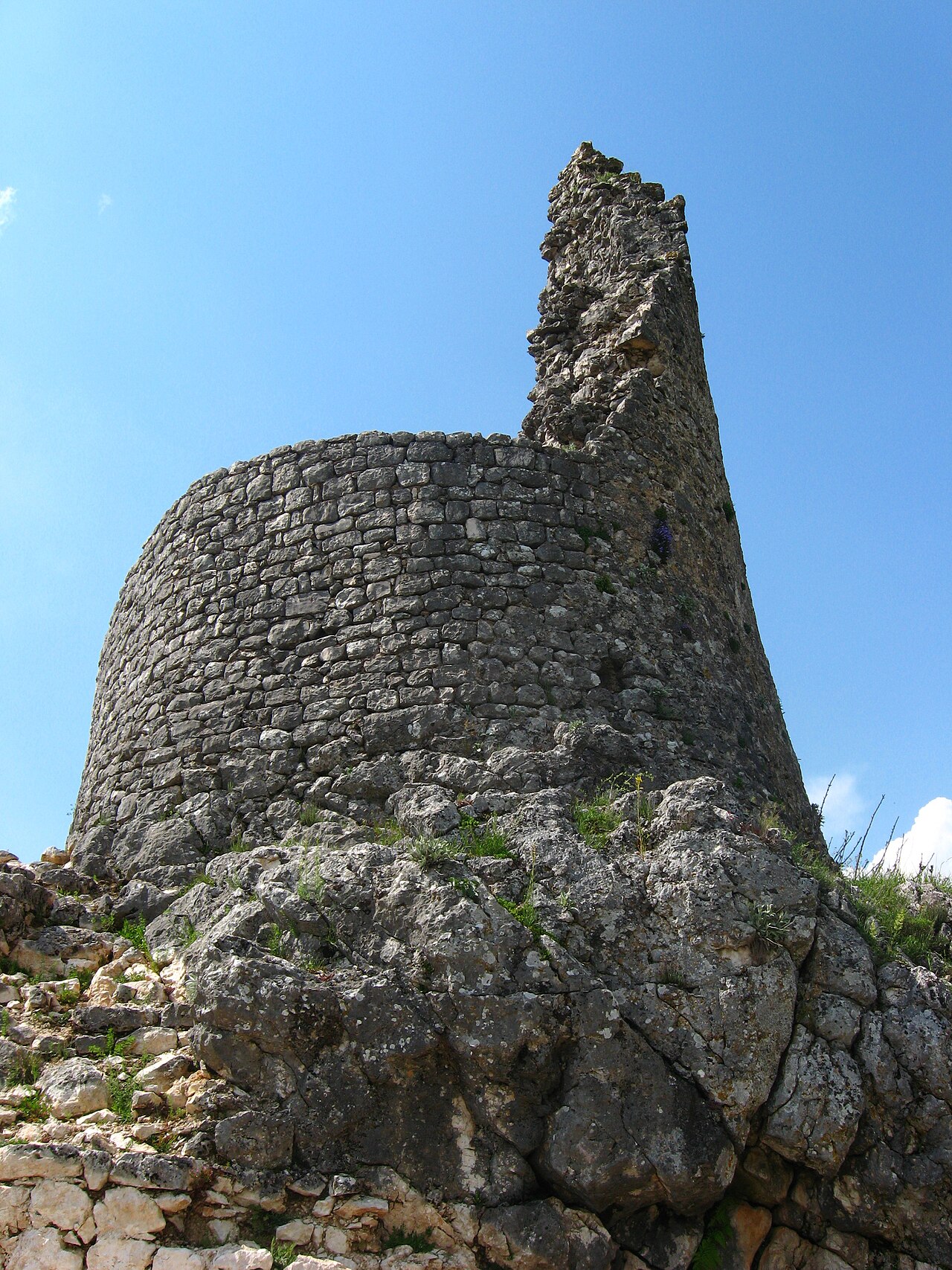
Originally a hill castle, Sinj Castle was built to utilize the natural elevation of the hill for defensive advantage. The medieval fortress featured typical defensive elements such as thick stone walls, battlements, and towers that allowed defenders to monitor and repel attackers. The castle's location was crucial for controlling the surrounding territory and trade routes in the Dalmatian hinterland.
Ottoman conquest and adaptations
In the 15th century, the Ottoman Empire began expanding into the region, leading to repeated sieges of Sinj Castle. Despite multiple attempts, the Ottomans were initially unsuccessful in capturing the fortress. However, during the 1510s, Ottoman forces finally took control of Sinj Castle. Once under Ottoman rule, the fortress underwent significant modifications to suit Ottoman military architecture and needs. These adaptations likely included the reinforcement of walls, the addition of artillery positions, and adjustments to the internal layout to accommodate Ottoman garrisons.
Venetian recapture and fortification
The castle remained under Ottoman control until 1686, when Venetian forces captured it during their campaigns against the Ottomans in Dalmatia. The Venetians then undertook extensive efforts to strengthen and modernize the castle's defenses, reflecting advancements in military technology and siege warfare of the period. These improvements included the enhancement of bastions and fortifications to better resist artillery bombardment.
Despite these fortifications, the castle faced further Ottoman attempts to retake it, notably in 1715, when Ottoman troops were decisively defeated. Throughout the 18th century, the Ottomans launched several unsuccessful attacks. Concurrently, the region experienced several significant earthquakes that damaged the castle's structures, contributing to its gradual decline.
Decline and abandonment
By the last quarter of the 18th century, the castle had fallen into disrepair due to the combined effects of military assaults, natural disasters, and neglect. The inhabitants began moving down from the hill, establishing the modern town of Sinj at the base. The castle itself was increasingly used as a source of building materials for the growing town, accelerating its deterioration.
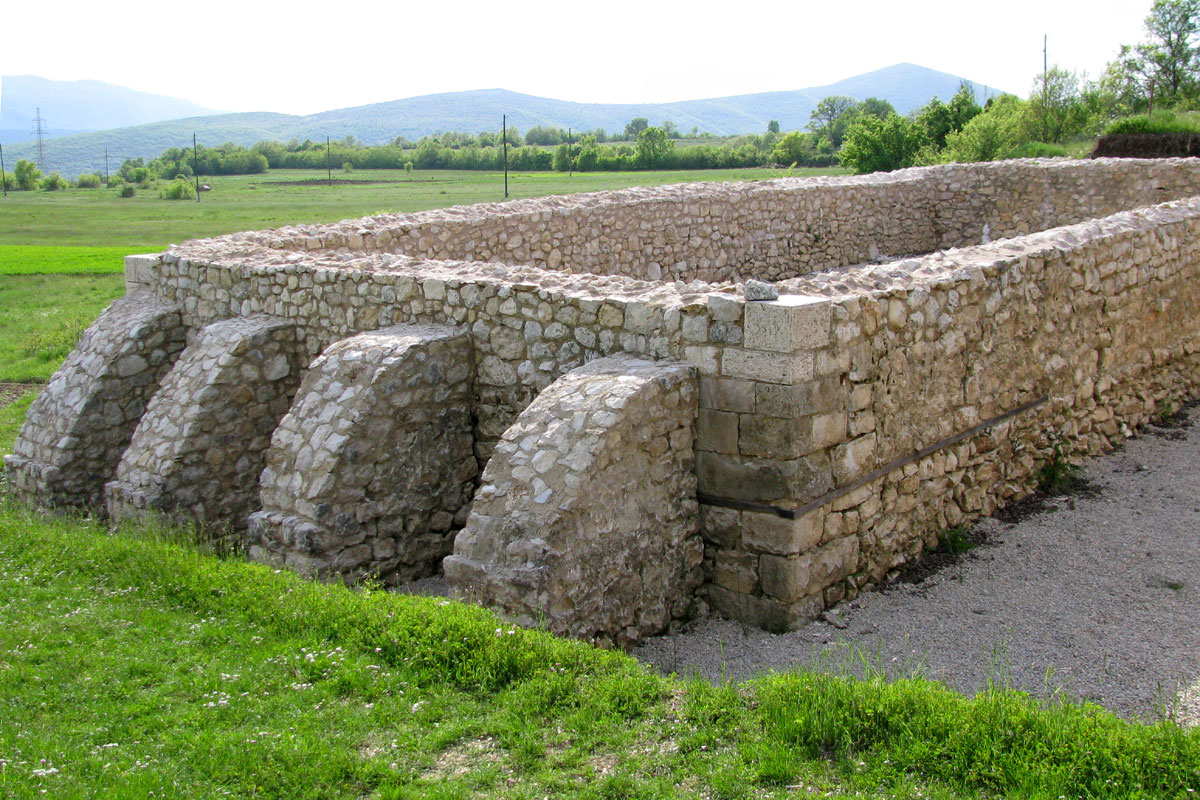
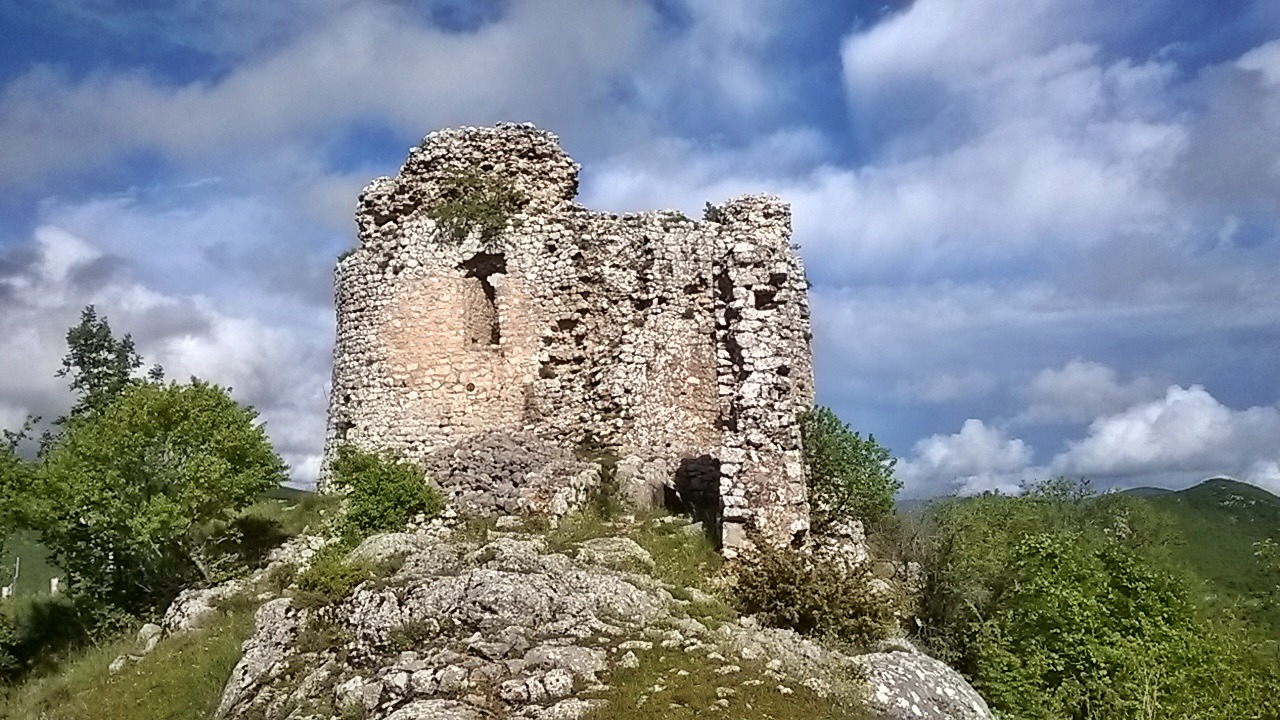
In 1808, during the Napoleonic Wars, French troops mined the castle in retaliation for a local rebellion, causing significant structural damage. The final blow came with the 1898 Trilj Earthquake, which left the castle in ruins. Today, only fragments of the once formidable fortress remain.
Current status and visitor information
Sinj Castle is now a ruined hill castle that is freely accessible to the public. The castle hill has been transformed into a public park, offering visitors panoramic views of the town of Sinj and the surrounding Dalmatian landscape. While much of the original structure has been lost, the site remains a significant cultural and historical landmark, reflecting centuries of conflict and architectural evolution in this part of Croatia.
Frequently asked questions (FAQ)
- How do I get to Sinj Castle?
- Sinj Castle is located on a hill above the town of Sinj in Croatia's Split-Dalmatia region. It is accessible by foot via local paths from the town center, making for a pleasant hike with scenic views.
- What is the historical significance of Sinj Castle?
- Sinj Castle has a layered history dating back to an ancient Illyrian fort, Byzantine reconstruction, medieval Croatian rule, Ottoman conquest, and Venetian control. It played a key role in regional defense and witnessed numerous battles.
- Can I visit Sinj Castle for free?
- Yes, Sinj Castle is freely accessible to the public. The castle hill is now a public park where visitors can explore the ruins and enjoy panoramic views without an entrance fee.
- When was Sinj Castle abandoned?
- The castle was finally abandoned in 1808 after being mined by French troops during the Napoleonic Wars. Subsequent earthquakes further damaged the structure, leaving it in ruins.
- What remains of Sinj Castle today?
- Today, only ruins of Sinj Castle remain due to centuries of warfare, earthquakes, and dismantling for building materials. Visitors can see fragments of walls and foundations on the castle hill.
Information
Loading map...
Visitor reviews
No reviews yet. Been here? Write the first review and help other travelers!
Write the first reviewVisited this castle? Share your experience
Your review helps other travelers and adds first-hand knowledge to our encyclopedia.