The Grotesques of Urgnano Castle
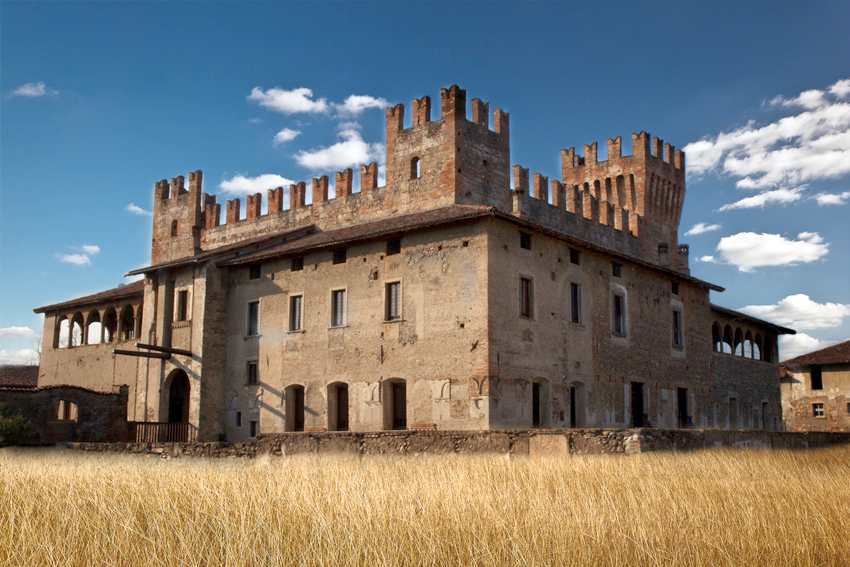
Urgnano Castle, located in the heart of Lombardia, Italy, stands as a remarkable example of a late medieval fortress with a rich history dating back to the early 11th century. Originally documented in 1016, the site hosted an earlier fortification before the current castle was constructed in 1354 as a military outpost. Over the centuries, it evolved from a defensive stronghold into a stately mansion, reflecting the architectural and social transformations of the region.
Historical evolution and ownership
The castle's strategic location made it a coveted asset for various powerful families and political entities. Initially serving as a military bastion, it later came under the control of notable families including the Barbarossa, Visconti, Sforza, Malatesta, and Colleoni. These families contributed to the castle's fortifications and residential enhancements, embedding their marks on its structure and legacy.
In the 15th century, the Albani family acquired the castle, initiating significant renovations that transformed it into the elegant residence visible today. The Albani lineage included Cardinal Gerolamo Albani, who played a prominent role in Rome, linking the castle to broader ecclesiastical and cultural networks. Since 1953, the castle has been owned and managed by the Municipality of Urgnano, ensuring its preservation and public accessibility.
Architectural features and defensive elements
Urgnano Castle is characterized by its square plan fortified with a tower at each corner, a typical design for late medieval military architecture in northern Italy. The castle is surrounded by a now-dry moat that originally served as a defensive barrier, complemented by a drawbridge which controlled access to the interior.
The construction prominently features cotto tiles, a hallmark of the Visconti architectural style, lending the castle its distinctive reddish hue. The two main entrances are strategically positioned: one integrated into the massive north tower overseeing the drawbridge, and the other aligned with the tower on the opposite side, facilitating controlled access and surveillance.
Inside, the castle is divided into two main areas: the eastern courtyard and the western roof garden. The courtyard historically functioned as a space for gatherings and daily activities, while the roof garden offers a unique cultural and artistic dimension.
Grotesques and symbolic sculptures in the roof garden
The roof garden of Urgnano Castle is renowned for its collection of nine grotesque statues, each depicting dwarves with anatomical deformities. Created in the 18th century, these sculptures embody an artistic expression known as the grotesque, which often employed exaggerated and distorted forms to convey moral and social critiques.
Each statue symbolizes a specific human weakness or vice, including wrath, fastidiousness, greed, conceit, and gluttony. This allegorical ensemble serves as a poignant reminder of human frailty and ethical reflection, making the castle not only a historical monument but also a site of cultural and philosophical interest.
Legends and cultural significance
Urgnano Castle is steeped in local legends that enhance its mystique. It is said that the castle's walls witnessed several grisly events, adding to its aura as a place of intrigue and historical drama. One particularly captivating story involves a mysterious figure depicted in one of the castle's paintings, rumored to be Leonardo da Vinci. According to tradition, da Vinci visited Urgnano to study the castle's defensive mechanisms, linking the site to the Renaissance genius and his pioneering work in military engineering.
These stories, combined with the castle's architectural grandeur and unique artistic features, make Urgnano Castle a compelling destination for visitors interested in history, art, and medieval fortifications.
Preservation and public access
Today, Urgnano Castle is well-preserved under the stewardship of the Municipality of Urgnano. The castle's condition allows visitors to explore its historic towers, courtyard, and the evocative roof garden. While the moat is dry, the castle's defensive layout remains evident, offering insights into medieval military architecture.
Visitors can appreciate the blend of military functionality and artistic expression that defines the castle, making it a notable cultural landmark in Lombardia. Its accessibility and rich heritage continue to attract scholars, tourists, and locals alike, contributing to the preservation of Italy's medieval architectural legacy.
Frequently asked questions (FAQ)
- How do I get to Urgnano Castle?
- Urgnano Castle is conveniently located just a short drive from Bergamo, Italy. Public transportation options include local buses that connect Urgnano with major cities in the region, making it accessible for visitors without a car.
- What is the historical significance of Urgnano Castle?
- Urgnano Castle dates back to the 14th century and played a vital role in the defense of the region. Its architecture and the grotesques that adorn its walls reflect the artistic styles of the time, making it a significant landmark for both history buffs and art enthusiasts.
- When was Urgnano Castle built?
- Construction of Urgnano Castle began in the late 1300s, with various modifications made over the centuries. The castle has remained a symbol of the region's medieval heritage and has been preserved to showcase its historical importance.
- Can I take guided tours of Urgnano Castle?
- Yes, guided tours of Urgnano Castle are available and provide an in-depth look at its rich history and unique architectural features. Tours often include access to areas not open to the general public, enhancing your visit.
- Why is the architecture of Urgnano Castle noteworthy?
- The architecture of Urgnano Castle is notable for its blend of defensive features and decorative elements, such as the intricate grotesques that adorn its facade. These artistic details provide insights into the cultural influences of the time, making the castle a fascinating study in medieval architecture.
- Is it possible to visit Urgnano Castle with limited mobility?
- While Urgnano Castle has some areas that are accessible, certain parts may pose challenges for visitors with limited mobility due to uneven terrain and stairs. It is advisable to check with the castle staff for specific accessibility options and to plan your visit accordingly.
- What are the opening hours for Urgnano Castle?
- Urgnano Castle is typically open to visitors from Tuesday to Sunday, with hours varying by season. It is recommended to check the official website for the most current opening hours before planning your visit.
- What are the ticket prices for visiting Urgnano Castle?
- Ticket prices for Urgnano Castle are generally affordable, with discounts available for students and seniors. Children under a certain age may enter for free, making it an excellent destination for families.
- When is the best time to visit Urgnano Castle?
- The best time to visit Urgnano Castle is during the spring and early autumn when the weather is mild and pleasant. This season also allows you to enjoy the surrounding gardens and landscapes in full bloom, enhancing your visit to this historic site.
- Are there any nearby attractions to explore after visiting Urgnano Castle?
- Yes, there are several nearby attractions, including the charming town of Bergamo and its historic upper city, which is a UNESCO World Heritage site. Other nearby sites include local vineyards and scenic walking trails that provide a perfect complement to your castle visit.
Information
Loading map...
Visitor reviews
No reviews yet. Been here? Write the first review and help other travelers!
Write the first reviewVisited this castle? Share your experience
Your review helps other travelers and adds first-hand knowledge to our encyclopedia.