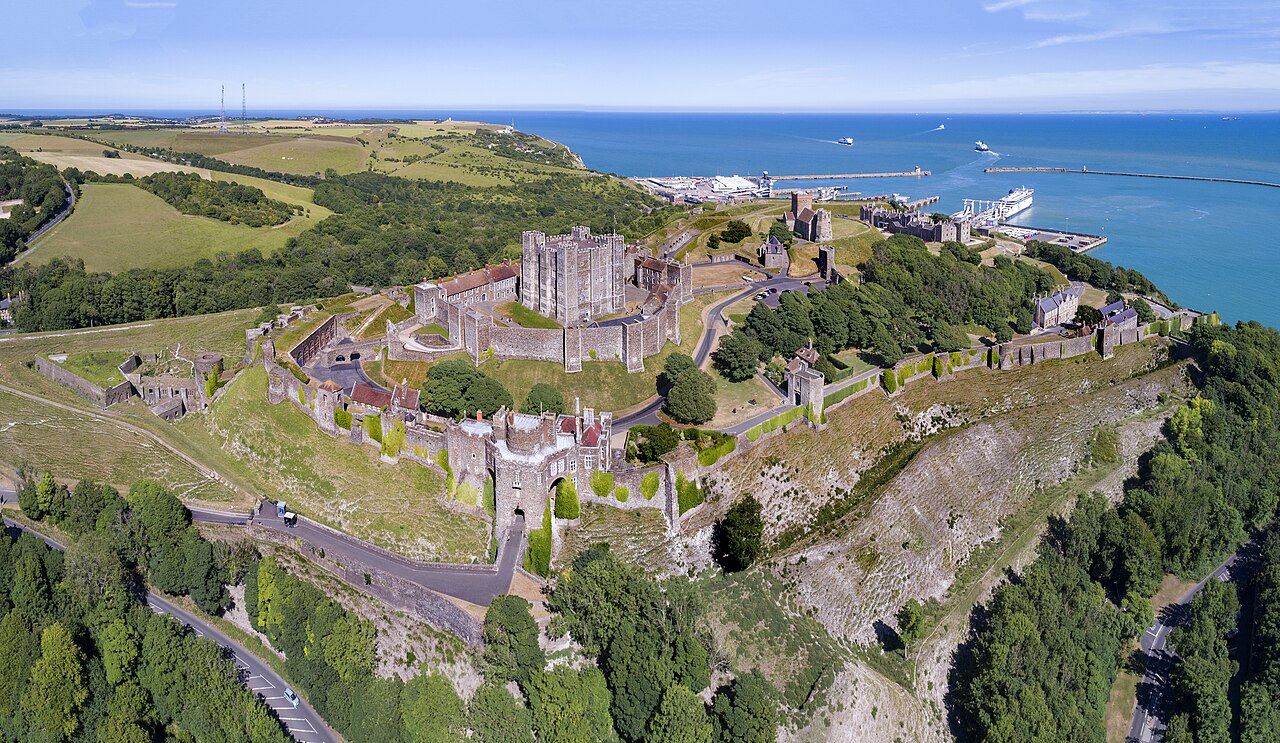
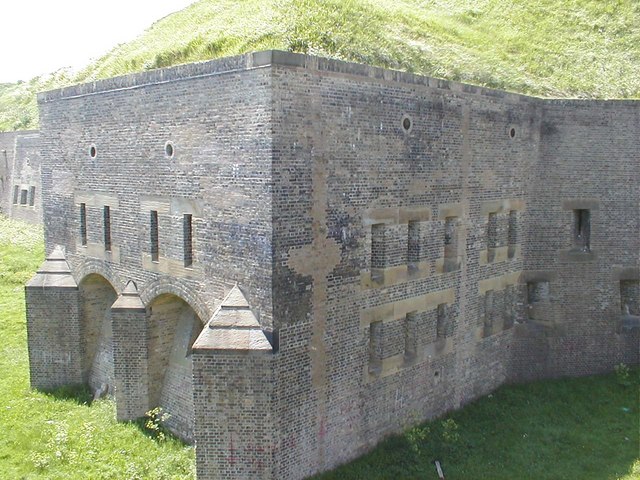
The GateHouse in Dover, United Kingdom, is a charming Grade II listed mini castle built around 1853. Originally constructed as the gatehouse to a crescent of houses designed to accommodate the Dover garrison, this historic structure now serves as a luxury holiday cottage sleeping four guests, with a pet-friendly policy. Located in the ley of the iconic Dover Castle, it enjoys proximity to the famous White Cliffs of Dover, making it a unique blend of historical architecture and modern hospitality.
Architectural significance and style
The GateHouse exemplifies 19th-century castle revival architecture, reflecting the Victorian era's fascination with medieval forms and military heritage. Though modest in scale compared to its imposing neighbor, Dover Castle, the GateHouse features characteristic elements of a mini castle, such as crenellated battlements and stone construction that evoke the defensive styles of earlier periods. Its designation as a Grade II listed building underscores its architectural and historical importance within the region.
Historical context and relationship to dover castle
Dover Castle itself is one of England's most historically significant fortresses, often called the "Key to England" due to its strategic position overlooking the narrowest point of the English Channel. The castle's origins date back to the 12th century when King Henry II initiated extensive construction to create one of Europe's most advanced medieval fortresses. Over the centuries, Dover Castle evolved with enhancements to its walls, towers, and subterranean tunnels to meet changing military needs, from medieval sieges to modern warfare including the Second World War.
The GateHouse was built in the mid-19th century as part of the support infrastructure for the Dover garrison, reflecting the continued military importance of the area even after the peak medieval period of the castle itself. Its construction coincided with a period of Victorian military expansion and urban development in Dover, which included housing for soldiers and their families.
The enduring legacy of dover castle
Dover Castle's significance extends beyond its medieval origins. It played crucial roles during multiple historical events, including the sieges of 1216-1217 during King John's reign, and later under Tudor monarchs such as Henry VIII and Elizabeth I, who enhanced coastal defenses in response to threats from France and Spain. The castle also served as a strategic naval headquarters during the Napoleonic Wars and both World Wars.
During the Second World War, Dover Castle's tunnels were expanded with two new levels, facilitating operations such as Operation Dynamo, the evacuation of British and Allied troops from Dunkirk. Today, the castle offers visitors a glimpse into its storied past, with the Great Tower's interiors authentically recreated to reflect the royal medieval world of Henry II, including the King's Chamber and dining rooms.
Visiting the gatehouse and dover castle
Visitors to The GateHouse enjoy a unique opportunity to experience a piece of Victorian military heritage in a picturesque setting near one of England's most famous castles. The proximity to Dover Castle and the White Cliffs provides a rich cultural and historical context, making it an ideal base for exploring the region's heritage.
Dover Castle itself is open to the public, offering extensive tours of its medieval fortifications, tunnels, and historical exhibitions. The castle's commanding views over the English Channel and its well-preserved architecture make it a must-visit destination for history enthusiasts and tourists alike.
Architectural highlights of dover castle
- Medieval walls and towers: Massive stone fortifications built primarily under Henry II.
- Network of tunnels: Extensive underground passages expanded through centuries, notably during WWII.
- The Great Tower: The central keep with restored royal chambers.
- Artillery forts: Added during the Tudor period to strengthen coastal defenses.
Cultural and heritage importance
Dover Castle remains a symbol of England's military resilience and architectural ingenuity. Its continuous adaptation from the medieval era through modern times illustrates the evolution of fortress design and strategic defense. The GateHouse adds to this narrative by representing the Victorian era's respect for military tradition and the practical needs of garrison housing.
Frequently asked questions (FAQ)
- How do I get to The GateHouse?
- The GateHouse is located in Dover, United Kingdom, and is easily accessible by public transport. You can take a train to Dover Priory Station, which is about a 15-minute walk from the castle, or use local bus services that stop nearby.
- What is the historical significance of The GateHouse?
- The GateHouse is a significant structure dating back to the medieval period, serving as a fortified entrance to the castle complex. It played a crucial role in the defense of Dover, particularly during the turbulent times of the 12th century and beyond.
- When was The GateHouse built?
- The GateHouse was originally constructed in the late 12th century, around the time of King Henry II's reign. Over the centuries, it has undergone various renovations and restorations, preserving its historical integrity.
- Can I visit The GateHouse with children?
- Yes, The GateHouse is family-friendly and offers a fascinating experience for visitors of all ages. Children will enjoy exploring the castle grounds and learning about its rich history through interactive exhibits.
- Why is The GateHouse an architectural marvel?
- The GateHouse showcases impressive medieval architecture with its solid stone walls and intricate designs. Its strategic position and robust structure highlight the engineering skills of the time, making it a remarkable example of defensive architecture.
- Is it possible to book guided tours of The GateHouse?
- Yes, guided tours of The GateHouse are available and can be booked in advance through the official website. These tours provide in-depth insights into the castle's history and architecture, enhancing your overall experience.
- What are the opening hours for The GateHouse?
- The GateHouse is open daily from 10 AM to 5 PM during the peak season, with reduced hours in the winter months. It is advisable to check the official website for any seasonal variations or special events that may affect opening times.
- What are the ticket prices for visiting The GateHouse?
- Admission prices for The GateHouse vary depending on age and group size, with discounts available for families and seniors. Tickets can be purchased online or at the entrance, and it’s recommended to buy in advance during peak tourist seasons to avoid long queues.
- What nearby attractions can I visit while at The GateHouse?
- While visiting The GateHouse, you can also explore other nearby attractions such as Dover Castle, the White Cliffs of Dover, and the Dover Museum. These sites offer a rich tapestry of history and stunning views, making for a perfect day out.
Information
Website
Visit websiteSources & official resources
Verify the information above using these authoritative references.
Loading map...
Visitor reviews
No reviews yet. Been here? Write the first review and help other travelers!
Write the first reviewVisited this castle? Share your experience
Your review helps other travelers and adds first-hand knowledge to our encyclopedia.