Ternopil Castle
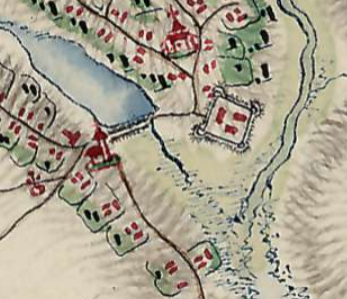
Ternopil Castle stands as a significant historic fortress located in the city of Ternopil, Ukraine. Established in the mid-16th century during the reign of the Kingdom of Poland, this hill castle was strategically built to defend the southeastern borderlands against frequent incursions by the Tatar raiders. Its foundation between 1540 and 1548 was authorized by King Sigismund I the Old and commissioned by Jan Amor Tarnowski, a prominent military commander and Hetman of the Polish Crown. The castle’s location on marshy terrain by the Seret River was carefully chosen to maximize natural defensive advantages, supplemented by a dam and levee that created the Ternopil Pond, adding a water barrier on several sides.
Early history and strategic importance
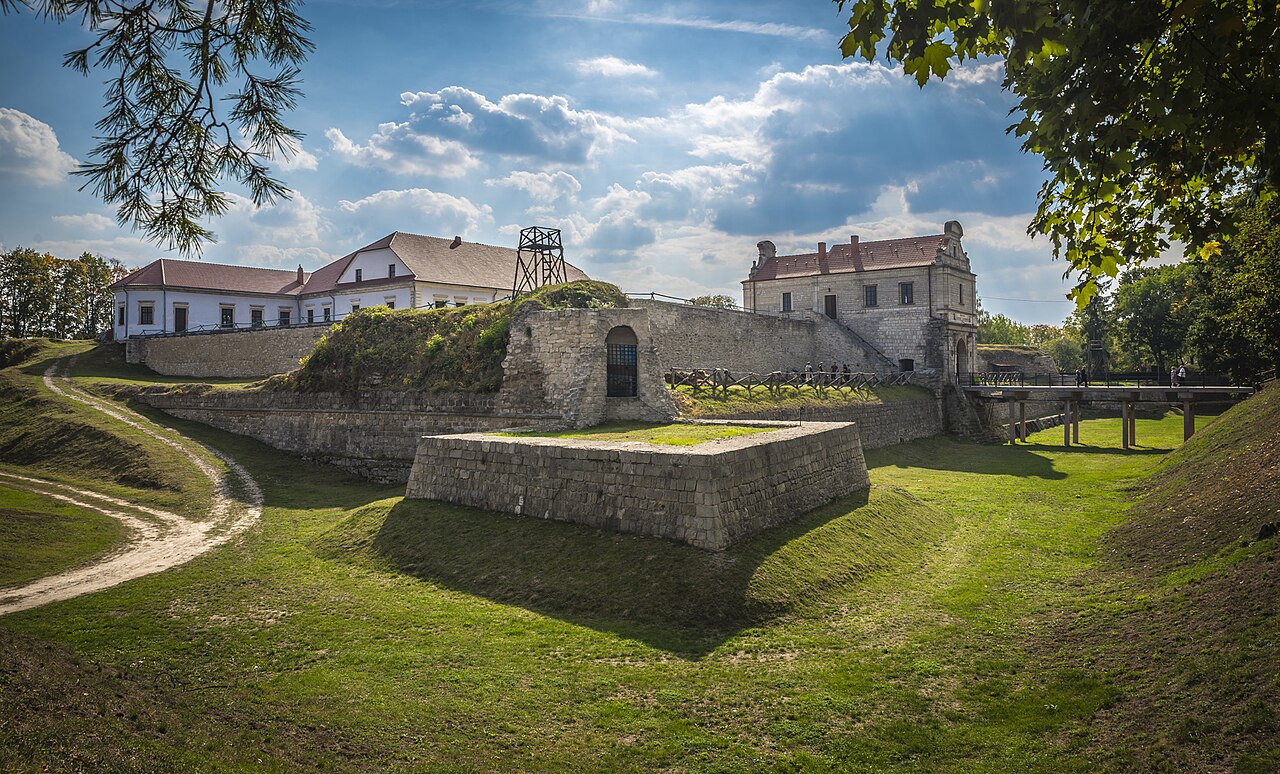
The castle was primarily designed as a military stronghold to protect the volatile border regions of the Polish-Lithuanian Commonwealth. Its rectangular layout featured thick stone walls ranging from 2.5 to 4.5 meters in thickness, forming a square enclosure with defensive towers and a residential palace within. The fortress was equipped with two notable rectangular towers known as the Kushnirska and Shevska towers, which served as key defensive bastions with embrasures for firing weapons. The eastern gatehouse was fortified with a drawbridge over a dry moat, controlled by a chain mechanism, enhancing the castle’s defenses against sieges.
The moat separated the castle from the expanding city and was reinforced by an earthen embankment topped with an oak palisade. Natural water defenses included the artificial Ternopil Pond and the Rudka River on the western and southern sides, while marshy floodplains to the north provided an additional natural barrier. This combination of man-made and natural defenses made Ternopil Castle a formidable fortress in its era.
Ownership and military engagements
Originally the residence of the Tarnowski family, the castle changed hands through marriage and inheritance, passing to other noble families such as the Zamoyski, Sobieski, and Potocki lineages. Throughout its history, the fortress endured multiple attacks, particularly by Tatar raiders in 1544, 1575, 1589, and 1672. A significant assault occurred in 1675 when Ottoman forces under Ibrahim Shishman Pasha attacked and burned the castle, destroying its towers, which were never rebuilt.
In the 19th century, the castle underwent major transformations under Count Franciszek Korytowski, who removed much of the medieval fortifications and replaced them with new masonry walls. A three-story addition known as the "New Castle" was constructed on the southern side, reflecting changing architectural tastes and functions. After being sold to the city in 1843, the castle served as military barracks for Austrian troops.
The castle suffered further damage from fires in 1873 and 1875, and during World War I in 1917, retreating Russian forces set it ablaze again. Restoration efforts between 1926 and 1931 repurposed the castle to house a Polish Officer Cadet Reserve School and the Baborovski Scientific Committee, which curated a collection of valuable manuscripts.
During World War II, Ternopil Castle was a key defensive position for German forces but sustained heavy damage during battles with the advancing Red Army. Post-war demolitions removed many ruined sections, including the "New Castle" and remaining fortifications, to make way for modern developments such as a hotel.
Architectural features and layout
The original castle's layout was a rectangular enclosure with a central residential palace and defensive walls forming a square pattern. The thick stone walls incorporated two rectangular towers, the Kushnirska and Shevska towers, equipped with embrasures for firearms and cannons. The eastern gatehouse with its drawbridge provided controlled access over the moat, which was part of the castle’s layered defenses.
The main residential building adapted to the uneven terrain, rising three stories above ground on the city-facing side and featuring two underground levels facing the pond. These subterranean levels included embrasures and casemates—fortified gun emplacements—used for defense and storage. The foundations housed a prison with firing slits, highlighting the castle’s multifunctional military role. Adjacent structures included essential service buildings such as a bakery, kitchen, and stables.
The castle’s arsenal was substantial, containing cannons, arquebuses, muskets, gunpowder, cannonballs, and lead stored mainly within the defensive towers. The combination of thick walls, natural water defenses, and strategic positioning made the fortress resilient against repeated sieges.
19th-century modifications and modern transformations
In the 19th century, significant changes altered the castle’s medieval character. Count Franciszek Korytowski’s renovations removed much of the original fortifications and replaced them with new masonry walls. The new three-story "New Castle" wing on the southern side introduced a different architectural style, featuring a gate with narrow wickets and masonry pylons decorated with Egyptian motifs and painted coats of arms representing the noble families associated with the castle.
After the castle was sold to the city, it served various military functions and endured damage from multiple fires and wartime destruction. Post-World War II demolitions cleared many ruined parts, including the "New Castle," to accommodate urban development like the Ternopil hotel.
Today, the surviving sections primarily consist of the lower basement levels of the original castle, which have been rebuilt and repurposed. Since 2015, this area houses the Museum of the City of Ternopil, preserving and showcasing the castle’s rich heritage. The castle grounds also include a sports center with facilities for wrestling, reflecting its adaptive reuse.
Archaeological discoveries and underground tunnels
Archaeological excavations conducted around 2007 and 2017 have unearthed significant remains of the castle’s western and southeastern walls, along with artifacts spanning from the 14th century through the 20th century. These findings provide insight into the castle’s long history and evolving structure.
One of the castle’s most intriguing features is its extensive network of underground tunnels connecting it to nearby religious sites, including churches, monasteries, and synagogues. Some tunnels are believed to extend beneath the pond towards the suburban area of Zagrebelia. Since 2016, parts of these tunnels have been accessible to the public, offering visitors a unique glimpse into the castle’s defensive and secretive infrastructure.
Cultural significance and legacy
Ternopil Castle remains a potent symbol of the city’s history and resilience. It has been featured on the coat of arms of Ternopil since 1992, underscoring its importance as a cultural and historical landmark. The castle’s layered history—from a 16th-century fortress to a modern museum and sports center—reflects the complex narratives of the region, shaped by military conflicts, noble ownership, and urban development.
Visitors today can explore the castle’s preserved sections, the museum exhibitions, and the underground tunnels, gaining a comprehensive understanding of its architectural evolution and historical role. The site’s integration of natural and constructed defenses, its adaptations over centuries, and its survival through wars and reconstructions make Ternopil Castle a fascinating destination for those interested in medieval fortifications and Eastern European history.
Frequently asked questions (FAQ)
- When was Ternopil Castle originally built?
- Ternopil Castle was constructed between 1540 and 1548 under the authorization of King Sigismund I the Old and the direction of Jan Amor Tarnowski.
- What defensive features does Ternopil Castle have?
- The castle features thick stone walls, two rectangular defensive towers with embrasures, a stone gatehouse with a drawbridge over a dry moat, and natural water barriers including the Ternopil Pond and Rudka River.
- Can visitors access the underground tunnels at Ternopil Castle?
- Yes, since 2016 parts of the castle's underground tunnel network connecting to nearby religious sites have been open to the public for exploration.
- What happened to the castle during the Ottoman assault in 1675?
- In 1675, Ottoman forces led by Ibrahim Shishman Pasha attacked and burned the castle, destroying its towers which were never rebuilt afterward.
- What is the current use of Ternopil Castle?
- Today, the castle houses the Museum of the City of Ternopil and includes a sports center with wrestling facilities, reflecting its adaptive reuse.
Information
Current owner
Municipality
Loading map...
Visitor reviews
No reviews yet. Been here? Write the first review and help other travelers!
Write the first reviewVisited this castle? Share your experience
Your review helps other travelers and adds first-hand knowledge to our encyclopedia.