Teplice Castle
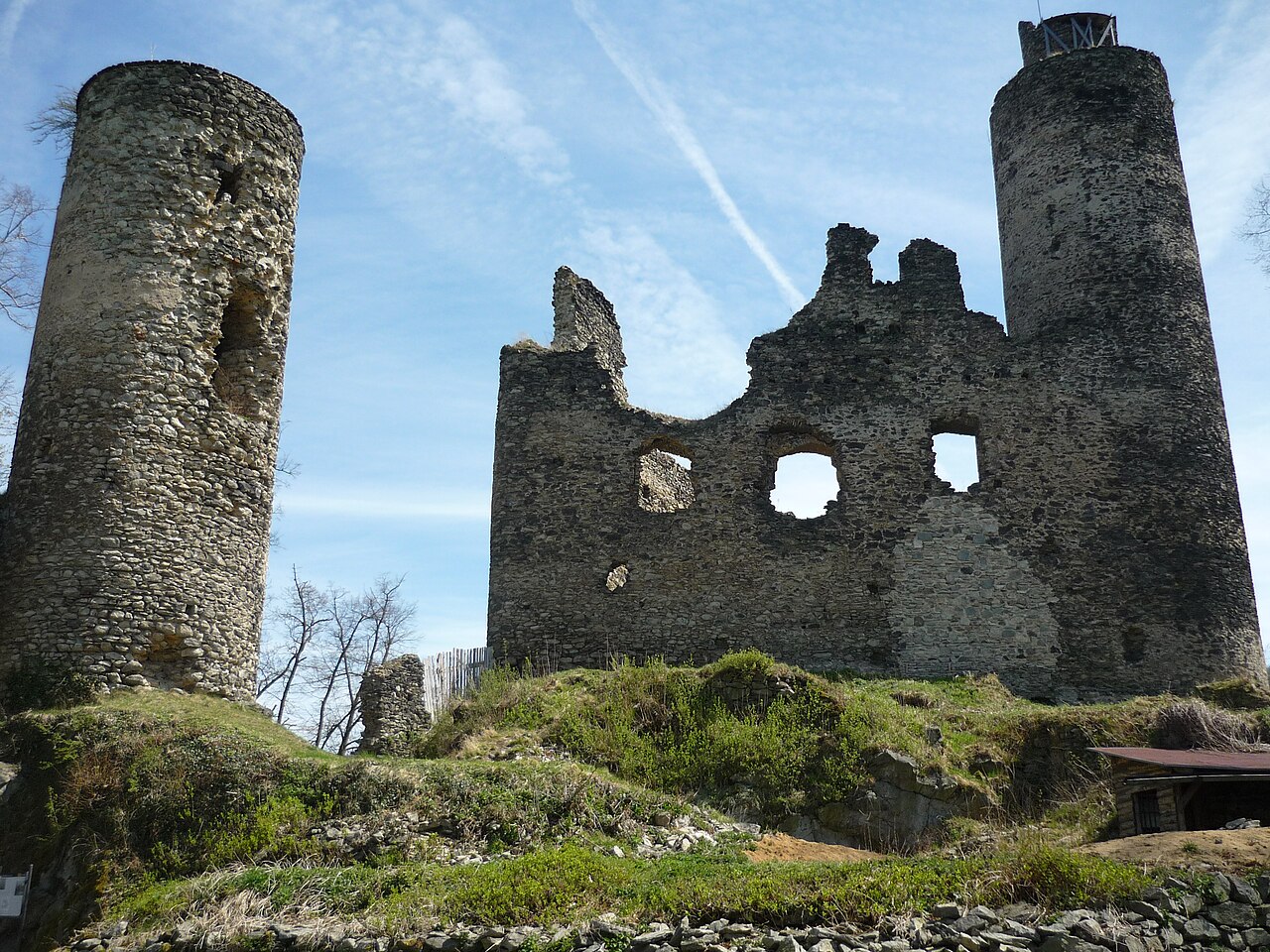
Teplice Castle stands as a remarkable testament to centuries of architectural evolution and historical significance in the town of Teplice, Czechia. Originally established as a Benedictine nunnery between 1156 and 1164 by Queen Judith of Thuringia, the site reflects a deep religious and cultural heritage. This early medieval foundation served the community for nearly three centuries until the Hussite Wars in the early 15th century brought devastation and abandonment, marking a pivotal transformation in the castle's history.
The castle's journey from a monastic complex to a fortified residence began in the late 15th century, under the auspices of Queen Johana of Rožmitál. Documented in 1467, the former monastery was converted into a fortress, a strategic adaptation reflecting the turbulent political landscape of the time. Over the following centuries, Teplice Castle passed through the hands of several noble families, including the Fictums, Libštejnský of Kolovrat, Valdštejns, Malcáns, and finally the Vřesovics, each contributing to its evolving form and function.
Architectural evolution and styles
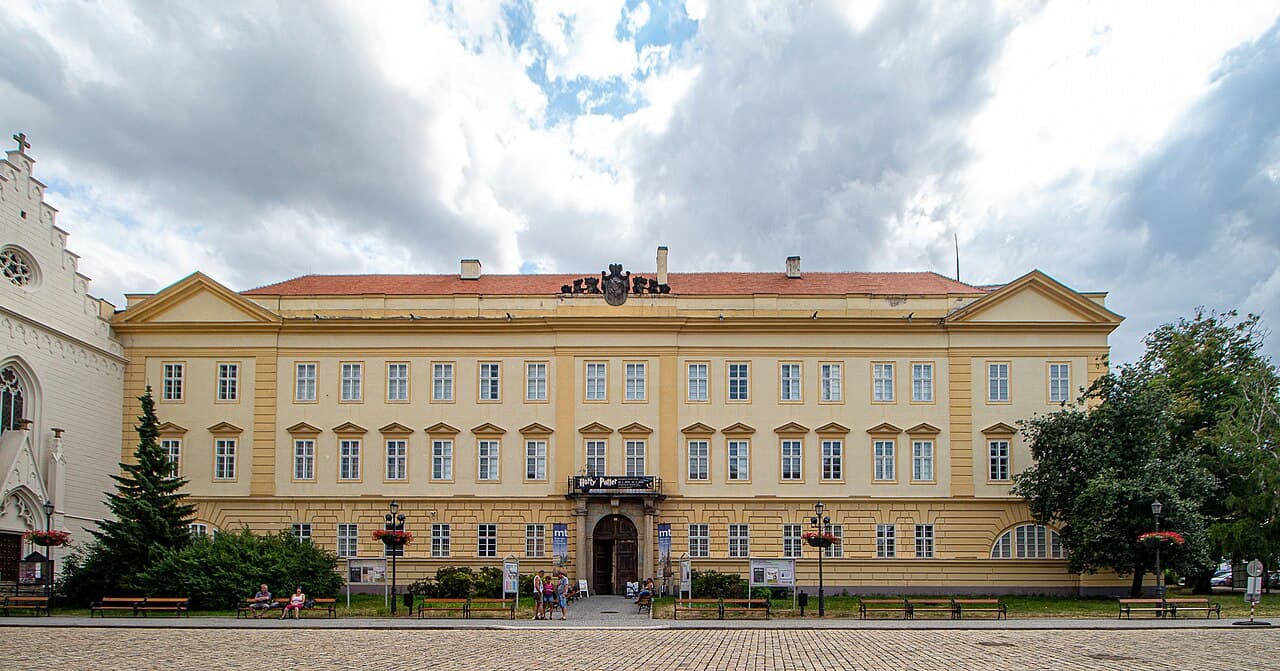
Under the stewardship of the Clary-Aldringen family from 1634 to 1945, Teplice Castle underwent significant enlargement and transformation, embracing the Baroque style with extensive reconstruction. This period saw the addition of a theater in 1788, reflecting the castle's emergence as a vibrant cultural hub. The architectural ensemble of Teplice Castle is a complex palimpsest, showcasing elements from Romanesque masonry to Neo-Gothic and Classicist styles.
Romaneseque origins
The eastern wing preserves original Romanesque masonry rising to the second floor, characterized by blocked paired windows and a semicircular portal. These features are tangible remnants of the castle's initial monastic phase. Adjacent to the courtyard's northern side lie the foundations of the former monastery church, now conserved within a landscaped park. Beneath a semicircular apse, an intact crypt with original columns capped by cubic capitals remains a rare and valuable architectural survival from the 12th century.
Baroque and neo-gothic additions
The southern wing presents a fascinating blend of styles: its garden-facing façade exhibits Neo-Gothic design, while the courtyard side features Classicist arcades adorned with sgraffito decoration and ribbed vaults. The attached castle chapel further underscores the site's ecclesiastical heritage. The main wing is a two-story palace with open arcades on the ground floor and glazed arcades above, framed by pilasters supporting an entablature and crowned by a decorative cartouche on the central risalit. The northern façade facing the square reveals Empire style influences, evident in the Doric columns flanking the entrance and rusticated stonework at the base.
To the west, a wing originally housing stables was later converted into an exhibition hall with vaulted ceilings. This wing also contains the castle theater, designed by J. A. Giesel in 1787, which has been repurposed as a library, preserving the corridor with its original theatrical decoration.
Gardens, pavilions, and interior treasures
The castle grounds feature two Renaissance garden pavilions known as the Kolostůjovy towers, dating from around 1600. These towers have rectangular footprints topped by twin pyramidal roofs with slender octagonal spires covered in shingles. A Baroque double staircase elegantly connects the castle to its surrounding park, which includes two ponds with artificial islands, enhancing the landscaped setting.
Inside, Teplice Castle boasts richly decorated interiors, including a Rococo hall with exquisite French stucco work from 1772. Other rooms display original furnishings representative of the Rococo, Empire, and Biedermeier styles. A notable hall features a coffered painted ceiling, adding to the artistic and cultural heritage preserved within the castle.
Historical significance and cultural legacy
Teplice Castle was not only a noble residence but also a significant cultural center. It hosted illustrious guests such as Johann Wolfgang von Goethe, Ludwig van Beethoven, Frédéric Chopin, and Giacomo Casanova, reflecting its status as a hub of intellectual and artistic activity. In 1835, the castle was the venue for a major political meeting attended by Austrian Emperor Ferdinand I, Prussian King Frederick William III, and Russian Tsar Nicholas I, highlighting its importance in European diplomatic history.
Following World War II, the castle was confiscated under the Beneš decrees in 1945 and repurposed as the Regional Museum of Teplice from 1947 onward. Archaeological excavations led by Antonín Hejna uncovered foundational elements of the original monastery church and crypt, enabling the preservation of key Romanesque features.
Modern use and preservation
Today, Teplice Castle continues to serve the public as a museum and cultural venue, housing a vast historic library with nearly 100,000 volumes. The collections include manuscripts and books from the former monastery and the Clary-Aldringen family, maintaining a continuous intellectual tradition. The castle also hosts a jazz club, blending historical ambiance with contemporary cultural activities.
The castle's architectural integrity and diverse stylistic layers make it a significant monument in Czech heritage, illustrating the dynamic interplay between religious, military, residential, and cultural functions over nearly a millennium.
Frequently asked questions (FAQ)
- What is the historical significance of Teplice Castle?
- Teplice Castle, originally built in the 13th century, is a remarkable example of Renaissance architecture in Czechia. It has served as a royal residence and a cultural hub, reflecting the rich history of the region and its influence on European politics.
- When was Teplice Castle built?
- The construction of Teplice Castle began in the late 1200s, and it has undergone numerous renovations since then. The castle's current Renaissance appearance was established primarily in the 16th century, showcasing its evolution over the centuries.
- Can I visit Teplice Castle year-round?
- Yes, Teplice Castle is open to visitors throughout the year, although certain areas may have restricted access during the winter months. It's advisable to check the official website or local tourist information for specific opening hours and any seasonal changes.
- What are the opening hours of Teplice Castle?
- Teplice Castle typically opens to the public from 9 AM to 5 PM during the tourist season, which runs from April to October. In the off-season, hours may vary, so it's best to confirm before planning your visit.
- How much do tickets to Teplice Castle cost?
- Ticket prices for Teplice Castle vary based on age and type of tour. Generally, adult tickets range from 100 to 150 CZK, while concessions are available for students and seniors, making it an affordable option for visitors.
- Is it possible to explore the gardens at Teplice Castle?
- Yes, visitors can enjoy the beautiful gardens surrounding Teplice Castle, which are open to the public. The gardens provide a serene setting for a leisurely stroll and are an excellent complement to the historical exploration of the castle itself.
- What is the best time to visit Teplice Castle?
- The best time to visit Teplice Castle is during the spring and early autumn when the weather is pleasant and the gardens are in full bloom. Additionally, visiting during these seasons allows you to avoid the summer crowds and enjoy a more tranquil experience.
- Are there any nearby attractions to Teplice Castle?
- Yes, Teplice Castle is situated near several other attractions, including the Teplice Spa, known for its healing mineral springs, and the stunning botanical gardens. These sites enhance the overall experience of your visit to the area.
- How do I get to Teplice Castle?
- Teplice Castle is easily accessible by public transport, with regular train and bus services connecting it to major cities in the region. If driving, there is ample parking available nearby, making it convenient for visitors traveling by car.
Photo gallery

Information
Loading map...
Visitor reviews
No reviews yet. Been here? Write the first review and help other travelers!
Write the first reviewVisited this castle? Share your experience
Your review helps other travelers and adds first-hand knowledge to our encyclopedia.