Historical context and ownership
The Teleki family was prominent in the 18th century, and their estates often reflected their social standing and wealth. The mansion in Glodeni likely dates back to this period, embodying the architectural and cultural values of the Transylvanian aristocracy. While the exact construction date is not documented, the mansion's style and materials suggest an origin in the late 18th century. This period in Romanian history was marked by the influence of the Habsburg Empire, which affected local architecture and estate development.
Architectural features
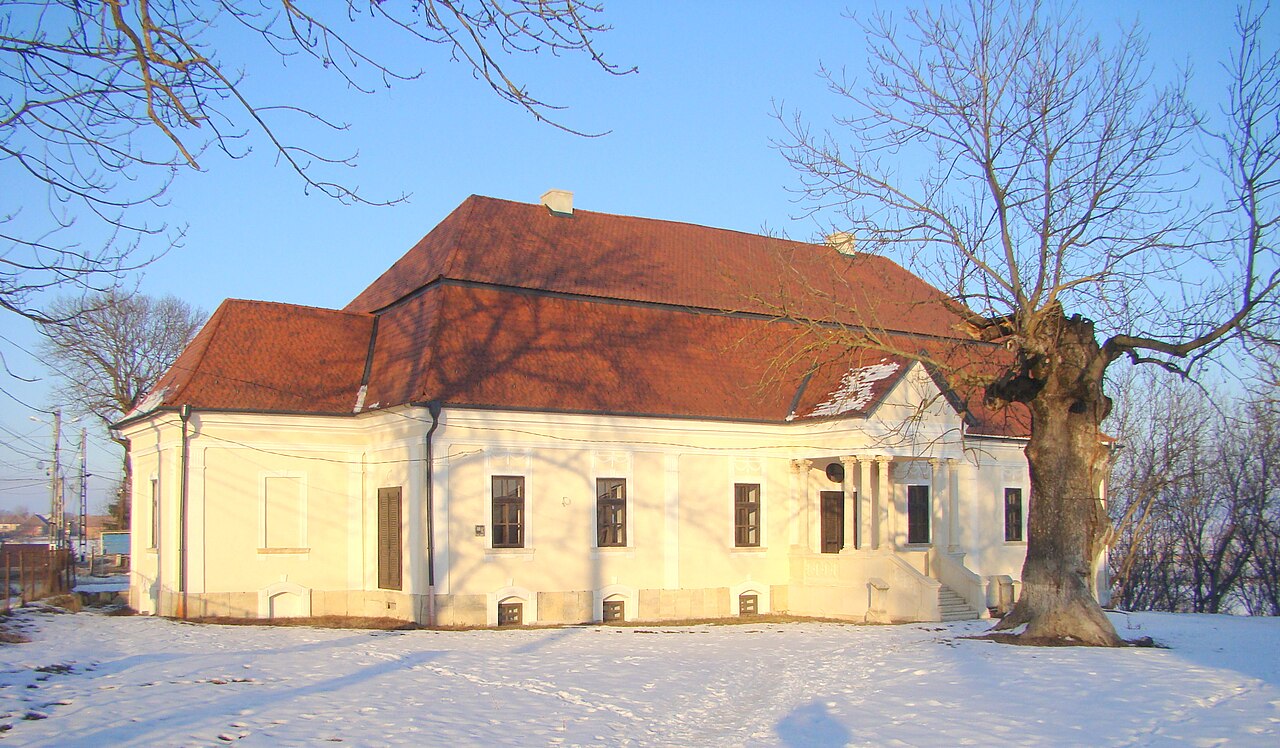
The Teleki mansion exhibits characteristics typical of aristocratic residences of its era. It is built on a raised site, providing a commanding presence over the surrounding landscape. The structure likely includes a central residential block with symmetrical wings, a common layout for manorial estates designed to balance aesthetics and functionality.
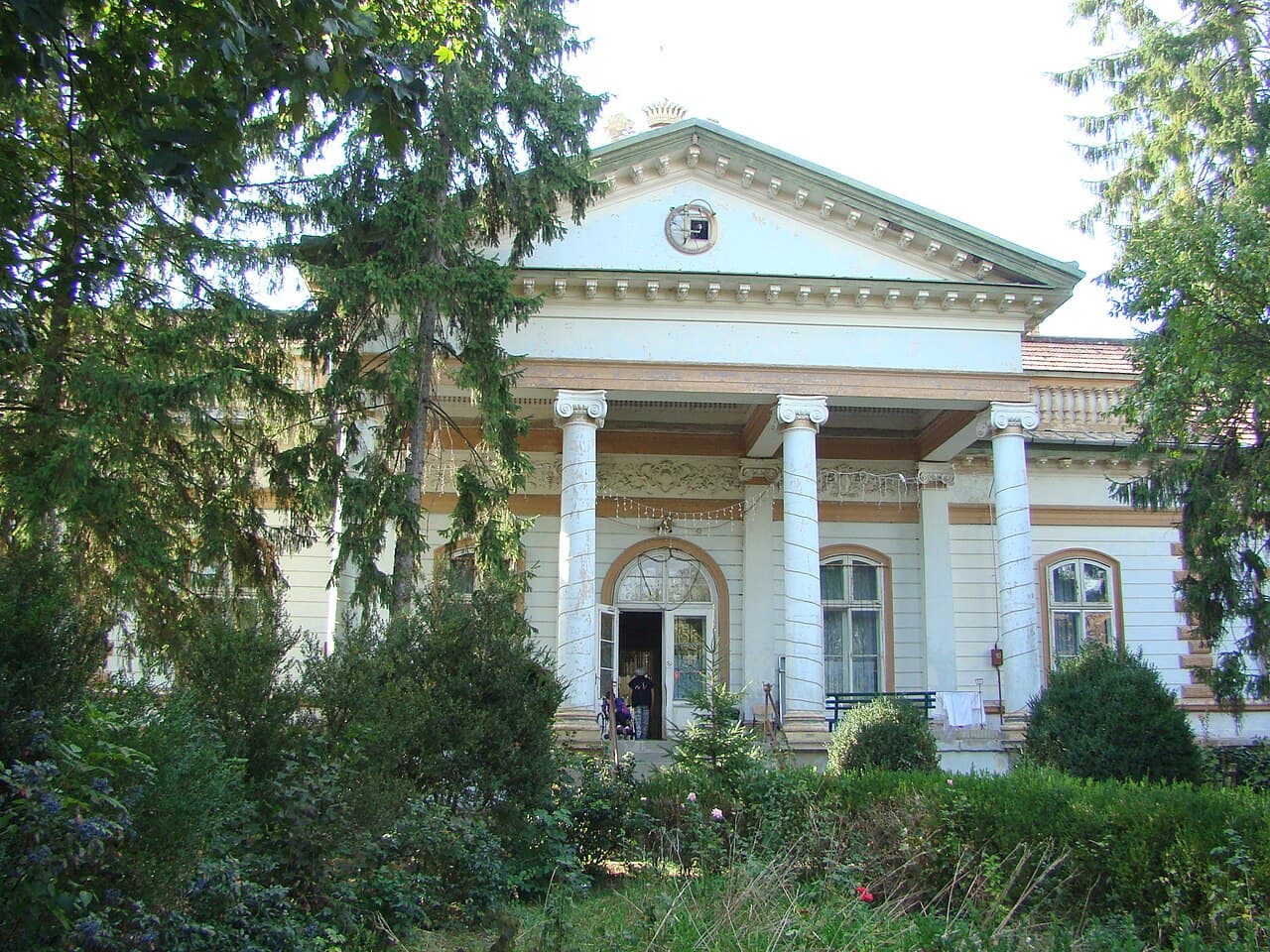
The mansion's construction materials would traditionally include local stone and brick, with plastered walls and a tiled roof. Architectural details may include baroque or late baroque influences, visible in window frames, cornices, and entrance portals, reflecting the tastes of the time. Interior features would typically comprise spacious halls, decorated ceilings, and rooms arranged for both private family use and public receptions.
Estate grounds and surroundings
The mansion is set within landscaped grounds, which might have included formal gardens, orchards, and possibly auxiliary buildings such as stables and servant quarters. The hilltop location would have allowed for both practical surveillance of the estate and a picturesque setting, enhancing the mansion's status as a symbol of power and refinement.
Current condition and significance
Today, the Teleki mansion in Glodeni stands as a cultural and historical landmark, although its preservation status varies. It may be partially preserved or restored, depending on local conservation efforts. The mansion represents an important link to the region's aristocratic past and architectural heritage, offering insights into the lifestyle and social structures of the Romanian nobility in the 18th century.
Visiting and cultural heritage
While not as widely known as larger castles or fortresses, the Teleki mansion attracts visitors interested in Transylvanian history and architecture. Its location in Glodeni provides access to the cultural landscape of the region, including other historic estates and natural landmarks. Visitors should check local resources for access information, as private ownership or conservation status may affect public entry.
Frequently asked questions (FAQ)
- What is the historical significance of the Teleki mansion in Glodeni?
- The Teleki mansion reflects the aristocratic heritage of the 18th-century Teleki family in Transylvania, showcasing architectural styles influenced by the Habsburg period.
- Can I visit the Teleki mansion in Glodeni?
- Visiting availability depends on the mansion's current ownership and preservation status. It is advisable to check local tourist information for access details.
- What architectural style characterizes the Teleki mansion?
- The mansion exhibits <strong>baroque</strong> architectural features typical of late 18th-century aristocratic residences in Romania.
- Where is the Teleki mansion located?
- The mansion is located in Glodeni, within Botoșani County, Romania, situated on a hill offering views of the surrounding estate.
- Why was the mansion built on a hill?
- Building on a hill provided strategic advantages, including enhanced views for estate management and a prestigious setting symbolizing noble status.
Photo gallery

Information
Loading map...
Visitor reviews
No reviews yet. Been here? Write the first review and help other travelers!
Write the first reviewVisited this castle? Share your experience
Your review helps other travelers and adds first-hand knowledge to our encyclopedia.