Gornești
Gornești castle, located in the village of Gornești in Romania, stands as a remarkable testament to the region's layered history, architectural evolution, and noble heritage. First mentioned in 1319, the site originally featured a medieval fortress constructed in the late medieval period by the Erdelyi family. Over the centuries, it transformed into an elegant baroque palace that reflects the prestige and aspirations of the influential Teleki family. This castle-palace complex offers a fascinating glimpse into the architectural styles, political shifts, and cultural developments of Transylvania.
Medieval origins and fortress construction
The earliest recorded mention of the village, formerly known as Knezeg, dates to 1319 when King Charles I Robert of Hungary granted the estate to the Szecseny family. The property changed hands several times, reverting to royal ownership before being awarded in 1405 to Antal Erdelyi of Somkerek as a reward for saving King Sigismund of Luxembourg's life during battle. The Erdelyi family maintained possession until 1642.
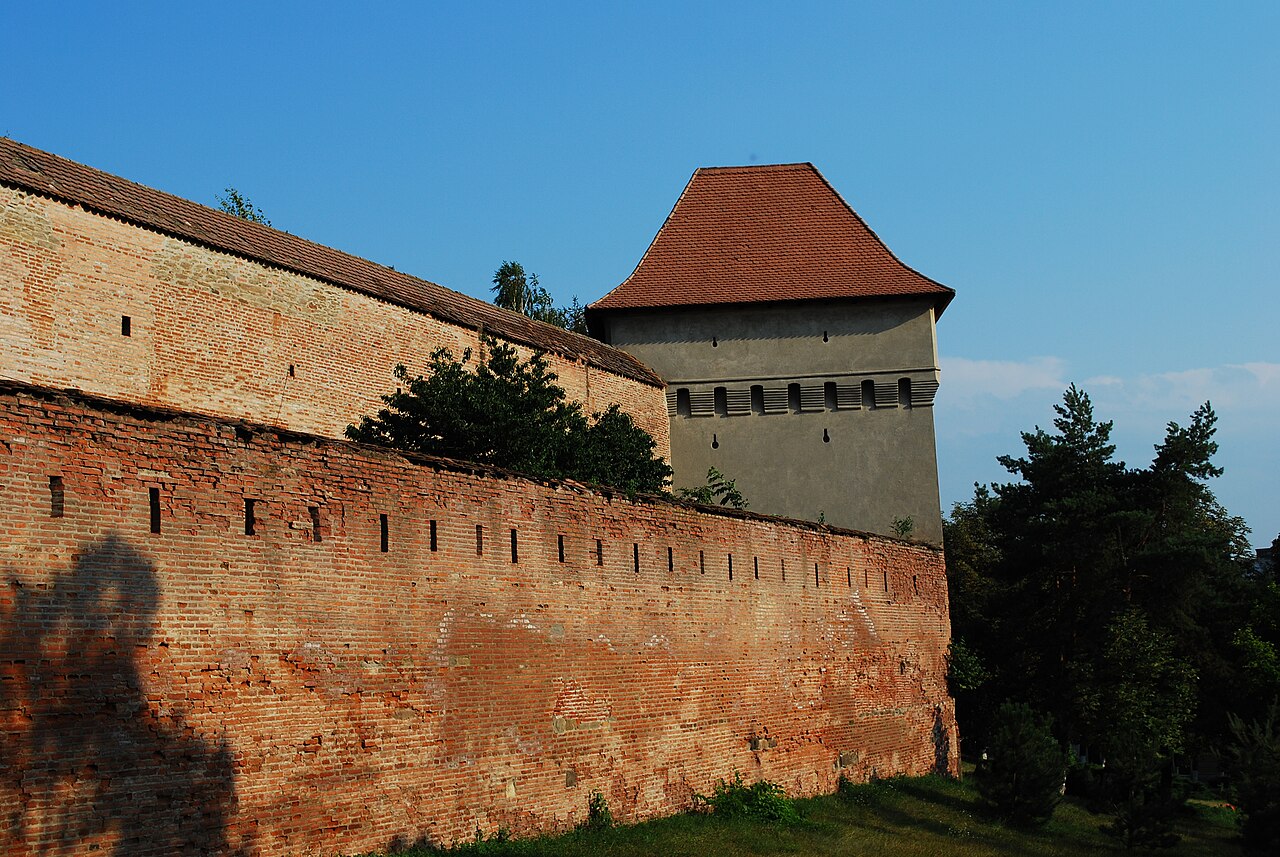
Between 1462 and 1465, Istvan Erdelyi commissioned the construction of a stone medieval fortress on the site. This fortress was characterized by two large towers and two smaller ones, surrounded by a moat fed by the waters of the Mureș River. The entrance was protected by a drawbridge, a typical defensive feature of the period. These fortifications highlight the strategic importance of the location and the need for robust defense mechanisms during the turbulent late medieval period.
Renaissance expansion and teleki family ownership
In 1674, the estate passed to Mihály Teleki de Szek, the chancellor of Transylvania, marking the beginning of the Teleki family's long association with Gornești. The Teleki family was prominent in Transylvanian and Hungarian history, actively involved in political, administrative, and cultural affairs. Mihály Teleki was elevated to the rank of Count of the Holy Roman Empire by Emperor Leopold I in 1685.
During 1686-1687, the castle underwent a renaissance-style expansion, including the construction of a new wing. This period reflects a shift from purely defensive architecture to more residential and representational functions, incorporating Renaissance design elements that emphasized symmetry, proportion, and classical motifs.
Baroque transformation and architectural features
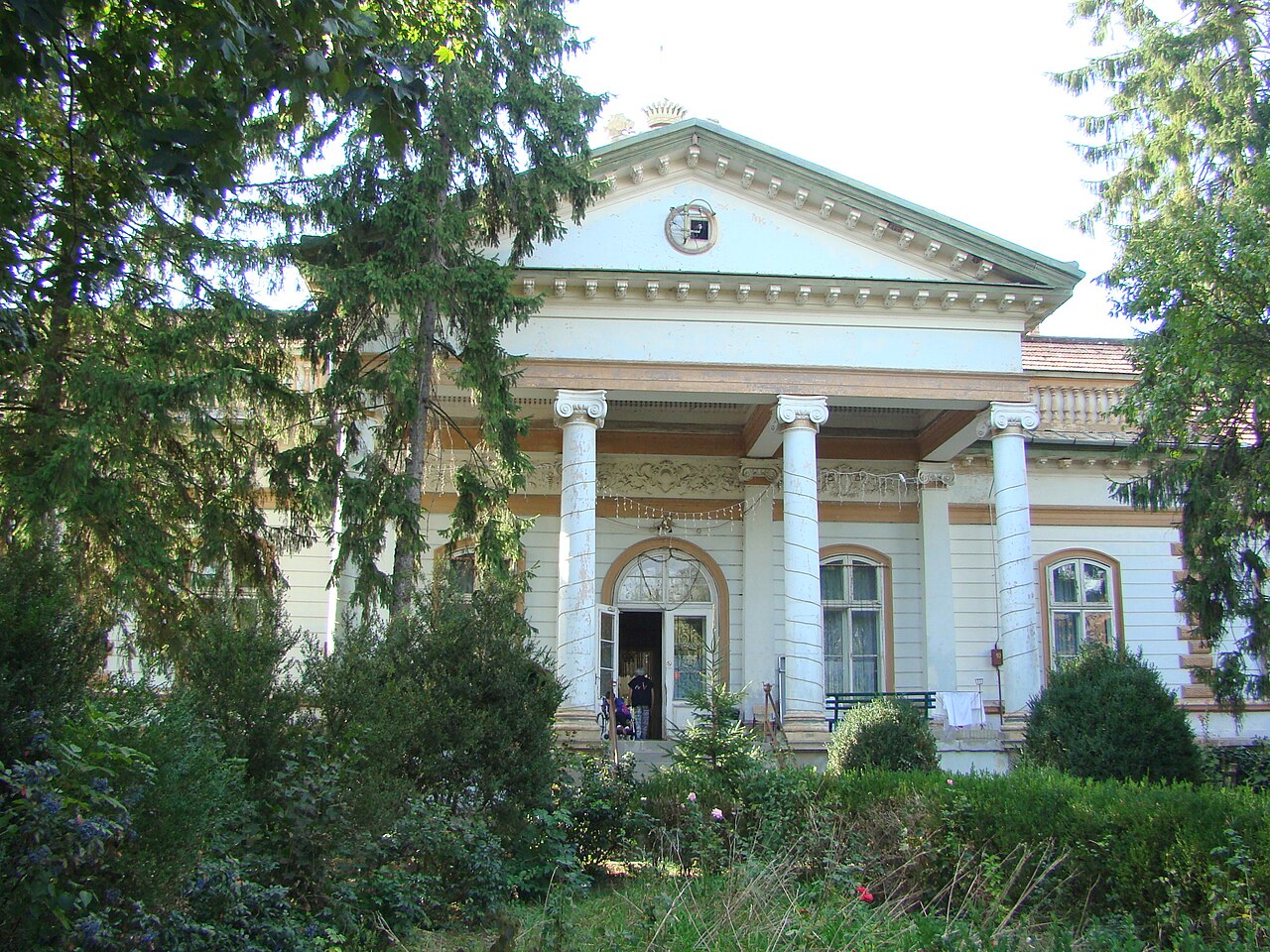
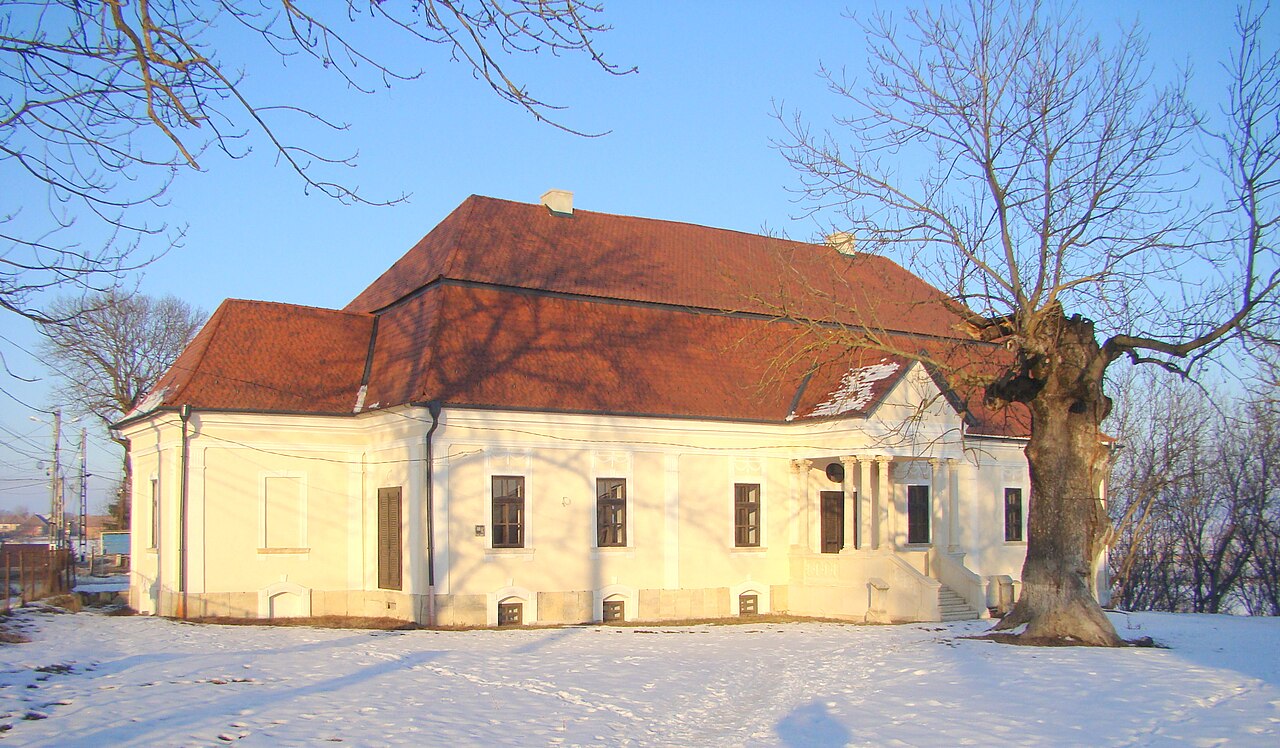
Between 1771 and 1778, the Teleki family replaced the medieval fortress with a grand baroque palace surrounded by earthen bastions. This transformation was intended to showcase the family's prestige and social status. The palace was designed in a U-shaped layout with three wings enclosing a spacious park courtyard. The buildings were one-story with attics and basements, incorporating representative halls, monumental staircases, reception rooms, and educational spaces, including a distinguished library housing a rich collection of volumes.
The palace features 52 rooms and 365 windows, symbolizing the weeks and days of the year. The most impressive element is the northern wing, which includes a long corridor entrance topped by a high roof with a large dome featuring skylights and a clock at its apex. The front facade is adorned with a raised risalit with rounded corners, adding to the building's grandeur.
Gardens and landscaping
Adjacent to the palace and moat, Josef Teleki established a French-style garden, emphasizing formal design and symmetry. In the early 19th century, Josef II Teleki replaced the former moat with an English-style park characterized by winding paths and rare trees, reflecting changing tastes in landscape architecture and the influence of the English garden movement.
Historical challenges and preservation
The estate endured significant hardships, including looting by Russian troops in 1849 during the Spring of Nations, a period of revolutionary upheaval across Europe. In the 20th century, the castle housed the Teleki family's extensive collection of illustrations and a library of approximately 6,000 volumes, curated by the renowned explorer Sámuel Teleki.
World War II brought devastation when the palace was ransacked and the valuable library destroyed. The property remained in the Teleki family until 1949, when it was nationalized and repurposed as a children's sanatorium. After decades of state ownership, the palace was returned to the Teleki family in 2001 and has since been undergoing gradual restoration to recover its former splendor. Guided tours are now available, allowing visitors to explore this significant cultural monument.
Architectural significance and cultural heritage
Gornești palace stands as one of the most representative examples of Transylvanian baroque architecture. Its combination of medieval fortress elements and later baroque grandeur illustrates the evolution of castle architecture from defensive stronghold to noble residence. The palace's symbolic design features, such as the number of rooms and windows, reflect the Enlightenment-era fascination with numerology and order.
The Teleki family's historical role in Transylvania and Hungary, along with their cultural contributions, add layers of meaning to the site. The palace is not only an architectural landmark but also a repository of regional history, noble lineage, and artistic patronage.
Frequently asked questions (FAQ)
- What is the historical significance of Gornești Castle?
- Gornești Castle, located in Romania, dates back to the 15th century and is a notable example of medieval architecture in the region. It played a crucial role in the defense against various invasions and reflects the rich history of the area.
- When was Gornești Castle built?
- Gornești Castle was constructed in the late 1400s, with its foundations laid in 1480. Over the centuries, it has undergone several renovations, maintaining its historical integrity while adapting to changing architectural styles.
- What are the opening hours for visiting Gornești Castle?
- Gornești Castle is open to visitors from 10 AM to 6 PM during the tourist season, which typically runs from April to October. It is advisable to check for any seasonal variations in opening hours before planning your visit.
- Can I access Gornești Castle by public transportation?
- Yes, Gornești Castle is accessible by public transportation, with regular bus services connecting it to nearby towns and cities. For those traveling from further away, the nearest train station is in Târgu Mureș, from where you can take a local bus or taxi to the castle.
- Why is Gornești Castle a popular tourist attraction?
- Gornești Castle attracts visitors due to its stunning architecture, rich history, and picturesque surroundings. The castle often hosts cultural events and exhibitions, making it a vibrant part of the local tourism landscape.
- What is the ticket price for visiting Gornești Castle?
- The ticket price for Gornești Castle is quite affordable, generally ranging from 10 to 20 lei for adults, with discounts available for students and seniors. It’s best to bring cash, as card payments may not be accepted at the entrance.
- When is the best time to visit Gornești Castle?
- The best time to visit Gornești Castle is during the late spring and early autumn months when the weather is mild and pleasant. Visiting during these times also allows you to enjoy the surrounding natural beauty and participate in various cultural events.
- Are there nearby attractions to Gornești Castle?
- Yes, there are several nearby attractions, including the charming town of Târgu Mureș, known for its historical architecture and vibrant cultural scene. Additionally, the scenic landscapes of the Transylvanian countryside provide excellent opportunities for outdoor activities and exploration.
- Is it possible to take guided tours of Gornești Castle?
- Yes, guided tours are available at Gornești Castle, providing visitors with detailed insights into its history and architecture. These tours are led by knowledgeable guides who can enhance your experience with fascinating stories and facts about the castle.
Information
Loading map...
Visitor reviews
No reviews yet. Been here? Write the first review and help other travelers!
Write the first reviewVisited this castle? Share your experience
Your review helps other travelers and adds first-hand knowledge to our encyclopedia.