Cafarlet Fortress
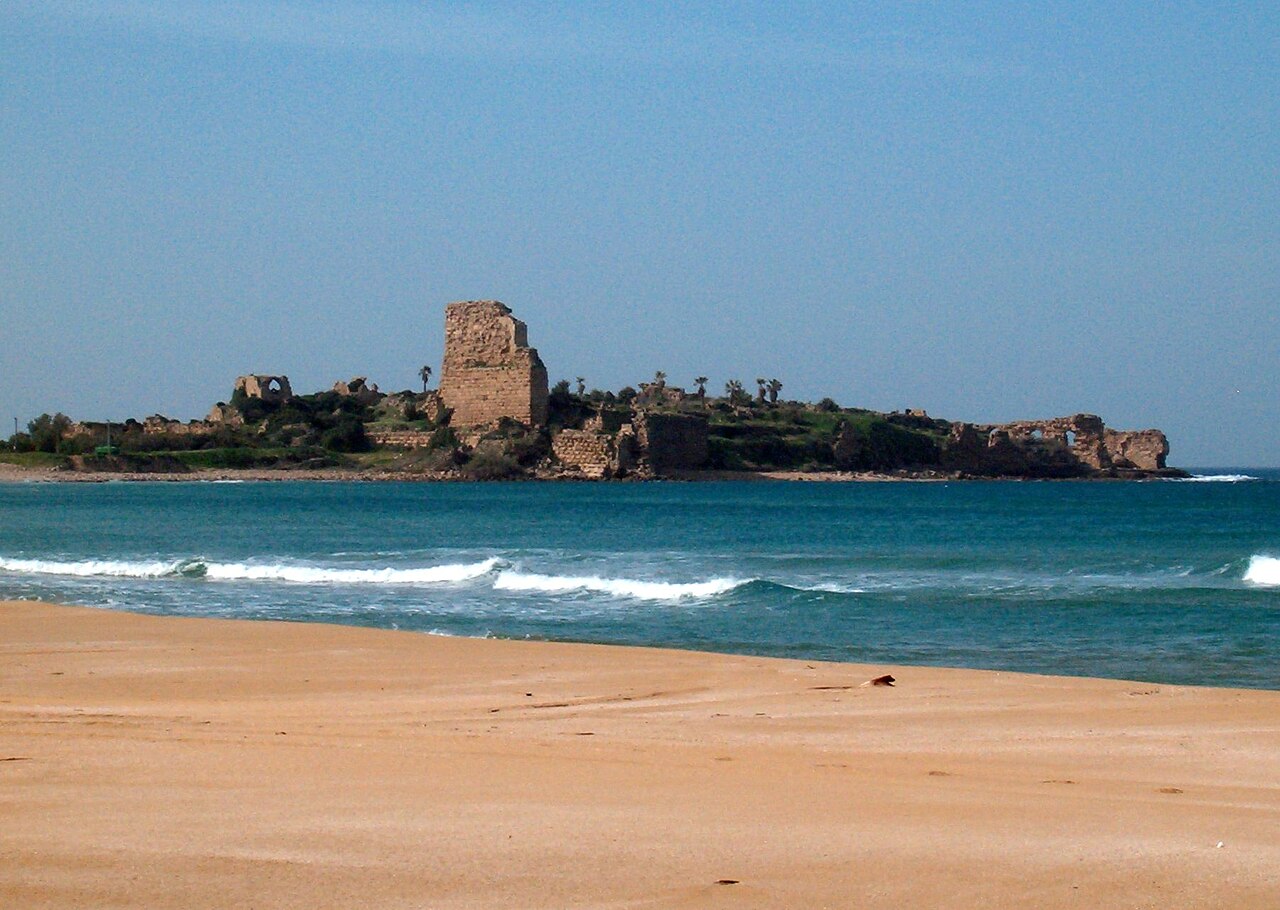
Cafarlet fortress, also known historically as Capharleth during the Crusader period and Kafr Lam in Arabic, is a remarkable example of an Early Muslim coastal fortress in Israel. Situated within the modern moshav of HaBonim, it occupies the lands of the former Arab village of Kafr Lam. This fortress represents a unique blend of early Islamic military architecture and Crusader modifications, reflecting its strategic role along the Mediterranean coastline from the 8th century through the late 13th century.
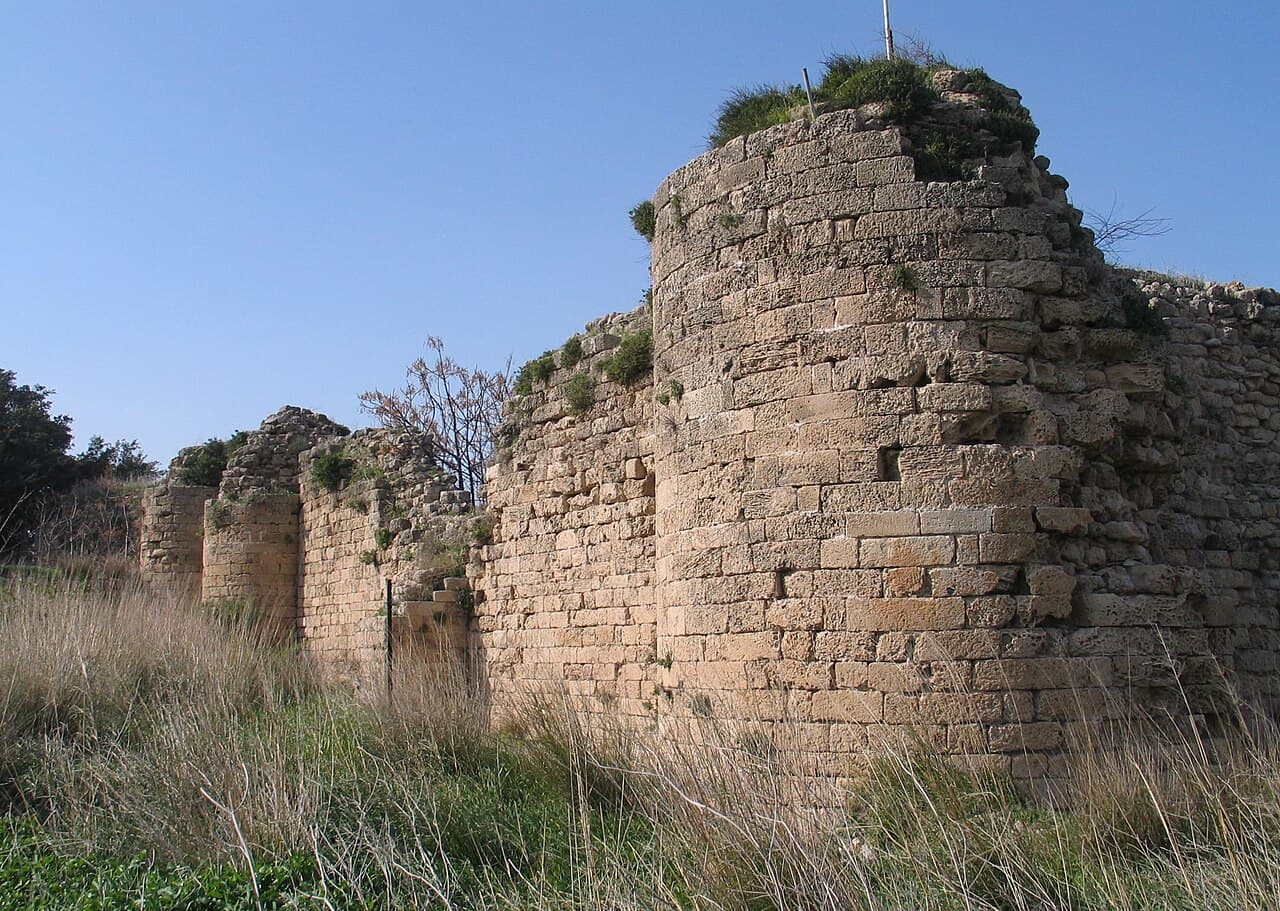
The fortress was originally constructed in the 8th or 9th century CE during the Umayyad or Abbasid period as a ribat—a fortified monastery or military outpost designed to guard against Byzantine naval and land incursions. Its architectural form follows the Roman castrum model, characterized by a rectangular plan with robust defensive walls and towers. Notably, Cafarlet features round watchtowers, a rarity among fortifications in the region, most of which display rectangular towers typical of Crusader-era European styles. This distinctive element underscores the fortress's pre-Crusader origins and early Muslim design principles.
Historical background and strategic importance
Cafarlet was part of a broader network of coastal fortifications established by the early Muslim rulers to secure the Levantine coast, particularly to thwart Byzantine attempts to reclaim lost territories after the Muslim conquests of the 7th century. The fortress's location near the Mediterranean Sea allowed it to serve as a military and economic checkpoint, controlling maritime traffic and protecting inland settlements.
With the arrival of the Crusaders in the late 11th century, the fortress came under the control of the Lordship of Caesarea, a vassal state within the Kingdom of Jerusalem. Although the Crusaders did not originally build Cafarlet, they undertook significant renovations to strengthen its defenses. Unlike major Crusader castles, Cafarlet functioned more as a civilian settlement with defensive capabilities rather than a primary military stronghold.
In 1213, the lord of Caesarea mortgaged Cafarlet to the Knights Hospitaller for 1,000 bezants, indicating its economic and strategic value. By 1232, the Hospitallers had acquired the fortress outright for 16,000 bezants, likely investing in repairs and expansions after damage from a 1227 raid by forces from Damascus. The fortress changed hands again in 1255 when ownership transferred to the Knights Templar.
The fortress's final military chapter came in 1265 when the Mamluk Sultan Baybars captured Cafarlet during his campaigns to eliminate Crusader holdings. Although there is evidence suggesting a brief Crusader recapture, the Mamluks definitively regained control in 1291, subsequently destroying the fortress as part of their efforts to prevent its reuse.
Architectural features and layout
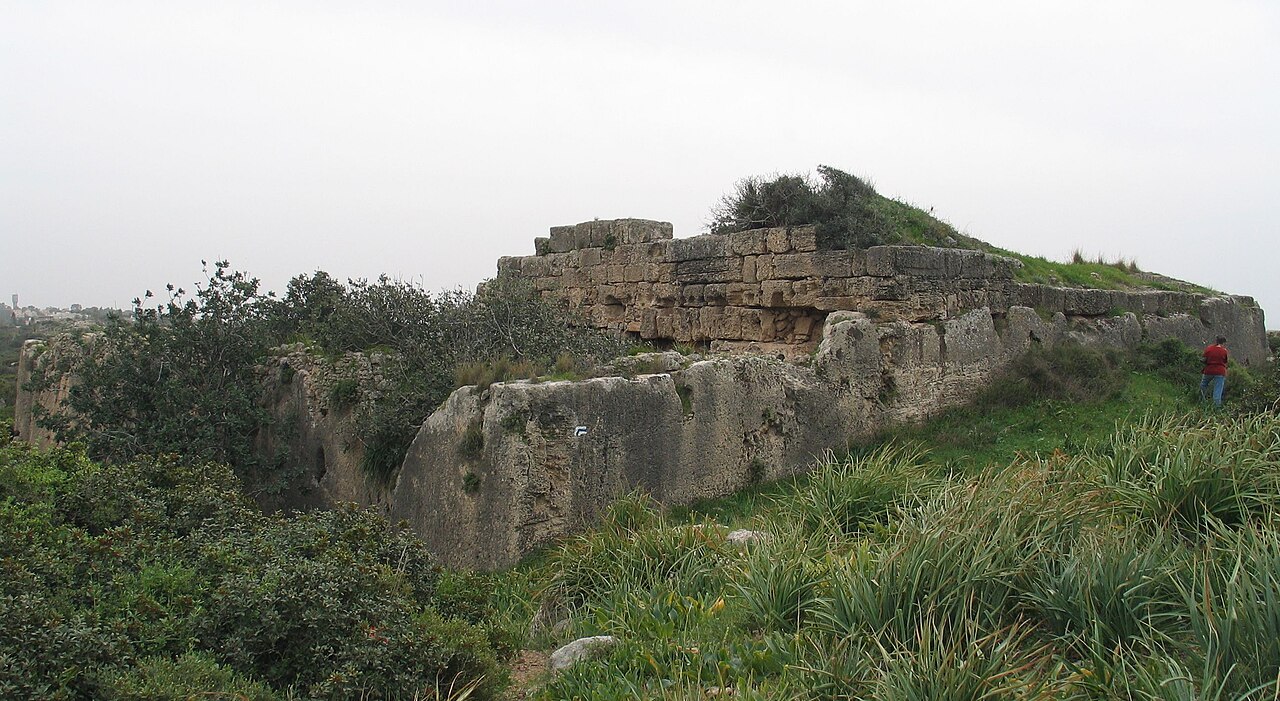
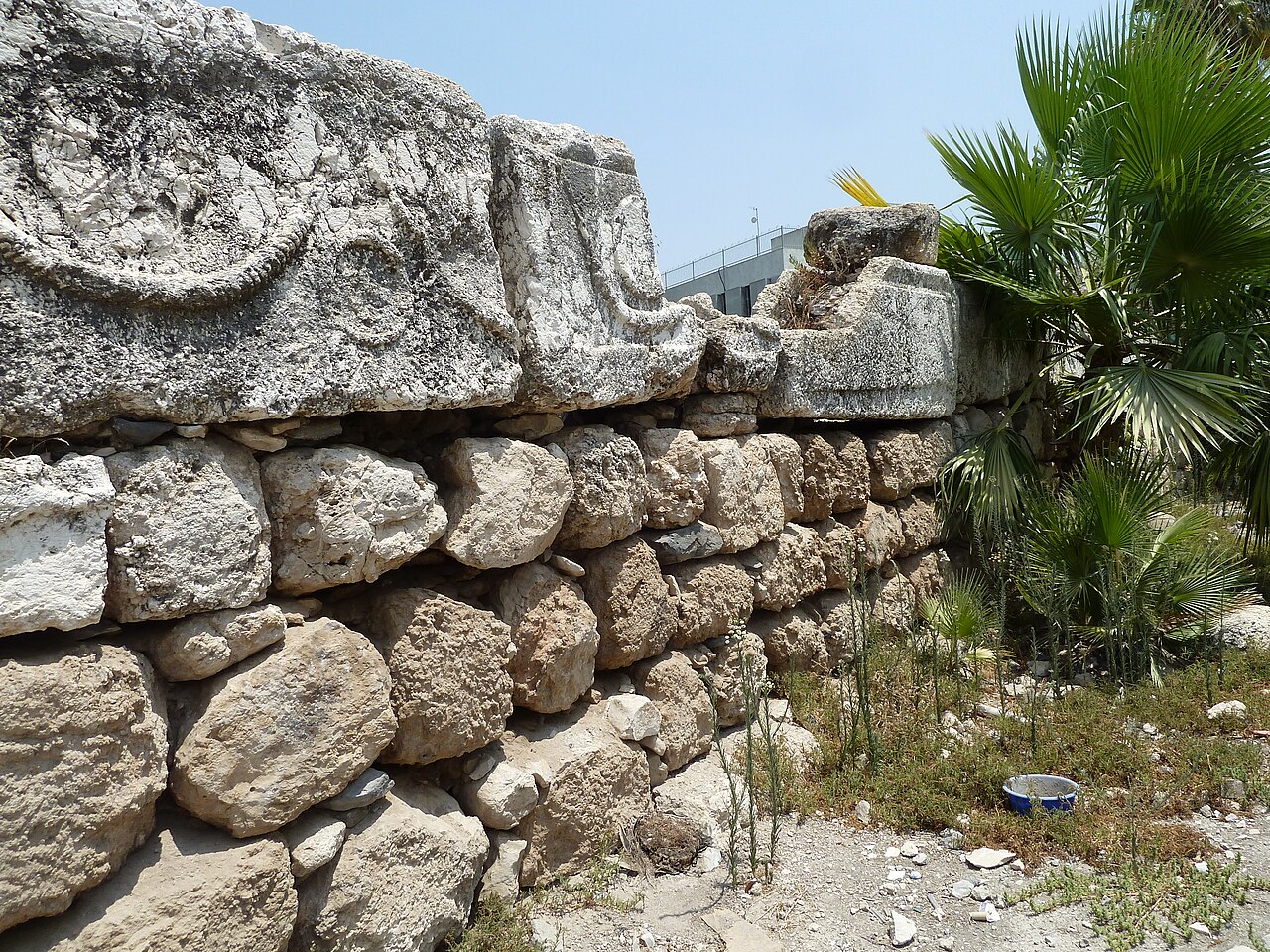
The remains of Cafarlet reveal a rectangular fortress approximately 50 by 58 meters in size, constructed primarily from kurkar, a local calcareous sandstone. The fortress walls stand about five meters tall and are reinforced externally by buttresses to enhance their structural integrity against siege warfare.
Four large corner towers anchor the fortress’s rectangular perimeter, providing vantage points for surveillance and defense. The main entrance is located on the southern wall and is flanked by two prominent round towers, which offered overlapping fields of fire to protect the gate. This configuration is unusual compared to the predominantly square towers favored by the Crusaders, highlighting the fortress's early Muslim architectural heritage.
Inside the walls, vaulted chambers are found mostly below ground level. These spaces likely served as storage rooms or cellars, essential for sustaining the garrison during sieges or long-term occupation. Although archaeological investigations remain limited, the fortress’s layout follows a practical military design focused on defense and supply security.
The fortress’s design shares similarities with nearby Ashdod Yam fortress, another coastal stronghold from the same period, reinforcing the notion of a coordinated defensive system along the Levantine coast.
Later history and current status
After the Mamluk conquest and destruction in 1291, Cafarlet was abandoned as a military site. Centuries later, the location was repurposed as the Arab village of Kafr Lam, which housed about 300 residents until its depopulation during the 1948 Arab-Israeli War. In 1949, the modern moshav of HaBonim was established on the site, preserving the fortress ruins within its boundaries.
Today, Cafarlet stands as one of the few surviving ancient fortifications in Israel featuring round watchtowers, making it an important site for the study of early Islamic and Crusader military architecture. Despite its ruined condition, the fortress’s layout and structural elements remain visible, providing valuable insights into the region’s layered history and the evolution of coastal defense strategies.
Archaeological significance and research prospects
Although the fortress has not undergone extensive archaeological excavation, the existing remains offer a rich field for future research. The absence of decorative elements or inscriptions limits detailed understanding of the fortress’s internal functions and the daily life of its occupants. However, its architectural features and strategic location contribute significantly to the understanding of Early Muslim military architecture and its adaptation by the Crusaders.
Further archaeological work could uncover artifacts such as pottery, tools, or inscriptions that would shed light on the cultural and historical context of Cafarlet. Additionally, comparative studies with other regional fortresses could clarify the development of military architecture in the eastern Mediterranean during the medieval period.
Visitor information
Cafarlet fortress is accessible within the moshav HaBonim. Visitors can explore the visible ruins and appreciate the fortress’s unique architectural features, including its rare round towers. While facilities and detailed interpretive signage may be limited, the site offers a tangible connection to the layered history of the Levantine coast.
Frequently asked questions (FAQ)
- When was Cafarlet fortress originally built?
- Cafarlet fortress was originally constructed in the 8th or 9th century during the Umayyad or Abbasid period as a coastal ribat to defend against Byzantine attacks.
- What architectural features distinguish Cafarlet fortress?
- The fortress is notable for its rectangular layout with round watchtowers, a feature uncommon among Crusader fortifications, reflecting its early Muslim origins.
- Who controlled Cafarlet fortress during the Crusader period?
- During the Crusader period, Cafarlet was part of the Lordship of Caesarea and was owned by the Knights Hospitaller and later the Knights Templar.
- What happened to Cafarlet fortress after the Mamluk conquest?
- The Mamluks captured and destroyed Cafarlet in 1291, after which it was abandoned as a military site and later became the location of the Arab village Kafr Lam.
- Can visitors access Cafarlet fortress today?
- Yes, visitors can access the ruins of Cafarlet fortress within the modern moshav HaBonim, though facilities and interpretive signage may be limited.
Photo gallery

Information
Loading map...
Visitor reviews
No reviews yet. Been here? Write the first review and help other travelers!
Write the first reviewVisited this castle? Share your experience
Your review helps other travelers and adds first-hand knowledge to our encyclopedia.