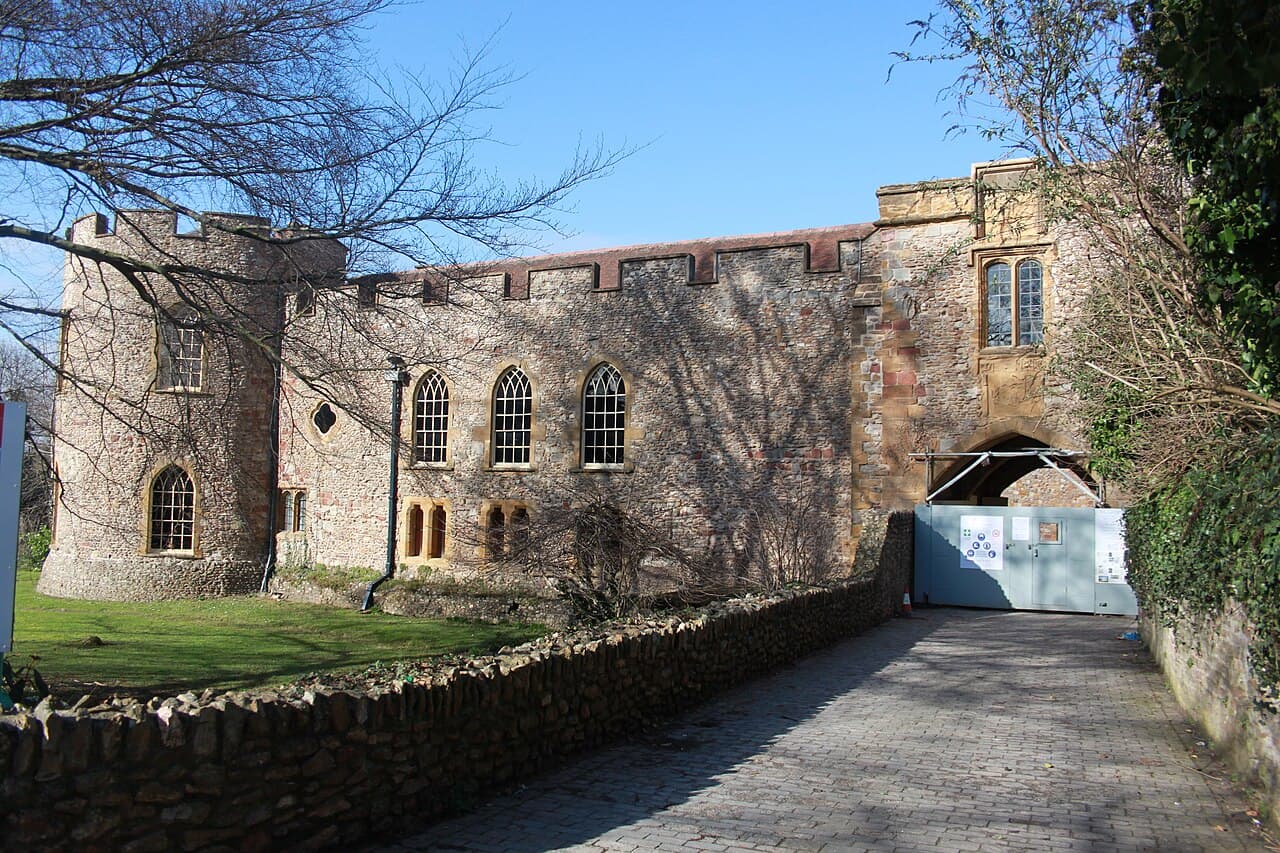
Taunton Castle
Taunton Castle stands as a significant historic fortress in the county of Somerset, England, with origins tracing back to the Anglo-Saxon period. Originally established as a defensive stronghold to protect the town of Taunton, the site evolved through centuries of architectural and functional transformation. The castle's early history is intertwined with the establishment of a priory, reflecting its dual role in both military defense and religious presence during the medieval era.
The origins and early history of taunton castle
The earliest fortifications on the site of Taunton Castle are believed to date from the late Anglo-Saxon period, prior to the Norman Conquest of 1066. However, the most substantial construction occurred in the 12th century, when the Normans built a stone castle to replace earlier wooden structures. This stone castle was strategically designed to assert Norman control over the region and to protect the important market town of Taunton.
Ownership of the castle passed to the Bishops of Winchester, who held it as a significant ecclesiastical and feudal stronghold. The castle’s position and fortifications played a role in various historical conflicts, including the English Civil War, when it was besieged due to its strategic importance.
Architectural features and layout
The castle was originally constructed as a high medieval stone fortress featuring a robust inner ward surrounded by defensive walls. The surviving structures today primarily represent the inner ward, which has undergone extensive reconstruction and restoration over the centuries. The castle’s defensive features included thick curtain walls, battlements, and a moat, typical of Norman military architecture designed to withstand sieges.
Although much of the outer bailey and other defensive works have not survived intact, the inner ward remains a prominent example of medieval fortification. The castle’s layout reflects the typical Norman design of concentric defense, with the inner ward serving as the last line of defense and the administrative center.
Later history and transformation
Following its military use, Taunton Castle transitioned into a more administrative and civic role. It was adapted to serve as a prison and courthouse in later centuries, reflecting changing needs and functions. The castle’s buildings were modified accordingly, with interior spaces repurposed for judicial and penal uses.
In the 20th century, the castle underwent significant restoration to preserve its historic fabric. Today, the inner ward houses the Museum of Somerset, which showcases the rich history and archaeology of Somerset from prehistoric times through to the modern era. Additionally, the Somerset Military Museum is located within the castle, highlighting the county’s military heritage.
Heritage status and public access
Taunton Castle is recognized as a Grade I listed building, a designation it received in 1952, underscoring its national importance as a heritage asset. The castle is open to the public, providing visitors with an opportunity to explore its historic architecture and extensive museum collections.
The castle’s location in the heart of Taunton makes it an accessible cultural landmark, contributing to the town’s identity and tourism. The preservation efforts ensure that Taunton Castle remains a vital link to Somerset’s medieval past and a center for education and heritage.
Frequently asked questions (FAQ)
- What is the historical significance of Taunton Castle?
- Taunton Castle is a historic landmark that dates back to the 12th century and played a crucial role during the English Civil War. It served as a royal residence and later as a prison, reflecting the tumultuous history of the region. The castle is a testament to medieval architecture and has been preserved to showcase its rich heritage.
- When was Taunton Castle built?
- Taunton Castle was originally constructed in the early 12th century, specifically around 1138. Over the centuries, it has undergone various renovations and expansions, particularly during the 13th and 14th centuries, which have contributed to its current structure and design.
- Can I visit Taunton Castle?
- Yes, Taunton Castle is open to the public, and visitors can explore its fascinating history and architecture. Guided tours are available, providing insights into the castle's past and its significance in the local area.
- What are the opening hours for Taunton Castle?
- Taunton Castle typically opens to visitors from 10 AM to 5 PM, but it is advisable to check the official website for any seasonal changes or special events that may affect these hours. Planning your visit in advance can help ensure a smooth experience.
- Is Taunton Castle accessible for visitors with disabilities?
- Yes, Taunton Castle strives to be accessible for all visitors. There are provisions in place for individuals with mobility challenges, including ramps and designated pathways, ensuring that everyone can enjoy the historical experience.
- What are the ticket prices for visiting Taunton Castle?
- Ticket prices for Taunton Castle vary based on age and group size, with discounts available for children, seniors, and families. It is recommended to check the official website for the most current pricing and any special promotions that may be offered.
- When is the best time to visit Taunton Castle?
- The best time to visit Taunton Castle is during the spring and early autumn months when the weather is mild, and the gardens are in full bloom. Additionally, visiting during weekdays can help you avoid larger crowds typically present on weekends.
- Are there any nearby attractions to visit along with Taunton Castle?
- Yes, there are several nearby attractions worth visiting, including the Museum of Somerset, which showcases local history and culture. Additionally, the picturesque town of Taunton offers beautiful parks, shops, and restaurants that enhance your visit to the castle.

Information
Website
Visit websiteSources & official resources
Verify the information above using these authoritative references.
Loading map...
Visitor reviews
No reviews yet. Been here? Write the first review and help other travelers!
Write the first reviewVisited this castle? Share your experience
Your review helps other travelers and adds first-hand knowledge to our encyclopedia.



