Stogursey Castle
Stogursey Castle stands as a remarkable example of a Norman motte-and-bailey castle located in the village of Stogursey, Somerset, England. Established shortly after the Norman Conquest by the influential De Courcy family in the late 11th or early 12th century, the castle's origins reflect the widespread Norman strategy of consolidating power through fortified structures. The name "Stogursey" itself evolved from the original "Stoke Courcy," linking the castle closely to the local landscape and its medieval heritage.
The castle's early significance is underscored by its role during the First Barons’ War (1215–1217), a period marked by civil unrest and conflict between rebellious barons and King John. During this turbulent time, King John seized control of Stogursey Castle and ordered its demolition in 1215 as part of his military tactics to prevent its use by opposing forces. Despite this, the castle survived the order, and control later passed to Falkes de Bréauté, King John's lieutenant. Another demolition order was issued in 1228, but like the first, it was never fully executed, allowing the castle to endure through the early 13th century.
Architectural evolution and fortifications
Originally constructed as a motte-and-bailey complex, Stogursey Castle features a prominent motte approximately 60 metres in diameter and about two metres high, an earthwork mound that served as the elevated base for the main defensive structure. This was complemented by two separate bailey enclosures, which were fortified with protective earthworks and ditches, providing layered defense. Surrounding the entire site was a water-filled moat fed by the nearby Stogursey Brook, enhancing the castle's natural defenses by creating a formidable barrier against attackers.
In the late 13th or early 14th century, the castle underwent significant reconstruction under the ownership of the Fitzpayne family. They replaced earlier wooden fortifications with more durable stonework, transforming the castle into a more imposing and resilient stronghold. This transition from timber to stone was typical of the period, reflecting advancements in military architecture and the need for stronger defenses amid ongoing regional conflicts.
Gatehouse and surviving structures
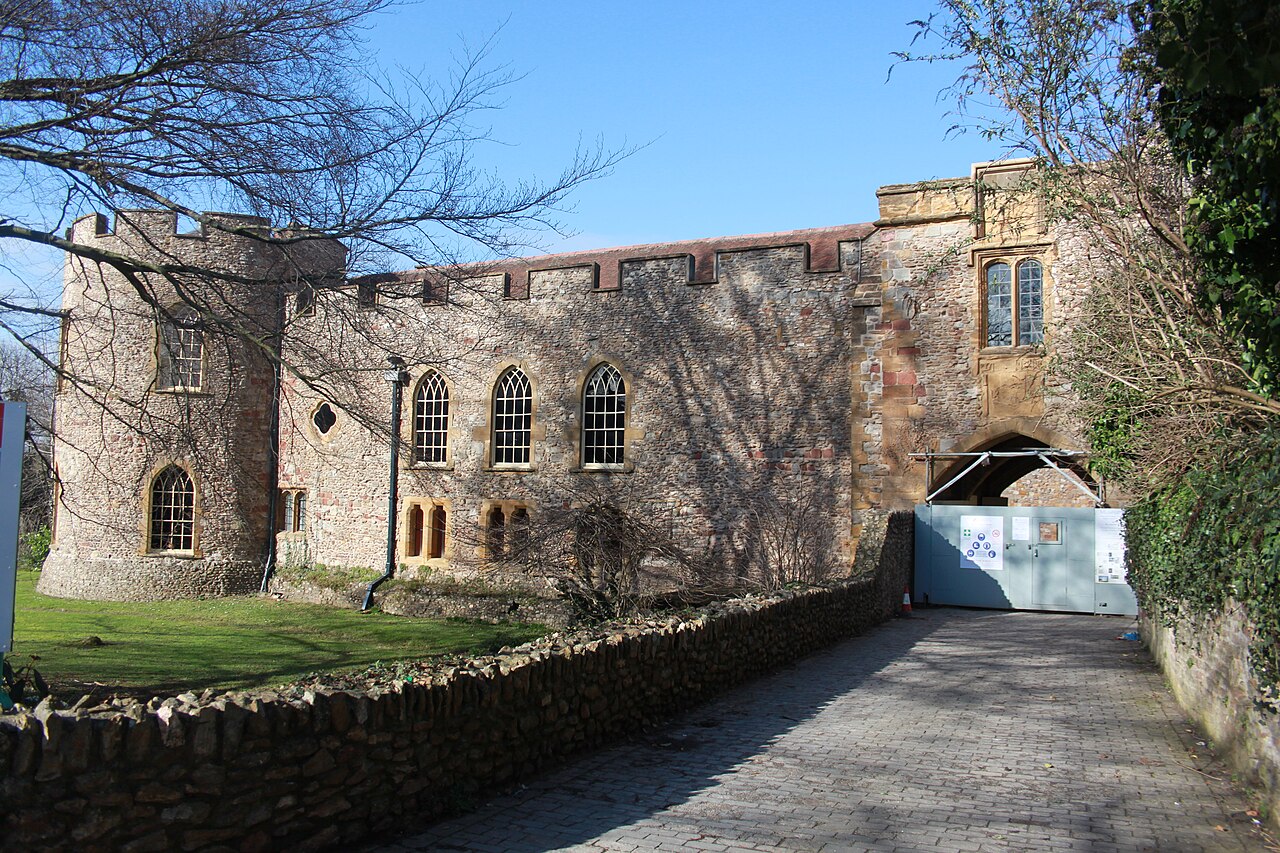
One of the most notable surviving elements of Stogursey Castle is its gatehouse, a key defensive feature that controlled access to the castle grounds. The gatehouse has been restored and is distinguished by its unusual thatched roof, a feature uncommon in medieval castles but indicative of later restoration choices aimed at preserving the structure's historical character while adapting it for modern use. The gatehouse today stands as a testament to the castle's enduring legacy and architectural significance.
Historical significance through the centuries
Despite reports suggesting that Stogursey Castle was destroyed by Yorkist forces during the Wars of the Roses in the 1450s, there is no documentary or archaeological evidence to confirm such destruction around 1457. The castle's military importance declined over time, particularly by the 17th century when a house was constructed within the castle's abandoned defensive walls, marking a shift from a fortress to a residential estate.
This house was later restored in the 1870s, reflecting Victorian interest in preserving historical buildings. However, by the late 20th century, much of the castle complex had fallen into ruin. Preservation efforts by organizations like the Landmark Trust helped stabilize and conserve the remaining structures, including the gatehouse and sections of the castle walls, ensuring that Stogursey Castle remains accessible and appreciated by visitors today.
Residential transformation and conservation
The 17th-century house within the castle enclosure illustrates the adaptive reuse of medieval fortifications as domestic residences once their military function had diminished. Restoration in the 19th century sought to maintain this house, but it eventually fell into disrepair before late 20th-century conservation efforts began. These efforts have been crucial in preserving the historical fabric of the site and enabling continued public engagement with this important heritage landmark.
Visiting stogursey castle today
Today, visitors to Stogursey Castle can explore the ruins and appreciate the remaining earthworks, moat, and restored gatehouse. The site offers insight into Norman military architecture, medieval history, and the evolution of castle design over several centuries. The juxtaposition of the original motte-and-bailey layout with later stone fortifications and residential adaptations provides a rich narrative of England's feudal past and architectural heritage.
While much of the castle is in a ruined state, the preserved gatehouse and earthworks allow visitors to visualize the castle's original defensive capabilities and its role within the local landscape. The water-filled moat remains a distinctive feature, highlighting the strategic use of natural resources in castle defense.
Architectural and historical importance
Stogursey Castle exemplifies the typical Norman approach to fortification with its motte-and-bailey design, later enhanced by stone construction during the medieval period. Its survival through orders of demolition and its transformation from a military fortress to a residential estate reflect broader trends in English castle history. The castle's association with notable historical figures and events, including King John and the First Barons’ War, adds to its cultural significance.
Conservation efforts have ensured that Stogursey Castle remains a valuable educational resource and tourist attraction, offering a tangible connection to England's medieval past and the architectural innovations that shaped the landscape of the British Isles.
Frequently asked questions (FAQ)
- When was Stogursey Castle originally built?
- Stogursey Castle was established shortly after the Norman Conquest, likely in the late 11th or early 12th century by the De Courcy family.
- What type of castle is Stogursey Castle?
- Stogursey Castle is a Norman motte-and-bailey castle, featuring a raised earthwork mound and enclosed courtyards.
- Is Stogursey Castle open to the public?
- Yes, the castle grounds and restored gatehouse are accessible to visitors, offering insight into medieval architecture and history.
- What remains can be seen at Stogursey Castle today?
- Visitors can see the earthwork motte, two bailey enclosures, the water-filled moat, and the restored gatehouse with its distinctive thatched roof.
- Was Stogursey Castle destroyed during the Wars of the Roses?
- There is no confirmed documentary or archaeological evidence that Stogursey Castle was destroyed by Yorkist forces during the Wars of the Roses.
Information
Sources & official resources
Verify the information above using these authoritative references.
Loading map...
Visitor reviews
No reviews yet. Been here? Write the first review and help other travelers!
Write the first reviewVisited this castle? Share your experience
Your review helps other travelers and adds first-hand knowledge to our encyclopedia.