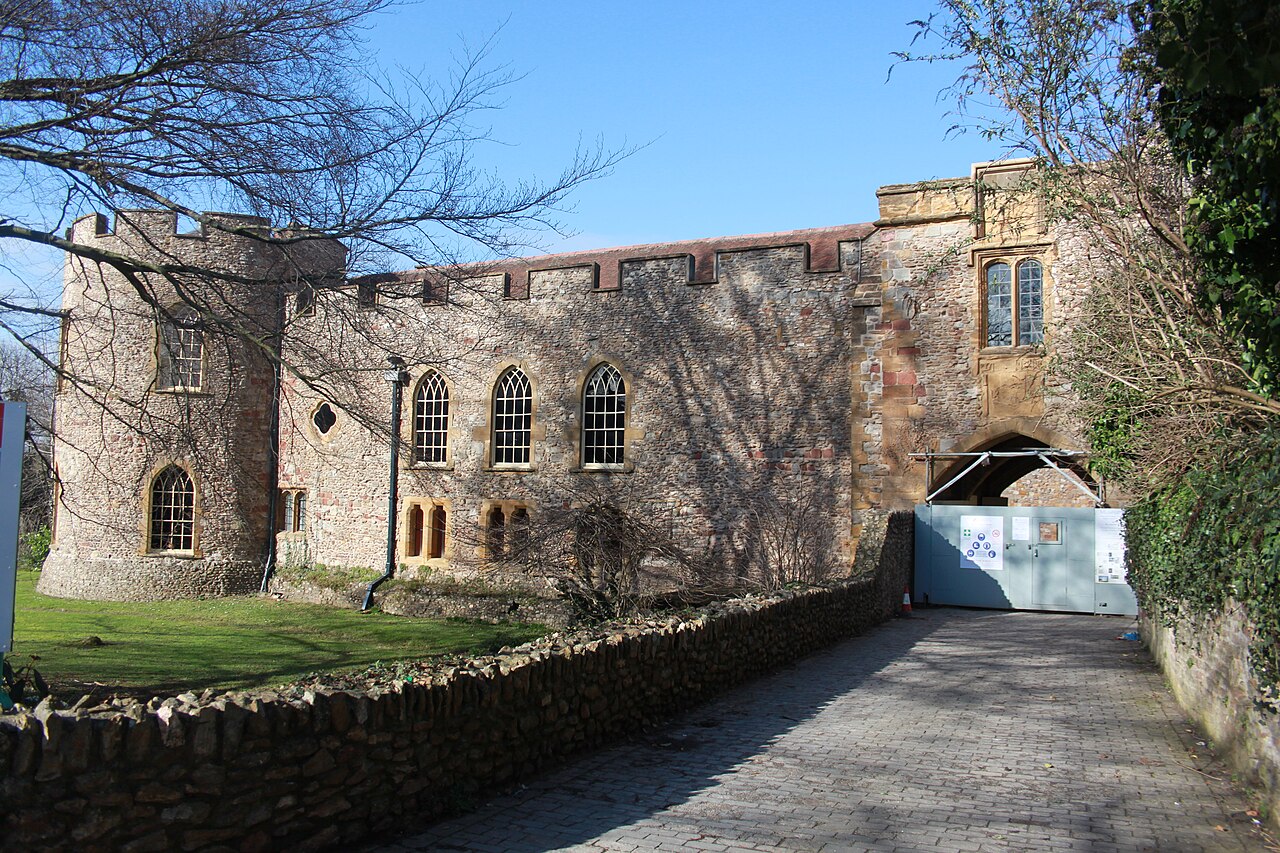
Castle Neroche
Castle Neroche stands as a remarkable testament to the layered history of fortifications in England, located near the village of Curland in Somerset. This site uniquely encapsulates a continuum of human occupation and defensive architecture spanning from the Iron Age through the Norman period, reflecting evolving military and administrative functions over centuries.
Originally constructed as an Iron Age hill fort, Castle Neroche occupies a commanding hilltop approximately 260 meters above the surrounding landscape, part of the northern escarpment of the Blackdown Hills. This elevated position provided strategic oversight of the region, a typical characteristic of hill forts designed as defended settlements during the prehistoric period. While direct archaeological evidence of the Iron Age occupation is somewhat limited, the discovery of Mesolithic flint tools nearby and a Bronze Age copper axe found in the 19th century attest to the area's long-standing human activity predating the fort's construction.
The iron age origins and prehistoric context
The hill fort at Castle Neroche is part of a broader tradition of prehistoric fortifications in southwest England. These earthworks typically consisted of large enclosing banks and ditches designed to protect communities and livestock. Castle Neroche's initial defenses exploited the natural topography, enhancing it with substantial ramparts to create a formidable barrier against potential attackers.
Such hill forts were not only military installations but also social and economic centers, serving as hubs for local populations. The presence of flint tools and metalwork nearby suggests a continuity of settlement and resource exploitation in the area, highlighting the site's importance long before the medieval period.
Norman transformation and medieval adaptations
Following the Norman Conquest of 1066, the site underwent significant transformation under the direction of Robert, Count of Mortain, William the Conqueror's half-brother. The Normans were known for their rapid construction of fortifications to consolidate control over England, and Castle Neroche was adapted into a typical Norman fortification style.
The initial Norman phase involved constructing a large rampart enclosing about three hectares (7.5 acres), likely incorporating and reinforcing the earlier Iron Age defenses. This extensive enclosure was unusual compared to many Norman castles, reflecting the site's existing scale and strategic value. Soon after, a smaller inner ringwork was added, providing a more secure and defensible core within the larger enclosure.
Subsequently, the castle evolved into a motte-and-bailey design, featuring a raised earth mound approximately six meters (20 feet) high, known as the motte. This motte was crowned with a fortified structure and complemented by a barbican—a defensive gateway outwork—positioned at one corner to control access and enhance security. The motte-and-bailey configuration was a hallmark of Norman military architecture, combining a strong central keep with an enclosed courtyard or bailey for support buildings and troops.
The anarchy and royal forest administration
Castle Neroche's military significance fluctuated during the 12th century. Its use declined in the early decades but resurged during the mid-12th century civil war known as The Anarchy, when its defensible position was strategically valuable. Later in the century, the castle transitioned to a more administrative role connected to the management of the surrounding royal forest.
Historical evidence suggests that Castle Neroche served as a base for officials tasked with enforcing forest law, particularly combating illegal hunting. This role is reflected in the castle's name, believed to derive from Old English terms related to hunting dogs, translating to "camp where hunting dogs were kept." This etymology also underpins the alternative historic name, Castle Rache.
Architectural features and surviving remains
The surviving earthworks of Castle Neroche provide a visible record of its complex history. The large enclosing ramparts from the Norman period, adapted from the prehistoric hill fort, remain prominent in the landscape. These earthworks consist of a substantial bank and ditch system that outline the extensive area protected by the castle's defenses.
Within this large enclosure lies the smaller ringwork, a circular or oval defensive earthwork that formed a secure inner stronghold. The motte, rising about six meters, is notable for its size and the presence of the barbican, which would have served as a critical defensive feature guarding the entrance. These features collectively illustrate the evolution of military architecture from the Iron Age through the Norman period.
Archaeological investigations and preservation
Excavations conducted in 1903 by archaeologist Harold St George Gray significantly advanced the understanding of Castle Neroche's development. These investigations helped clarify the sequence of construction phases and the relationship between prehistoric and medieval fortifications on the site.
Today, Castle Neroche is legally protected as a Scheduled Ancient Monument. The site is situated within a managed woodland area that conserves both the archaeological features and the natural environment. Visitors can explore walking trails that reveal the earthworks in situ, offering a tangible connection to the site's extensive history.
Cultural significance and visitor experience
Castle Neroche is an important cultural landmark that embodies the continuity of human settlement and defensive strategies in Somerset. Its layered history from prehistoric fort to Norman stronghold and royal forest base illustrates the dynamic use of landscape and architecture through time.
Visitors to Castle Neroche can appreciate the impressive scale of the earthworks and the strategic location that made it a significant fortification. The site's woodland setting enhances the experience, providing a serene environment for historical exploration and outdoor recreation.
Interpretive signage and guided walks help contextualize the castle's history, making it accessible to a wide audience interested in archaeology, medieval history, and landscape heritage. The preservation of Castle Neroche ensures that this remarkable site continues to educate and inspire future generations.
Frequently asked questions (FAQ)
- How do I get to Castle Neroche?
- Castle Neroche is located near the village of Curland in Somerset. Visitors typically access the site via local roads and walking trails through the surrounding woodland.
- What is the historical significance of Castle Neroche?
- Castle Neroche is significant for its layered history as an Iron Age hill fort later transformed into a Norman motte-and-bailey castle, illustrating centuries of defensive architecture.
- Can I explore the castle remains on foot?
- Yes, walking trails are available around Castle Neroche, allowing visitors to view the extensive earthworks and understand the site's historical layout.
- When was Castle Neroche built?
- The site originated as an Iron Age hill fort, with major Norman construction occurring in the 11th and 12th centuries.
- Is Castle Neroche accessible year-round?
- The site is open year-round, but visitors should check local conditions as the woodland terrain can be uneven and muddy, especially in wet weather.
Information
Website
Visit websiteSources & official resources
Verify the information above using these authoritative references.
Loading map...
Visitor reviews
No reviews yet. Been here? Write the first review and help other travelers!
Write the first reviewVisited this castle? Share your experience
Your review helps other travelers and adds first-hand knowledge to our encyclopedia.