Tateyama Castle
Tateyama Castle (館山城, Tateyama-jō) is a historic Japanese hill castle located in Tateyama city, in the southern part of Chiba Prefecture, Japan. Constructed in the 16th century during the Sengoku period, the castle played a significant role in regional power struggles and governance. It is notably associated with the Satomi clan, former rulers of Awa Province, and later served as the seat of the Inaba clan, daimyō of the Tateyama Domain at the end of the Edo period.
Historical context and significance
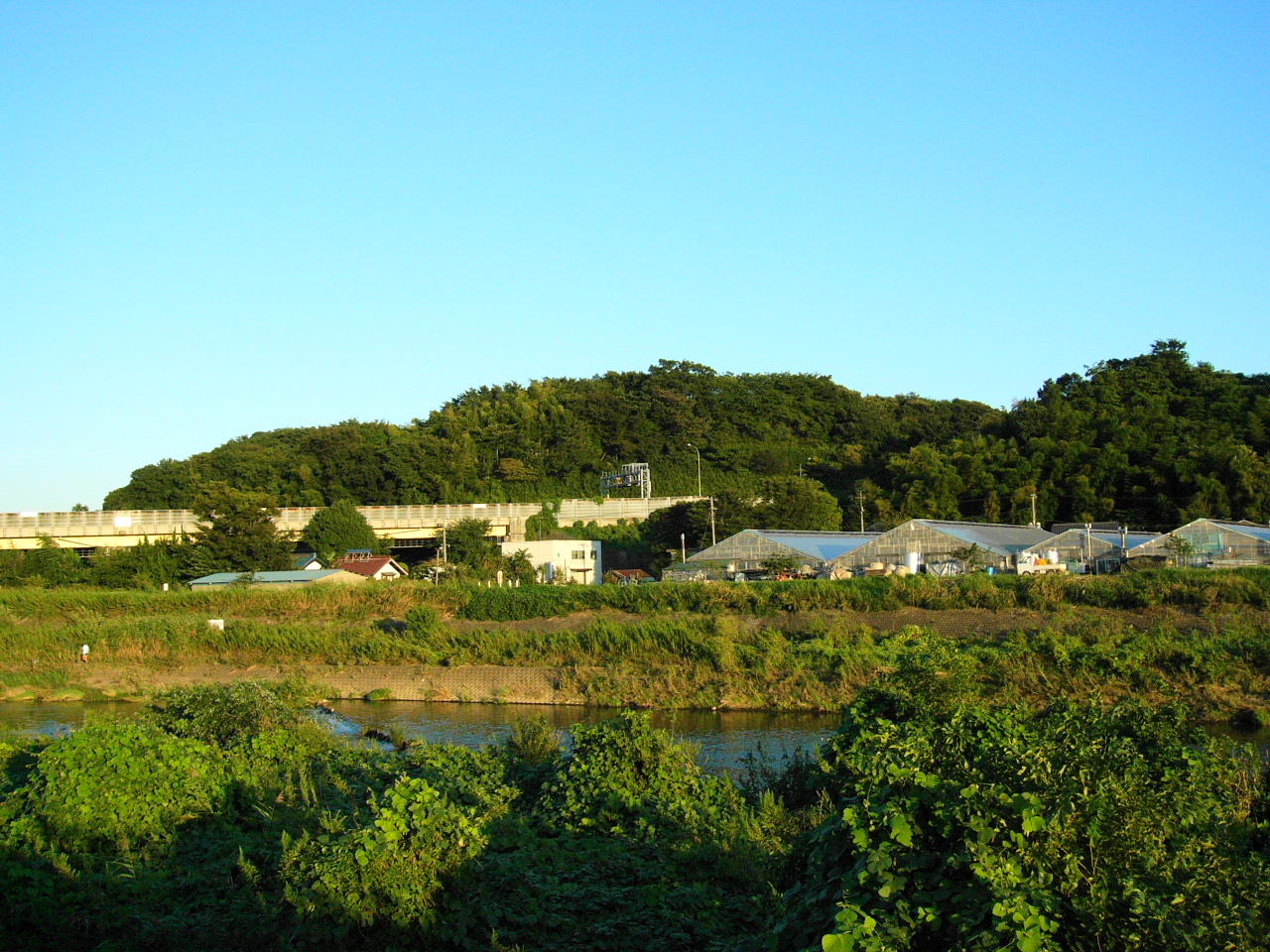
Tateyama Castle was originally built as a strategic fortification during a turbulent era marked by frequent conflicts among samurai clans vying for control over the Boso Peninsula region. The castle's location on a hill provided a tactical advantage for defense and surveillance of the surrounding areas. The Satomi clan, who dominated the region in the late 16th century, used Tateyama Castle as a stronghold to consolidate their power and defend their territories against rival clans.
Following the unification of Japan under the Tokugawa shogunate, the castle became the administrative center for the Tateyama Domain. The Inaba clan governed from Tateyama Castle during the Edo period, overseeing local affairs and maintaining the castle as a symbol of their authority.
Architectural features and layout
The castle exemplifies characteristics typical of hill castles (yamashiro) of the Sengoku period, with defensive walls, moats, and multiple baileys arranged along the natural contours of the hill. The complex included a main keep (tenshu), watchtowers, gates, and stone walls designed to repel attackers and withstand sieges.
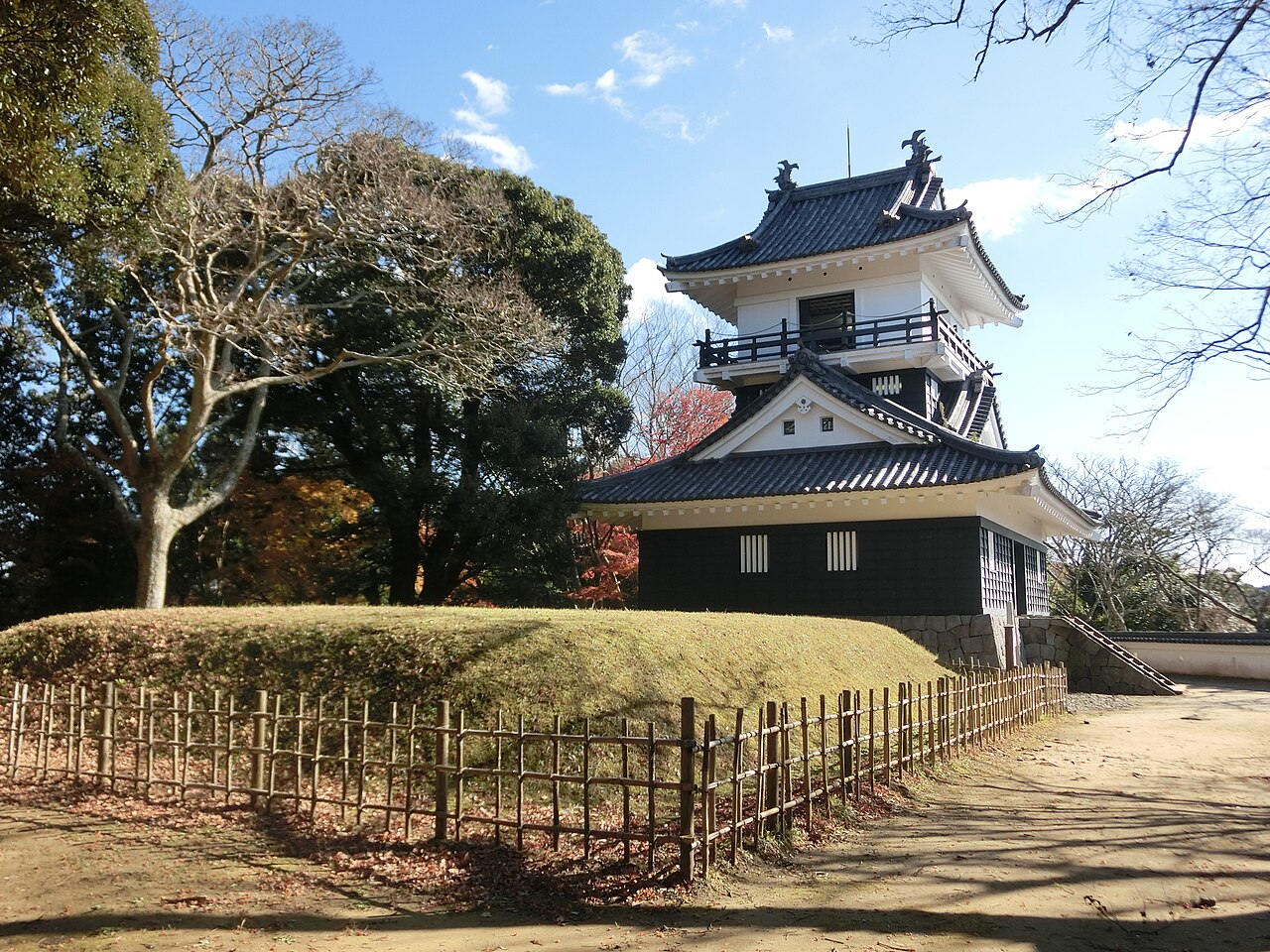
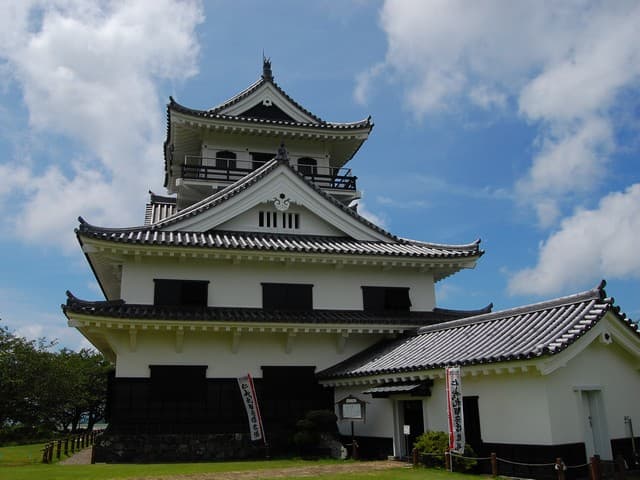
Although the original structures were largely dismantled during the Meiji Restoration, the castle's site retains remnants of its fortifications and earthworks. Some buildings have been reconstructed to preserve the castle's historical appearance, including a reconstructed tenshu that serves as a museum showcasing local history and samurai culture.
Defensive design
The castle's design leveraged the natural elevation, with steep slopes and layered defensive enclosures. The moats and stone walls were strategically placed to create multiple lines of defense. Narrow pathways and gates controlled access, forcing potential attackers into vulnerable positions.
Cultural and historical legacy
Tateyama Castle remains a cultural landmark in Chiba Prefecture, attracting visitors interested in Japan's feudal history and castle architecture. The castle grounds host seasonal events and festivals that celebrate the region's samurai heritage. The museum within the reconstructed keep offers educational exhibits on the Satomi clan, the Inaba clan, and the broader history of the Boso Peninsula.
The castle's alternative name, Nekoya-jō (根古屋城), reflects local historical references and adds to its cultural identity. Despite the partial loss of original structures, Tateyama Castle's site provides valuable insights into Japanese castle construction techniques and the socio-political dynamics of the Sengoku and Edo periods.
Visiting information
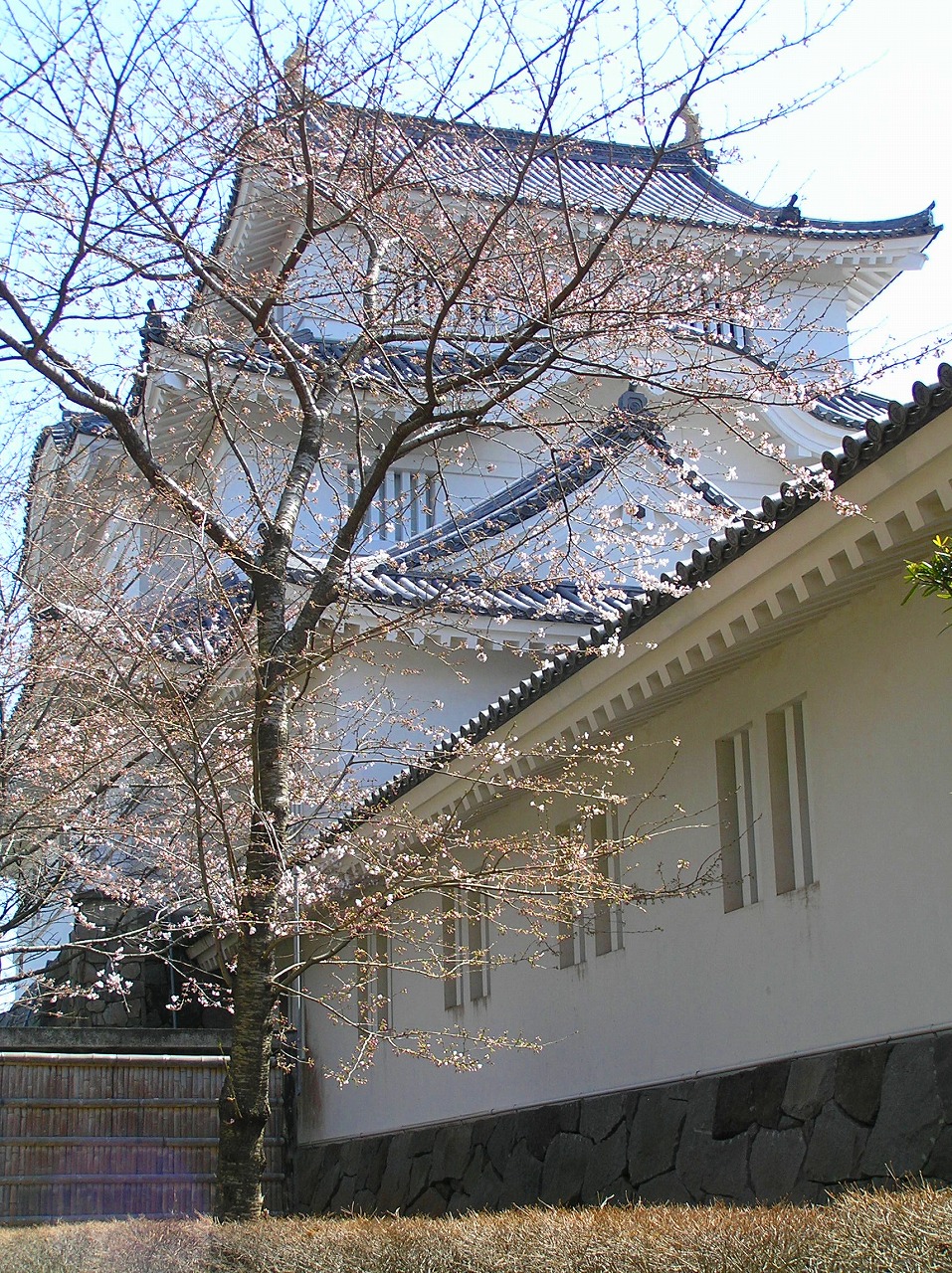
The castle is accessible to the public, with walking paths around the grounds and access to the reconstructed keep museum. Visitors can explore the remaining fortifications and enjoy panoramic views of Tateyama city and the surrounding landscape. The site is especially popular during cherry blossom season and autumn foliage.
Facilities include informational signage in multiple languages, guided tours, and a gift shop offering local crafts and historical literature. The castle's location in southern Chiba makes it a convenient day trip from Tokyo and other major cities.
Photo gallery

Information
Loading map...
Visitor reviews
No reviews yet. Been here? Write the first review and help other travelers!
Write the first reviewVisited this castle? Share your experience
Your review helps other travelers and adds first-hand knowledge to our encyclopedia.