Kururi Castle
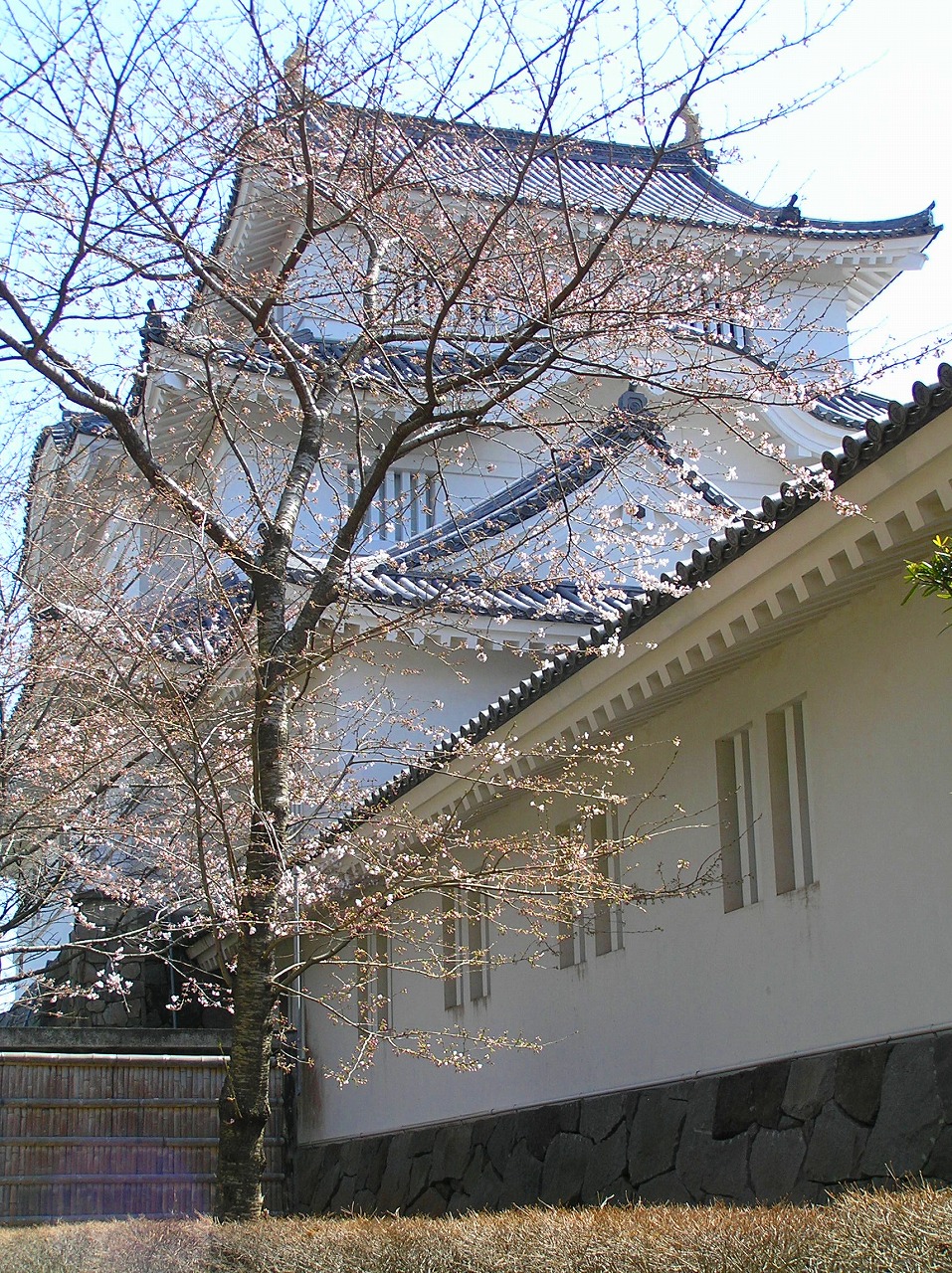
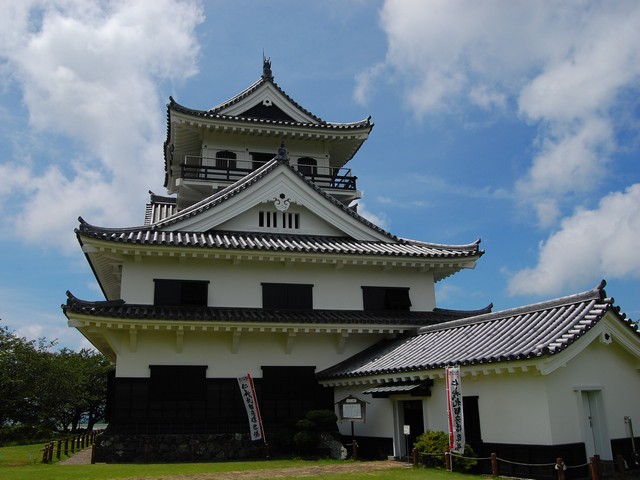
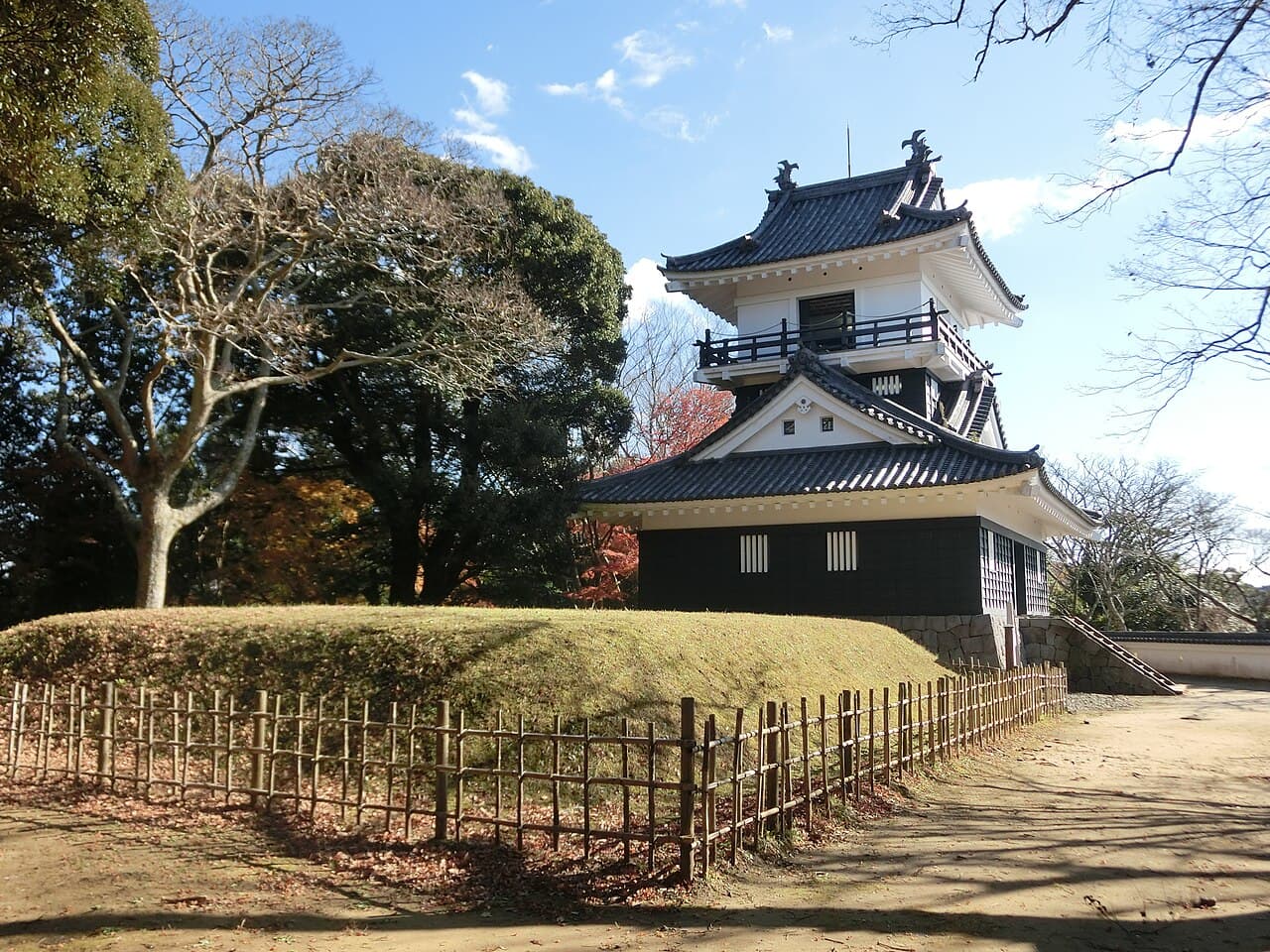
Kururi Castle (久留里城, Kururi-jō) is a historic hill castle located in Kimitsu, in the southern part of Chiba Prefecture, Japan. Nestled on a 227-meter hill, this castle played a significant role during the late medieval period and the Edo period. It was the seat of a branch of the Kuroda clan, who were the daimyō of the Kururi Domain. The castle is famously nicknamed Rain Castle (雨城, U-jō) due to a local legend stating that it rained twenty-one times during its construction, averaging a rain event every three days.
Historical background and significance
Kururi Castle's origins date back to the 15th century, situating it firmly within Japan's late medieval period. It was originally built as a defensive stronghold in the region, overseeing the strategic approaches to the Bōsō Peninsula. Its location on a hill provided a natural vantage point for surveillance and defense against rival clans and external threats.
During the Edo period (1603–1868), the castle became the administrative center of the Kururi Domain, governed by the Kuroda clan. This period marked a time of relative peace under the Tokugawa shogunate, and Kururi Castle functioned more as a symbol of feudal authority and governance rather than a fortress engaged in frequent warfare.
Architectural features and layout
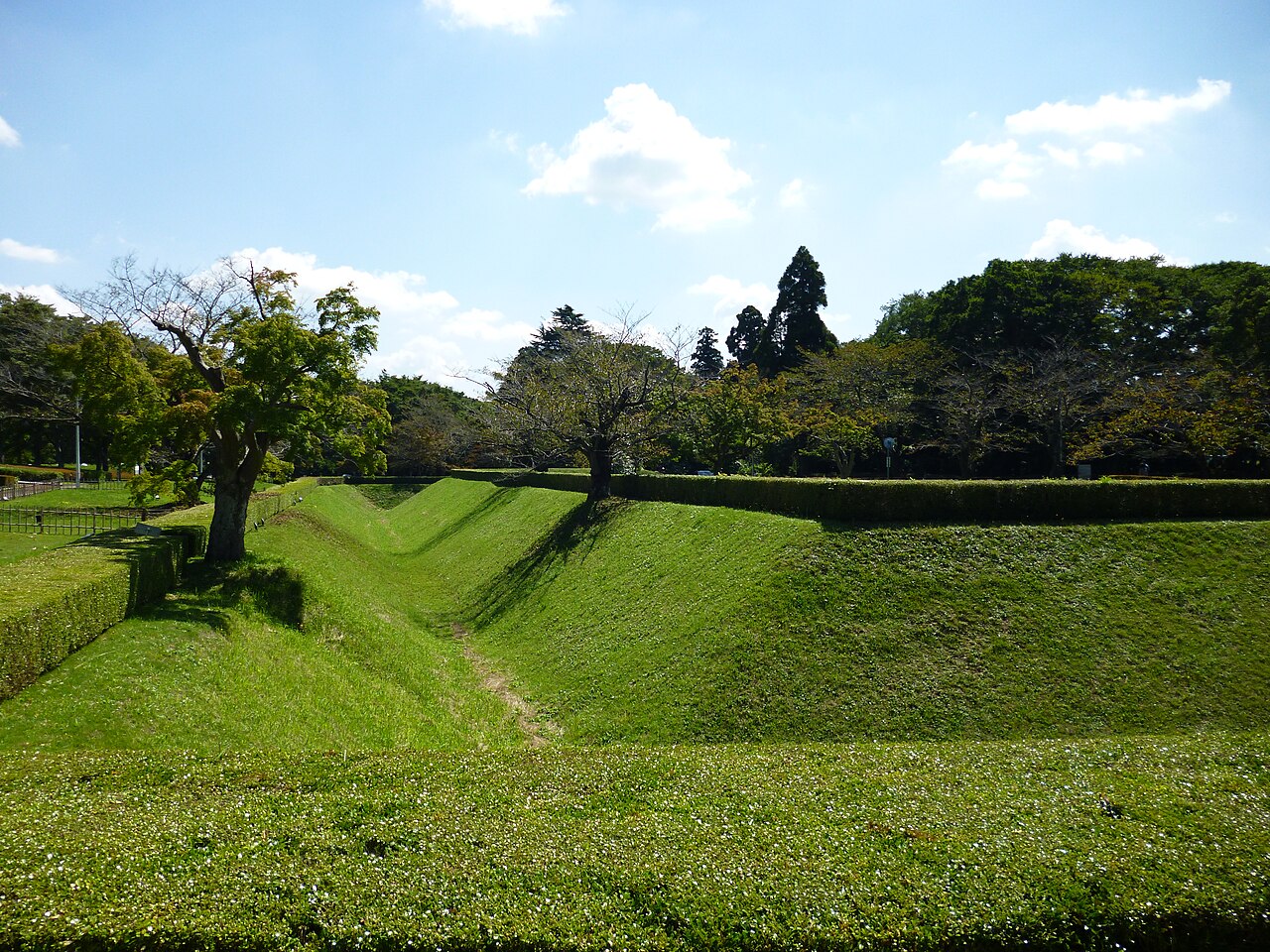
The castle exemplifies typical hill castle design, adapted to the natural terrain of the hilltop. It featured multiple defensive layers including stone walls, earthen ramparts, and a moat that enhanced its protection. The main keep (tenshu) was constructed to oversee the surrounding landscape, although the original tenshu was relatively modest compared to larger castles in Japan.
The castle grounds included gates, watchtowers, and residential quarters for the daimyō and his retainers. The layout was designed to maximize defensive capabilities while providing functional living and administrative spaces. The castle's courtyards and pathways were carefully planned to control access and movement within the complex.
Rain castle legend and cultural impact
The nickname Rain Castle stems from an enduring local legend that during the castle's construction, it rained twenty-one times, roughly once every three days. This story has contributed to the castle's cultural identity and is often cited in regional histories and tourism materials. The frequent rains are said to have challenged the builders but also added a mystical aura to the site.
Modern status and preservation
Today, Kururi Castle is partially restored and serves as a cultural and historical attraction. The castle grounds are accessible to visitors, who can explore the reconstructed sections and enjoy panoramic views from the hilltop. Efforts have been made to preserve the remaining structures and to maintain the castle's historical ambiance.
The castle is managed locally, with ongoing preservation work to protect its heritage. It is a popular destination for those interested in Japanese castle architecture, feudal history, and scenic landscapes in Chiba Prefecture.
Visiting kururi castle
Visitors to Kururi Castle can enjoy walking trails leading up the hill and explore the castle grounds. The site offers educational signage detailing the castle's history and architectural features. The best time to visit is during the spring and autumn months when the weather is mild and the surrounding nature is at its most vibrant.
Nearby attractions
In addition to Kururi Castle, the Kimitsu area offers other attractions such as local temples, parks, and traditional Japanese gardens. The region's natural beauty complements the historical experience of the castle visit.
Frequently asked questions
- When was Kururi Castle built? Kururi Castle was originally constructed in the 15th century during Japan's late medieval period.
- What is the significance of the name "Rain Castle"? The name comes from a legend that it rained twenty-one times during the castle's construction, symbolizing frequent rain and adding to its cultural identity.
- Is Kururi Castle open to visitors? Yes, the castle grounds are open to the public with partially restored structures and scenic views.
- What type of castle is Kururi Castle? It is classified as a hill castle, built on a natural elevation for defensive advantage.
- Who controlled Kururi Castle during the Edo period? The Kuroda clan, as daimyō of the Kururi Domain, governed the castle during the Edo period.
- Are there any special events held at Kururi Castle? The castle occasionally hosts cultural events and historical reenactments, especially during local festivals.
- How can I get to Kururi Castle? Kururi Castle is located in Kimitsu, Chiba Prefecture, accessible by local transportation and hiking trails.
Frequently asked questions (FAQ)
- How do I get to Kururi Castle?
- You can reach Kururi Castle by taking a train to Kimitsu Station and then a short bus ride or a 30-minute walk to the castle site. The castle is located in a scenic area, making the journey enjoyable for visitors. Public transportation options are available, and parking is provided for those who prefer to drive.
- What is the historical significance of Kururi Castle?
- Kururi Castle, built in the late 16th century, played an important role during the Sengoku period as a strategic military fortress. It served as a residence for various feudal lords and witnessed numerous battles. Today, it stands as a testament to Japan's rich history and cultural heritage.
- When was Kururi Castle constructed?
- Kururi Castle was constructed in 1580 by the Satomi clan during the tumultuous Sengoku period. The castle was strategically designed to control the surrounding area and has been preserved as a historical site, allowing visitors to step back in time and explore its significance.
- Can I explore the interior of Kururi Castle?
- Unfortunately, the interior of Kururi Castle is not open to the public as it primarily consists of ruins. However, visitors can explore the outer grounds, enjoy the stunning views, and see the remnants of the castle walls and surrounding gardens. Guided tours are available to provide insights into its history.
- Why is Kururi Castle a popular tourist destination?
- Kururi Castle attracts visitors due to its historical significance, scenic views, and well-preserved ruins. It offers a unique glimpse into Japan's feudal past and is surrounded by beautiful natural landscapes, making it an ideal spot for photography and leisurely walks. Additionally, its proximity to other historical sites enhances its appeal.
- Is it possible to visit Kururi Castle year-round?
- Yes, Kururi Castle is open to visitors year-round, although seasonal changes can affect the experience. Spring brings beautiful cherry blossoms, while autumn offers stunning foliage, making different times of the year particularly scenic. However, it’s advisable to check the weather and any potential closures before planning your visit.
- What are the opening hours for Kururi Castle?
- Kururi Castle is generally open from 9 AM to 5 PM, with extended hours during the peak tourist seasons. Visitors should check the official website or local tourism information for any changes to hours or special events. Early morning visits are recommended for a quieter experience.
- Are there any ticket prices for visiting Kururi Castle?
- Entry to Kururi Castle is free, allowing everyone to appreciate its historical architecture and surrounding nature. Some special events or guided tours may have associated fees, so it’s best to verify in advance. This makes it an accessible destination for history enthusiasts and casual visitors alike.
- What nearby attractions can I visit after Kururi Castle?
- After visiting Kururi Castle, you can explore other nearby attractions such as the Kimitsu Historical Museum and the scenic shores of Tokyo Bay. The area also features beautiful parks and hiking trails, perfect for nature lovers. Local restaurants and shops provide a chance to experience the regional culture and cuisine.
Photo gallery

Photo by Abasaa•Public domain
Information
Loading map...
Visitor reviews
No reviews yet. Been here? Write the first review and help other travelers!
Write the first reviewVisited this castle? Share your experience
Your review helps other travelers and adds first-hand knowledge to our encyclopedia.