Tate Castle Ruins
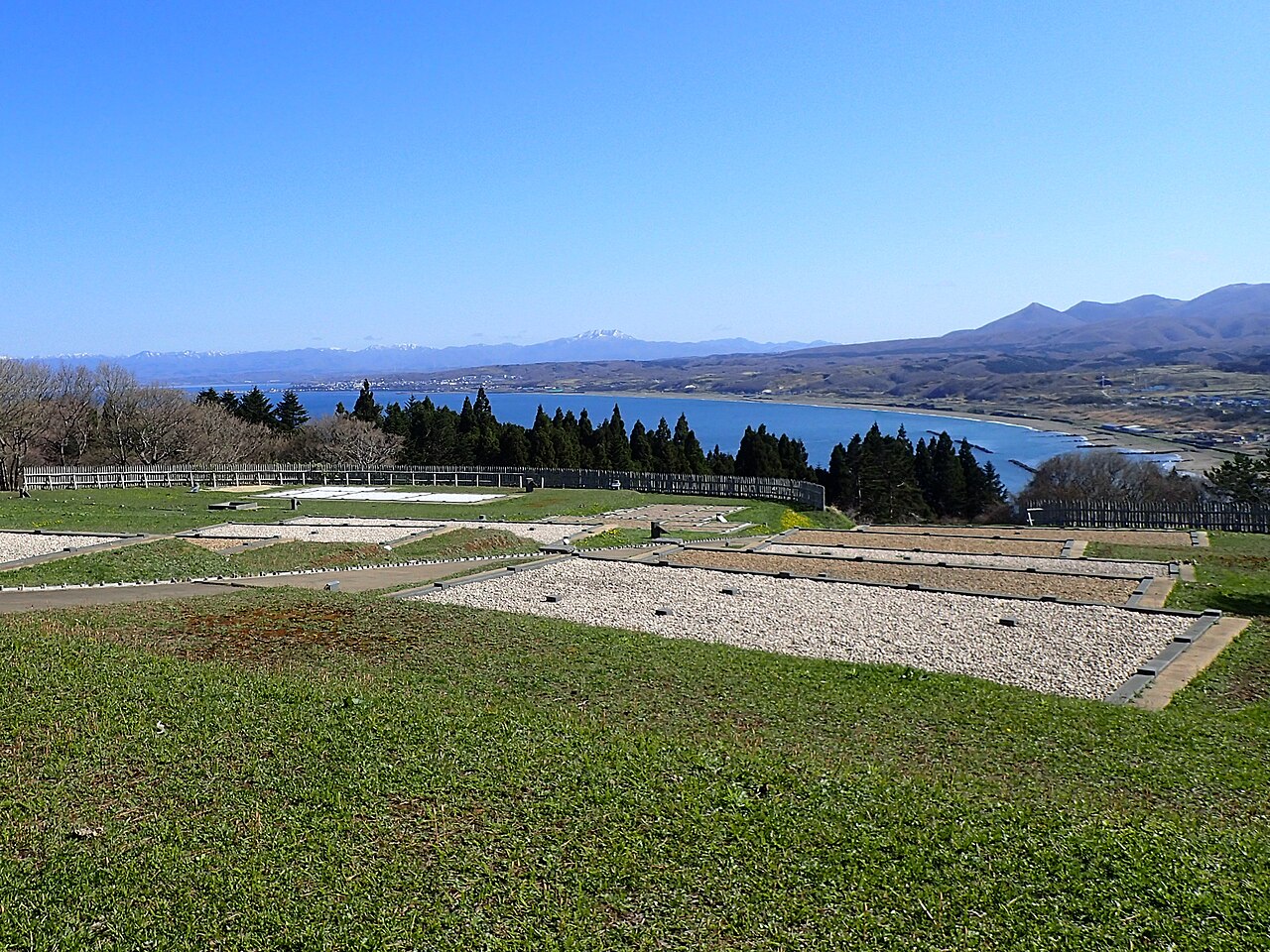
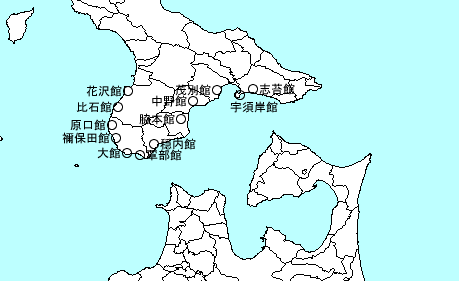
Tate Castle ruins are situated on a small hill in Assabu town, northwest of Hakodate city in Japan's northernmost island of Hokkaido. Surrounded by expansive fields, these ruins mark the site of a historically significant fortress that was the last stronghold of the Matsumae clan, the daimyo of the Matsumae Domain during the Edo period. This castle is notable for being considered the last Japanese-style castle constructed in Japan, reflecting architectural and cultural traditions that persisted into the early modern era.
Historical background and significance
Constructed in the 17th century, Tate Castle played a pivotal role during the Edo period as the Matsumae clan's final bastion. The Matsumae were unique among daimyo for governing the northern frontier of Japan, overseeing relations with the indigenous Ainu people and defending against potential foreign incursions. The castle's strategic location on a hill provided a vantage point for surveillance and defense in the region.
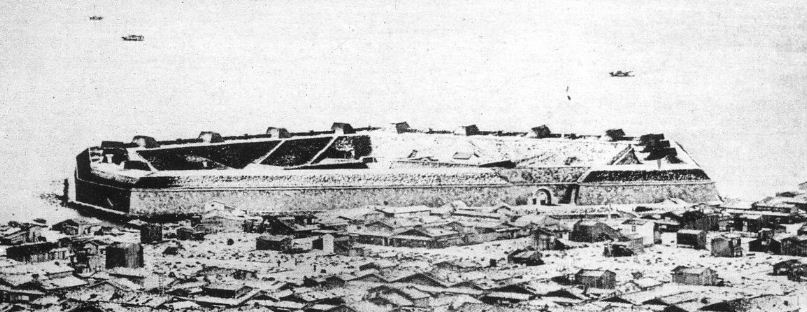
During the Meiji Restoration, a period of profound political upheaval and modernization in Japan, Tate Castle became a site of conflict. It was attacked by forces loyal to the old Shogunate, resisting the new imperial government. The siege lasted approximately 75 days after the castle's construction, marking a significant episode in the turbulent transition from feudal to modern Japan. Following this conflict, the castle was not rebuilt, leading to its current status as ruins.
Architectural features and layout
While much of Tate Castle lies in ruins today, the site offers insights into traditional Japanese castle architecture adapted for Hokkaido's environment. The castle was built on a small hill, utilizing natural elevation for defense. The layout likely included typical features such as stone walls, moats, gates, and watchtowers, although detailed records and surviving structures are limited.
The castle's design reflects the Japanese style prevalent during the Edo period, emphasizing wooden construction, layered defensive works, and integration with the surrounding landscape. The use of cherry trees planted around the site today evokes the cultural symbolism often associated with Japanese castles, blending natural beauty with historical legacy.
Current condition and visitor experience
Today, Tate Castle exists as ruins with no significant reconstruction, preserving its historical authenticity. Visitors can access a parking area along the nearby road, and the grounds are adorned with cherry trees that bloom seasonally, enhancing the site's scenic appeal. A small museum near the site provides limited information about the castle's history and the Matsumae clan.
The site hosts the annual Tatejo-ato Festival on the second Sunday in June, featuring reenactments of the Hakodate War staged for visitors. This event offers a cultural and historical experience, connecting visitors with the castle's past through live performances.
Admission to the site is free, and parking is available at no charge, making Tate Castle ruins an accessible destination for those interested in Japanese history and castle architecture.
Cultural and historical importance
Tate Castle stands as a testament to the historical legacy of the Matsumae clan and the unique role they played in Japan's northern frontier during the Edo period. Its status as the last Japanese-style castle constructed underscores its architectural and cultural significance. The castle's involvement in the Meiji Restoration conflicts highlights its place in the broader narrative of Japan's transition from feudalism to modernity.
Despite its ruined condition, Tate Castle remains a valuable cultural heritage site, offering insights into regional history, military architecture, and the complex dynamics of Japan's northern domains. The preservation of the site and the annual festival contribute to ongoing public engagement with this important chapter of Japanese history.
Frequently asked questions (FAQ)
- How do I get to Tate Castle Ruins?
- Tate Castle Ruins are located in Assabu, Japan, and can be reached by public transport or car. If you are using public transport, take a train to Assabu Station and then a short bus ride to the castle site. Parking is available for those who choose to drive.
- What is the historical significance of Tate Castle?
- Tate Castle, originally built in the late 16th century, served as a strategic stronghold during the feudal period in Japan. It is an important site that reflects the architectural styles and military strategies of the time. Today, it stands as a reminder of Japan's rich history and cultural heritage.
- When was Tate Castle Ruins constructed?
- The construction of Tate Castle began in 1583 under the rule of the Nanbu clan. It was completed shortly thereafter and played a crucial role in the region's defense for several generations. The ruins that remain today tell the story of its historical importance.
- Can I enter the castle ruins?
- Yes, visitors can explore the ruins of Tate Castle. While some areas may be restricted for safety reasons, there are designated paths and viewpoints where you can enjoy the historical architecture and scenic views. Be sure to follow any guidelines provided on-site.
- Why is Tate Castle Ruins a popular tourist destination?
- Tate Castle Ruins attract visitors due to their historical significance and stunning location. The remnants of the castle offer a glimpse into Japan's feudal past, and the surrounding landscape provides beautiful views, especially during cherry blossom season. It’s a perfect spot for both history enthusiasts and nature lovers.
- Is it possible to visit Tate Castle Ruins year-round?
- Yes, Tate Castle Ruins are open to visitors throughout the year. However, the best time to visit is during the spring and autumn months when the weather is mild and the natural scenery is at its most beautiful. Be sure to check local conditions and any seasonal events that may enhance your visit.
- What are the opening hours for Tate Castle Ruins?
- The ruins are typically open to visitors from 9 AM to 5 PM, but hours may vary seasonally. It’s advisable to check the official website or local resources for the most current information before planning your visit. Remember that some areas may close earlier or be inaccessible during inclement weather.
- Are there any nearby attractions to visit?
- Yes, there are several attractions near Tate Castle Ruins, including local museums and parks that showcase the region's history and natural beauty. Visitors can also explore nearby temples and traditional Japanese gardens, making it a perfect stop for a day of cultural exploration. Don’t forget to try local cuisine at nearby restaurants!
- What are the ticket prices for visiting Tate Castle Ruins?
- Admission to Tate Castle Ruins is generally free of charge, making it an accessible destination for all visitors. However, special guided tours or events may have a fee, so it's worth checking in advance if you are interested in a more in-depth experience. Donations to support the site's preservation are often welcomed.
Information
Loading map...
Visitor reviews
No reviews yet. Been here? Write the first review and help other travelers!
Write the first reviewVisited this castle? Share your experience
Your review helps other travelers and adds first-hand knowledge to our encyclopedia.