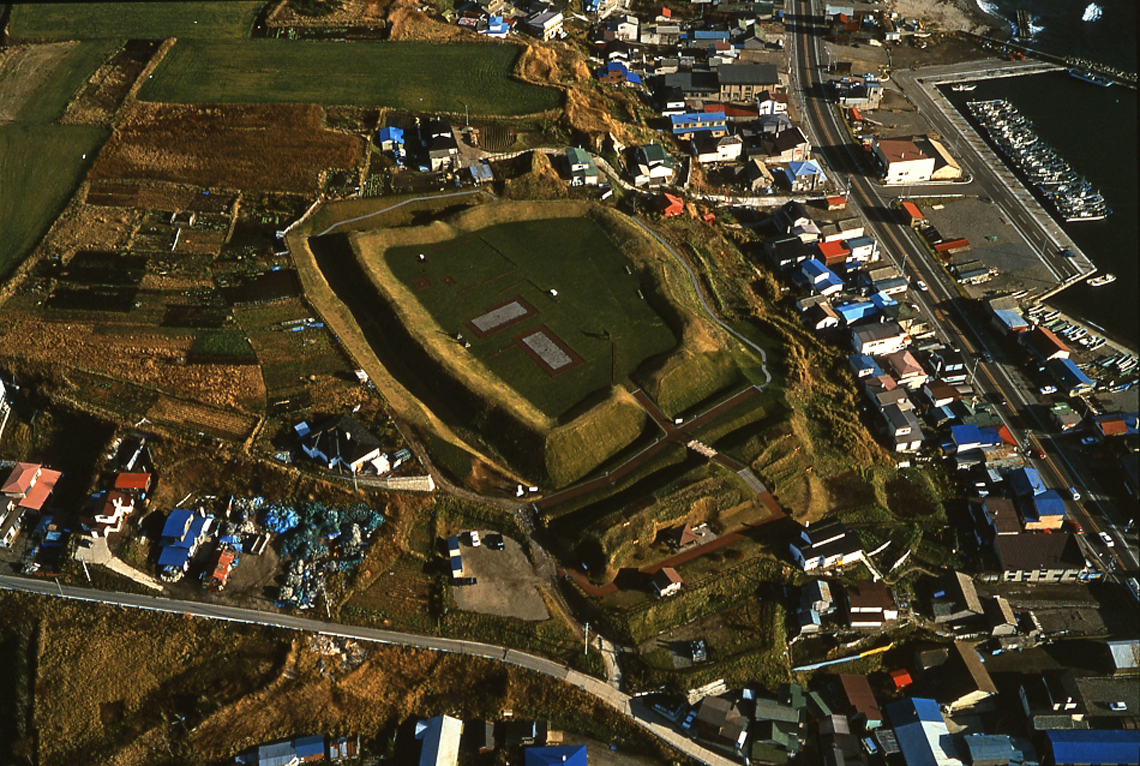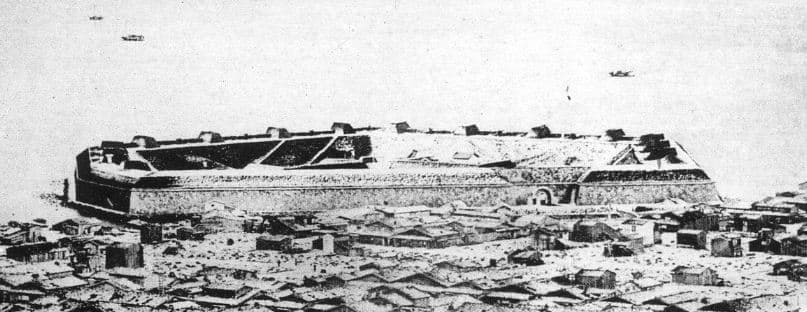
Benten Daiba (弁天台場) is a significant 19th-century bastioned fortress located in what is now Benten-chō (弁天町), Hakodate City, Hokkaido, Japan. Constructed during the late Edo period, this coastal battery was part of a strategic network of fortifications designed to protect the northern territories of Ezo (modern-day Hokkaido) from increasing foreign naval incursions. Its location on the coast of Hakodate Bay provided a commanding position to monitor and defend against foreign ships attempting to enter the port.
Historical context and strategic importance
During the Bakumatsu period (the final years of the Edo period), Japan faced mounting pressure from Western powers seeking to open its ports to trade. The opening of Hakodate Port in particular heightened security concerns, prompting the Tokugawa shogunate to enhance coastal defenses. Benten Daiba was rebuilt and expanded during this time to serve as a key element in the defense system protecting Hakodate Bay and the surrounding region.
The fortress was part of a broader effort to modernize Japan's military infrastructure in response to the threat posed by foreign naval vessels. Its construction reflects the transitional period in Japanese military architecture, combining traditional Japanese defensive elements with influences from Western fortification design, particularly the use of bastions to improve defensive coverage.
Architectural features and design
Benten Daiba was originally a small-scale Japanese-style battery but was reconstructed as a bastioned fortress under the guidance of Takeda Ayasaburō (武田 斐三郎), a prominent military engineer and architect of the period. Takeda was known for integrating Western military engineering principles into Japanese fortifications, and his design for Benten Daiba incorporated angled bastions that allowed defenders to cover adjacent walls with overlapping fields of fire, a hallmark of bastioned fortifications.
The fortress featured thick earthen ramparts faced with stone, designed to absorb and deflect cannon fire. The layout included gun emplacements strategically positioned to cover the approaches to Hakodate Bay. The use of bastions allowed for a more effective defense against both naval bombardment and potential land assaults.
The coastal location meant that the fortress was also equipped with facilities to support artillery operations, including ammunition storage and barracks for the garrison. The design balanced functional military needs with the constraints of the terrain and the available construction technology of the late Edo period.
Role in the hakodate war
Benten Daiba played a crucial role during the Hakodate War (箱館戦争), the final conflict of the Boshin War that pitted the forces of the Tokugawa shogunate against those of the newly established Meiji government. As one of the key defensive positions for the former-shogunate forces (旧幕府軍), the fortress was the site of intense fighting.
The defenders utilized the bastioned design to mount a determined resistance against the Meiji government's naval fleet, which sought to capture Hakodate and consolidate control over Hokkaido. Despite fierce battles, including artillery exchanges and infantry assaults, the fortress eventually fell, marking a significant step in the Meiji government's victory and the end of Tokugawa rule.
Legacy and preservation
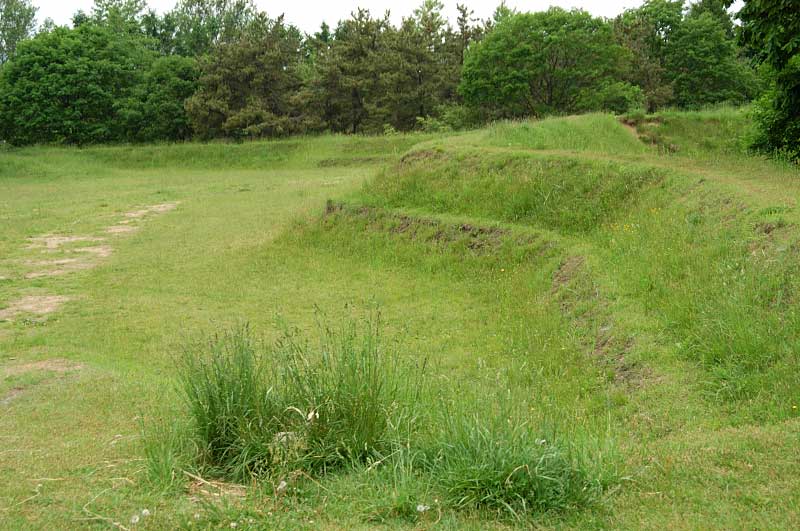
Today, Benten Daiba remains an important cultural and historical site in Hakodate. While the fortress is no longer intact as a fully functional military installation, its remnants provide valuable insight into late Edo period military architecture and Japan's response to foreign threats during a time of national transition.
The site is preserved as part of Hakodate's heritage and serves as a point of interest for visitors interested in Japan's military history and the Boshin War. Interpretive displays and walking paths allow visitors to explore the remains of the bastioned walls and gun emplacements, offering a tangible connection to the turbulent period of Japan's modernization.
Takeda ayasaburō and his influence
Takeda Ayasaburō was instrumental in introducing Western-style military engineering to Japan. His work on Benten Daiba exemplifies the fusion of traditional Japanese fortification methods with European bastioned designs. Takeda's contributions extended beyond this fortress, influencing the modernization of Japan's military defenses during the late Edo and early Meiji periods.
Frequently asked questions (FAQ)
- What is Benten Daiba?
- Benten Daiba is a historic fortification located in Japan, built during the Edo period. It was designed to protect Tokyo Bay from potential naval attacks and is an important symbol of Japan's military history.
- When was Benten Daiba constructed?
- Benten Daiba was constructed in 1856 as part of a series of coastal fortifications. Its construction was part of Japan's efforts to modernize its military defenses during a period of increasing Western influence.
- What are the opening hours for Benten Daiba?
- Benten Daiba is open to visitors from 9 AM to 5 PM daily. It is recommended to check for any seasonal changes in hours or special events that may affect visiting times.
- Can I access Benten Daiba using public transportation?
- Yes, Benten Daiba is accessible via public transportation. The nearest train station is a short walk away, making it convenient for visitors to reach this historical site.
- Is it possible to enter the castle grounds?
- Yes, visitors are allowed to enter the grounds of Benten Daiba. However, access to certain areas may be restricted, so it's advisable to check for any guidelines upon arrival.
- What is the best time to visit Benten Daiba?
- The best time to visit Benten Daiba is during the spring and autumn months when the weather is mild and the surrounding scenery is beautiful. Additionally, visiting during these seasons allows you to enjoy local festivals and events.
- Are there any nearby attractions to Benten Daiba?
- Yes, nearby attractions include the Odaiba waterfront area, which offers shopping, dining, and entertainment options. The teamLab Borderless museum and the iconic Rainbow Bridge are also within close proximity.
- What are the ticket prices for visiting Benten Daiba?
- Admission to Benten Daiba is generally free; however, certain guided tours or special events may have associated fees. It’s advisable to check the official website for the most current information on ticketing.
- Why is Benten Daiba significant in Japanese history?
- Benten Daiba holds historical significance as it represents Japan's shift towards modernization during the late Edo period. It played a crucial role in the country's coastal defense strategy against foreign threats and is a testament to Japan's architectural and military advancements of that era.
Photo gallery

Photo by published by unknown•Public domain
Information
Loading map...
Visitor reviews
No reviews yet. Been here? Write the first review and help other travelers!
Write the first reviewVisited this castle? Share your experience
Your review helps other travelers and adds first-hand knowledge to our encyclopedia.