Jalali Castle
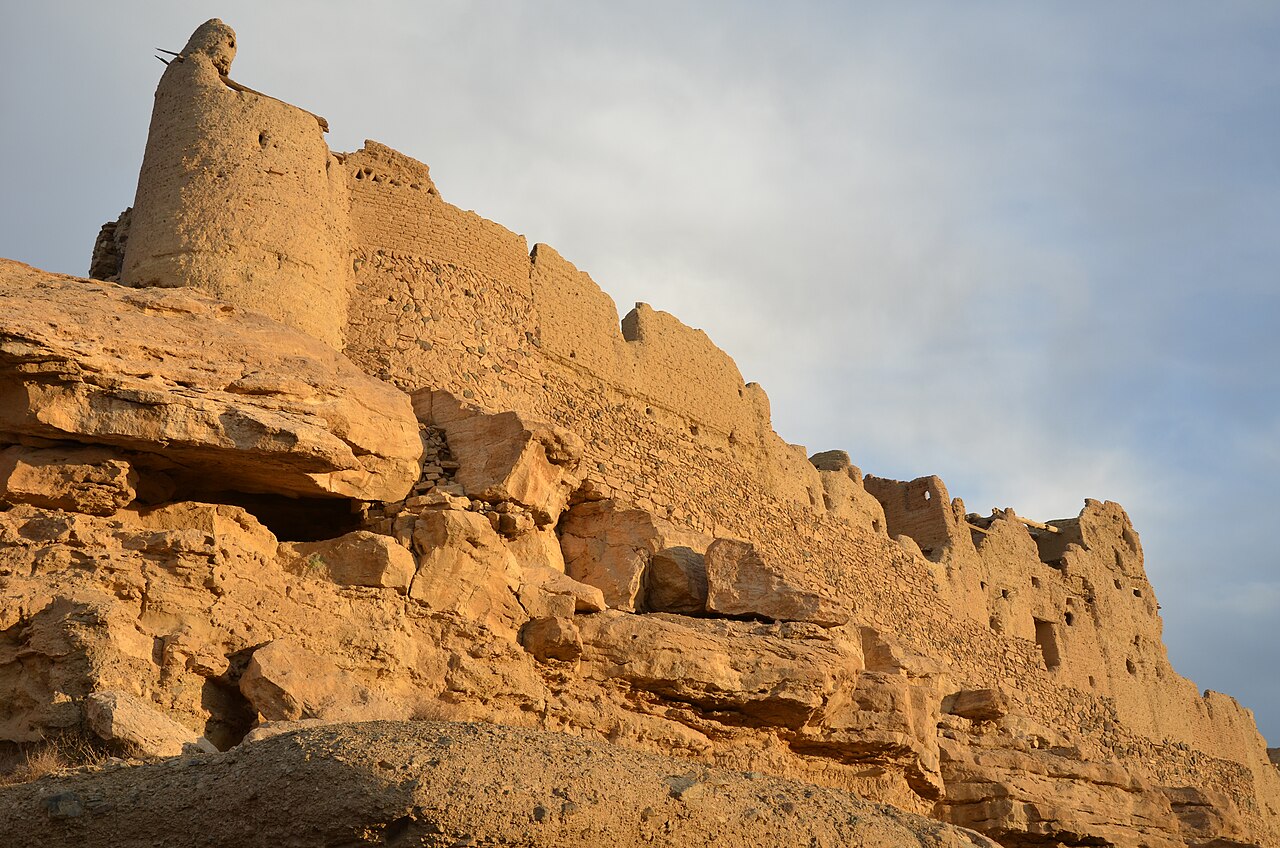
Jalali Castle (Persian: قلعه جلالی) is a prominent hill castle situated in the city of Kashan, in central Iran. This fortress is a significant example of medieval military architecture in the region, reflecting the strategic importance of Kashan throughout Iranian history. The castle's location atop a hill provided natural defensive advantages, making it a formidable stronghold against invaders.
Historical background and significance
The origins of Jalali Castle date back to the Safavid period (16th to 18th centuries), a time when Iran saw a resurgence in fortification construction to protect key cities from Ottoman and Uzbek incursions. Kashan was an important urban center due to its position along trade routes and its agricultural wealth. The castle was built to serve as a military fortress and a refuge for the local population during times of conflict.
Throughout its history, Jalali Castle played a defensive role in various regional conflicts. Its robust walls and strategic placement allowed it to withstand sieges and attacks, contributing to the stability of Kashan and its surrounding areas. The castle also functioned as a symbol of authority and power for the ruling Safavid governors.
Architectural features and layout
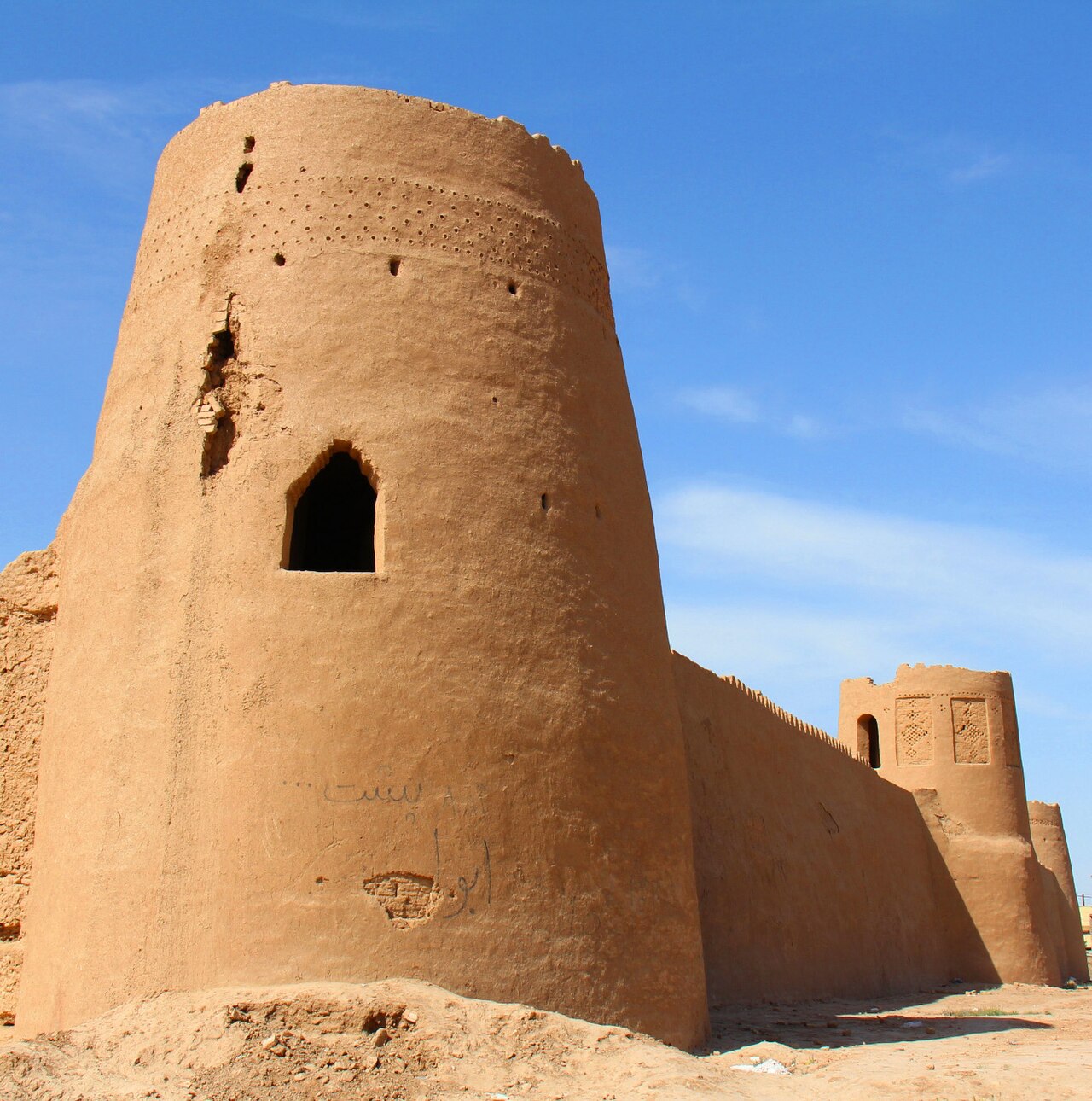
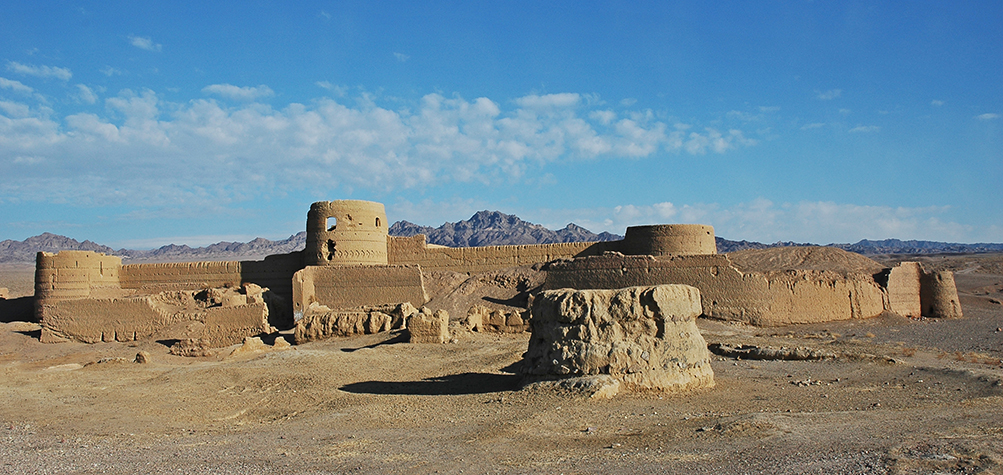
Jalali Castle exemplifies typical hill castle characteristics, utilizing the elevated terrain for defense. The castle is enclosed by thick, high walls constructed from local stone and adobe, materials commonly used in Iranian fortifications. These walls are punctuated by several towers that provided vantage points for surveillance and archery.
The entrance to the castle is fortified with a gatehouse designed to control access and defend against attackers. Inside the walls, the castle contained various functional spaces including barracks, storage rooms, and living quarters for soldiers and commanders. The layout is organized around a central courtyard, a feature typical of Persian military architecture, facilitating communication and movement within the fortress.
Water management was an essential aspect of the castle's design. Jalali Castle includes cisterns and channels to collect and store water, ensuring a sustainable supply during sieges. This feature highlights the advanced engineering skills of its builders.
Materials and construction techniques
The construction of Jalali Castle involved the use of stone, mudbrick, and adobe, materials well-suited to the arid climate of central Iran. The thick walls provided insulation against the harsh summers and cold winters. The builders employed traditional Persian construction techniques, including the use of timber beams to reinforce walls and roofs.
The castle's defensive walls are notable for their height and thickness, designed to resist battering and scaling. The towers and battlements allowed defenders to fire upon attackers while remaining protected. The use of local materials not only ensured durability but also helped the castle blend into its natural surroundings.
Preservation and current condition
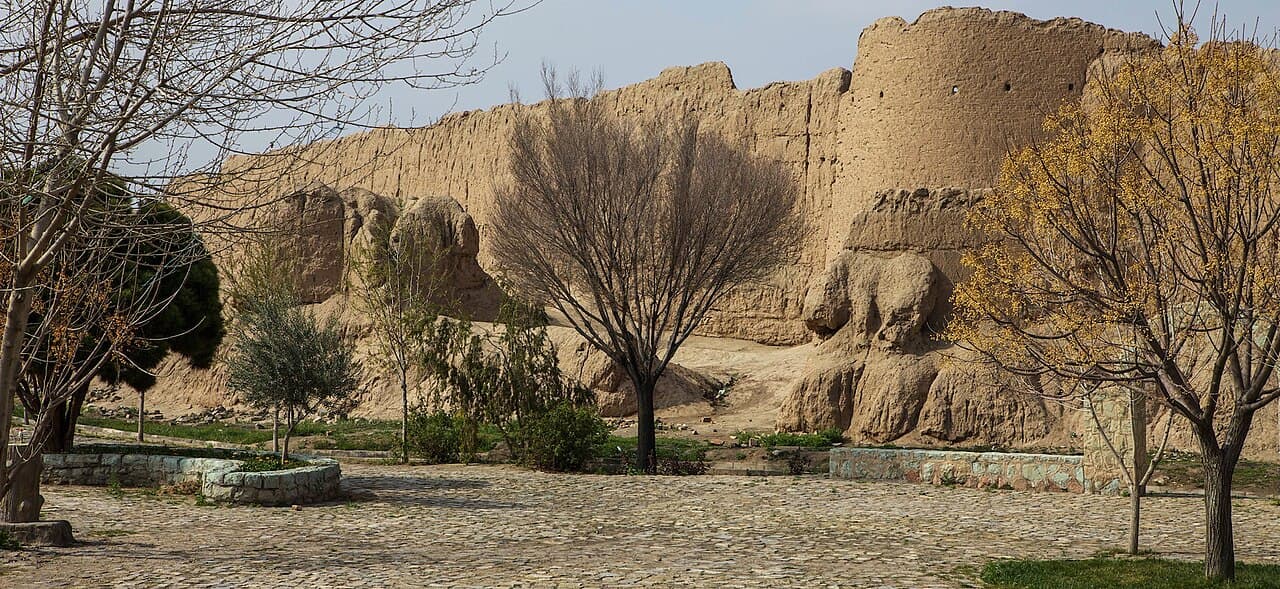
Today, Jalali Castle remains a partially preserved historical monument. While some sections of the walls and towers have deteriorated over time due to natural erosion and human activity, significant portions of the fortress still stand, offering valuable insight into Safavid military architecture. Preservation efforts have aimed to stabilize the structure and prevent further decay.
The castle is accessible to visitors interested in Iranian history and architecture. Its commanding views over Kashan and the surrounding landscape make it a popular site for cultural tourism. Interpretive signage and guided tours help visitors understand the castle's historical context and architectural significance.
Jalali Castle in the context of Iranian fortifications
Jalali Castle is part of a broader network of fortifications built across Iran during the Safavid era to protect important cities and trade routes. Its design reflects common defensive strategies of the period, emphasizing strong walls, elevated positions, and integrated water management systems.
The castle's military architecture shares similarities with other notable Iranian fortresses, such as the nearby Tabar Castle and the Arg-e Bam, though Jalali Castle is distinguished by its strategic location in Kashan and its role in regional defense.
Architectural influences and style
The castle's architecture embodies elements of traditional Persian fortification design, with influences from Islamic military architecture prevalent during the Safavid period. The use of adobe and mudbrick construction, combined with stone reinforcements, is typical of the region's building practices.
The fortress does not exhibit ornate decoration, as its primary purpose was defense, but its functional design demonstrates an understanding of military engineering and landscape utilization.
Visiting Jalali Castle
Visitors to Kashan can explore Jalali Castle to gain insight into the city's historical defenses. The site offers panoramic views and a tangible connection to Iran's past military strategies. While the castle is not fully restored, its ruins convey the scale and strength of the original fortress.
Travelers are advised to wear suitable footwear due to uneven terrain and to check local information for opening hours and any guided tour availability. The castle's location within Kashan makes it accessible as part of a broader itinerary including other cultural and historical sites in the city.
Frequently asked questions (FAQ)
- When was Jalali Castle built?
- Jalali Castle was constructed during the Safavid period, between the 16th and 18th centuries, to protect the city of Kashan.
- What architectural features define Jalali Castle?
- The castle features thick stone and adobe walls, defensive towers, a fortified gatehouse, and a central courtyard typical of Persian military architecture.
- Is Jalali Castle open to visitors?
- Yes, Jalali Castle is open to visitors. It offers panoramic views of Kashan and the surrounding area, with some parts accessible for exploration.
- What materials were used in the construction of Jalali Castle?
- The castle was built using local stone, mudbrick, and adobe, materials suited to the arid climate of central Iran.
- How has Jalali Castle been preserved?
- Jalali Castle is partially preserved, with efforts focused on stabilizing the structure and preventing further deterioration.
Photo gallery

Information
Current owner
Municipality of Kashan
Loading map...
Visitor reviews
No reviews yet. Been here? Write the first review and help other travelers!
Write the first reviewVisited this castle? Share your experience
Your review helps other travelers and adds first-hand knowledge to our encyclopedia.