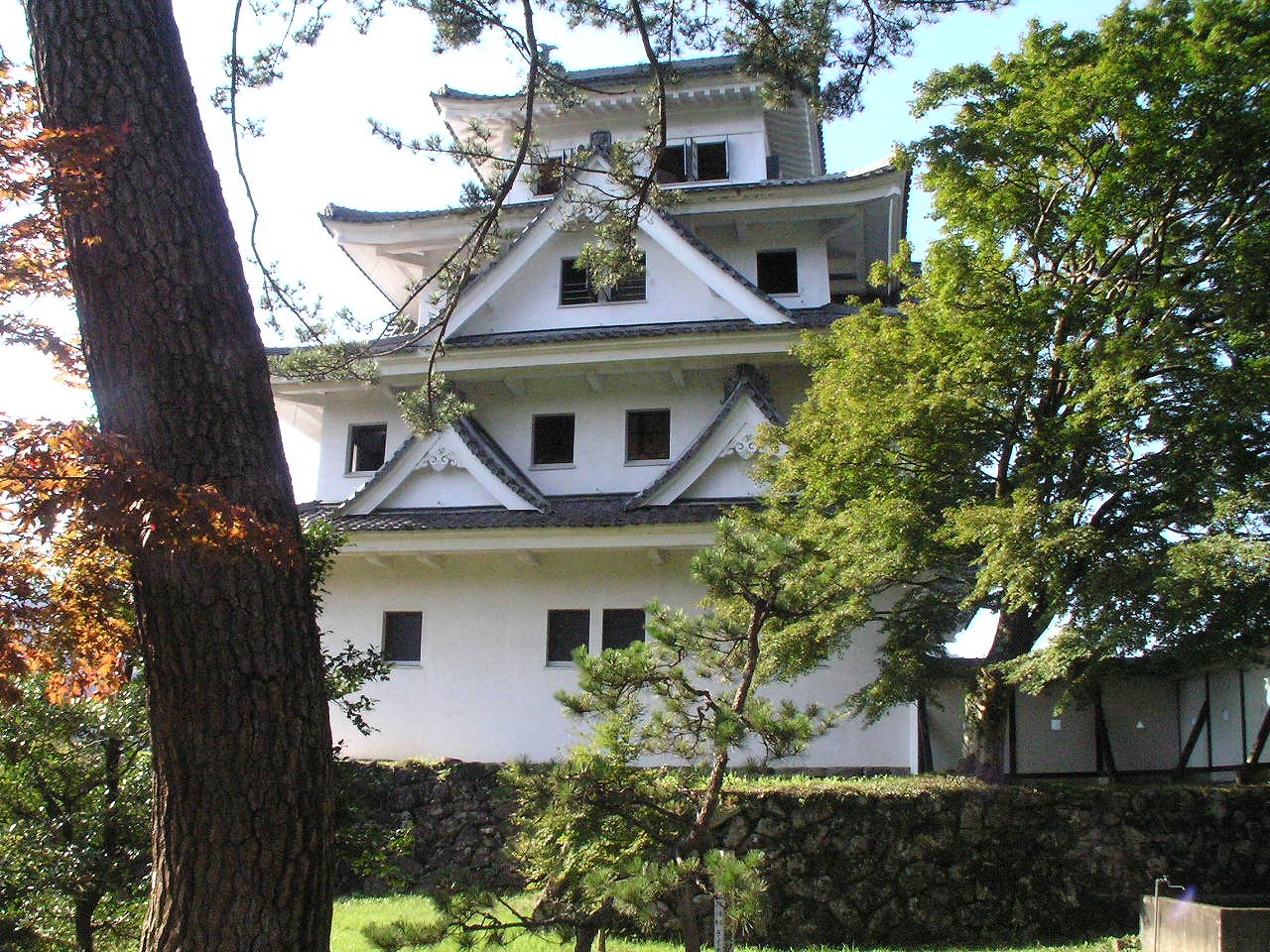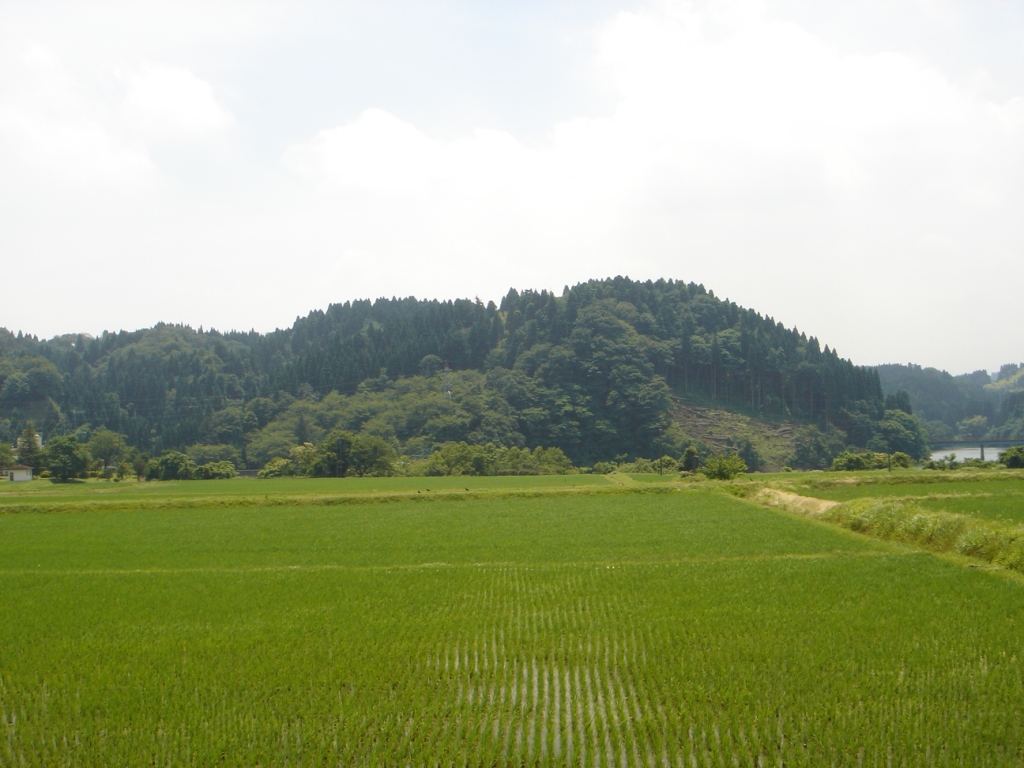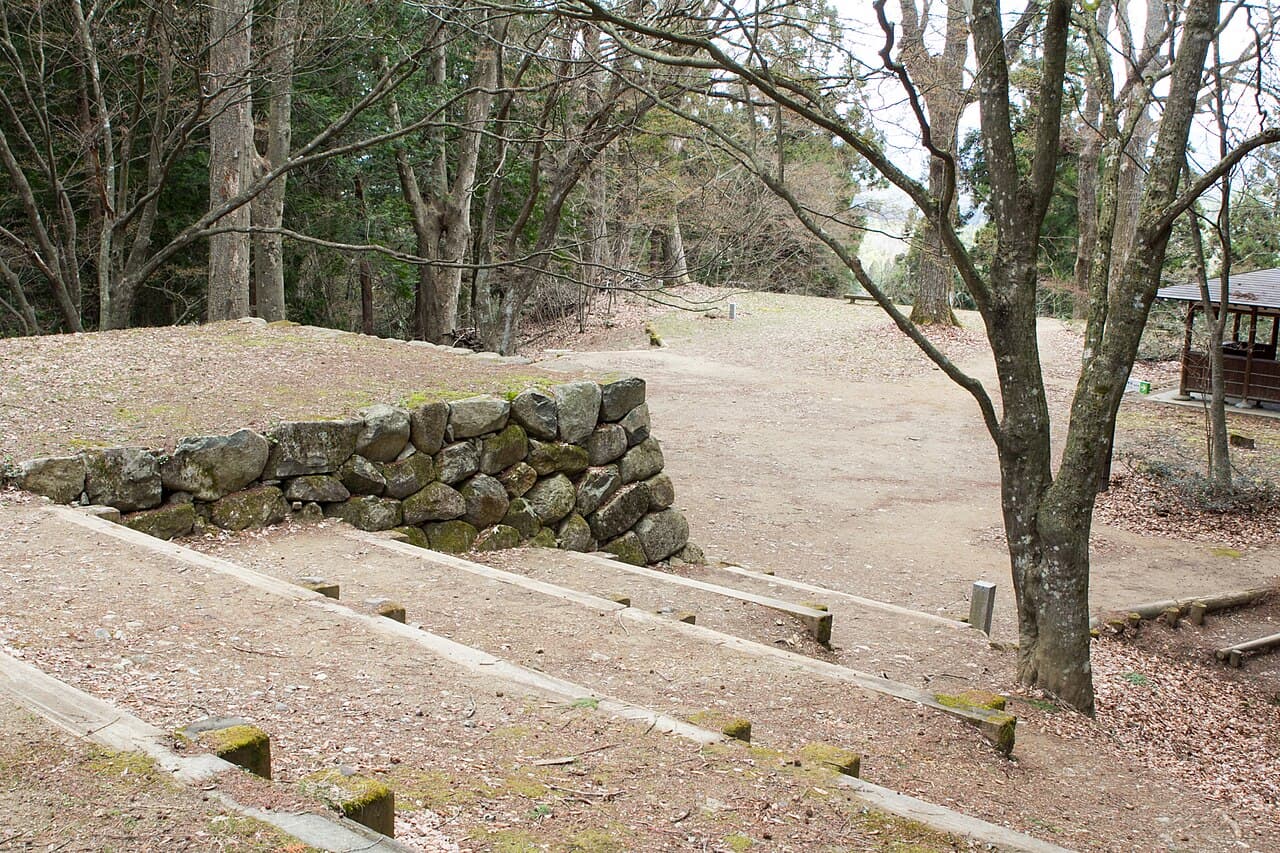
Takayama Castle — Japan castle

Takayama Castle

Takayama Castle in Gifu Prefecture, Japan
Takayama, Japan
Late Medieval (14th–15th c.)
Ruins

Takayama Castle (高山城, Takayama-jō) is a historic hill castle located in Takayama city, within Gifu Prefecture, Japan. Constructed in the 16th century during Japan's Sengoku period, the castle occupies a strategic position atop a mountain approximately 687 meters (2,254 feet) high. Its elevated location provided natural defense advantages and commanding views of the surrounding region.

Historical background and construction

The castle was originally built by the Kanamori clan, a prominent samurai family who governed the Hida region. Takayama Castle served as the clan's stronghold and administrative center during a time of frequent military conflicts and territorial disputes. The castle's construction reflects typical Japanese castle architecture of the late medieval period, incorporating both natural terrain and man-made fortifications.

Takayama Castle's design includes a stone base foundation that supports the structures above, a common feature in Japanese castles to provide stability and protection against attackers. The walls were primarily composed of earthen ramparts, reinforced in places by stonework. Surrounding the castle was a moat that further enhanced its defensive capabilities by restricting enemy access.

Architectural features and layout

The castle complex was arranged to maximize defense and administrative efficiency. Its main enclosure (honmaru) was situated at the highest point of the mountain, housing the lord's residence and key defensive structures. Secondary enclosures (ni-no-maru and san-no-maru) surrounded the main area, providing layered protection.

While no large tenshu (main keep or donjon) tower remains today, historical records suggest that Takayama Castle featured several watchtowers and smaller keeps to monitor the surrounding landscape. The use of earthen walls combined with stone bases was typical of the period and region, balancing resource availability and defensive needs.

The castle's moat was likely a dry moat or a combination of dry and water-filled sections, common in mountainous Japanese castles where natural water sources were limited. The surrounding terrain was integrated into the castle's defenses, with steep slopes acting as natural barriers.

Role in regional history

Takayama Castle played a significant role during the Sengoku period, a time marked by social upheaval and military conflict in Japan. It was a key base for the Kanamori clan, who controlled the Hida region until the early Edo period. After the Tokugawa shogunate established control over Japan, the castle's military importance declined, and it eventually fell into disuse.

During the Edo period, the castle grounds were repurposed, and many of the original structures were dismantled or fell into ruin. Today, only remnants of the stone bases, earthen walls, and moats remain, marking the site as an important cultural and historical landmark.

Present condition and cultural significance

Currently, Takayama Castle exists primarily as ruins, with archaeological remains accessible to visitors. The site is valued for its historical importance and offers insight into Japanese medieval castle construction and regional governance during the 16th century.

The castle ruins are a popular destination for tourists and history enthusiasts, especially during the spring and autumn seasons when the surrounding natural scenery is particularly striking. Interpretive signs and walking trails allow visitors to explore the layout and understand the castle's strategic design.

Takayama Castle is also part of the broader cultural heritage of Takayama city, which preserves many Edo-period buildings and traditions, making it a focal point for understanding Japan's feudal past.

Access and visitor information

The castle ruins are accessible by foot from Takayama city center, with well-marked trails leading up the mountain. Visitors should wear appropriate footwear for hiking and be prepared for a moderately steep climb. The site is open year-round, with no entrance fee, making it a convenient and educational stop for travelers exploring the region.

Nearby attractions include the historic old town of Takayama, known for its preserved merchant houses, traditional festivals, and local crafts. Together, these sites offer a comprehensive view of the area's history and culture.

Photo gallery

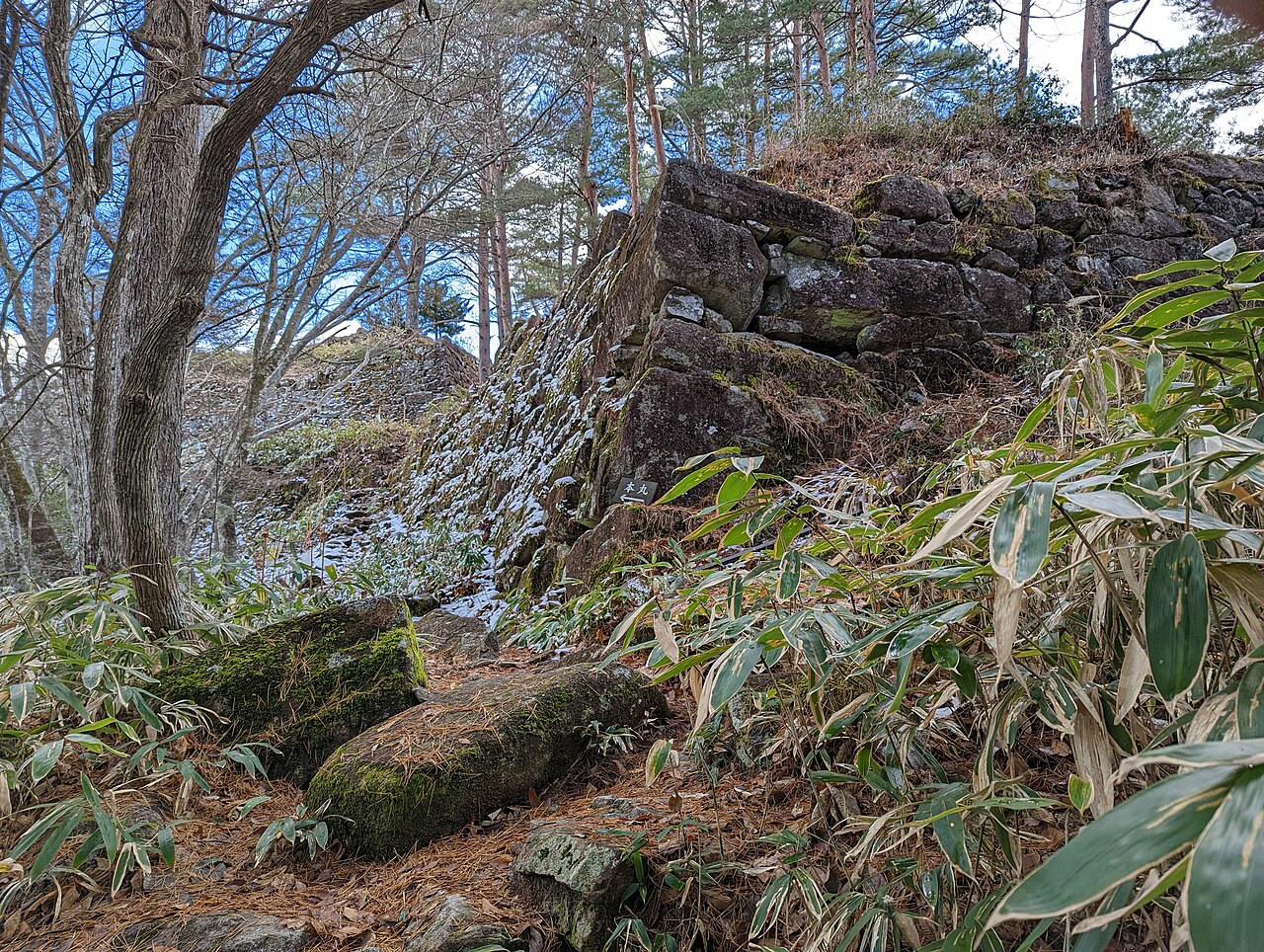
Takayama Castle
Click to view

Photo by Oren Rozen•CC BY-SA 4.0

1 photo • Click any image to view in full screen

Information

Hill Castle

Loading map...

Visitor reviews

No reviews yet. Been here? Write the first review and help other travelers!

Write the first review

Visited this castle? Share your experience

Your review helps other travelers and adds first-hand knowledge to our encyclopedia.
Write a review

(5/5)

0/2000 characters

Your review will be visible after admin approval

Nearby castles

3 km
Matsukura Castle (Hida Province) — Japan castle

Matsukura Castle (Hida Province)

Takayama, Japan

Matsukura Castle (松倉城, Matsukura-jō) is a historic hill castle located in what was formerly known as Hida Province, now part of Takayama city in Gifu Prefecture, Japan. Constructed during the 16th century, this castle served as the stronghold of Yasutane Shiina, a local warlord of the period. The castle's remains today offer insight into the military architecture and feudal governance of Japan's Sengoku period, a time marked by social upheaval and constant warfare.Historical background and significanceThe 16th century in Japan was a turbulent era known as the Sengoku period, characterized by fragmented power among regional warlords or daimyo. Matsukura Castle was established by Yasutane Shiina as a defensive and administrative center to consolidate control over the Hida region. The castle played a role in the local power struggles and served as a symbol of Shiina's authority.While the castle was not a major national fortress, it was significant within the context of regional governance and military strategy. Its location in the mountainous terrain of Hida Province provided natural defenses and strategic vantage points, essential for monitoring movements and defending against rival clans.Architectural features and layoutMatsukura Castle is classified as a hill castle, built on elevated ground to maximize defensive capabilities. Typical of Japanese castles of the time, it likely featured multiple baileys (courtyards) surrounded by earthen walls and wooden palisades. The terrain would have been adapted to create terraced defensive positions, and the castle probably included watchtowers and gates designed to control access.The castle's construction utilized local materials, with wooden buildings and stone foundations. Defensive features such as moats or dry ditches may have been incorporated to impede attackers. Although no large stone walls or keeps (tenshu) remain, the layout would have reflected the practical needs of a regional stronghold rather than the grandiosity of castles built later in the Edo period.Defensive advantages of the hilltop locationPositioned on a hill, Matsukura Castle took advantage of natural elevation to oversee the surrounding valleys and roads. This vantage point allowed early detection of enemy movements and provided a tactical upper hand in battles. The steep slopes around the castle made direct assaults difficult, forcing attackers to navigate narrow paths under defensive fire.Later history and current conditionAfter the Sengoku period, as Japan moved toward unification under the Tokugawa shogunate, many regional castles lost their military importance. Matsukura Castle was eventually abandoned and fell into ruin. Today, only remnants such as earthworks, foundation stones, and traces of defensive ditches remain at the site.The castle ruins are accessible to visitors interested in Japanese history and castle architecture. The site provides a quiet setting for exploring the remains of a typical Sengoku-period hill castle and understanding the regional dynamics of feudal Japan.Visiting Matsukura CastleVisitors to the Matsukura Castle ruins can enjoy hiking trails that lead through the historic site, offering views of the surrounding Hida region. Interpretive signs and local guides help contextualize the castle's history and significance. The site is a valuable destination for those interested in Japan's feudal past and traditional castle construction methods.The castle's location in Takayama city also allows visitors to explore other cultural attractions, including well-preserved Edo-period streets and temples.

Renaissance (15th–17th c.)
Details
50.7 km
Gujō Hachiman Castle — Japan castle

Gujō Hachiman Castle

Gujō, Japan

Gujō Hachiman Castle (郡上八幡城, Gujō Hachiman-jō) is a notable yamashiro, or mountain castle, situated on Hachiman Mountain overlooking the city of Gujō in Gifu Prefecture, Japan. Constructed in the 16th century during Japan's turbulent Sengoku period, this castle played a key role in regional military and political affairs. The castle's ruins were officially recognized as a Gifu Prefecture Historic Site in 1955, reflecting its cultural and historical significance.The castle is classified as a hill castle (yamashiro), characterized by its strategic location atop a mountain, which provided natural defenses and commanding views of the surrounding landscape. Gujō Hachiman Castle was originally built by the Endo clan, a powerful samurai family who governed the area during the late 16th century. Its construction took advantage of the steep terrain, incorporating terraced stone walls and wooden structures that blended with the mountainous environment.Architectural features and layoutThe castle's design typifies mountain castles of the period, with multiple baileys (courtyards) arranged on different levels of the mountain slope. The main keep (tenshu) was positioned at the highest point, serving as a lookout and final defensive stronghold. Although the original wooden structures have not survived, the layout of stone foundations and earthworks remains visible. The castle complex included defensive walls, gates, watchtowers, and narrow pathways designed to hinder attackers.The use of stone walls (ishigaki) was a significant feature, providing sturdy fortifications against siege warfare. The castle's terraces were connected by steep stairways and paths, which also functioned as choke points. Water supply was managed through natural springs and cisterns, essential for sustaining defenders during prolonged sieges.Historical significance and ownershipGujō Hachiman Castle was initially constructed by Endo Morikazu in 1559 as a strategic base amid the conflicts of the Sengoku era. The Endo clan maintained control over the castle until the early Edo period, when the Tokugawa shogunate reorganized regional domains. The castle continued to serve as the administrative center of the Gujō domain under various lords.During the Edo period, the castle was maintained but gradually lost its military importance as Japan entered a prolonged period of peace. In 1871, following the Meiji Restoration and the abolition of the feudal domain system, Gujō Hachiman Castle was dismantled as part of the government's policy to reduce the power of the samurai class and modernize the country.Modern preservation and cultural roleToday, Gujō Hachiman Castle stands as a ruined hill castle, with preserved stone foundations and reconstructed sections that offer visitors insight into its original form. The castle site provides panoramic views of the city below and the surrounding mountains, making it a popular destination for tourists and history enthusiasts.The castle ruins are part of the cultural heritage of Gujō city and host events such as seasonal festivals and historical reenactments. Efforts by local authorities and preservation groups have focused on maintaining the site and promoting awareness of its historical context within Japanese castle architecture.Visitor experience and accessAccess to the castle involves a hike up Hachiman Mountain, which can be moderately challenging but rewarding due to the scenic vistas. The site is open year-round, with spring and autumn being particularly popular times to visit due to pleasant weather and colorful foliage.Interpretive signage and small exhibitions near the castle ruins help visitors understand the castle's history and architectural features. Nearby attractions include the traditional streets of Gujō Hachiman town, known for their historic buildings and cultural festivals.

Renaissance (15th–17th c.)
Details
60.5 km
Masuyama Castle — Japan castle

Masuyama Castle

Tonami, Japan

Masuyama Castle (増山城, Masuyama-jō), also known as Wada Castle (和田城, Wada-jō), is a significant example of a yamashiro-style Japanese castle from the Muromachi period, located in what is now part of the city of Tonami in Toyama Prefecture, within the Hokuriku region of Honshu, Japan. Constructed in the 14th century, this castle played a notable role during Japan's late medieval era, reflecting the military and architectural strategies of the time. The castle's ruins have been designated a National Historic Site since 2009, underscoring its cultural and historical importance. Historical context and significance Masuyama Castle was built during the Muromachi period, a time marked by frequent conflicts among regional warlords, which necessitated robust fortifications. The castle's strategic location in the Hokuriku region allowed it to serve as a defensive stronghold and a center of local power. The castle was associated with the Wada clan, a prominent family in the region, which is why it was alternatively called Wada Castle. Its history is intertwined with the shifting alliances and military campaigns characteristic of the 14th to 16th centuries in Japan. Architectural features and style Masuyama Castle exemplifies the yamashiro or mountain castle style, which utilizes the natural terrain for defense. The castle was constructed on elevated ground, taking advantage of steep slopes and natural barriers to enhance its defensive capabilities. Typical features included stone walls, earthen ramparts, and wooden structures, although much of the original wooden architecture has not survived. The castle's layout was adapted to the mountainous landscape, with terraced baileys and narrow pathways designed to slow and expose attackers. Defensive elements such as gates, watchtowers, and moats were integrated into the natural topography. The use of dry moats and steep embankments was common to impede enemy advances. Ruins and archaeological remains Today, Masuyama Castle exists as archaeological ruins, with visible remnants including stone foundations, sections of walls, and earthworks. Excavations have revealed the castle's complex defensive systems and provided insights into construction techniques of the period. The site offers valuable information about Muromachi-period military architecture and the adaptation of castle design to mountainous terrain. Preservation and cultural importance The designation of Masuyama Castle as a National Historic Site in 2009 reflects its importance in Japanese heritage. The ruins are preserved to protect the archaeological integrity and to facilitate ongoing research. The site attracts historians, archaeologists, and visitors interested in Japan's medieval history and castle architecture. Efforts to maintain the site include controlled access and informational signage to educate the public about the castle's historical context and architectural significance. The preservation of Masuyama Castle contributes to a broader understanding of regional power dynamics and military strategies during the late medieval period in Japan. Visiting Masuyama Castle While the castle no longer stands in its original form, the ruins provide a tangible connection to Japan's feudal past. Visitors can explore the site’s earthworks and stone remains, gaining perspective on the challenges of mountain castle construction. The surrounding landscape offers scenic views typical of the Hokuriku region, enhancing the experience. Due to the site's status as an archaeological ruin, visitors should respect preservation rules and stay on designated paths. The best time to visit is during spring and autumn when the weather is mild and the natural scenery is at its most vibrant.

Late Medieval (14th–15th c.)
Details