Gujō Hachiman Castle
Gujō Hachiman Castle (郡上八幡城, Gujō Hachiman-jō) is a notable yamashiro, or mountain castle, situated on Hachiman Mountain overlooking the city of Gujō in Gifu Prefecture, Japan. Constructed in the 16th century during Japan's turbulent Sengoku period, this castle played a key role in regional military and political affairs. The castle's ruins were officially recognized as a Gifu Prefecture Historic Site in 1955, reflecting its cultural and historical significance.
The castle is classified as a hill castle (yamashiro), characterized by its strategic location atop a mountain, which provided natural defenses and commanding views of the surrounding landscape. Gujō Hachiman Castle was originally built by the Endo clan, a powerful samurai family who governed the area during the late 16th century. Its construction took advantage of the steep terrain, incorporating terraced stone walls and wooden structures that blended with the mountainous environment.
Architectural features and layout
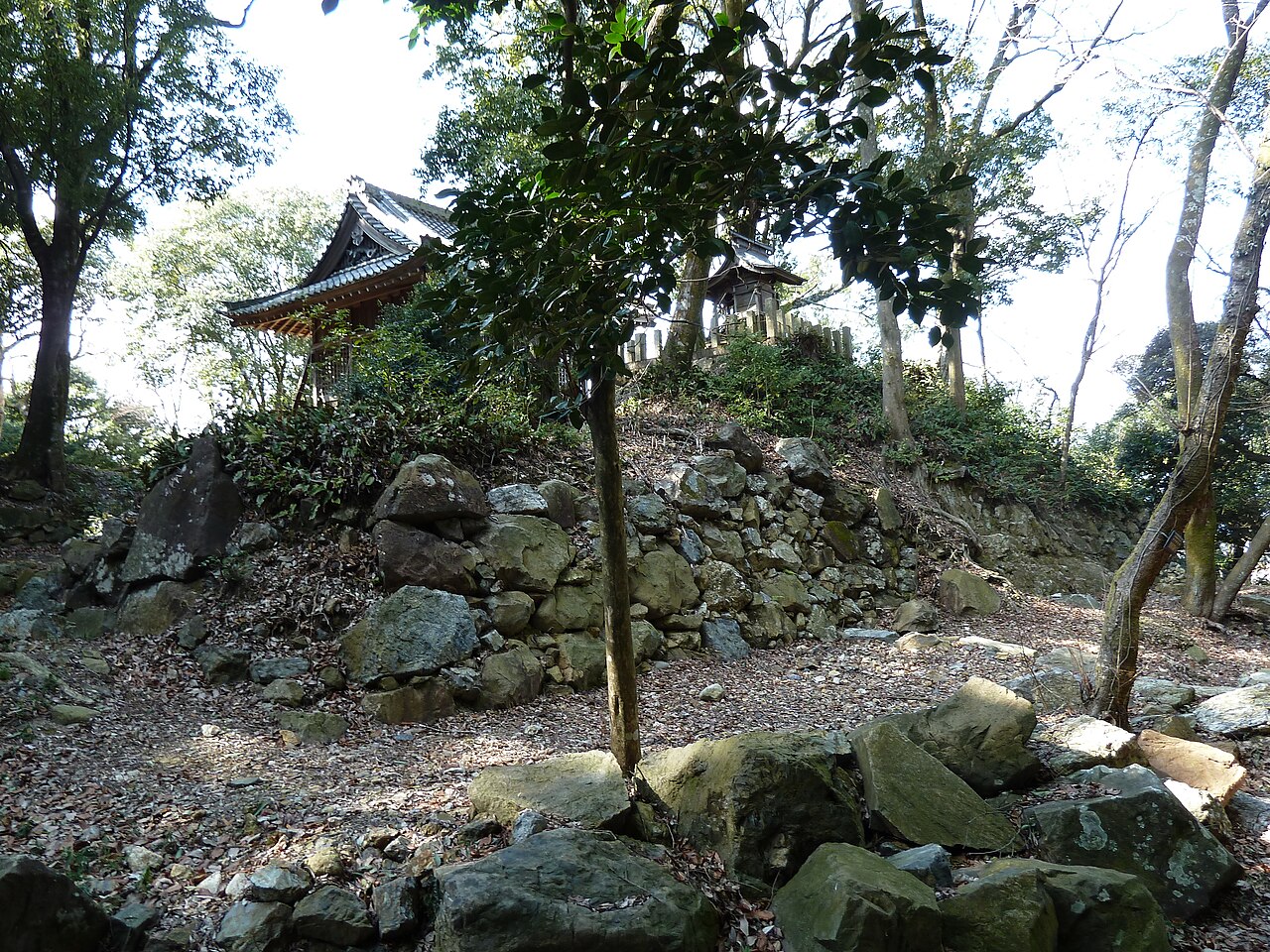
The castle's design typifies mountain castles of the period, with multiple baileys (courtyards) arranged on different levels of the mountain slope. The main keep (tenshu) was positioned at the highest point, serving as a lookout and final defensive stronghold. Although the original wooden structures have not survived, the layout of stone foundations and earthworks remains visible. The castle complex included defensive walls, gates, watchtowers, and narrow pathways designed to hinder attackers.
The use of stone walls (ishigaki) was a significant feature, providing sturdy fortifications against siege warfare. The castle's terraces were connected by steep stairways and paths, which also functioned as choke points. Water supply was managed through natural springs and cisterns, essential for sustaining defenders during prolonged sieges.
Historical significance and ownership
Gujō Hachiman Castle was initially constructed by Endo Morikazu in 1559 as a strategic base amid the conflicts of the Sengoku era. The Endo clan maintained control over the castle until the early Edo period, when the Tokugawa shogunate reorganized regional domains. The castle continued to serve as the administrative center of the Gujō domain under various lords.
During the Edo period, the castle was maintained but gradually lost its military importance as Japan entered a prolonged period of peace. In 1871, following the Meiji Restoration and the abolition of the feudal domain system, Gujō Hachiman Castle was dismantled as part of the government's policy to reduce the power of the samurai class and modernize the country.
Modern preservation and cultural role
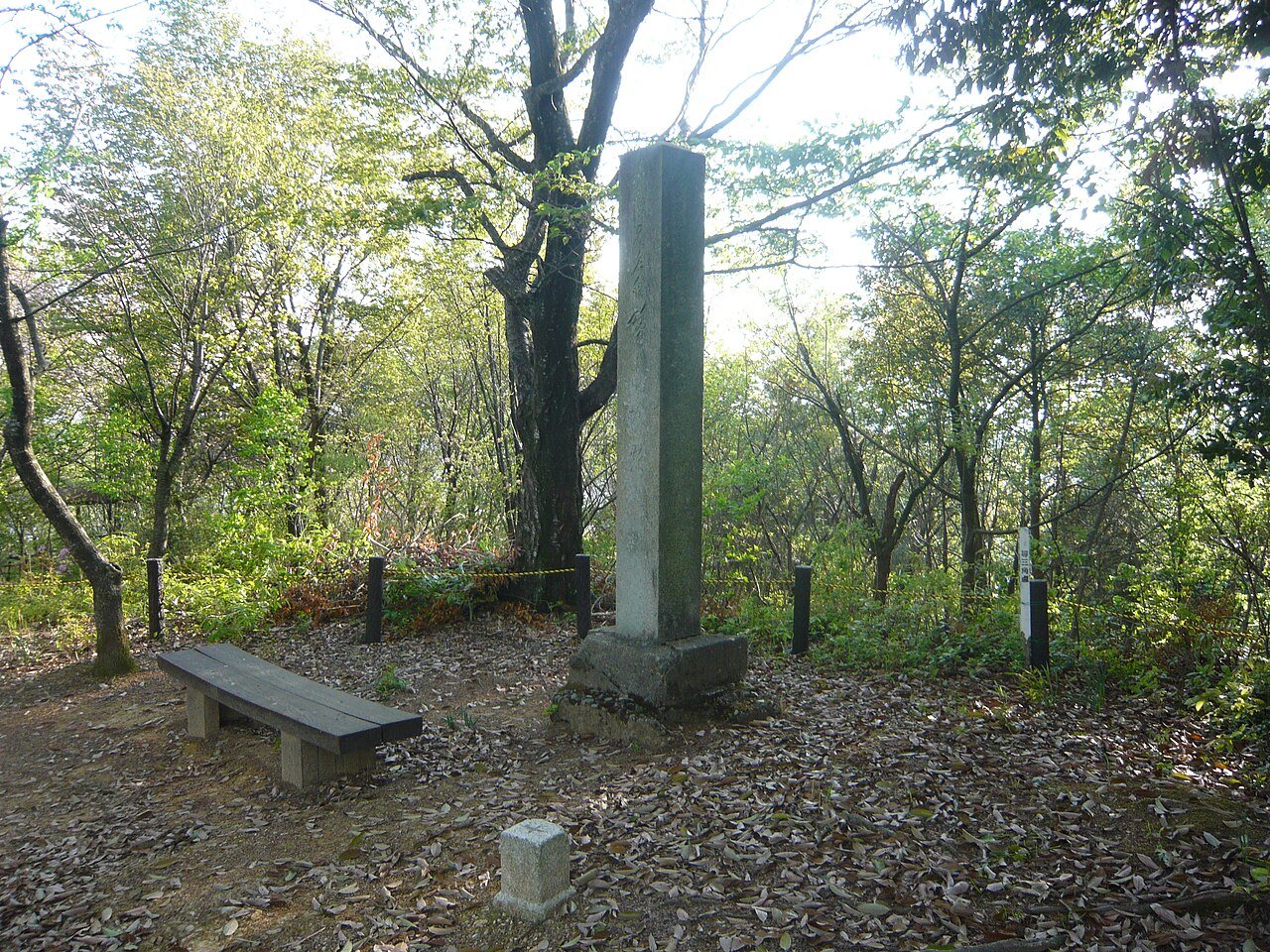
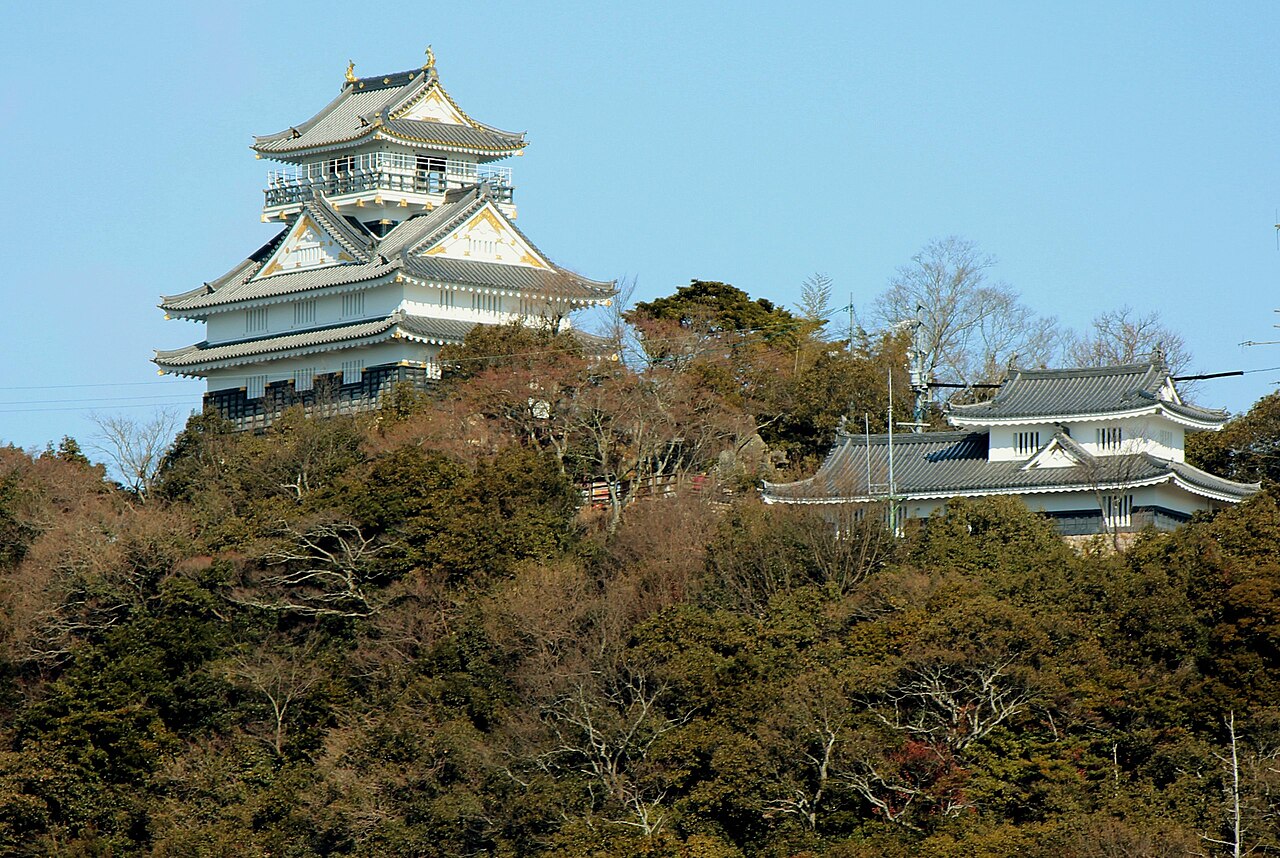
Today, Gujō Hachiman Castle stands as a ruined hill castle, with preserved stone foundations and reconstructed sections that offer visitors insight into its original form. The castle site provides panoramic views of the city below and the surrounding mountains, making it a popular destination for tourists and history enthusiasts.
The castle ruins are part of the cultural heritage of Gujō city and host events such as seasonal festivals and historical reenactments. Efforts by local authorities and preservation groups have focused on maintaining the site and promoting awareness of its historical context within Japanese castle architecture.
Visitor experience and access
Access to the castle involves a hike up Hachiman Mountain, which can be moderately challenging but rewarding due to the scenic vistas. The site is open year-round, with spring and autumn being particularly popular times to visit due to pleasant weather and colorful foliage.
Interpretive signage and small exhibitions near the castle ruins help visitors understand the castle's history and architectural features. Nearby attractions include the traditional streets of Gujō Hachiman town, known for their historic buildings and cultural festivals.
Frequently asked questions (FAQ)
- What is the historical significance of Gujō Hachiman Castle?
- Gujō Hachiman Castle, built in 1559, is a prominent symbol of the region's feudal history and showcases the architectural style of the Sengoku period. It served as a strategic military base and later became a residence for various samurai families, reflecting the evolution of power in Japan's history.
- When is the best time to visit Gujō Hachiman Castle?
- The best time to visit Gujō Hachiman Castle is during the spring (March to May) and autumn (September to November) months. During these seasons, visitors can enjoy pleasant weather and beautiful scenery, including cherry blossoms in spring and vibrant autumn foliage.
- Can I access Gujō Hachiman Castle by public transportation?
- Yes, Gujō Hachiman Castle is accessible by public transportation. Visitors can take a train to Gujō-Hachiman Station and then use local buses or taxis to reach the castle, which is approximately a 10-minute ride from the station.
- What are the opening hours for Gujō Hachiman Castle?
- Gujō Hachiman Castle is typically open to visitors from 9:00 AM to 5:00 PM, with extended hours during peak tourist seasons. It is advisable to check the official website or local guides for any changes in opening times before your visit.
- Is there an admission fee to enter Gujō Hachiman Castle?
- Yes, there is a small admission fee to enter Gujō Hachiman Castle. The ticket price is generally around 300 yen for adults, with discounts available for children and groups, making it an affordable attraction for families and history enthusiasts alike.
- What is the architectural style of Gujō Hachiman Castle?
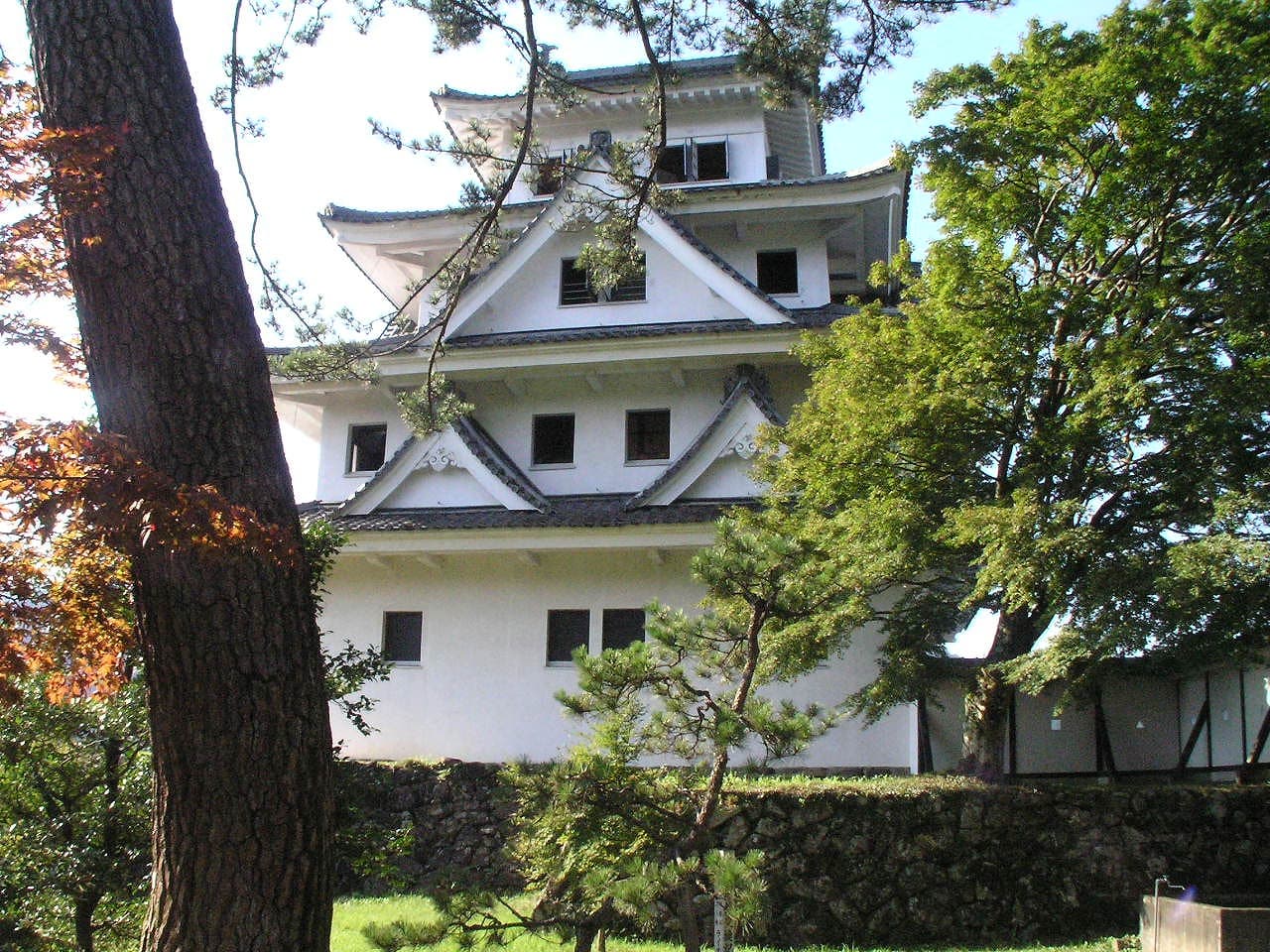
- Gujō Hachiman Castle features traditional Japanese castle architecture, characterized by its wooden structures, stone foundations, and distinctive multi-tiered roofs. The castle's design reflects the defensive needs of the era, with strategic lookout points and a commanding view of the surrounding landscape.
- Are there any nearby attractions to visit while at Gujō Hachiman Castle?
- Yes, there are several nearby attractions worth exploring, including the Gujō Hachiman Castle Historical Museum and the beautiful Hachiman River. Visitors can also enjoy local crafts, traditional food, and seasonal festivals that highlight the cultural heritage of the area.
Photo gallery

Photo by Akiyoshi's Room•Public domain
Information
Loading map...
Visitor reviews
No reviews yet. Been here? Write the first review and help other travelers!
Write the first reviewVisited this castle? Share your experience
Your review helps other travelers and adds first-hand knowledge to our encyclopedia.