Takashima Castle
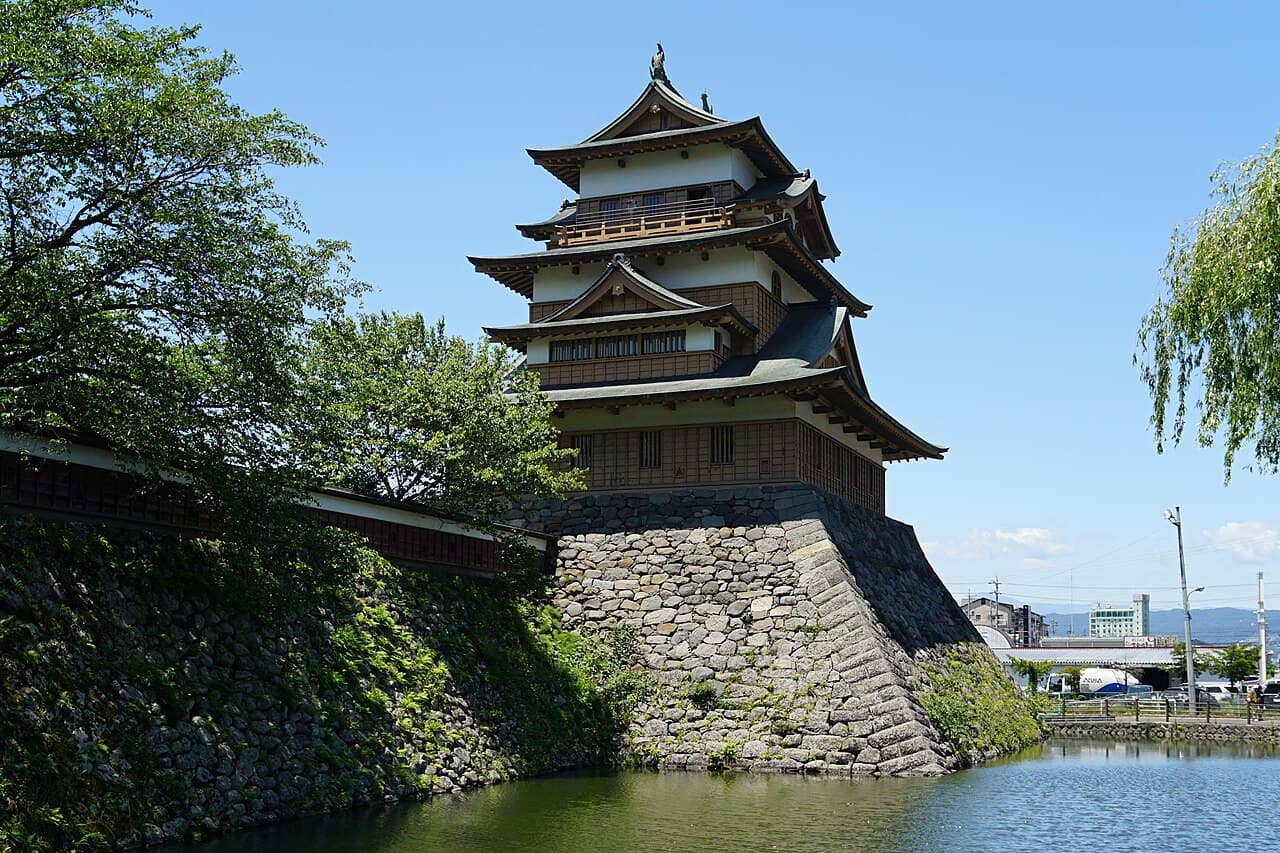
Takashima Castle (高島城, Takashima-jō) is a notable hill castle situated in Suwa, in the heart of Nagano Prefecture, Japan. Constructed in the 16th century during Japan's Sengoku period, it served as the stronghold of the Suwa clan, the daimyōs of the Takashima Domain throughout the Edo period. The castle is famously nicknamed The Floating Castle of Suwa (諏訪の浮城, Suwa-no-uki-shirō) due to its unique location surrounded by water, giving the appearance that it floats, and it is also known as Shimazaki Castle (島崎城, Shimazaki-jō).
Historical background and significance
Takashima Castle was built in the late 16th century, a time marked by intense military conflict and castle construction across Japan. It was established under the direction of the Suwa clan, who ruled the surrounding region. The castle played a key role as a regional administrative center and military base during the Edo period, when the Tokugawa shogunate maintained control over Japan.
The Suwa clan maintained residence in the castle until the Meiji Restoration, when the feudal system was abolished. Takashima Castle thus represents an important link to Japan's feudal past and the governance system of the Takashima Domain.
Architectural features and design
Takashima Castle is classified as a hill castle (yamashiro), constructed on elevated terrain to maximize defensive advantages. Its design incorporates traditional Japanese castle architecture of the late Sengoku and early Edo periods. The castle is surrounded by extensive moats filled with water, contributing to its nickname as the "Floating Castle." These moats, combined with the natural elevation, provided formidable defense against invaders.
The castle complex originally included multiple baileys (courtyards) enclosed by stone walls and wooden palisades. The main keep (tenshu) was a multi-storied structure, typical of Japanese castles, providing both a lookout and a final defensive position. The castle also featured watchtowers (yagura), gates with defensive mechanisms, and residential quarters for the lord and retainers.
One of the castle's distinctive features is its integration with the surrounding natural environment, including nearby Lake Suwa. The reflective water surfaces enhanced the castle's visual impression of floating, a rare and aesthetically valued characteristic in Japanese castle design.
Takashima Castle during the Edo period
During the peaceful Edo period, Takashima Castle transitioned from a primarily military fortress to an administrative center for the Takashima Domain. The castle housed the daimyo and his retainers, serving as the political hub for local governance under the Tokugawa shogunate system.
The Suwa clan undertook maintenance and occasional renovations to preserve the castle's defensive and residential functions. The castle grounds included gardens, storehouses, and living quarters, reflecting the lifestyle and status of a feudal lord during this era.
Modern history and preservation
Following the Meiji Restoration in the late 19th century, many Japanese castles were dismantled or fell into ruin. Takashima Castle suffered similar fate but has been subject to preservation efforts due to its cultural and historical value.
Today, Takashima Castle is recognized as an important cultural heritage site in Nagano Prefecture. Although not all original structures remain intact, the castle grounds have been maintained, and some buildings have been restored or reconstructed to reflect their historical appearance. The castle's moats and stone walls remain significant features, attracting visitors interested in Japanese history and architecture.
Visiting Takashima Castle
Takashima Castle is accessible to the public and serves as a popular tourist destination in Suwa. Visitors can explore the castle grounds, enjoy views of the surrounding landscape, and learn about the history of the Suwa clan and the Takashima Domain through on-site information displays.
The castle's location near Lake Suwa adds to its appeal, offering scenic vistas and opportunities for photography. Seasonal events and festivals may also be held on the castle grounds, celebrating local culture and history.
Frequently asked questions (FAQ)
- What is the historical significance of Takashima Castle?
- Takashima Castle, originally built in the late 16th century, played a vital role during the Sengoku period in Japan. It served as a strategic military site and reflects the architectural style of the time, showcasing the feudal history of Japan.
- When was Takashima Castle constructed?
- Takashima Castle was constructed in 1583 by the warlord Takeda Nobushige. Although it has undergone various restorations over the centuries, its original foundations and layout still provide insight into the design principles of Japanese castles during that era.
- What are the opening hours for Takashima Castle?
- Takashima Castle is open to visitors from 9:00 AM to 5:00 PM daily. It is advisable to check the official website for any seasonal changes in the opening hours or special closures.
- Can I access Takashima Castle by public transport?
- Yes, Takashima Castle is accessible by public transport. Visitors can take a train to Suwa Station and then a short bus ride or a pleasant walk to reach the castle.
- Is there an admission fee to enter Takashima Castle?
- Yes, there is a nominal admission fee to enter Takashima Castle. The ticket prices are generally affordable, making it accessible for most visitors, and the funds help with the maintenance of this historic site.
- What is the best time to visit Takashima Castle?
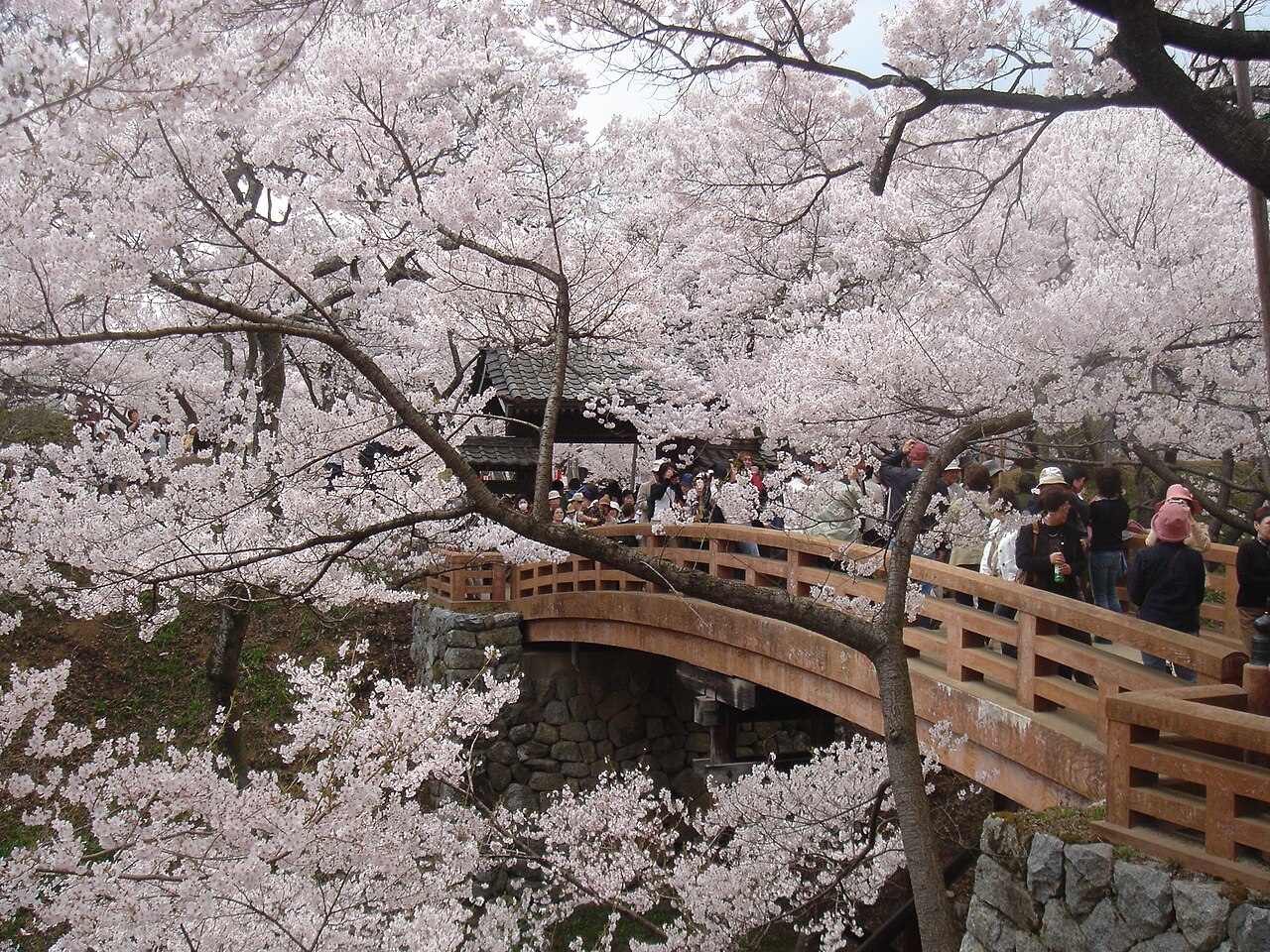
- The best time to visit Takashima Castle is during the spring (March to May) and autumn (September to November) when the weather is mild and the surrounding scenery is particularly beautiful. Cherry blossoms in spring and colorful autumn leaves create a picturesque backdrop for your visit.
- Are there any nearby attractions to Takashima Castle?
- Yes, there are several nearby attractions, including Lake Suwa and the Suwa Taisha Shrine, which are both popular among tourists. Exploring these sites can enhance your experience and provide a fuller understanding of the region's cultural heritage.
- How do I get the most out of my visit to Takashima Castle?
- To make the most of your visit, consider joining a guided tour that provides insights into the history and architecture of the castle. Additionally, taking time to explore the surrounding gardens and enjoying local cuisine can enrich your experience.
Photo gallery

Information
Current owner
Municipality
Loading map...
Visitor reviews
No reviews yet. Been here? Write the first review and help other travelers!
Write the first reviewVisited this castle? Share your experience
Your review helps other travelers and adds first-hand knowledge to our encyclopedia.