Takasaki Castle
Takasaki Castle (高崎城, Takasaki-jō) is a prominent hill castle located in Takasaki, in the southern part of Gunma Prefecture, Japan. Constructed in the 16th century during the turbulent Sengoku period, the castle played a significant role in regional power struggles and governance. Known also as Wada-jō (和田城), the castle's strategic position atop a hill provided defensive advantages and control over surrounding lands.
The castle's history is marked by its succession of rulers from various prominent clans, reflecting the shifting political landscape of feudal Japan. Toward the end of the Edo period, Takasaki Castle served as the seat of a branch of the Matsudaira clan, the daimyō of the Takasaki Domain. This affiliation underscores the castle's importance in the Tokugawa shogunate's feudal hierarchy.
Historical background and significance
Takasaki Castle was originally constructed during the late Sengoku period, a time characterized by frequent military conflicts and territorial disputes among feudal lords. The castle was established to secure control over the region and to serve as a stronghold for its ruling clan. Over the centuries, it witnessed numerous changes in ownership, including several influential samurai families who contributed to its development and fortification.
The castle's alternate name, Wada-jō, derives from the Wada clan, who were early rulers of the area. This name reflects the castle's deep historical roots and its connection to local power structures prior to the consolidation of power under the Tokugawa regime.
Architectural features and layout
Takasaki Castle exemplifies the characteristics of a hill castle (yamajiro), utilizing the natural elevation of its site to enhance defense. The castle complex originally consisted of multiple baileys (kuruwa), surrounded by stone walls and moats that leveraged the terrain's natural contours.
The main enclosure (honmaru) housed the tenshu or main keep, which served both as a residence and a final defensive bastion. Although the original tenshu no longer stands, historical records and archaeological findings indicate it was a multi-storied wooden structure typical of the period, combining functionality with imposing presence.
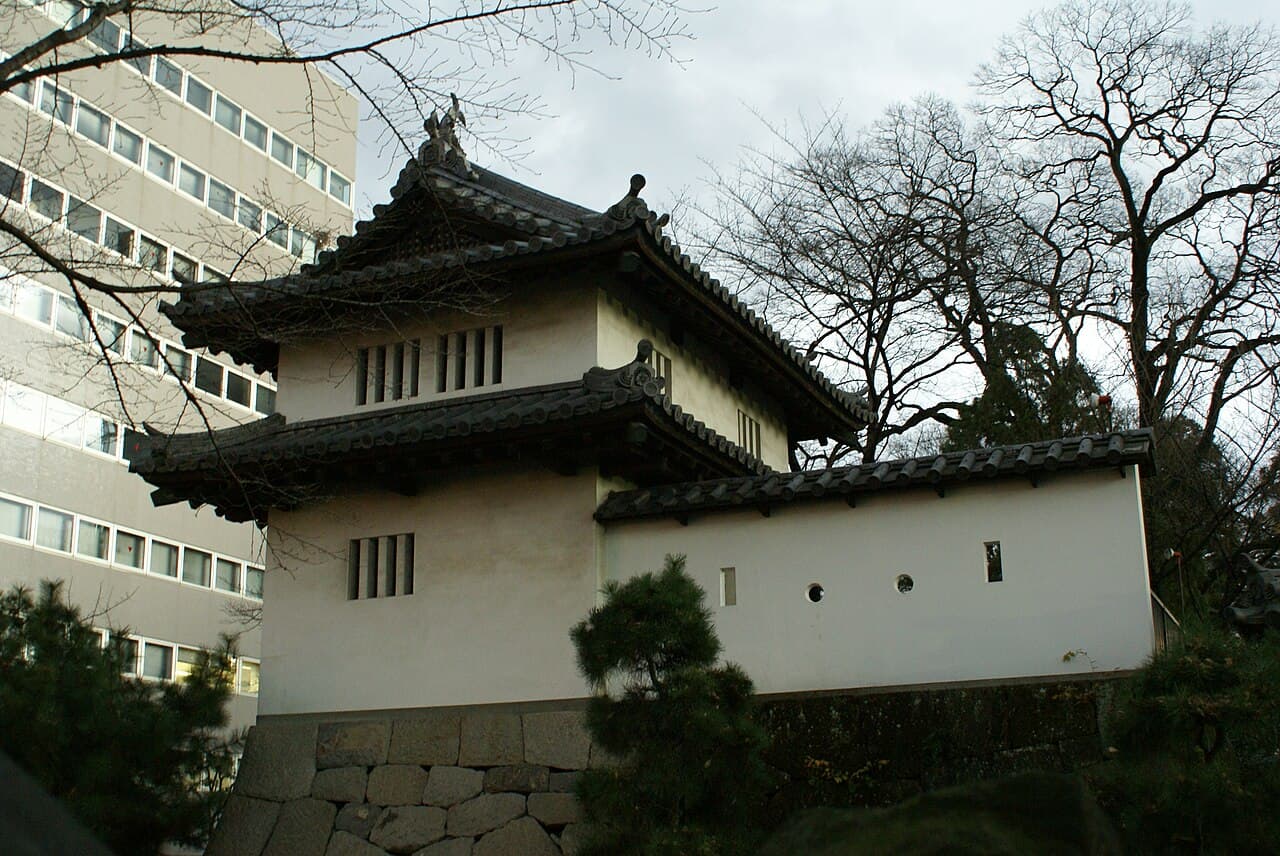
Other notable structures included gates fortified with defensive features, watchtowers positioned to monitor approaches, and residential quarters for retainers and servants. The castle's design reflects practical considerations of defense, administration, and daily life within a feudal stronghold.
Defensive elements
The castle's location atop a hill allowed defenders to observe and repel attackers effectively. Its stone walls were constructed to withstand sieges, while the moats added an additional barrier against enemy forces. The layout included narrow paths and steep slopes designed to slow and expose invaders.
Residential and administrative areas
Within the castle grounds, the honmaru contained the lord's residence and administrative offices. Surrounding baileys accommodated samurai residences, storehouses, and facilities necessary for governance and military readiness.
Role during the edo period
During the Edo period, Takasaki Castle became the administrative center of the Takasaki Domain. The Matsudaira clan, relatives of the Tokugawa shogunate, governed the domain from this castle, emphasizing its political significance. The castle functioned as a hub for local governance, tax collection, and military organization, reflecting the stable yet hierarchical nature of Tokugawa rule.
Although the castle did not see major battles during this peaceful era, it was maintained and occasionally renovated to serve the needs of its ruling clan. Its presence symbolized the authority and prestige of the Matsudaira family within the region.
Modern status and preservation
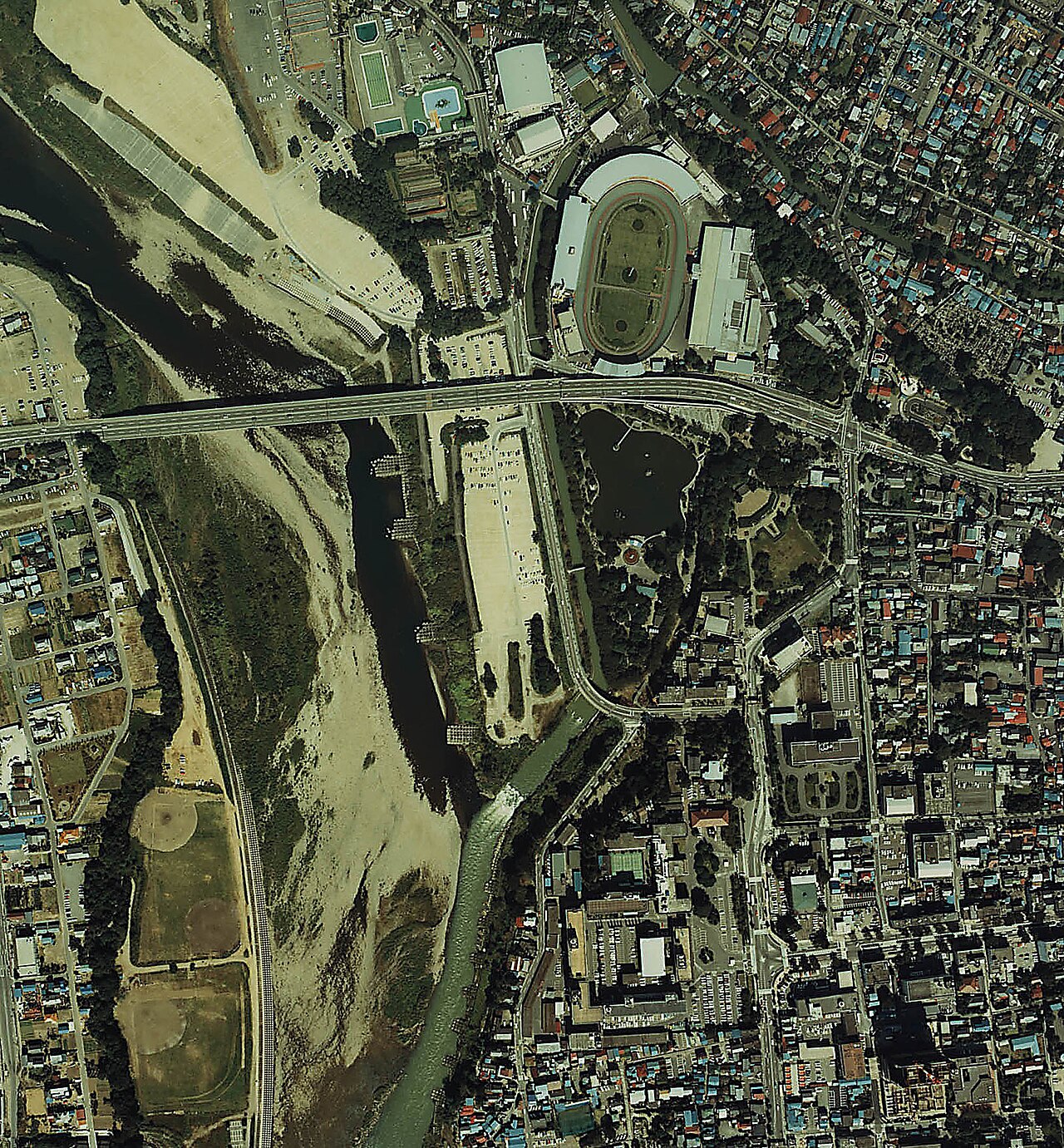
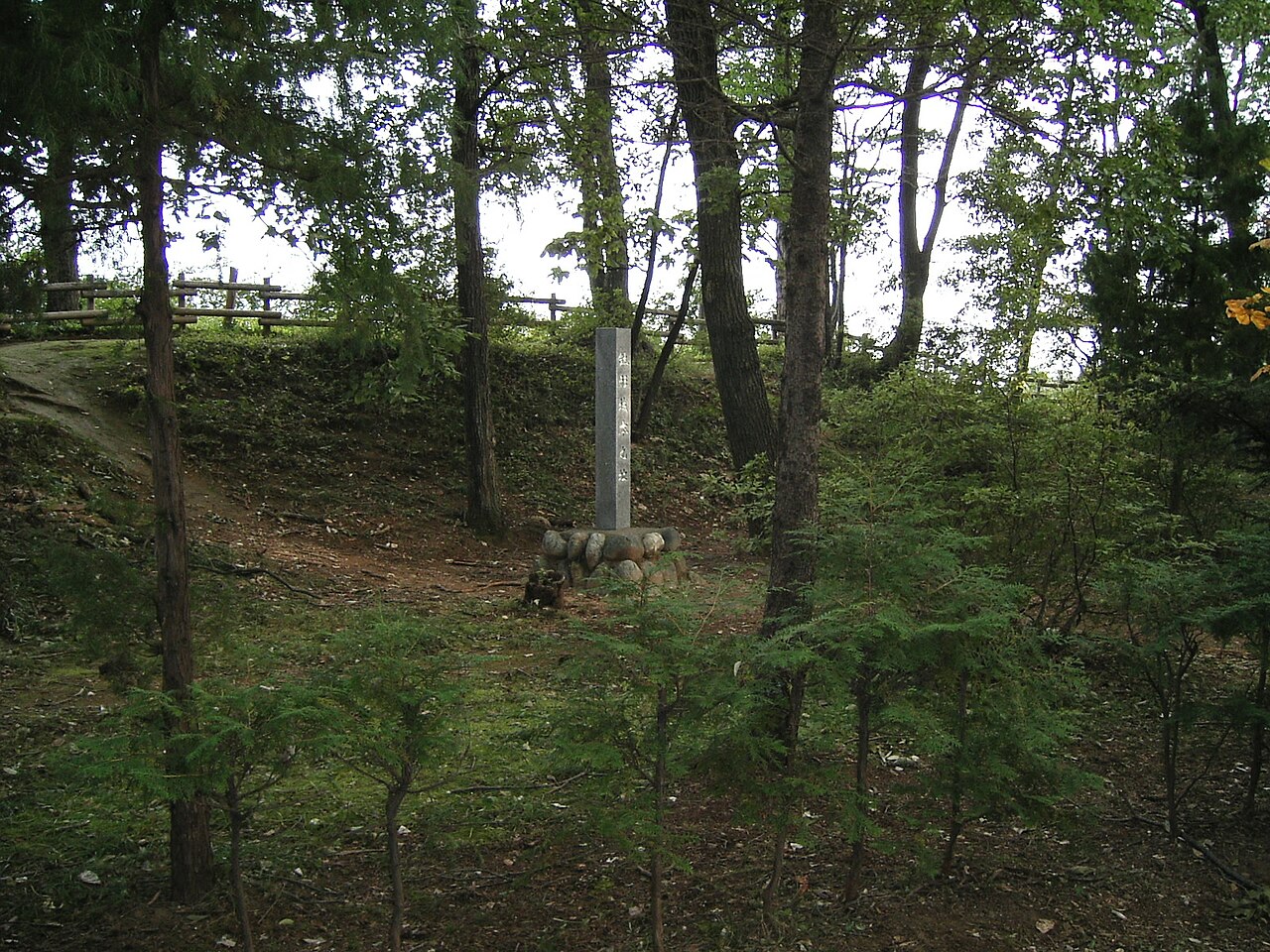
Today, Takasaki Castle no longer retains its original structures, as many were dismantled or destroyed during the Meiji Restoration and subsequent modernization efforts. However, the castle grounds remain a significant cultural site, with reconstructed gates and stone walls providing visitors a glimpse into its past grandeur.
The site is accessible to the public and features a park that preserves the castle's historical footprint. Archaeological studies continue to uncover details about the castle's construction and usage, contributing to the understanding of feudal Japanese castles.
Cultural importance
Takasaki Castle is recognized as an important heritage site in Gunma Prefecture, reflecting the region's feudal history and architectural traditions. It attracts historians, tourists, and local residents interested in Japan's samurai era and castle architecture.
Visitor information
The castle grounds are open year-round, offering scenic views and educational opportunities. Visitors can explore the reconstructed elements, enjoy walking paths along the former moats and walls, and participate in local events held at the site.
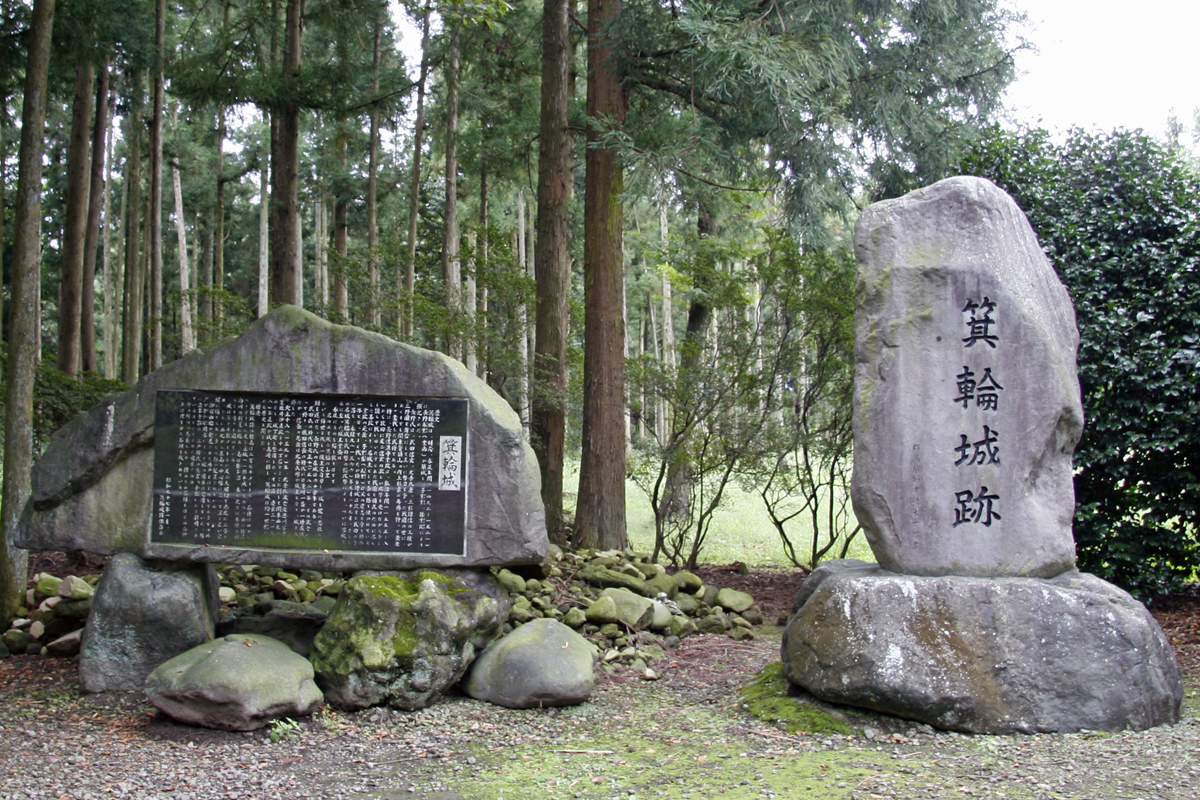
While the original tenshu no longer exists, the preserved features and interpretive signage provide valuable insights into the castle's historical role and architectural design.
Frequently asked questions (FAQ)
- When was Takasaki Castle originally built?
- Takasaki Castle was originally constructed in the 16th century during the Sengoku period, a time of frequent military conflicts in Japan.
- What architectural style characterizes Takasaki Castle?
- Takasaki Castle is a hill castle featuring traditional Japanese castle architecture with stone walls, moats, and multiple baileys designed for defense and administration.
- Is Takasaki Castle open to visitors?
- Yes, the castle grounds are open to the public year-round and include reconstructed gates and stone walls, along with walking paths and educational signage.
- Who ruled Takasaki Castle during the Edo period?
- During the Edo period, the castle was governed by a branch of the Matsudaira clan, who were daimyō of the Takasaki Domain under the Tokugawa shogunate.
- What remains of Takasaki Castle today?
- While the original main keep no longer exists, parts of the stone walls, gates, and the castle grounds have been preserved and are accessible to visitors as a historic park.
Photo gallery

Information
Loading map...
Visitor reviews
No reviews yet. Been here? Write the first review and help other travelers!
Write the first reviewVisited this castle? Share your experience
Your review helps other travelers and adds first-hand knowledge to our encyclopedia.