Hachigata Castle
Hachigata Castle stands as a remarkable example of a late medieval hill castle in the Kanto region of Japan, specifically in Yorii, Saitama Prefecture. Originally constructed around 1476 by Nagao Kageharu, the castle gained significant strategic importance during the Sengoku period. It was later extensively fortified and renovated by Hojo Ujikuni after he assumed lordship under his father, Hojo Ujiyasu, in 1560. This castle's location and design reflect the military ingenuity of the period and the Hojo clan's efforts to defend their territories against powerful rivals.
Strategic location and natural defenses
Hachigata Castle is situated at a critical crossroads in the Tokyo-Kanto area, controlling key routes from northern regions such as Shinshu and Joshu. Its position between two rivers, the Ara River and the Fukazawa River, provides natural defensive advantages. The castle is perched atop high cliffs overlooking the Ara River, creating formidable barriers against attackers. These natural features, combined with the castle's extensive layout, made it exceptionally difficult to besiege.
Topography and fortifications
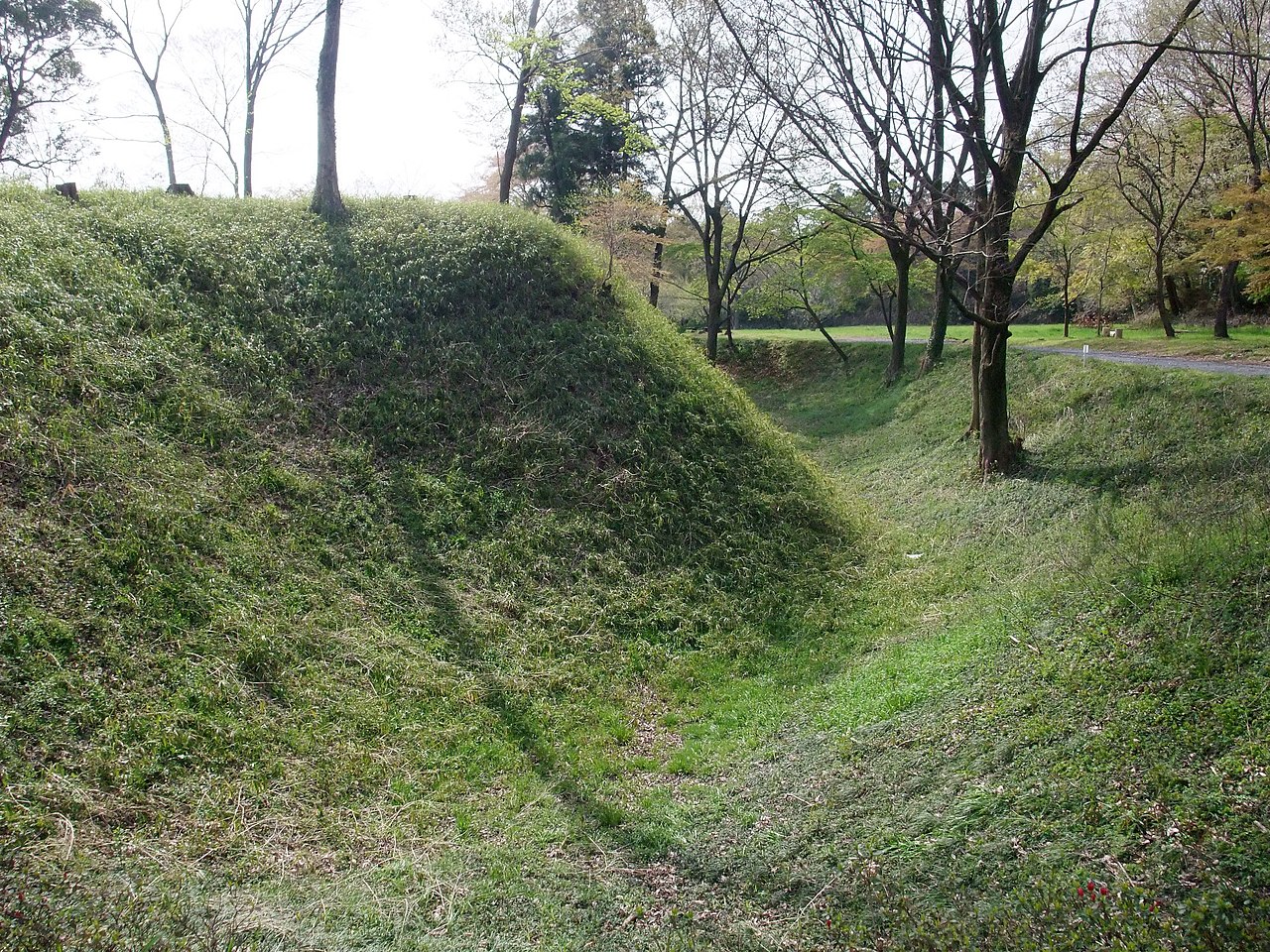
The castle's design effectively integrates the terrain, utilizing the steep cliffs and riverbanks to enhance defense. The vast size of the castle complex included multiple baileys (courtyards), moats, and earthen walls, which were typical of hill castles in Japan during the late medieval period. The defensive structures were carefully planned to slow and expose attacking forces, maximizing the defenders' ability to repel sieges.
Historical significance and military engagements
Hachigata Castle played a pivotal role in the power struggles of the Sengoku period. In 1569, it successfully repelled the forces of the famed warlord Takeda Shingen, forcing his army to retreat southward. This victory underscored the castle's strategic importance in protecting the Hojo clan's northern frontiers.
Later, in 1590, during Toyotomi Hideyoshi's campaign to unify Japan, Hachigata Castle was besieged by the combined forces of Maeda Toshiie and Uesugi Kagekatsu. Despite being outnumbered, the castle's garrison of approximately 3,000 defenders held out for a month. Eventually, Hojo Ujikuni surrendered the castle under the condition that the lives of his men would be spared. This siege marked one of the last stands of the Hojo clan before their eventual downfall.
Architectural features and layout
The castle's architecture reflects typical late medieval Japanese defensive design, emphasizing natural terrain and layered fortifications. The complex included multiple baileys, each protected by earthen ramparts and dry moats. The main enclosure housed the lord's residence and key administrative buildings, while outer enclosures served as defensive buffers and housed retainers.
Stonework was used sparingly compared to later castles, with earthen walls and wooden structures predominating. The castle's extensive use of natural cliffs as defensive walls is a distinctive feature, reducing the need for artificial fortifications on those sides. Gatehouses and watchtowers were strategically placed to monitor approaches and provide overlapping fields of fire.
Defensive innovations
Hachigata Castle employed innovative defensive measures for its time, including complex gate systems designed to trap and expose attackers. The use of multiple baileys allowed defenders to fall back in stages if outer defenses were breached. The castle's layout maximized the advantages of its hilltop position, with narrow paths and steep slopes hindering enemy movements.
Preservation and visitor experience
Today, Hachigata Castle is partially preserved, with extensive ruins that offer insight into its original scale and design. The site is recognized as one of the best-preserved castle ruins in the Tokyo-Kanto region. Archaeological research has uncovered foundations, moats, and earthworks, helping historians reconstruct the castle's appearance and function.
The castle grounds include a well-curated museum, which charges a modest entrance fee (approximately 200 yen). This museum is highly regarded for its detailed models and a virtual reality presentation that vividly recreates the castle's historical environment. Visitors are encouraged to start their tour at the museum to gain a comprehensive understanding before exploring the ruins.
The combination of natural beauty, historical significance, and educational resources makes Hachigata Castle a must-visit destination for castle enthusiasts and history buffs in the Tokyo area. The preserved ruins and interpretive exhibits provide a tangible connection to Japan's tumultuous Sengoku era and the legacy of the Hojo clan.
Access and amenities
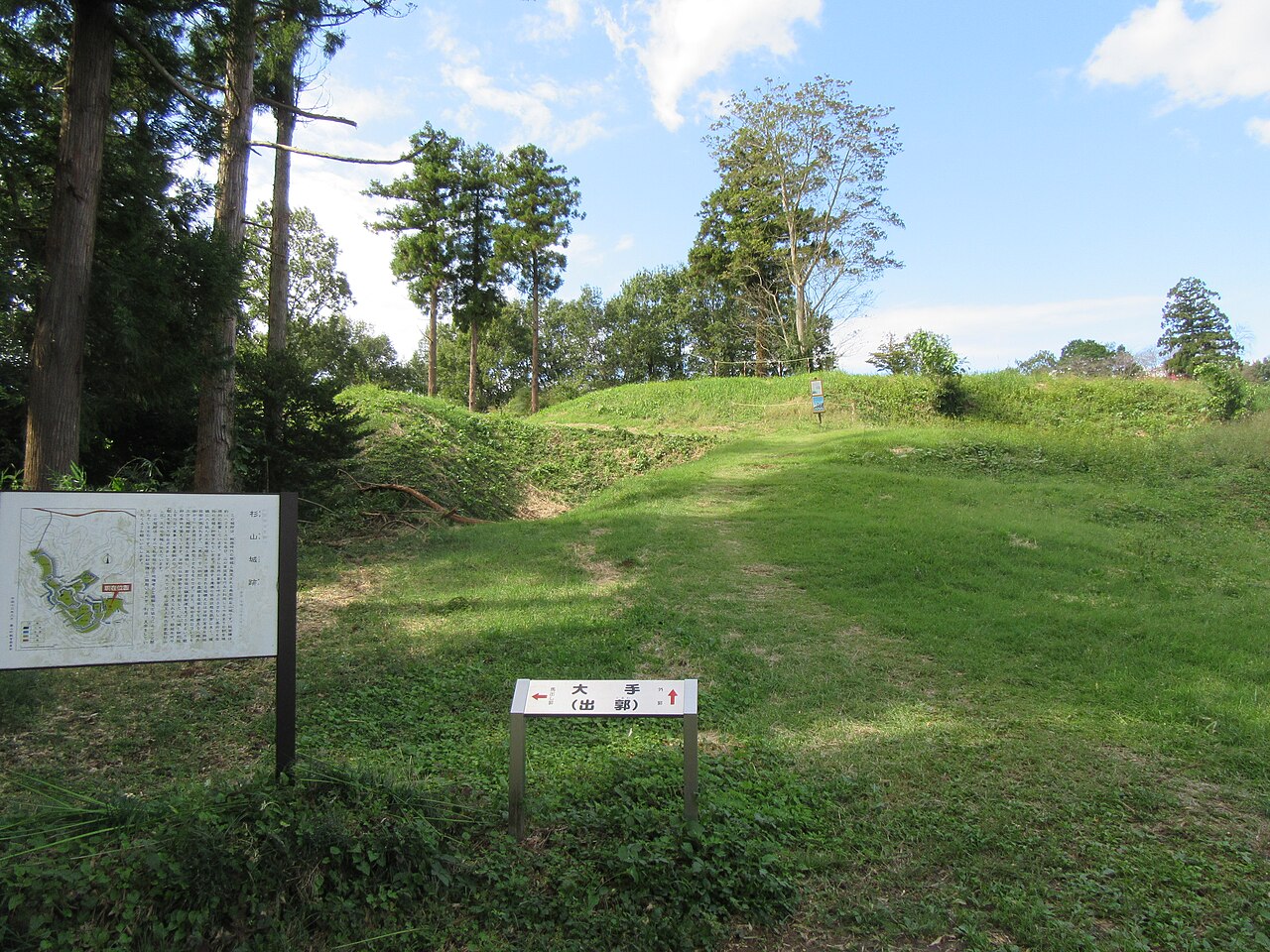
The castle is accessible from Yorii town, with walking trails leading through the ruins and along the riverbanks. Signage and information panels throughout the site help visitors appreciate the castle's layout and historical context. While some areas are rugged due to the natural terrain, the site is generally suitable for visitors with moderate mobility.
Nearby attractions include other historical sites related to the Hojo clan and scenic spots along the Ara and Fukazawa Rivers. The region offers a blend of cultural heritage and natural landscapes, appealing to a wide range of tourists.
Frequently asked questions (FAQ)
- How do I get to Hachigata Castle from Tokyo?
- Hachigata Castle is accessible by train and bus from Tokyo. Visitors can take a train to Yorii Station and then a short bus or taxi ride to the castle site. The journey typically takes around two hours.
- What makes Hachigata Castle historically significant?
- The castle is historically significant for its role in repelling Takeda Shingen's forces in 1569 and resisting Toyotomi Hideyoshi's siege in 1590. It was a key stronghold of the Hojo clan during the Sengoku period.
- Can I explore the ruins of Hachigata Castle?
- Yes, visitors can explore the extensive ruins, including moats, earthworks, and foundations. The site offers walking trails and informational signage to guide visitors through the castle's layout.
- Is there a museum at Hachigata Castle?
- Yes, there is a well-curated museum at the castle site with detailed models and a virtual reality presentation. The museum entrance fee is about 200 yen, and it is recommended to visit it before exploring the ruins.
- When is the best time to visit Hachigata Castle?
- The best time to visit is during spring and autumn when the weather is mild, and the surrounding nature is particularly beautiful. These seasons also enhance the experience of walking through the castle's natural defenses and ruins.
Photo gallery

Information
Sources & official resources
Verify the information above using these authoritative references.
Loading map...
Visitor reviews
No reviews yet. Been here? Write the first review and help other travelers!
Write the first reviewVisited this castle? Share your experience
Your review helps other travelers and adds first-hand knowledge to our encyclopedia.