
Minowa Castle
Minowa Castle is a significant hill castle located in Takasaki, Japan, renowned for its expansive layout and rich history during the Sengoku period. Established around 1500 by Nagano Narihisa, the castle served as the stronghold for his family for four generations until its capture by the formidable warlord Takeda Shingen in 1566. This castle's strategic importance is reflected in its complex defensive features, including multiple baileys, trenches, stone walls, and earthworks, which illustrate the military architecture of the time.
Following the fall of the Takeda clan, Oda Nobunaga took control of Minowa Castle in 1582 and appointed Takigawa Kazumasa as its ruler. However, the castle's control rapidly shifted when the Gohojo clan seized it less than a month later, with Hojo Ujikuni administering it from nearby Hachigata Castle. The castle's prominence continued through the late 16th century, particularly after the downfall of the Hojo clan in 1590, when the influential Tokugawa Ieyasu stationed the notable general Ii Naomasa at Minowa Castle.
Ii Naomasa undertook extensive renovations, which are responsible for much of the existing structural remnants visible today. His efforts included strengthening the castle's defensive works and enhancing its overall fortifications to meet the evolving demands of warfare during the Azuchi-Momoyama period. However, in 1598, Ii Naomasa relocated to Takasaki Castle, leading to the abandonment of Minowa Castle.
Architectural features and layout
The castle is celebrated for its vast size and diverse defensive elements, making it a captivating site for both casual visitors and dedicated castle enthusiasts. The castle complex includes a beautifully reconstructed Umadashi gate (rebuilt in 2016) and an impressive bridge to the honmaru (main bailey), reconstructed in 2022. These reconstructions highlight the castle's original defensive ingenuity, particularly the use of the umadashi—a fortified gate complex designed to trap and expose attackers.
Beyond these highlighted structures, Minowa Castle features extensive stone walls and intricate earthworks that have been carefully restored or cleared as part of a long-term redevelopment project by the local municipality. The project, ongoing for over a decade, has enhanced accessibility and visibility of the castle's multiple baileys, trenches, and former gates, allowing visitors to appreciate the scale and complexity of the site.
Defensive design elements
The castle's design incorporates multiple layers of defense, including deep trenches and earthen ramparts that protected the inner baileys. The use of stone walls was strategic, providing both a physical barrier and a psychological deterrent to invading forces. The extensive earthworks surrounding the honmaru and umadashi gate exemplify the sophisticated military engineering of the period.
Reconstruction and preservation efforts
Minowa Castle's preservation has been a focus of local heritage initiatives, with significant efforts to restore key features and clear overgrown sections. The recent reconstruction of the umadashi gate and the connecting bridge to the main bailey are central to these efforts, with further work planned to complete the honmaru gate on the inner side of the bridge. This ongoing restoration enhances the visitor experience and underscores the castle's cultural importance.
Historical significance and legacy
Minowa Castle played a pivotal role during the turbulent Sengoku period, serving as a strategic military base for several influential clans. Its history of changing hands among powerful warlords such as Takeda Shingen, Oda Nobunaga, and the Gohojo clan reflects the shifting alliances and conflicts characteristic of the era.
The castle's association with Tokugawa Ieyasu and Ii Naomasa further cements its significance in the transition toward the unification of Japan under Tokugawa rule. The abandonment of Minowa Castle in favor of Takasaki Castle marks a shift in regional power centers during the early Edo period.
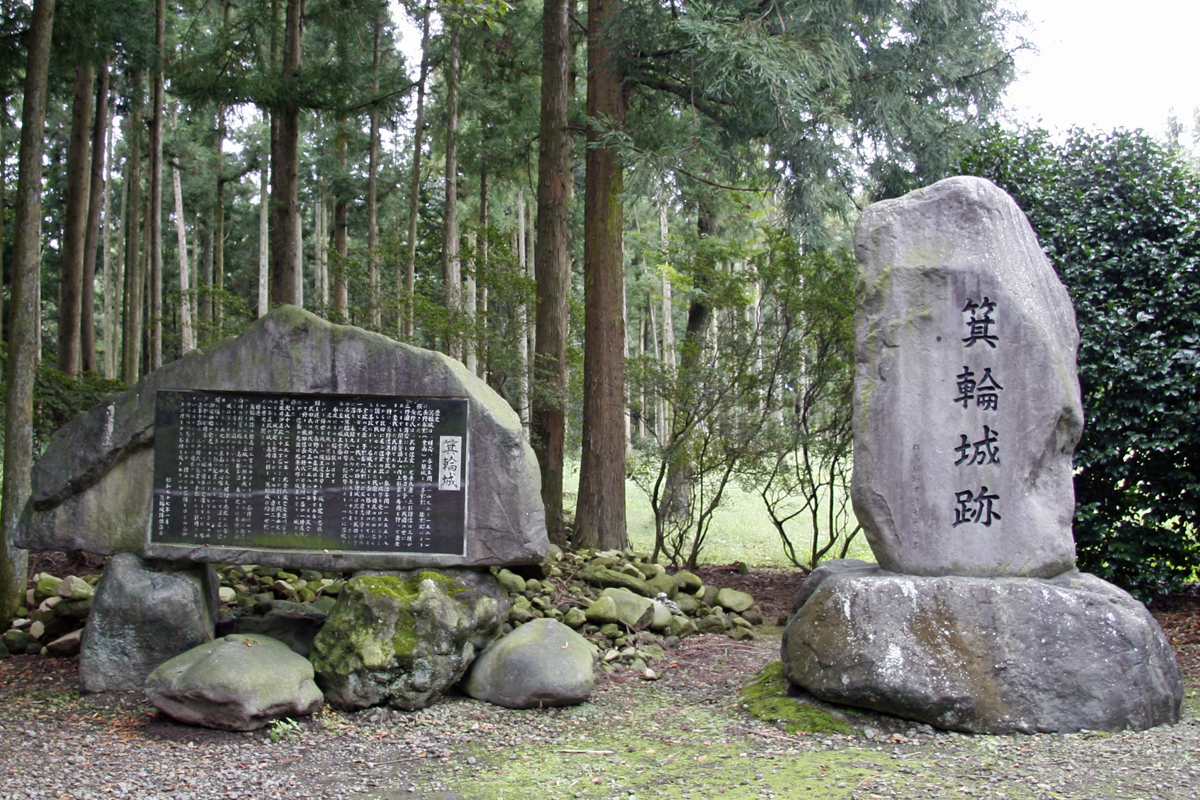
Photo by デジタルカメラ • Public domain
Visitor information and access
Today, Minowa Castle is a popular destination for history enthusiasts and tourists interested in Japan's feudal past. The site offers extensive grounds for exploration, with numerous baileys, trenches, and remnants of gates and walls accessible to the public. Visitors can enjoy walking tours that highlight the castle's architectural features and historical context.
Access to the castle is facilitated by several bus routes, with the closest stop located less than a five-minute walk from the site. More frequent buses stop approximately 15 minutes away, providing flexible options for visitors. The ongoing restoration work may temporarily restrict access to some areas, such as the bridge to the honmaru gate, so planning visits accordingly is recommended.
Minowa Castle stands as a testament to Japan's rich military heritage and architectural ingenuity, offering a deeply immersive experience into the Sengoku period's complex history and castle construction techniques.
Frequently asked questions (FAQ)
- When was Minowa Castle originally built and by whom?
- Minowa Castle was established around 1500 by Nagano Narihisa, who ruled from the castle for four generations.
- What are some key architectural features of Minowa Castle?
- The castle features extensive stone walls, earthworks, multiple baileys, trenches, and reconstructed gates including the Umadashi gate and a bridge to the honmaru.
- How can visitors access Minowa Castle using public transportation?
- Several bus routes serve the area, with the closest stop less than a five-minute walk from the castle, while other more frequent buses stop about 15 minutes away.
- Is Minowa Castle fully restored and open for exploration?
- Minowa Castle is partially preserved with ongoing restoration projects; many areas are accessible, but some parts like the bridge to the honmaru gate may be temporarily closed during construction.
- Who controlled Minowa Castle after the fall of the Takeda clan?
- After the Takeda clan, Oda Nobunaga briefly controlled the castle before it was taken over by the Gohojo clan, who ruled it from Hachigata Castle.
Photo gallery

Photo by デジタルカメラ•Public domain
Information
Sources & official resources
Verify the information above using these authoritative references.
Loading map...
Visitor reviews
No reviews yet. Been here? Write the first review and help other travelers!
Write the first reviewVisited this castle? Share your experience
Your review helps other travelers and adds first-hand knowledge to our encyclopedia.