Takao Fortress
Historical context and strategic importance
Takao Fortress was established in the late 1800s amid increasing foreign pressure and the modernization of military technology. Situated on the coast, the fortress's location was chosen strategically to guard the entrance to the harbor, which was vital for trade and military operations. The Qing government recognized the need for modern fortifications to counter the growing threat from Western powers and Japan, which were expanding their influence in East Asia during this period.
The fortress's construction reflected the Qing dynasty's adoption of Western-style military engineering, incorporating European bastion designs that allowed for better defense against artillery and naval bombardment. This adaptation marked a shift from traditional Chinese fortifications to more modern, angular bastions designed to cover all approaches with overlapping fields of fire.
Architectural features and layout
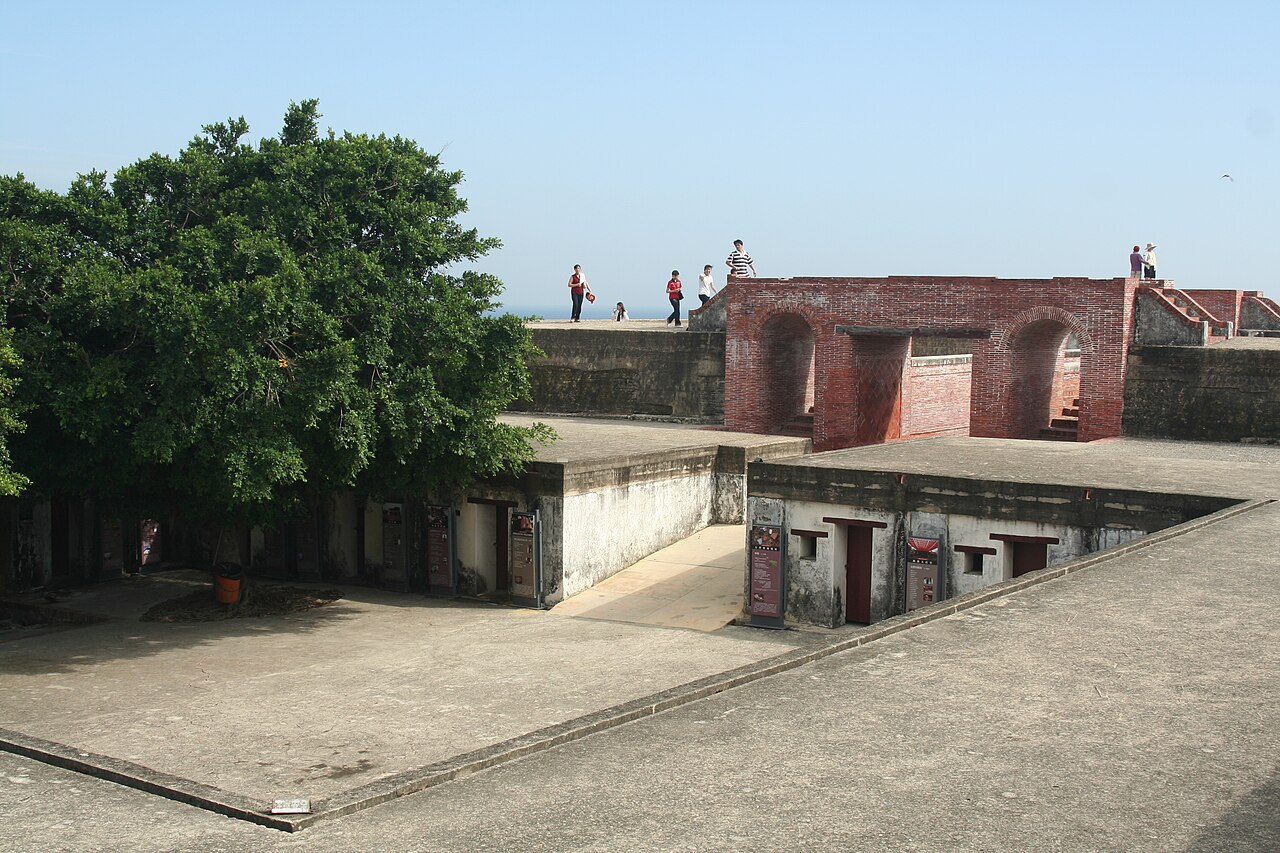
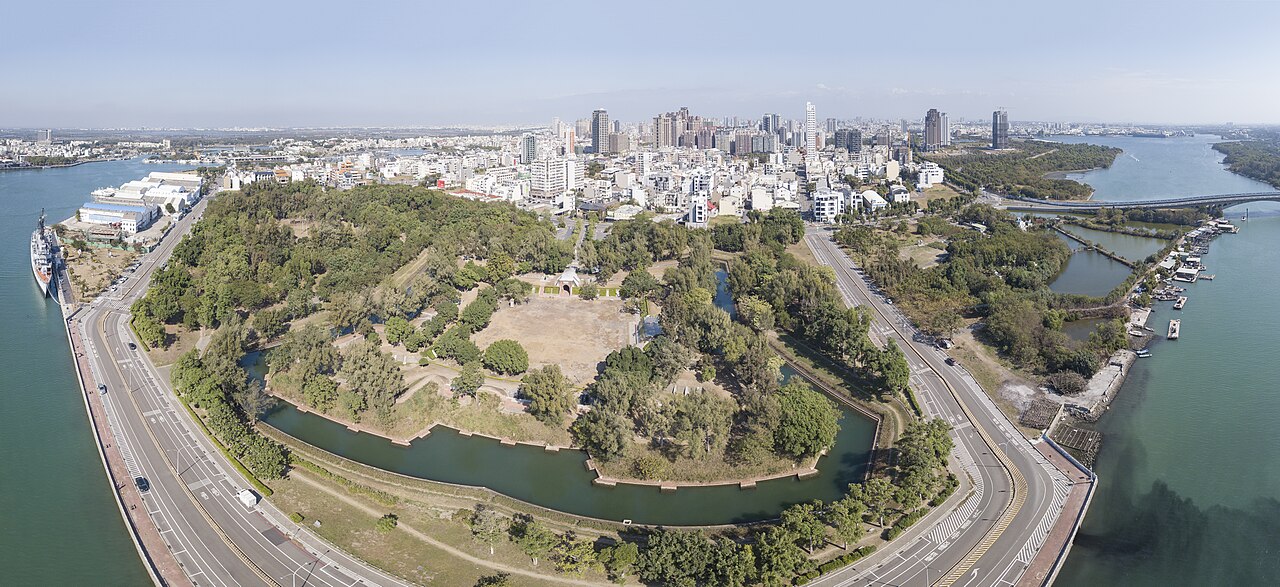
Takao Fortress is characterized by its bastioned layout, which includes multiple angular bastions projecting from the main walls. These bastions were designed to eliminate blind spots and allow defenders to fire upon attackers approaching the walls from various angles. The walls themselves were constructed using thick masonry and earthworks to absorb and deflect artillery fire.
The fortress included gun emplacements equipped with cannons positioned to cover the harbor entrance and surrounding waters. Defensive features such as moats and ramparts further enhanced its protective capabilities. Inside the fortress, there were facilities for the garrison, including barracks, ammunition storage, and command posts.
Defensive innovations
The bastioned design of Takao Fortress was part of the broader trend of coastal fortifications in the late 19th century, emphasizing overlapping fields of fire and the use of angled walls to reduce damage from enemy artillery. The fortress's artillery positions were carefully arranged to maximize coverage of the harbor approaches, making it difficult for enemy ships to enter without coming under heavy fire.
Role in the first sino-japanese war
During the First Sino-Japanese War, Takao Fortress was a focal point of defense against the advancing Japanese navy. Despite its modern design, the fortress was eventually overcome as Japanese forces captured Taiwan following the war. The fall of Takao Fortress marked a significant moment in Taiwan's history, leading to the island's cession to Japan under the Treaty of Shimonoseki in 1895.
The fortress's resistance demonstrated the Qing dynasty's efforts to modernize its military infrastructure, though it ultimately could not withstand the superior Japanese naval power and tactics of the time.
Legacy and current status
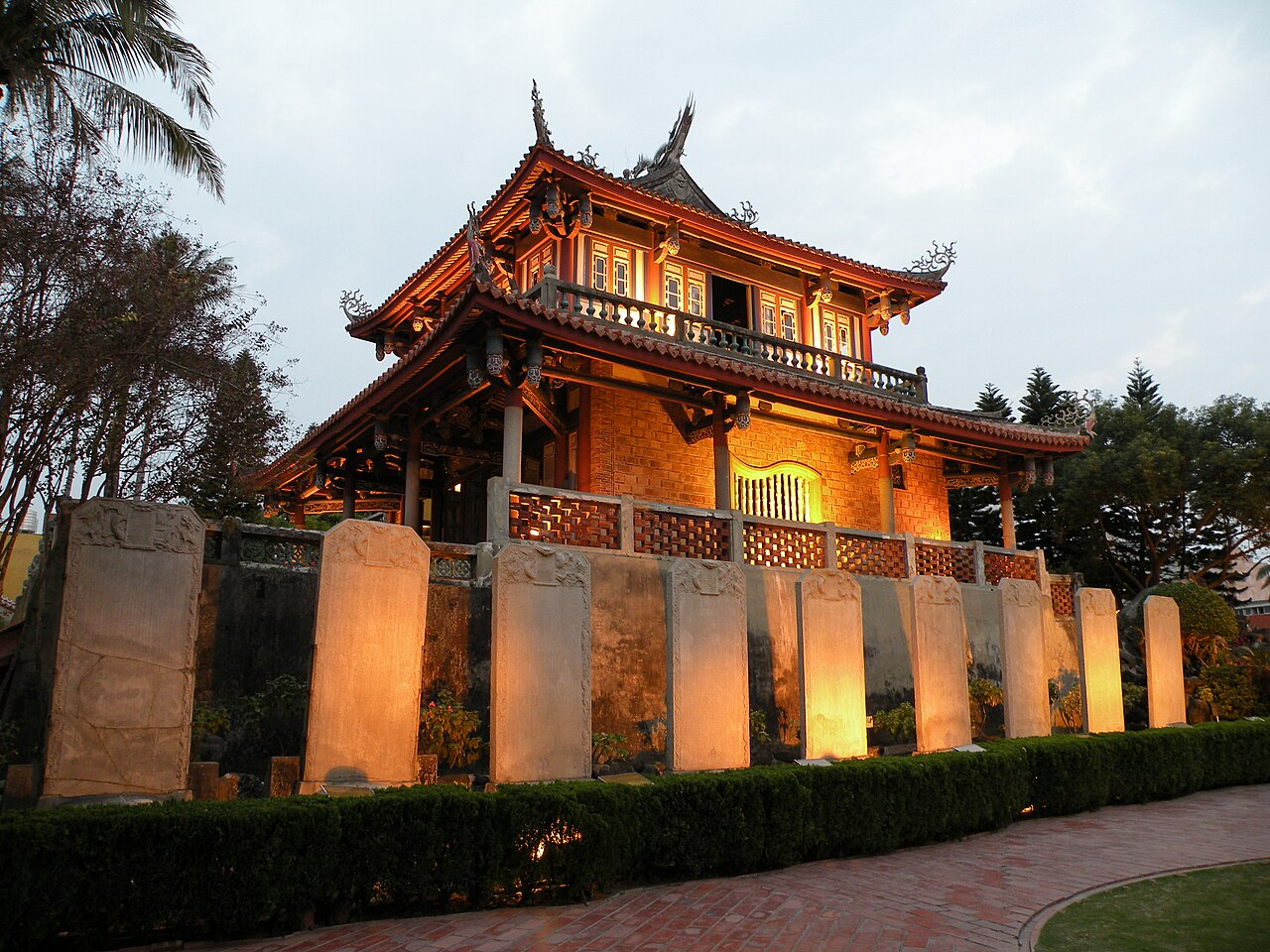
Today, Takao Fortress remains an important cultural and historical site in Kaohsiung. While much of the original structure has suffered from time and urban development, portions of the fortress's walls and bastions are still visible and have been preserved as part of Taiwan's heritage. The site offers insight into the military architecture of the late Qing period and the geopolitical struggles in East Asia during the late 19th century.
Visitors to the site can explore the remnants of the fortress and learn about its role in Taiwan's history through informational displays and guided tours. The fortress stands as a reminder of Taiwan's complex past and the evolution of coastal defense strategies in response to changing military technologies and international pressures.
Frequently asked questions (FAQ)
- What is the historical significance of Takao Fortress?
- Takao Fortress played a key role in Taiwan's coastal defense during the late 19th century, especially in the First Sino-Japanese War. It represents the Qing dynasty's efforts to modernize military fortifications against foreign naval threats.
- Can I visit Takao Fortress today?
- Yes, visitors can explore the partially preserved remains of Takao Fortress in Kaohsiung. The site is open daily from 09:00 to 17:00 and admission is free.
- What architectural features define Takao Fortress?
- The fortress is characterized by its bastioned layout with angular bastions, thick masonry walls, moats, and gun emplacements designed for coastal defense.
- When was Takao Fortress built?
- Takao Fortress was constructed in the late 19th century during the Qing dynasty's efforts to strengthen Taiwan's coastal defenses.
- Why is Takao Fortress important in Taiwan's history?
- It marks a significant period of military modernization in Taiwan and was a key defensive site during the First Sino-Japanese War, influencing Taiwan's subsequent history under Japanese rule.

Information
Opening hours
09:00-17:00, daily
Ticket prices
Free
Current owner
Municipality of Kaohsiung
Loading map...
Visitor reviews
No reviews yet. Been here? Write the first review and help other travelers!
Write the first reviewVisited this castle? Share your experience
Your review helps other travelers and adds first-hand knowledge to our encyclopedia.