Taipa Fortress — China castle

Taipa Fortress

Taipa Fortress in Macau, China
Taipa, China
Modern (19th–20th c.)
Partially Preserved

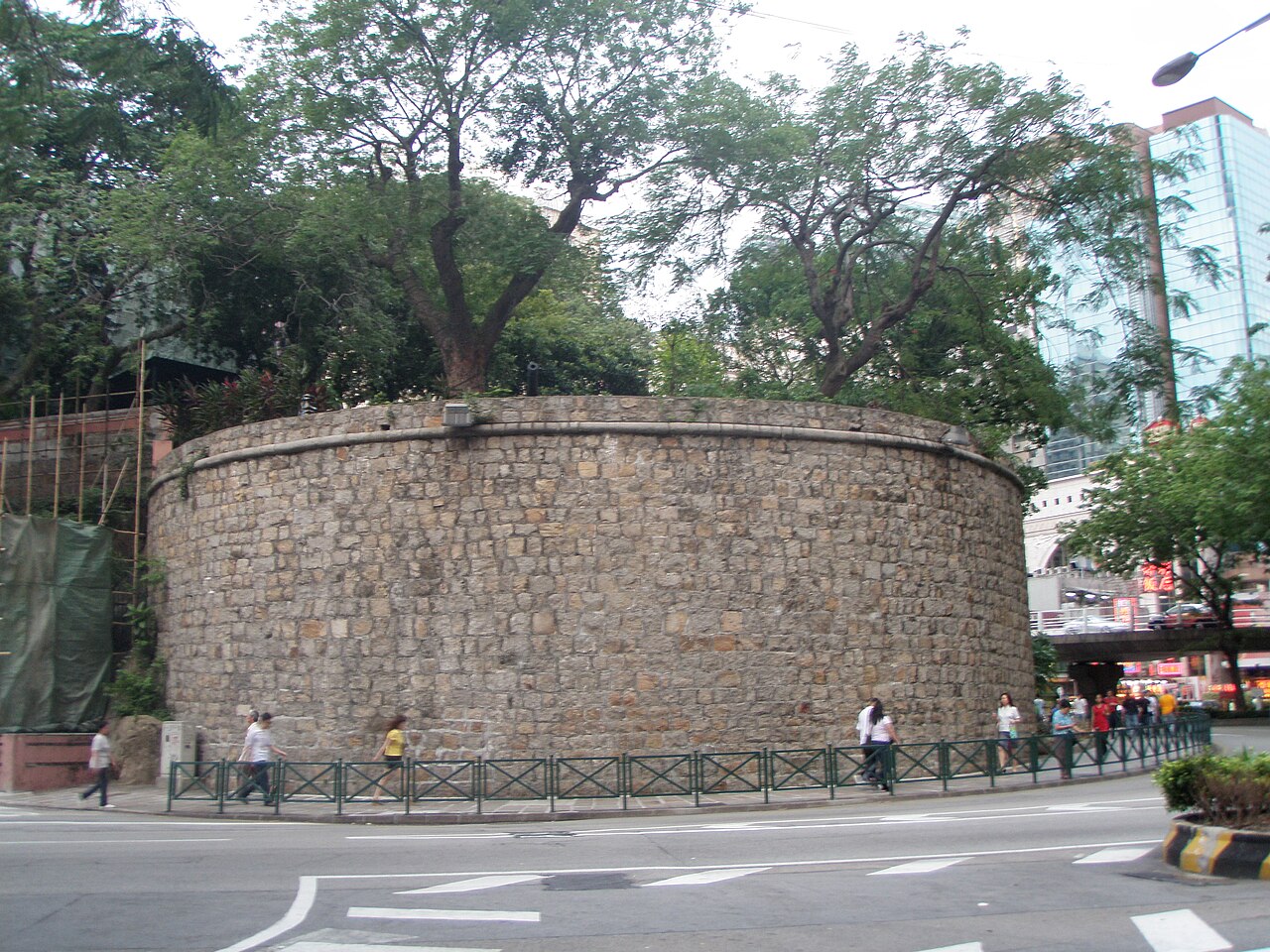
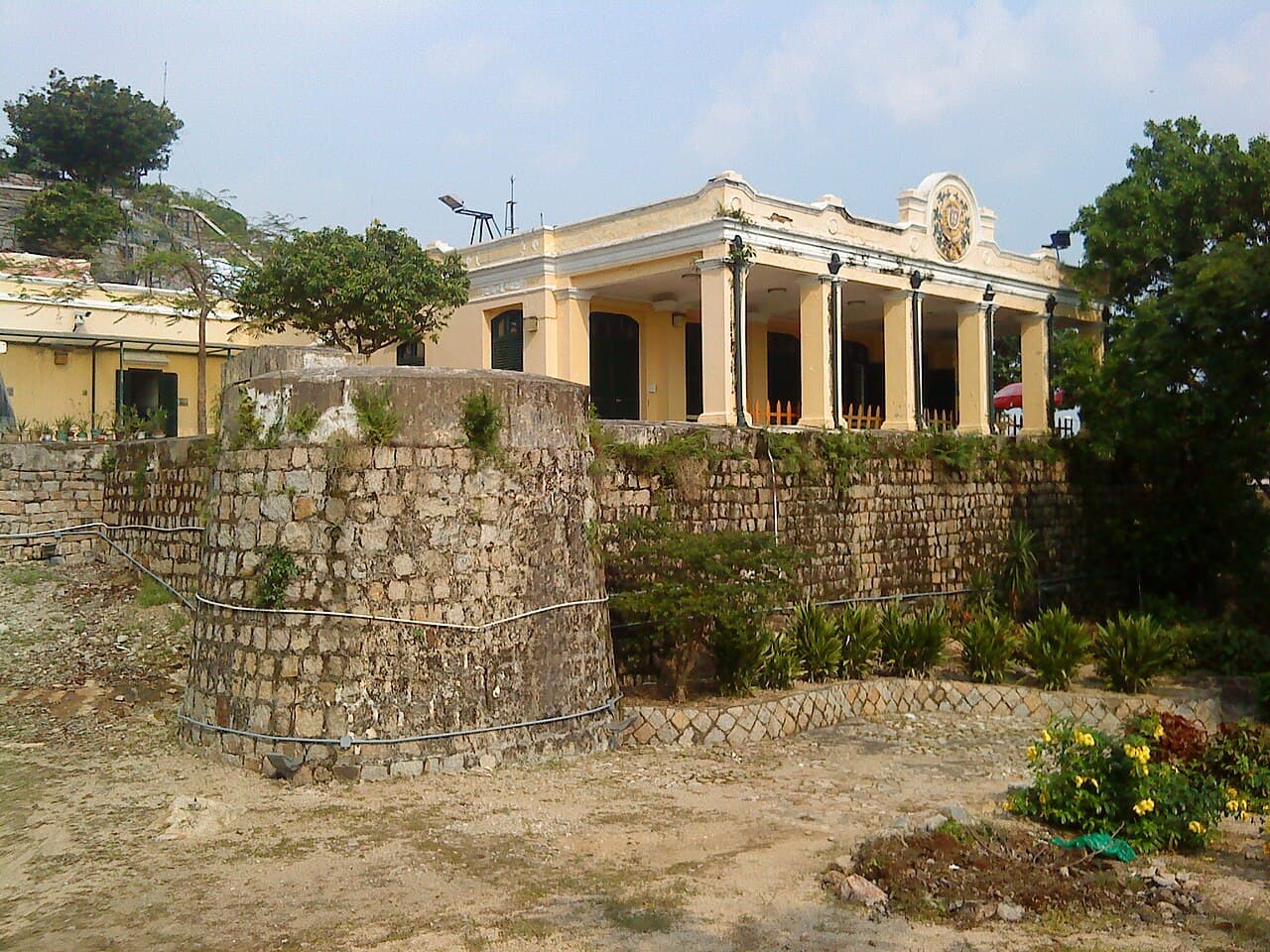
Taipa Fortress (Chinese: 氹仔炮台; Portuguese: Fortaleza da Taipa) is a 19th-century bastioned fortress situated in northwestern Taipa, in the Special Administrative Region of Macau, China. This fortress is notable for its role in the coastal defense system during the late Qing dynasty and early colonial period, reflecting the military architecture and strategic concerns of its time.

Historical context and strategic importance

The construction of Taipa Fortress took place in the 19th century, a period marked by increasing foreign influence and military tensions in the region. Macau, as a Portuguese settlement, was strategically located along important maritime routes, necessitating robust defensive structures to protect against potential naval threats and piracy.

Taipa Fortress was part of a network of fortifications designed to secure the island of Taipa and its surrounding waters. Its position in northwestern Taipa allowed it to oversee and control access to key coastal areas, serving as a deterrent against hostile forces and safeguarding the local population and colonial interests.

Architectural features and design

The fortress exemplifies the bastioned fortress style, a military architectural form that evolved to withstand artillery attacks. Its design includes thick masonry walls arranged with bastions—projecting angular structures that enable defensive fire in multiple directions, eliminating blind spots.

The layout typically features a polygonal plan with bastions at the corners, allowing defenders to cover the walls with overlapping fields of fire. The walls were constructed using local stone and brick materials, providing durability against cannon fire.

Within the fortress, there were facilities such as gun emplacements, ammunition storage rooms, and quarters for the garrison. The design reflects a balance between defensive capability and the practical needs of the soldiers stationed there.

Military role and historical events

Throughout its operational period, Taipa Fortress played a role in the defense of Macau's territorial waters. Although it did not witness major battles, its presence contributed to the security of the region during periods of unrest in the late 19th and early 20th centuries.

The fortress was manned by a small garrison responsible for monitoring maritime activity and responding to potential threats. Its strategic position complemented other fortifications in Macau, forming a defensive network that helped maintain Portuguese control over the territory.

Preservation and current status

Today, Taipa Fortress is recognized as an important cultural and historical site in Macau. While some parts of the structure have been preserved and restored, others remain in a state of partial preservation. The fortress is accessible to visitors interested in military history and colonial architecture.

Efforts to maintain the fortress focus on preserving its distinctive bastioned features and educating the public about its historical significance. It stands as a tangible link to Macau's colonial past and its strategic maritime heritage.

Visiting Taipa Fortress

Visitors to Taipa Fortress can explore its ramparts and enjoy views of the surrounding coastal landscape. Informational plaques provide context about the fortress's history and architectural elements.

The site is generally open to the public, though specific visiting hours and ticketing policies may vary. It is recommended to check local resources for the latest visitor information.

Frequently asked questions (FAQ)

What is the historical significance of Taipa Fortress?
Taipa Fortress served as a coastal defense structure in the 19th century, protecting Macau's maritime approaches during a period of regional tension and colonial expansion.
Can I visit Taipa Fortress today?
Yes, Taipa Fortress is open to visitors. While some areas are partially preserved, visitors can explore the fortress and learn about its military history.
What architectural style characterizes Taipa Fortress?
The fortress is designed in the bastioned fortress style, featuring thick masonry walls and angular bastions for defensive coverage against artillery.
Where is Taipa Fortress located?
Taipa Fortress is located in northwestern Taipa, Macau, China, overlooking important coastal areas and maritime routes.
When was Taipa Fortress built?
Taipa Fortress was constructed in the 19th century during the modern period, reflecting military needs of that era.

Photo gallery

Taipa Fortress
Click to view

Photo by Keiziro•Public domain

1 photo • Click any image to view in full screen

Information

Bastioned Fortress

Loading map...

Visitor reviews

No reviews yet. Been here? Write the first review and help other travelers!

Write the first review

Visited this castle? Share your experience

Your review helps other travelers and adds first-hand knowledge to our encyclopedia.
Write a review

(5/5)

0/2000 characters

Your review will be visible after admin approval

Nearby castles

3.1 km
Fort São Tiago da Barra — China castle

Fort São Tiago da Barra

Macau, China

Fort São Tiago da Barra, also known as Barra Fort, is a prominent 17th-century bastioned fortress located at the base of Barra Hill, facing Lapa Island in Macau, China. It was historically one of the most important military structures in the city, playing a crucial role in the defense of Macau during the Renaissance period. Historical context and strategic importance The fort was constructed in the 17th century during the Renaissance, a time when European powers were expanding their influence in Asia. Macau, as a Portuguese colony, needed strong fortifications to protect against potential invasions by rival colonial powers and pirates. Fort São Tiago da Barra was strategically positioned to guard the entrance to the Inner Harbour of Macau, overseeing the vital maritime routes and ensuring control over naval access to the city. Its location at the base of Barra Hill allowed it to command a wide view of the surrounding waters and land approaches, making it a key defensive point. The fort's presence helped secure Macau's status as an important trading port and colonial outpost in the region. Architectural features and design Fort São Tiago da Barra is classified as a bastioned fortress, a style that emerged during the Renaissance to counter advances in artillery technology. The bastioned design includes angular bastions projecting from the main walls, allowing defenders to cover adjacent walls with overlapping fields of fire, eliminating blind spots. The fortress features thick stone walls constructed to withstand cannon fire, with a robust layout that integrates curved curtain walls and bastions arranged to maximize defensive coverage. The fort's entrance is fortified with a gatehouse and defensive structures such as moats or ditches, although the presence of a moat at this particular fort is less documented. Inside, the fort contained casemates for artillery placement, barracks for the garrison, and storage rooms for ammunition and supplies. The design reflects typical European military engineering principles adapted to the local topography and strategic needs of Macau. Role in Macau's defense and historical events Throughout its history, Fort São Tiago da Barra served as a frontline defense against naval attacks and pirate incursions. Its artillery batteries guarded the harbor entrance, deterring hostile fleets and safeguarding the colony's maritime commerce. The fort was maintained and upgraded periodically to keep pace with evolving military technology and threats. During times of conflict, including regional skirmishes and broader colonial rivalries, the fortress was a critical asset for the Portuguese administration. It also served as a symbol of Portuguese sovereignty and military presence in Macau. Preservation and current status Today, Fort São Tiago da Barra is well preserved and is recognized as a significant cultural and historical monument in Macau. It has been restored and maintained to retain its original architectural features, allowing visitors to explore its bastions, walls, and internal chambers. The fort is accessible to the public and offers insight into Macau's colonial past and military architecture. Its location near the waterfront provides scenic views of the harbor and surrounding areas, making it a popular destination for tourists interested in history and architecture. Architectural legacy and cultural significance Fort São Tiago da Barra exemplifies the Renaissance military architecture adapted to an Asian colonial context. Its bastioned design reflects the transfer of European fortification techniques to overseas territories, illustrating how military engineering evolved to meet new challenges. The fort contributes to Macau's rich heritage as a meeting point of East and West, symbolizing the city's strategic importance in maritime trade and colonial history. It stands as a testament to the Portuguese influence in the region and the enduring legacy of their defensive constructions.

Renaissance (15th–17th c.)
Details
3.8 km
Fort São Francisco — China castle

Fort São Francisco

, China

Fort São Francisco of Macau (Portuguese: Fortaleza de São Francisco de Macau), also known as the São Francisco Barracks (Quartel de São Francisco), is a historic bastioned fortress located in Macau, China. Originally constructed by the Portuguese Empire, this fortification played a significant role in the military defense of Macau from the early 17th century onward, reflecting the strategic importance of the region during the era of European colonial expansion in Asia. Early origins and battle significance The site of Fort São Francisco began as an artillery battery strategically positioned southeast of Praia Grande, overlooking the Taipa channel. This initial battery gained historical prominence during the Battle of Macau in 1622, when it successfully sank the Dutch warship Gallias. This engagement was part of the broader conflict between the Portuguese and Dutch empires for control over trade routes and colonial possessions in Asia. Following this military success, the battery was expanded in 1629 into a fully fortified bastioned structure. The fort was designed in an oval shape with walls approximately six meters high, incorporating bastions that allowed for improved artillery defense and coverage of the surrounding waters and land approaches. This expansion reflected the evolving military architecture of the early modern period, emphasizing the need for robust coastal defenses against naval threats. Relationship with the monastery and later modifications The fort was closely associated with the nearby Monastery of Saint Francis, established by Spanish missionaries in 1580. The monastery was an important religious and cultural institution in Macau until its closure in 1834 and demolition in 1861. The fort itself was integrated into the monastery complex, illustrating the intertwined nature of military and religious presence in colonial Macau. After the monastery's demolition, the fort site was repurposed as the headquarters for the São Francisco Barracks in 1866. This barracks housed the 4th Line Battalion, which had been transferred to Macau in 1864. The military function of the site thus continued well into the 19th century, adapting to new organizational and strategic needs. Additional fortifications were added nearby, such as the Battery 1º de Dezembro, constructed in 1872 just below the barracks on the cape. However, this battery was demolished in 1934 when the outer harbour area was filled in, marking changes in the urban and military landscape of Macau. Architectural features and armaments The fort's design as a bastioned fortress was typical of the period's military architecture, combining thick walls with angular bastions to provide overlapping fields of fire. Its artillery included a notable culverin cannon capable of firing a 17-kilogram cannonball across the channel, demonstrating the fort's role in controlling maritime access. The walls, standing six meters tall, were constructed to withstand artillery bombardment and to provide a defensible position against both naval and land attacks. The oval layout allowed for efficient placement of guns and troops, maximizing the fort's defensive capabilities. Modern use and preservation Today, Fort São Francisco houses the Macau Security Forces Management Bureau and Museum, established in 1991. This institution took over the functions of the former Public Security Forces Headquarters, preserving the site's military heritage while serving contemporary administrative and educational purposes. The museum displays a collection of historical artillery pieces, including old guns and armored vehicles, along with paintings depicting the fort and monastery as they appeared in earlier centuries. Other military artifacts are also exhibited, providing visitors with insights into Macau's colonial military history and the evolution of its defenses. Fort São Francisco remains a significant cultural landmark in Macau, illustrating the blend of European military architecture with the unique historical context of a Portuguese colony in China. Its preservation allows for ongoing study and appreciation of the region's complex colonial past and military heritage.

Modern (19th–20th c.)
Details
4.5 km
Guia Fortress — China castle

Guia Fortress

Macau, China

The Guia Fortress (Fortaleza da Guia in Portuguese; 東望洋炮台 in Chinese) is a prominent 17th-century bastioned fortress located in the São Lázaro district of Macau, China. This historic complex includes a military fort, a chapel, and a lighthouse, forming a unique architectural ensemble that reflects the colonial military and religious history of the region. It is an integral part of the UNESCO World Heritage Site Historic Centre of Macau, recognized for its cultural and historical significance. Historical background and strategic importance Constructed in the early 1600s, the Guia Fortress was built by the Portuguese colonial administration to protect Macau from potential naval attacks and pirate incursions. The fortress's location atop Guia Hill provided a commanding vantage point over the South China Sea and the city below, making it a critical defensive structure. Its design incorporates bastioned fortification principles, which were advanced military architectural techniques of the time, aimed at withstanding artillery bombardments and improving defensive capabilities. Architectural features and layout The fortress complex is notable for its combination of military, religious, and navigational structures. The bastioned walls are thick and robust, designed to resist cannon fire, and include angled bastions that allow defenders to cover all approaches with overlapping fields of fire. Within the fortress stands the Guia Chapel, a small but historically significant religious building that served the spiritual needs of the garrison. The chapel is decorated with traditional Portuguese azulejos (ceramic tiles) and features a simple yet elegant design. Adjacent to the chapel is the Guia Lighthouse, the first modern lighthouse on the Chinese coast. Built in the 1860s, the lighthouse is a cylindrical tower rising above the fortress walls, equipped with a powerful light that guided ships safely into Macau's harbor. This lighthouse remains operational and is a symbol of Macau's maritime heritage. Defensive structures The fortress's bastions and walls are arranged to maximize defensive coverage, with thick stone construction and embrasures for cannons. The design reflects European military engineering adapted to the local terrain and strategic needs. The fortress also includes a moat and a gatehouse, enhancing its defensive capabilities. Religious and navigational elements The Guia Chapel within the fortress is dedicated to Our Lady of Guia, reflecting the religious traditions brought by the Portuguese colonists. Its interior contains religious artworks and azulejo panels depicting biblical scenes. The lighthouse, constructed later, represents the technological advancement and importance of maritime navigation in Macau's development as a trading port. Conservation status and modern challenges The Guia Fortress is currently well preserved and maintained as a cultural heritage site under Macau's jurisdiction. However, since 2010, the view of the fortress and its lighthouse has been partially obscured by the construction of the Macau Liaison Office building. This development has sparked criticism from local citizens and heritage scholars who argue that urban planning decisions have compromised the visual integrity and conservation of this historic landmark. Despite these challenges, the fortress remains an important tourist attraction and a symbol of Macau's colonial past and cultural fusion. Efforts continue to balance urban development with heritage preservation in the rapidly changing cityscape. Visiting guia fortress Visitors to the Guia Fortress can explore its bastioned walls, the chapel, and the lighthouse. The site offers panoramic views of Macau and the surrounding sea, although some sightlines have been affected by modern buildings. The fortress is accessible by foot and is part of guided tours that highlight its military, religious, and maritime history. Opening hours and ticket prices vary, but the site is generally open to the public, providing educational materials and exhibits about its historical significance. The fortress is a key destination for those interested in colonial architecture, military history, and maritime navigation.

Modern (19th–20th c.)
Details