Taganrog Fortress
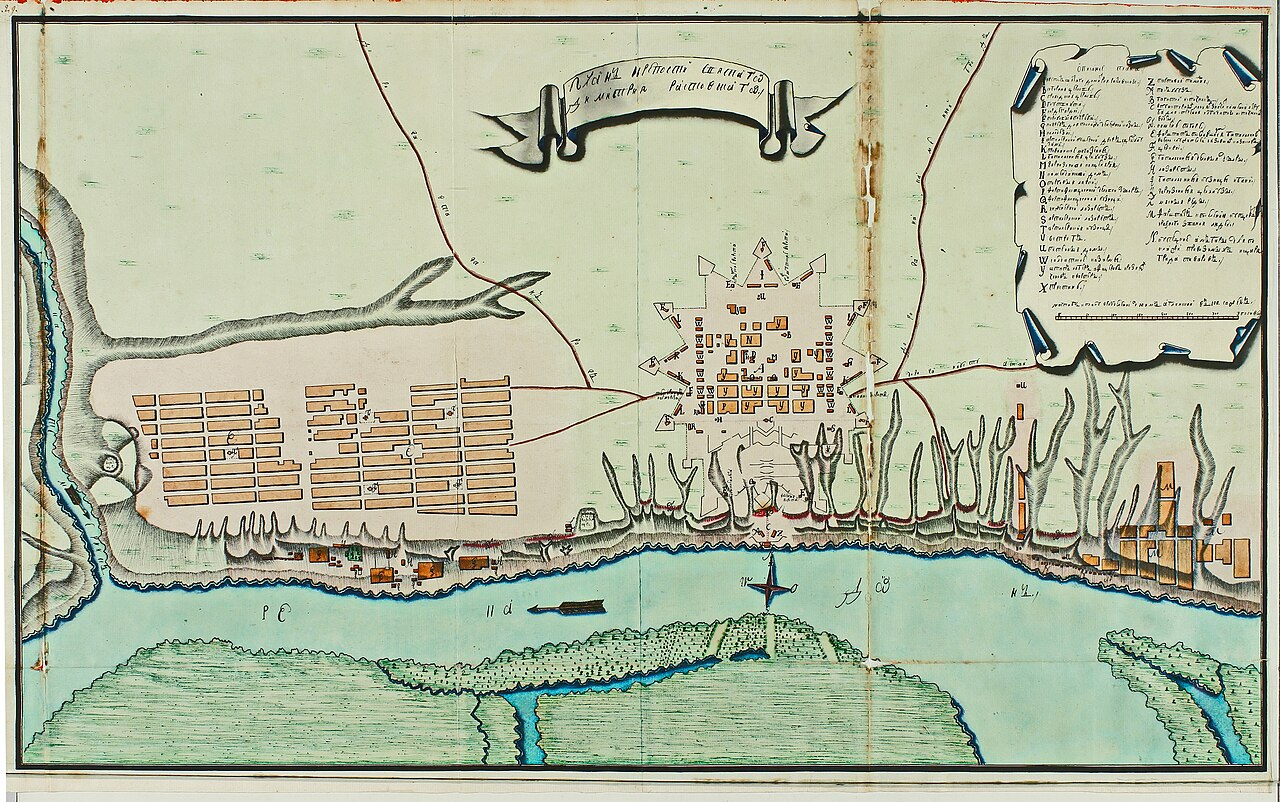
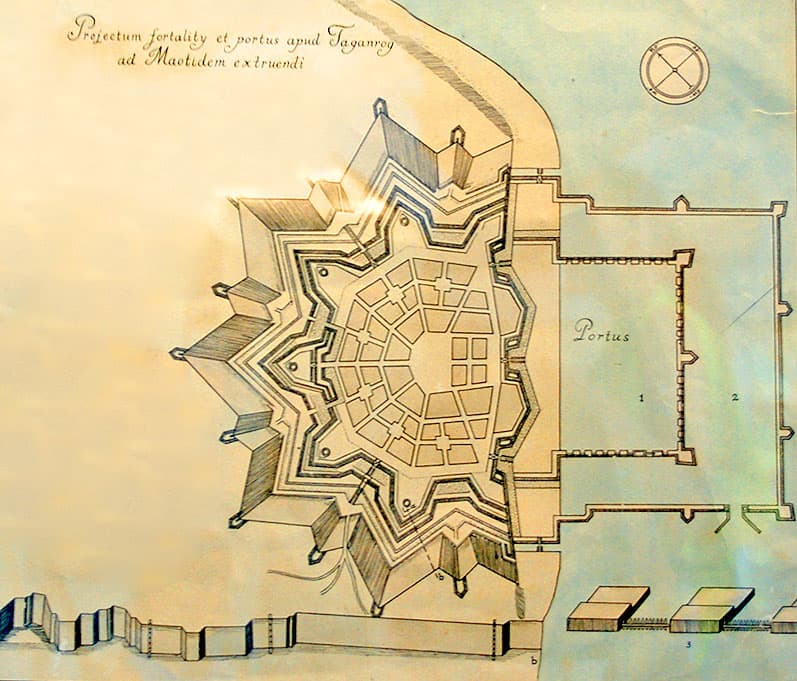
Taganrog Fortress, also known as The Saint Trinity fortress on Tagan-Rog Cape, is a historically significant bastioned fortress located in the Russian Federation. Constructed in the 17th century during the reign of Peter the Great, it exemplifies the star fort architectural style, which was prominent in the Renaissance period and marked by angular bastions designed to withstand artillery attacks.
Historical context and foundation
Taganrog Fortress was established as part of Peter the Great's efforts to secure Russia's access to the Sea of Azov and to strengthen its southern borders. The fortress was strategically positioned on the Tagan-Rog Cape, overseeing important maritime routes and serving as a military stronghold against Ottoman incursions. Its foundation reflects the broader geopolitical ambitions of Russia in the late 17th and early 18th centuries to expand influence in the Black Sea region.
Architectural design and features
The fortress is a classic example of a bastioned fortress, characterized by its star-shaped layout with protruding bastions that allowed defenders to cover all approaches with overlapping fields of fire. This design minimized blind spots and improved defensive capabilities against siege artillery, which was becoming increasingly powerful during the Renaissance and early modern periods.
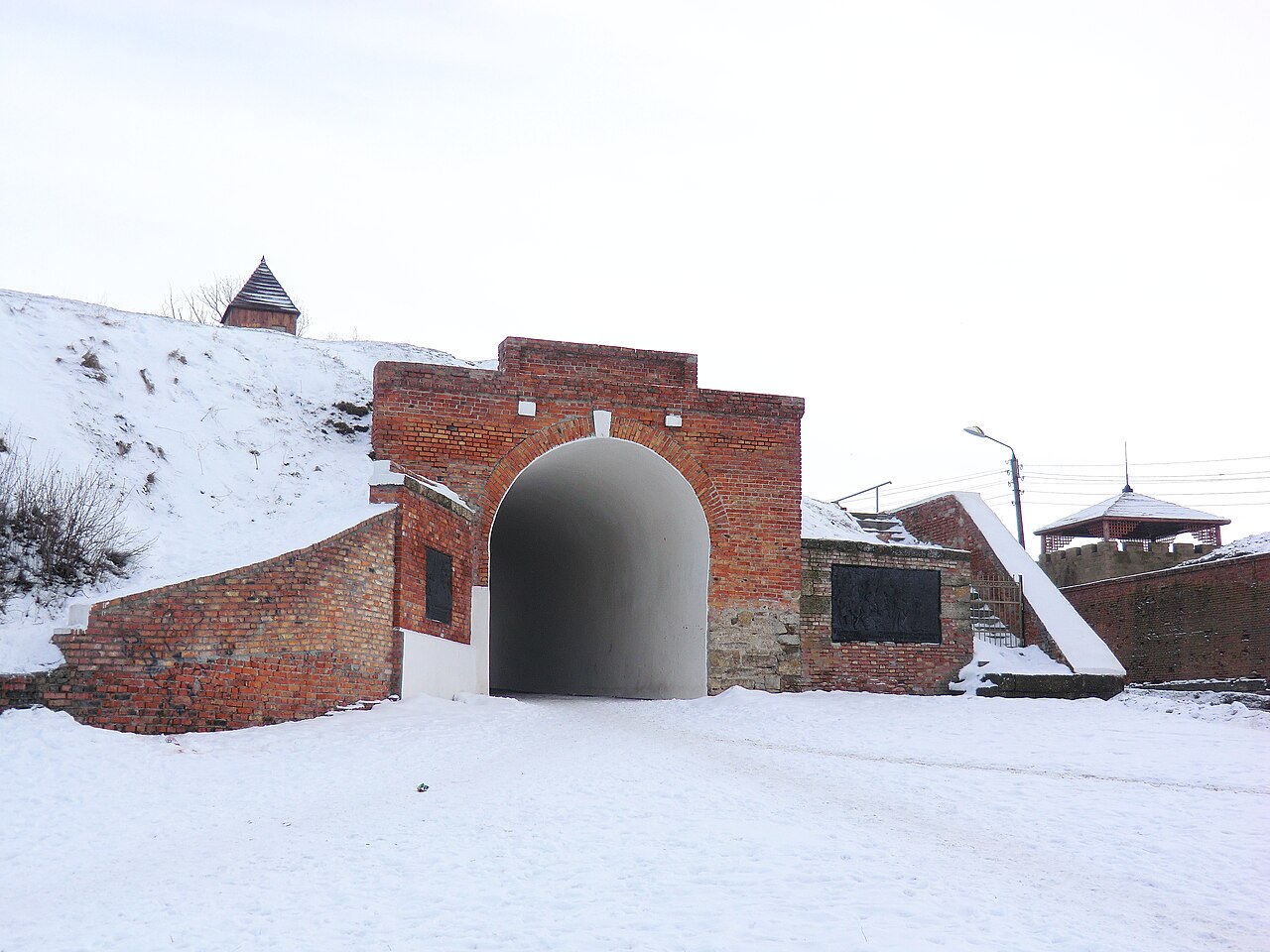
The walls of Taganrog Fortress were constructed with thick masonry, incorporating earthen ramparts to absorb cannon fire. The bastions were equipped with artillery placements, and the fortress included typical features such as moats, curtains walls, and gatehouses. The internal layout likely comprised barracks, armories, and command buildings, although much of the original internal structure has not survived intact.
Star fort style significance
The star fort style, also known as the trace italienne, was revolutionary in military architecture. Taganrog Fortress's adoption of this style reflects the influence of Western European military engineering, which Peter the Great actively sought to incorporate into Russian fortifications. The angled bastions and low, thick walls were designed to counter the destructive power of cannon fire, a significant advancement over medieval castle designs.
Reconstruction under Catherine the Great
During the reign of Catherine the Great in the 18th century, Taganrog Fortress underwent significant reconstruction and modernization to maintain its military relevance. These works likely included strengthening the bastions, updating artillery placements, and improving living quarters to accommodate a growing garrison. Catherine's renovations reflected ongoing military needs and the importance of the fortress in regional defense.
Legacy and current status
Today, Taganrog Fortress remains an important cultural and historical monument, though much of the original structure has been lost or altered over time. The site provides valuable insight into the evolution of military architecture in Russia and the strategic priorities of the Russian Empire during the 17th and 18th centuries. Preservation efforts focus on maintaining the remnants of the bastioned walls and educating visitors about the fortress's role in Russian history.
Frequently asked questions (FAQ)
- What is the historical significance of Taganrog Fortress?
- Taganrog Fortress, built in the early 18th century, served as a strategic military stronghold for the Russian Empire. It played a crucial role in defending the port city of Taganrog against invasions and has witnessed various historical events, including the Russo-Turkish Wars.
- When was Taganrog Fortress constructed?
- The construction of Taganrog Fortress began in 1698 and was completed in the early 1700s. It was established under the orders of Tsar Peter the Great to secure Russia's southern borders and facilitate trade through the Azov Sea.
- What are the opening hours for Taganrog Fortress?
- Taganrog Fortress is typically open to visitors from 9 AM to 6 PM daily. However, it's always a good idea to check ahead for any seasonal changes or special events that may affect opening hours.
- Is it possible to take guided tours of Taganrog Fortress?
- Yes, guided tours are available for visitors who wish to learn more about the fortress's rich history and architecture. These tours are conducted in multiple languages and provide detailed insights into the fortress's significance and features.
- Can I visit Taganrog Fortress year-round?
- Yes, Taganrog Fortress is open to visitors throughout the year. However, the best time to visit is during the spring and early autumn when the weather is pleasant for exploring the outdoor grounds.
- What are the ticket prices for visiting Taganrog Fortress?
- Ticket prices for Taganrog Fortress are generally affordable, with discounts available for students and seniors. It's advisable to check the official website or local tourist information for the most current pricing.
- How do I get to Taganrog Fortress?
- Taganrog Fortress is easily accessible by public transportation, with several bus routes serving the area. Visitors can also reach the fortress by taxi or drive, as there are parking facilities nearby.
- Are there any nearby attractions to visit after exploring Taganrog Fortress?
- Yes, after visiting Taganrog Fortress, you can explore nearby attractions such as the Chekhov House Museum and the Taganrog State Drama Theater. The waterfront area also offers beautiful views and additional leisure activities.
- Why is Taganrog Fortress considered an architectural marvel?
- Taganrog Fortress is regarded as an architectural marvel due to its well-preserved defensive structures, including bastions and walls that showcase early 18th-century military architecture. The fortress's design reflects the strategic military innovations of its time, making it a fascinating place for architecture enthusiasts.
Photo gallery

Photo by Photo by Alexandre Mirgorodski•Attribution
Information
Loading map...
Visitor reviews
No reviews yet. Been here? Write the first review and help other travelers!
Write the first reviewVisited this castle? Share your experience
Your review helps other travelers and adds first-hand knowledge to our encyclopedia.