Azov Fortress
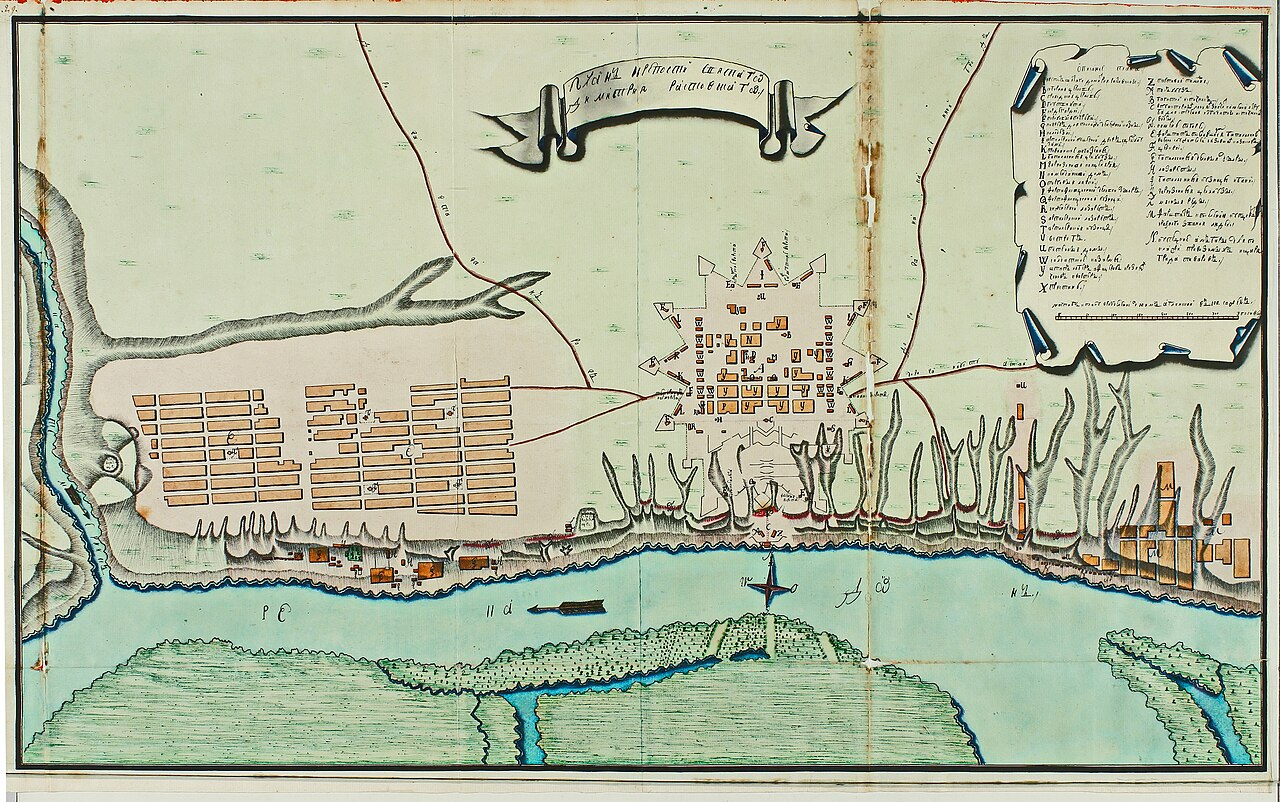
The Azov Fortress (Azovskaya krepost in Russian) is a significant bastioned fortress located in the city of Azov, Rostov Oblast, in the Russian Federation. Strategically positioned overlooking the Don River and the Port of Azov to the north, this fortress has played a crucial role in controlling access to the Azov Sea and the northern approaches to the Ottoman Empire during its period of construction and use.
Origins and historical context
The fortress was originally founded in 1475 by the Ottoman Empire, reflecting the Empire's expansionist ambitions in the northern Black Sea region. Known initially as Azak Fortress, it was constructed to serve as a defensive stronghold guarding the vital maritime and riverine routes. Its location was chosen for its commanding view over the Don River, an important waterway for trade and military movements.
The Azov Fortress was a focal point of numerous military conflicts between the Ottoman Empire and the Tsardom of Russia. These conflicts culminated in the late 17th century during the Russo-Turkish wars, which saw several sieges and battles over control of the fortress.
Architectural design and features
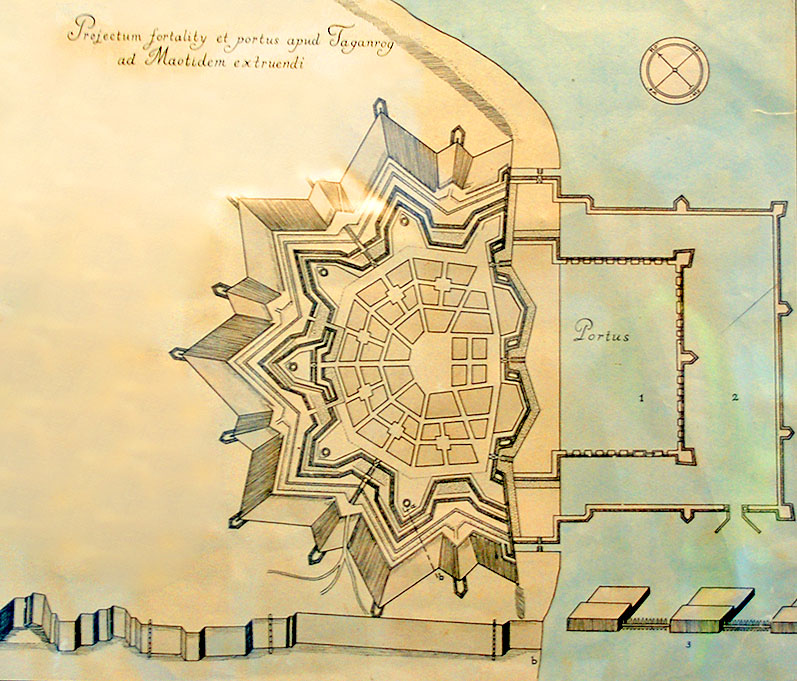
As a bastioned fortress, Azov Fortress exhibits the characteristic features of its type, designed to withstand artillery assaults and provide overlapping fields of fire. The fortress complex includes thick ramparts with angled bastions that allowed defenders to cover the walls with cannon fire effectively. The walls were built to absorb and deflect cannonballs, a significant advancement over earlier medieval fortifications.
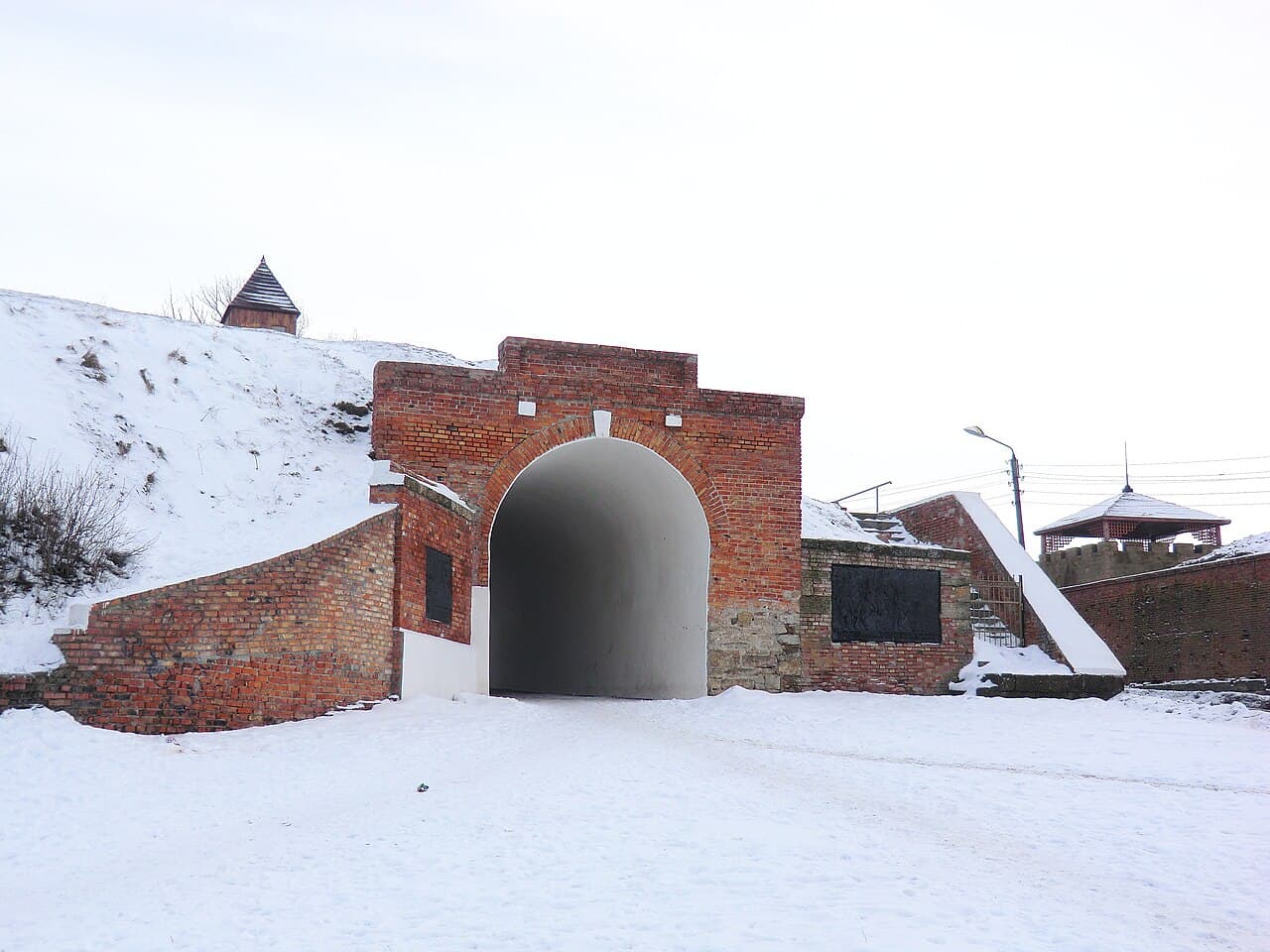
The fortress also contains several watchtowers and fortified gates, which controlled access and provided lookout points for early warning against enemy advances. The layout was carefully planned to maximize defensive capabilities while accommodating the garrison and supplies necessary for prolonged sieges.
Military significance and conflicts
Throughout its history, the Azov Fortress was a contested military asset. Its strategic position made it a prize for both the Ottoman Empire and Russia. The fortress changed hands multiple times, with notable sieges including the Russian campaigns led by Peter the Great in the late 17th century.
The capture of Azov by Russian forces was a key event during the Azov campaigns of 1695–1696, marking one of Russia's early successes in expanding its influence toward the Black Sea. The fortress's possession was formally recognized by the Ottoman Empire in the 1700 Treaty of Constantinople, which confirmed Russian control over the Azov region.
Later history and preservation
After the 18th century, the military importance of the Azov Fortress declined as new fortifications and shifting political boundaries reduced its strategic value. However, the fortress remains an important historical monument reflecting the military architecture and geopolitical struggles of the late medieval and early modern periods in Eastern Europe.
Today, the fortress is partially preserved, with many of its bastions, walls, and watchtowers still visible. It serves as a cultural heritage site and a tourist attraction, offering insight into the Ottoman and Russian military history as well as the architectural evolution of fortifications designed to resist artillery.
Architectural and cultural significance
The Azov Fortress is an example of bastioned fortress design adapted to the specific geographic and strategic context of the northern Black Sea region. Its construction reflects the transition from medieval fortresses to early modern military architecture that incorporated artillery defense innovations.
As a site, it provides valuable information about the Ottoman Empire's northern frontier and the military confrontations that shaped the regional balance of power between the Ottomans and the expanding Russian state.
Visitor information
The fortress is accessible to visitors interested in military history and architecture. While some parts are preserved or restored, others remain in ruins, offering a tangible sense of the fortress's age and the intensity of past conflicts. Interpretive signage and guided tours help explain the site's historical context and architectural features.
Frequently asked questions (FAQ)
- What is the historical significance of Azov Fortress?
- Azov Fortress, built in the 15th century, played a crucial role in the defense of the region against various invasions. It served as a strategic military stronghold for the Russian Empire and is a significant example of medieval military architecture. The fortress is not only a symbol of national pride but also a testament to the architectural innovations of its time.
- When was Azov Fortress constructed?
- Construction of Azov Fortress began in 1471 under the guidance of the Genoese, who aimed to establish control over the Sea of Azov. The fortress underwent numerous modifications and expansions over the centuries, reflecting the changing military needs and architectural styles of the time. Today, it stands as a well-preserved landmark of the period.
- Can I visit Azov Fortress?
- Yes, Azov Fortress is open to visitors year-round, offering a glimpse into its rich history and impressive architecture. Guided tours are available, which provide in-depth information about the fortress's past and significance. Keep in mind that certain areas may have restricted access for preservation reasons.
- What are the opening hours for Azov Fortress?
- The fortress typically opens at 9 AM and closes at 6 PM, but hours may vary seasonally. It is recommended to check the official website or local tourist information for the most current hours before your visit. Special events may also affect these hours, so planning ahead is advisable.
- Is it possible to take guided tours of Azov Fortress?
- Absolutely! Guided tours are available and provide an excellent opportunity to learn about the fortress's history and architecture. Tours can be booked in advance or on-site, and they often include access to areas that are not open to general visitors.
- What are the ticket prices for Azov Fortress?
- Ticket prices for Azov Fortress are generally affordable, with discounts available for students and seniors. Admission fees help support the preservation of the site and its historical significance. It's best to check the official site for the most up-to-date pricing and any special promotions.
- When is the best time to visit Azov Fortress?
- The best time to visit Azov Fortress is during the spring and early autumn months when the weather is mild and pleasant. This allows for a more enjoyable experience while exploring the fortress's grounds. Summer months can be crowded, while winter may restrict access to certain areas.
- Are there any nearby attractions to visit along with Azov Fortress?
- Yes, the area surrounding Azov Fortress is rich in historical and cultural sites. Nearby attractions include the Azov Museum of Local History, which offers insights into the region's past, and the picturesque River Don. Exploring these nearby sites can enhance your visit and provide a deeper understanding of the local heritage.
- How do I get to Azov Fortress?
- Azov Fortress is easily accessible by public transport, car, or taxi from major cities in the region. There are local buses that connect to the fortress, and ample parking is available for those driving. It is advisable to check local transport schedules for the most convenient options.
Photo gallery

Information
Loading map...
Visitor reviews
No reviews yet. Been here? Write the first review and help other travelers!
Write the first reviewVisited this castle? Share your experience
Your review helps other travelers and adds first-hand knowledge to our encyclopedia.