Fortress of Saint Dimitry of Rostov
The Fortress of Saint Dimitry of Rostov (Крепость Святого Димитрия Ростовского) was a significant military fortification of the Russian Empire constructed in the 18th century. Strategically positioned in the southern region of the empire, it served as one of the most powerful and important border fortresses during its time. The fortress played a crucial role in protecting the empire's southern frontiers, particularly during the period of frequent conflicts with the Ottoman Empire, including the Russo-Turkish War of 1768-1774.
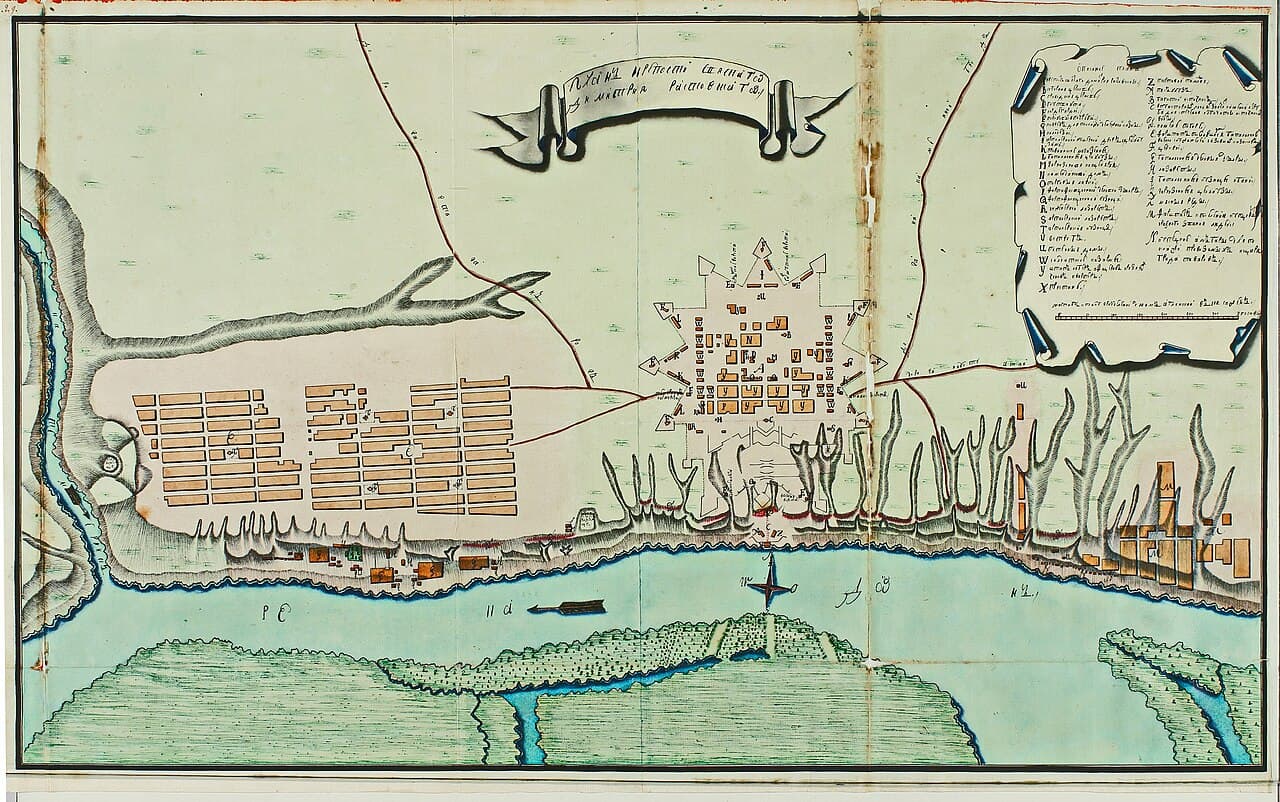
Although the fortress itself was never directly involved in military operations or sieges, its presence was a deterrent and a symbol of Russian strength in the volatile borderlands. Its strategic location eventually influenced the development of the city of Rostov-on-Don, which was named after the fortress. This city grew from one of the fortress's former suburbs, or vorstadt, and became an important urban center in the Ekaterinoslav Governorate by the early 19th century.
Historical context and military significance
Constructed in the mid-18th century, the fortress was part of a broader Russian effort to secure its southern borders against the Ottoman Empire and other regional adversaries. The fortress was designed to serve as a stronghold in the area, controlling key routes and river crossings important for trade and military movement. Its fortifications were considered among the most advanced for the southern Russian territories at the time.
Despite its strategic importance, the fortress did not witness direct combat. By the end of the Russo-Turkish War of 1768-1774, the shifting borders and military priorities diminished the fortress's role as a frontline defense. This reduced its military significance and led to a gradual decline in its use as a garrison.
Architectural features and layout
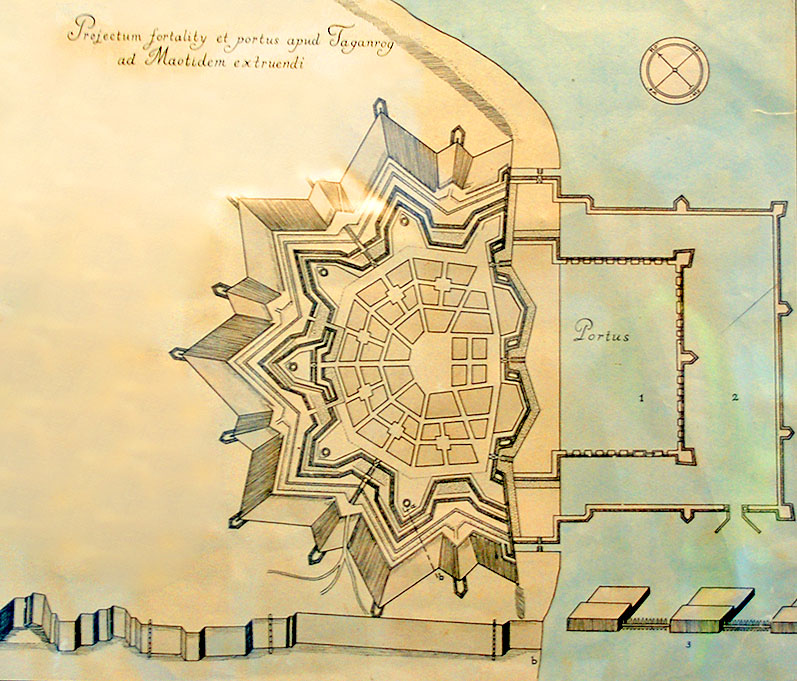
The fortress was constructed with typical 18th-century military architectural features, including bastions, ramparts, and defensive walls designed to withstand artillery attacks. It incorporated a network of moats and earthworks to enhance its defensive capabilities. The design reflected the transition from medieval fortresses to more modern bastioned fortifications influenced by European military engineering principles of the time.
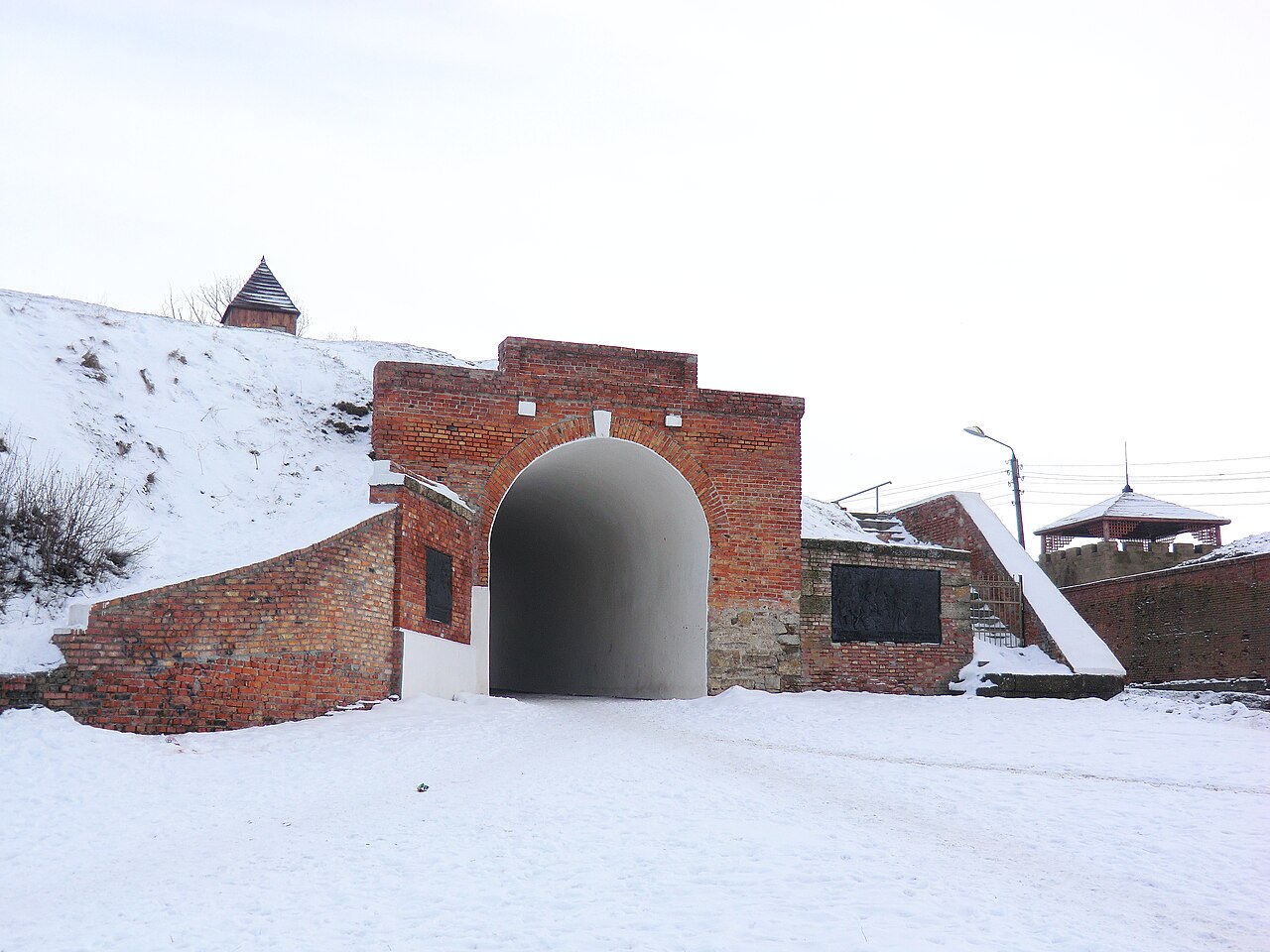
The fortress likely included various functional structures such as barracks, armories, and command buildings. Although much of the fortress was demolished by the end of the 19th century, archaeological remains provide insight into its original layout and construction techniques.
Decline and transformation into urban center
Following the end of its military relevance, the fortress's garrison and military property were relocated to Anapa in 1835. This transfer marked the beginning of the fortress's decline as a military installation. Subsequently, the ramparts and bastions were dismantled in the late 19th century, and the site ceased to function as a fortress.
The land around the fortress gradually transformed into civilian use, contributing to the establishment and growth of Rostov-on-Don. This city, which began as a suburb of the fortress, developed into a significant commercial and cultural hub in southern Russia, benefiting from its strategic location on the Don River.
Current status and archaeological importance
Today, the Fortress of Saint Dimitry of Rostov exists primarily as archaeological ruins. While the original defensive structures have largely disappeared, archaeological excavations and studies have helped preserve knowledge of its historical and architectural significance. The site remains an important cultural heritage location, offering insights into 18th-century Russian military architecture and border defense systems.
Visitors and scholars interested in Russian military history and architecture find the fortress site valuable for understanding the evolution of fortifications in the region and the historical context of Russian expansion in the south.
Frequently asked questions (FAQ)
- How do I get to the Fortress of Saint Dimitry of Rostov?
- You can reach the Fortress of Saint Dimitry of Rostov by taking public transportation to Rostov, which is well-connected by train and bus. Once in Rostov, local taxis and buses can take you directly to the fortress. It's advisable to check local transit schedules for the most convenient options.
- What is the historical significance of the Fortress of Saint Dimitry of Rostov?
- The Fortress of Saint Dimitry of Rostov is a significant historical site, built in the 17th century, and is dedicated to the city's patron saint, Saint Dimitry. It played a crucial role in defending the region against invasions and served as a religious and cultural hub. The fortress reflects the rich history and architectural heritage of the Russian Federation.
- When was the Fortress of Saint Dimitry of Rostov constructed?
- Construction of the Fortress of Saint Dimitry of Rostov began in the early 17th century and was completed in 1682. It was built to strengthen the defenses of the area during a period of territorial conflicts. The fortress remains a testament to the military architecture of its time.
- Can I take guided tours of the fortress?
- Yes, guided tours of the Fortress of Saint Dimitry of Rostov are available to enhance your visit. These tours provide valuable insights into the fortress's history, architecture, and significance. It's recommended to book in advance, especially during peak tourist seasons.
- Why is the architecture of the Fortress of Saint Dimitry of Rostov noteworthy?
- The architecture of the Fortress of Saint Dimitry of Rostov is noteworthy for its blend of Russian and European styles, showcasing the military engineering of the 17th century. The fortress features impressive stone walls, bastions, and towers that have withstood the test of time. Its design reflects the defensive needs of the era while also serving as a religious sanctuary.
- Is it possible to visit the fortress year-round?
- Yes, the Fortress of Saint Dimitry of Rostov is open for visitors year-round, although some areas may be restricted during harsh winter conditions. It's best to check the official site or local tourist information for any seasonal hours or maintenance schedules. Visitors are encouraged to plan accordingly to enjoy their experience fully.
- What are the opening hours for the Fortress of Saint Dimitry of Rostov?
- The Fortress of Saint Dimitry of Rostov generally opens from 9 AM to 6 PM, with extended hours during the summer months. However, it's advisable to verify the current hours prior to your visit, as they may vary due to special events or maintenance. Plan your visit accordingly to make the most of your time at this historic site.
- Are there any nearby attractions to visit?
- Yes, there are several nearby attractions to explore, including the Rostov Kremlin and the picturesque Lake Nero. These sites complement your visit to the Fortress of Saint Dimitry of Rostov and provide deeper insights into the region's heritage. Additionally, local museums and parks offer further opportunities for exploration and relaxation.
- What are the ticket prices for visiting the fortress?
- Ticket prices for the Fortress of Saint Dimitry of Rostov are quite reasonable, typically ranging from 200 to 400 Rubles for adults, with discounts for students and seniors. Children under a certain age may enter for free. It's advisable to check for any special promotions or group rates before your visit.
Photo gallery

Photo by Unknown authorUnknown author•Public domain
Information
Loading map...
Visitor reviews
No reviews yet. Been here? Write the first review and help other travelers!
Write the first reviewVisited this castle? Share your experience
Your review helps other travelers and adds first-hand knowledge to our encyclopedia.