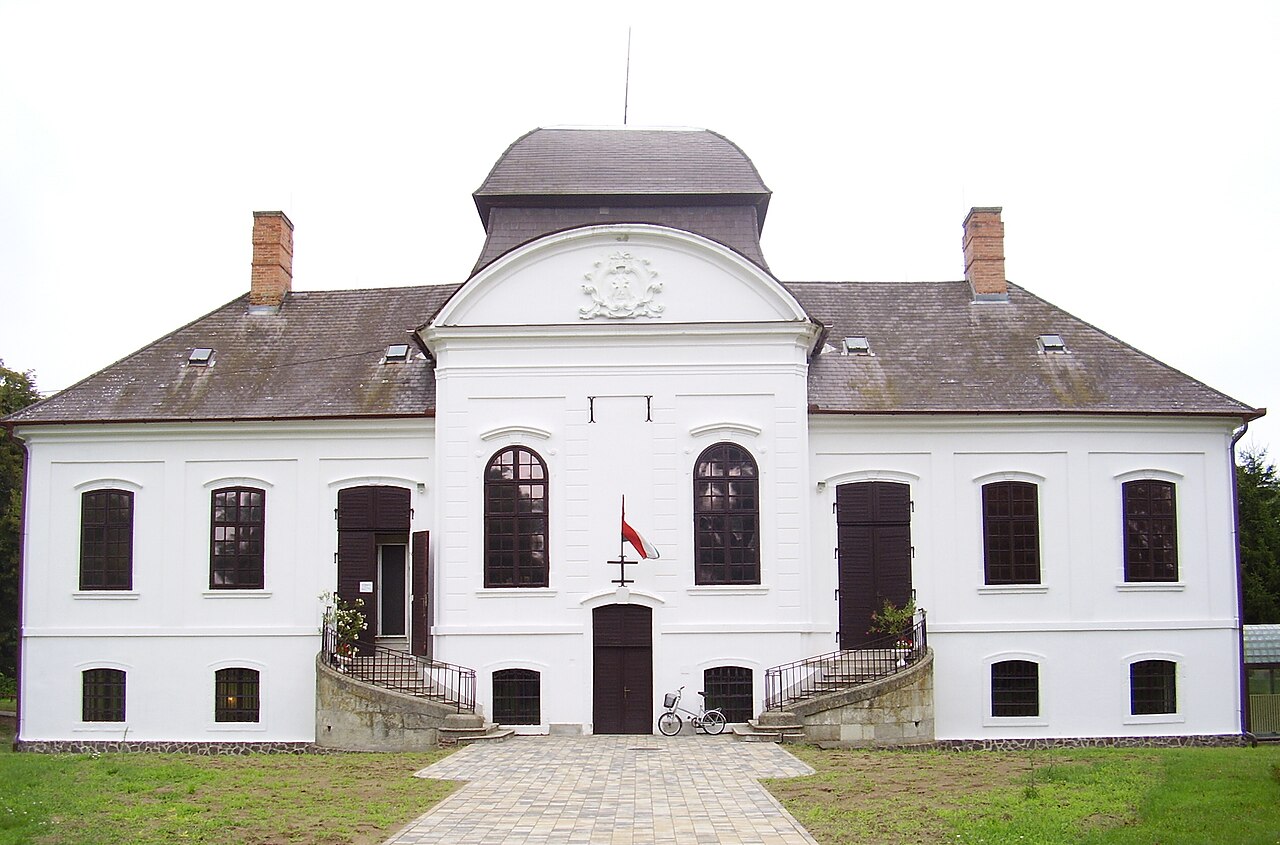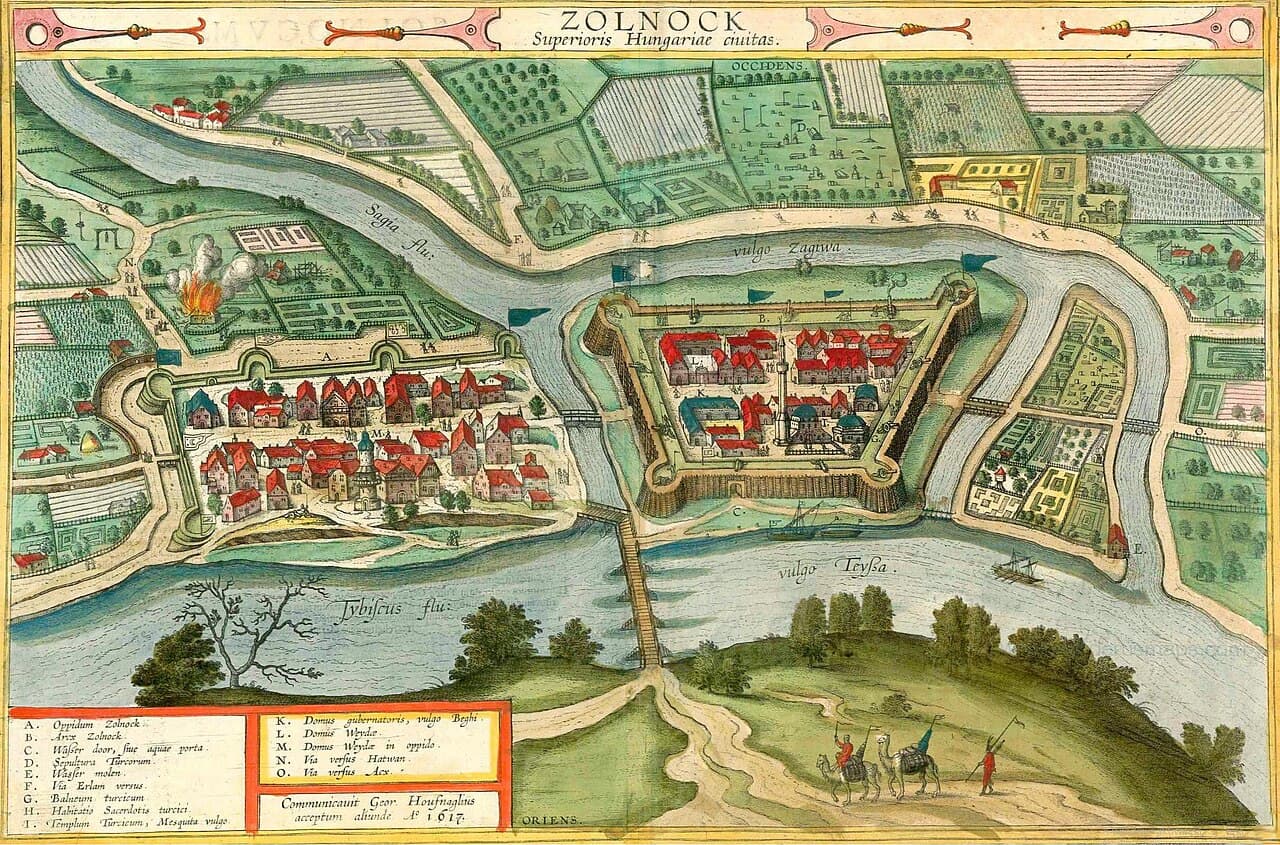
Szolnok Castle held a crucial military role for centuries due to its strategic location at the confluence of the Tisza and Zagyva rivers, situated in the heart of the Great Hungarian Plain. This position made it a vital crossroads for several important trade routes, including those for salt and lumber, as well as a key passageway for armies moving between Buda and Transylvania. During the turbulent 16th century, as the Ottoman Empire advanced into Hungary, Szolnok Castle, along with Eger Fortress, was one of the few fortifications defending the core of Upper Hungary and the country’s heartland.
The early fortifications and Árpád dynasty origins
The site of Szolnok Castle has been fortified since the time of the Árpád dynasty (9th to 13th centuries), initially featuring an earthwork fortification. This early fortification was typical of the period, using mounds and ditches to create defensive barriers. The location was chosen for its natural defensive advantages, being near the river junction, which provided both a water source and a natural moat-like protection.
Expansion and transformation in the 16th century
Following the devastating Battle of Mohács in 1526, which marked a critical defeat for the Kingdom of Hungary against the Ottomans, Szolnok’s fortifications were significantly upgraded. The initial earthworks were expanded into a Pfostenschlitzmauer — a type of wooden palisade with vertical slots for defensive purposes. This was a transitional phase before the construction of a more permanent stone fortress, reflecting the urgent need to strengthen defenses against ongoing Ottoman incursions.
The stone fortress that emerged at Szolnok was designed to withstand artillery and siege warfare, which had become increasingly prevalent in the 16th century. The castle’s walls were thickened, and bastions were added to improve defensive coverage. Its position allowed control over river traffic and land routes, making it a formidable obstacle to Ottoman forces.
17th-century developments and decline
Throughout the 17th century, Szolnok Castle continued to be expanded and modernized to keep pace with evolving military technology and tactics. Improvements included reinforced bastions, updated artillery placements, and enhanced living quarters for the garrison. The castle was part of a network of fortresses that formed a defensive line protecting Hungary’s interior from Ottoman advances.
However, after the Rákóczi Uprising (1703–1711), which was a major Hungarian rebellion against Habsburg rule, the strategic importance of Szolnok Castle diminished. The fortress was gradually abandoned and fell into disrepair. Its stones were quarried for local construction projects in the town of Szolnok, leading to the loss of much of the original structure.
Present condition and archaeological significance
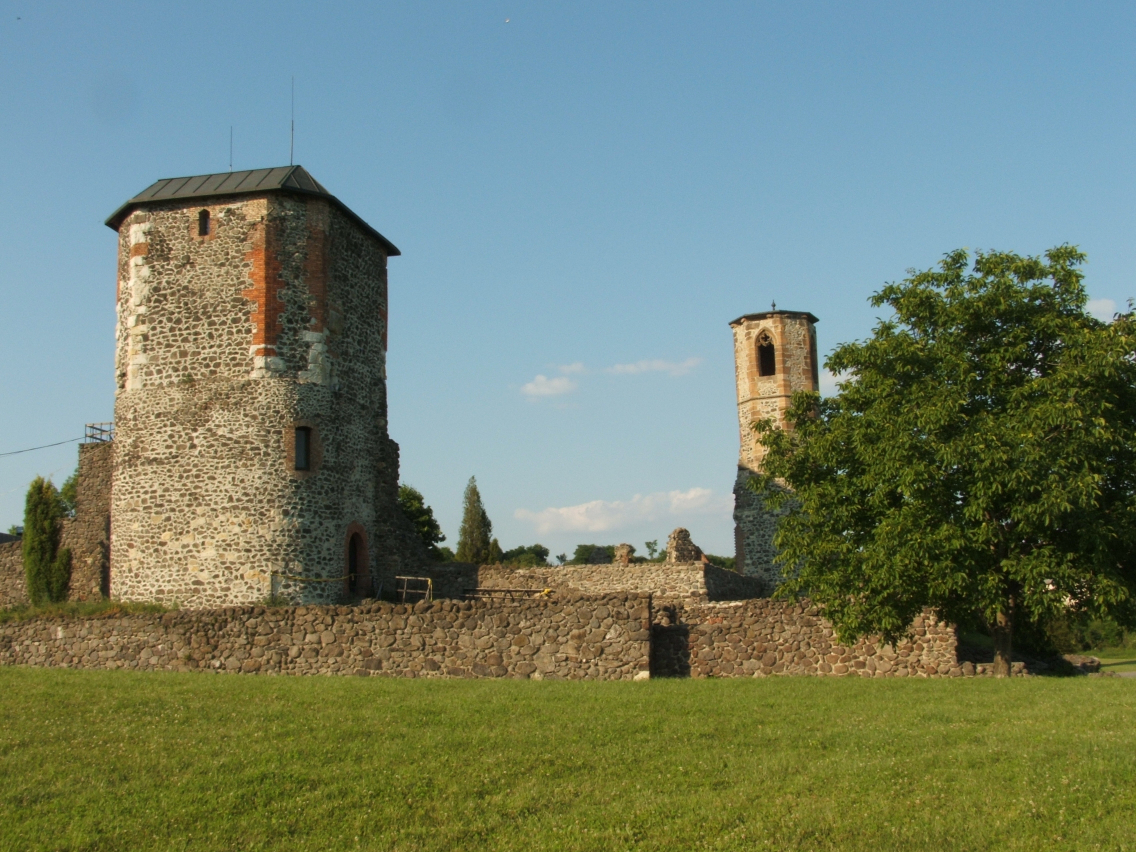
Today, Szolnok Castle exists only as archaeological ruins. The site reveals traces of the original earthworks and the later stone fortifications, providing valuable insights into medieval and early modern military architecture in Hungary. Archaeological excavations have uncovered foundations, defensive ditches, and remnants of bastions, contributing to the understanding of how the castle evolved over centuries to meet changing military needs.
Despite its ruined state, Szolnok Castle remains an important cultural and historical landmark. It reflects the region’s turbulent history, the shifting power struggles between Hungarian forces and the Ottoman Empire, and the architectural adaptations made in response to advances in warfare.
Architectural features and military design
The castle’s design evolved from simple earthworks to a more complex stone fortress with bastions and artillery platforms. The Pfostenschlitzmauer phase is particularly notable as an intermediate defensive structure, combining wooden and stone elements. The later stone walls were built thick to absorb cannon fire, and the bastions allowed defenders to cover all approaches with crossfire.
The castle’s location at the river confluence was a strategic choice, providing natural defense and control over trade and military routes. The rivers also served as obstacles to besieging forces, complicating any assault on the fortress.
Historical context and military importance
Szolnok Castle’s military significance is closely tied to the Ottoman-Hungarian conflicts of the 16th and 17th centuries. Its role as one of the few fortresses protecting the Hungarian heartland made it a focal point during the Ottoman expansion into Central Europe. The castle witnessed numerous military campaigns and sieges, reflecting the broader struggle for control over the region.
The castle’s decline after the Rákóczi Uprising corresponds with changes in military strategy and the political landscape, as the Habsburgs consolidated control over Hungary and the Ottoman threat receded.
Visiting Szolnok Castle today
While the castle remains are limited, the site is accessible for visitors interested in Hungary’s medieval and early modern history. Interpretive signage and archaeological displays help contextualize the ruins. The surrounding area offers scenic views of the rivers and the Great Hungarian Plain, enhancing the historical experience.
Visitors can explore the remnants of the defensive ditches and foundations, gaining a sense of the castle’s scale and strategic design. The site is an important destination for those studying military architecture and Hungarian history.
Frequently asked questions (FAQ)
- What is the historical significance of Szolnok Castle?
- Szolnok Castle is a key historical site in Hungary, originally built in the 13th century to protect the region from invasions. It played a crucial role during various conflicts, including the Ottoman wars, serving as a stronghold for military operations and local governance.
- When was Szolnok Castle constructed?
- The construction of Szolnok Castle began in the 13th century, with significant modifications and expansions occurring in the following centuries. Its strategic location along the Tisza River contributed to its importance and subsequent enhancements over time.
- Can I visit Szolnok Castle year-round?
- Yes, Szolnok Castle is open to visitors year-round, although specific opening hours may vary depending on the season. It is advisable to check the official website or contact the visitor center for the most current information on hours of operation.
- What are the opening hours for Szolnok Castle?
- Szolnok Castle typically opens at 10 AM and closes at 6 PM during the peak tourist season. However, these hours may change during the off-season, so it's best to verify the schedule before planning your visit.
- Is Szolnok Castle accessible for visitors with disabilities?
- Yes, Szolnok Castle has made efforts to improve accessibility for all visitors, including those with disabilities. Ramps and designated pathways are available to help ensure that everyone can enjoy the historical site.
- What is the best time to visit Szolnok Castle?
- The best time to visit Szolnok Castle is during the spring and early autumn when the weather is mild and ideal for exploring the grounds. Additionally, these seasons often feature fewer crowds, allowing for a more intimate experience of the castle's history.
- Are there any nearby attractions to see while visiting Szolnok Castle?
- Yes, there are several nearby attractions, including the Tisza River waterfront, which offers beautiful walking paths and recreational activities. The city of Szolnok itself is rich in cultural sites, such as museums and parks that complement your visit to the castle.
- What are the ticket prices for entering Szolnok Castle?
- Ticket prices for Szolnok Castle are generally affordable, with discounts available for students and seniors. It's recommended to check the official website for the latest pricing information and any special promotions that may be offered.
Photo gallery

Photo by Joris Hoefnagel / Georg Braun / Frans Hogenberg•Public domain
Information
Loading map...
Visitor reviews
No reviews yet. Been here? Write the first review and help other travelers!
Write the first reviewVisited this castle? Share your experience
Your review helps other travelers and adds first-hand knowledge to our encyclopedia.