Széll Mansion, Rátót — Hungary castle

Széll Mansion, Rátót

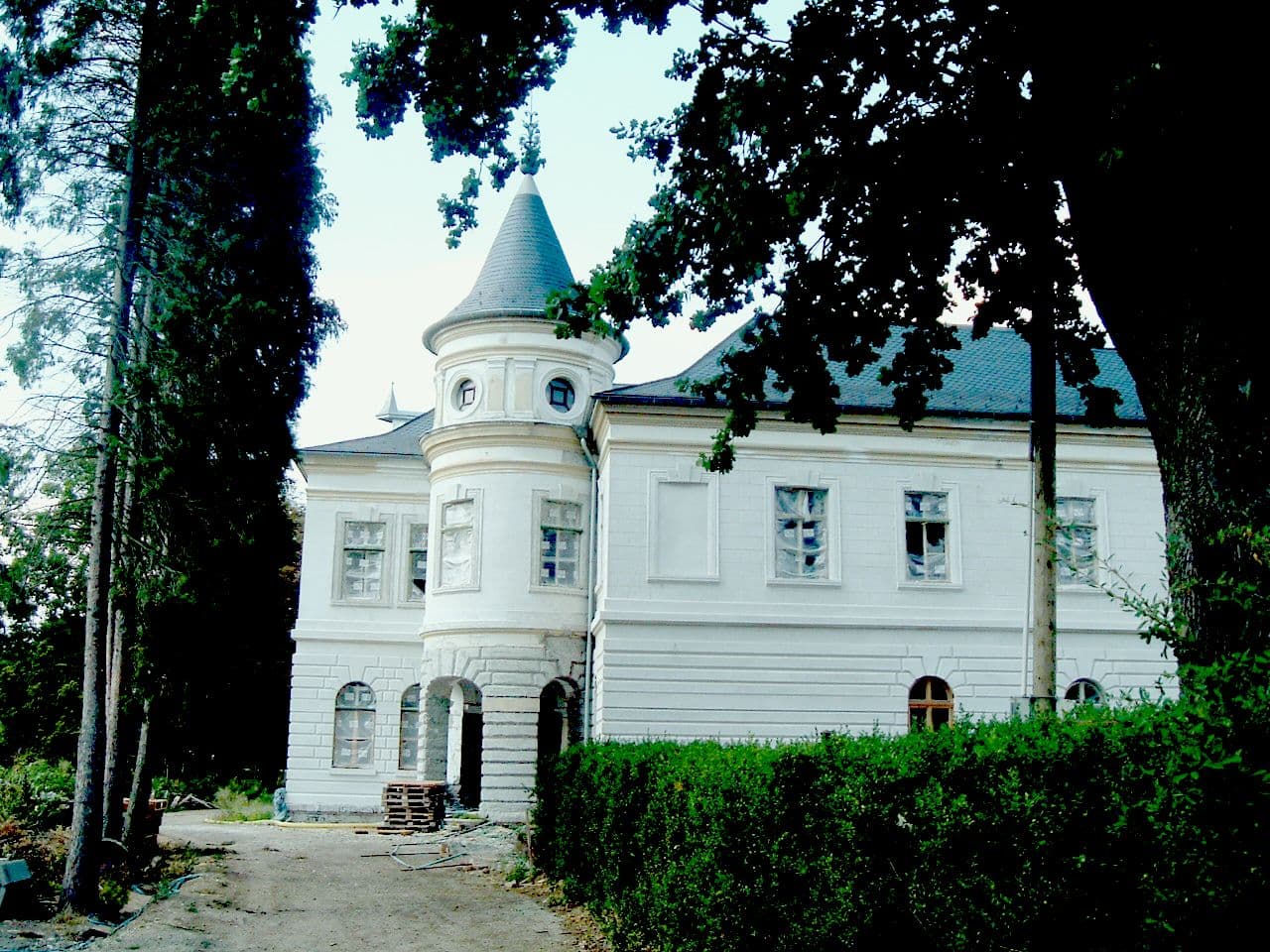
Széll Mansion in Rátót, Hungary
Rátót, Hungary
Late Medieval (14th–15th c.)

The Széll Mansion located in Rátót, Hungary, is a notable example of a historic hill castle that reflects the architectural and cultural heritage of the region. Although detailed records about the mansion's origins and construction date are limited, it is recognized for its strategic location and characteristic features typical of Hungarian hill castles.

Situated on elevated terrain, the mansion was designed to take advantage of the natural landscape, which provided both defensive benefits and commanding views of the surrounding countryside. This positioning is a hallmark of hill castles, which were often constructed to serve as fortified residences for noble families and local leaders.

Architectural features and layout

The Széll Mansion exhibits typical elements of a hill castle, including robust stone walls and a layout adapted to the uneven terrain. The mansion likely includes a central residential block surrounded by defensive structures such as curtain walls and possibly towers or bastions, although specific architectural details are scarce.

The design would have balanced residential comfort with defensive capabilities, featuring thick walls to withstand attacks and limited access points to control entry. The mansion's construction materials and techniques reflect local building traditions, incorporating stone and possibly brickwork.

Historical context and ownership

The mansion is associated with the Széll family, a noble lineage in Hungary, which suggests its role as a family seat and administrative center in the region. The Széll family played a part in the local history, contributing to the political and social landscape of the area.

While precise dates are not documented, the mansion likely dates from the late medieval to early modern periods, a time when many such estates were established or renovated to reflect changing defensive needs and residential styles.

Preservation and current condition

The current condition of the Széll Mansion is not widely documented, but as a historic structure, it may be in a state ranging from partially preserved to restored. Its status as a hill castle suggests that it retains some of its original defensive features and architectural integrity.

Efforts to maintain or restore the mansion would focus on preserving its historical character while adapting it for modern use, possibly as a cultural site or private residence.

Significance in Hungarian heritage

The Széll Mansion holds cultural and historical significance as part of Hungary's network of hill castles, which illustrate the country's feudal past and architectural evolution. It represents the intersection of military architecture and noble residential design, offering insights into the lifestyle and social structure of its era.

As a historic site, the mansion contributes to the understanding of regional history and the development of castle architecture in Hungary.

Frequently asked questions (FAQ)

What is the historical significance of Széll Mansion in Rátót?
Széll Mansion is significant as a historic hill castle associated with the Széll noble family, reflecting Hungary's feudal history and architectural traditions.
Can visitors tour Széll Mansion today?
Information about public access to Széll Mansion is limited, so visitors should check local resources or contact regional tourist offices for current visiting options.
What architectural features characterize Széll Mansion?
The mansion features typical hill castle elements such as stone walls and a layout adapted to elevated terrain, balancing defense and residential needs.
When was Széll Mansion likely constructed?
Széll Mansion likely dates from the late medieval to early modern periods, reflecting architectural trends of those eras.

Photo gallery

Széll Mansion, Rátót
Click to view

Photo by Darinko•Public domain

1 photo • Click any image to view in full screen

Information

Hill Castle

Loading map...

Visitor reviews

No reviews yet. Been here? Write the first review and help other travelers!

Write the first review

Visited this castle? Share your experience

Your review helps other travelers and adds first-hand knowledge to our encyclopedia.

Write a review

(5/5)

0/2000 characters

Your review will be visible after admin approval

Nearby castles

12.9 km

Güssing Castle

Güssing, Austria

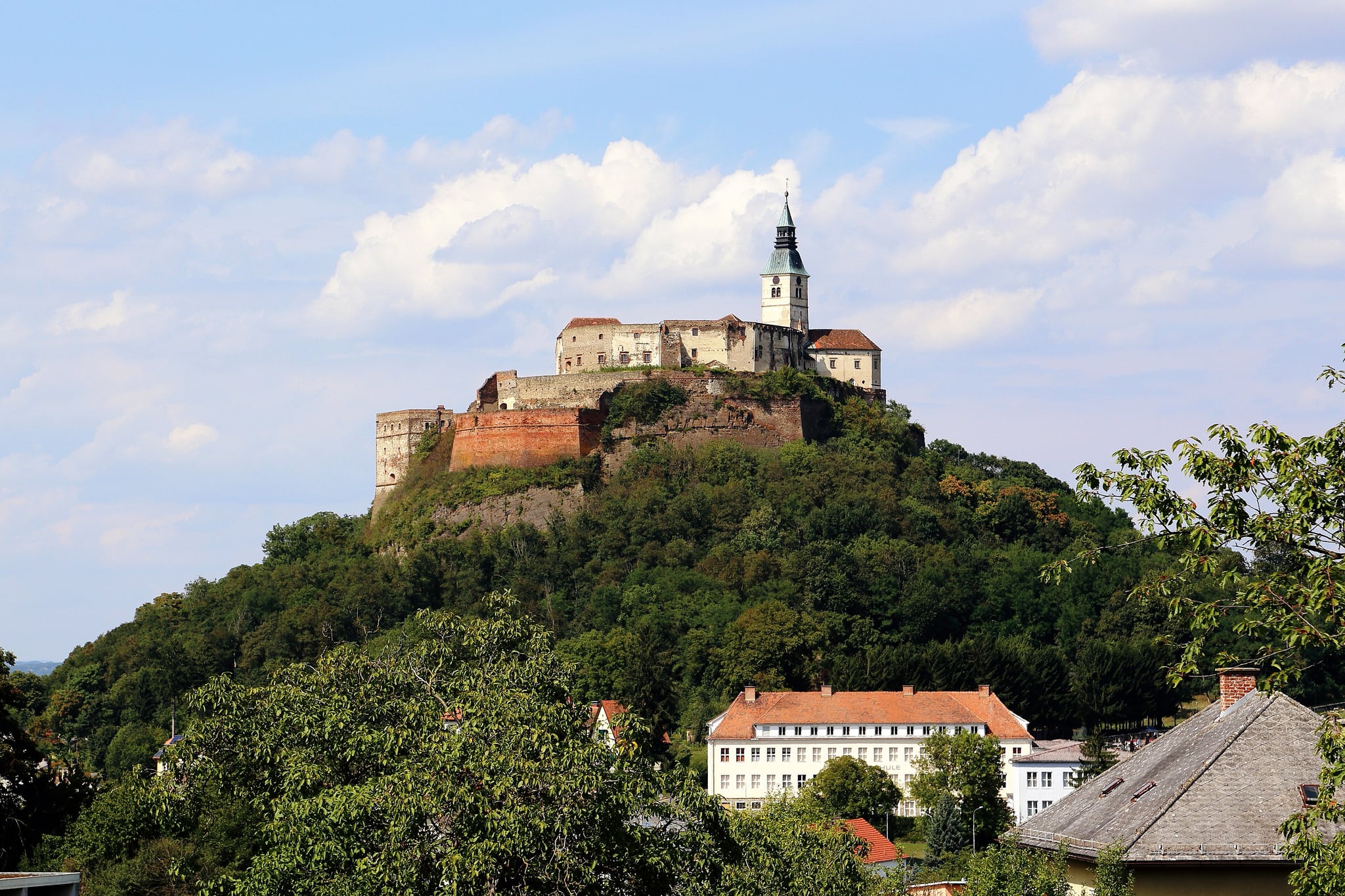
Güssing Castle, located in the southern Austrian state of Burgenland, stands as the region's oldest fortress, with origins tracing back to around 1157. Perched atop a steep porphyry hill rising 293 meters above sea level, the castle commands panoramic views over the surrounding landscape and the town of Güssing below. Its strategic position near the historical border between Hungary and the Holy Roman Empire made it a pivotal stronghold through the High Medieval period. The castle’s foundation is linked to a Benedictine monastery established by the German knight Wolfer in 1157. Around 1180, Béla III, King of Hungary, transformed this monastic site into a stone fortress, marking the beginning of Güssing Castle as a military and administrative center. The fortress was initially known by the Latin name "Novum Castrum" and the Hungarian "Újvár," both meaning "New Castle," to distinguish it from the nearby older fortress called Pinkaóvár or "Old Castle." Historical significance and ownership through the centuries Throughout the 13th and 14th centuries, Güssing Castle was a contested site, reflecting the turbulent political landscape of the region. It was held by prominent Hungarian nobles such as Demetrius Csák and Maurice Pok, and the influential Kőszegi family. The castle also came under the control of several Hungarian kings, including Andrew II, Béla IV, Ladislaus IV, and Charles I, underscoring its importance as a royal fortress and border defense. The fortress withstood significant military challenges, notably surviving the Mongol invasion of 1241–1242 and resisting a siege by Ottokar II of Bohemia in 1273. In 1289, Albert I, Duke of Austria, captured the castle, but it was returned to Hungary following the Peace of Hainburg in 1291. These events highlight Güssing’s role as a strategic border fortress during ongoing conflicts between Hungary and Austria. In 1524, Francis I Batthyány acquired Güssing Castle and its surrounding lands, establishing it as the ancestral seat of the Batthyány family, who continue to own the property to this day. The Batthyány family played a significant role in preserving the castle, especially during periods when its military importance declined. Architectural features and layout Güssing Castle exemplifies a hill castle typical of the High Medieval era, with construction phases spanning several centuries. The castle complex is dominated by a massive bergfried or keep, which partly dates back to Romanesque architecture. This tower is situated between the residential wing and a 15th-century chapel, reflecting the castle’s dual role as a defensive fortress and noble residence. The castle is accessed via a fortified northern gate leading into the outer bailey, an enclosed courtyard once surrounded by defensive walls. Remnants of these walls still mark the perimeter of the original fortress enclosure. A broad external staircase ascends to the inner bailey, where a courtyard is surrounded by buildings mostly three stories high. Notably, some of the lower levels are carved directly from the rock beneath the castle, integrating natural geological features into the architecture. The castle’s layout includes multiple residential chambers, storerooms, and defensive structures such as battlements and towers. The preservation of these elements offers insight into medieval castle construction techniques and the adaptation of the fortress over time to changing military and residential needs. Cultural heritage and modern use Beyond its military and architectural significance, Güssing Castle has a rich cultural history. In the 16th century, it was associated with notable figures such as botanist Carolus Clusius and printer Johannes Manlius, highlighting its role as a center of learning and culture during the Renaissance. By the 18th century, the castle’s strategic importance had diminished due to the modernization of warfare. In 1777, all weapons were removed, and parts of the fortifications were demolished, partly due to maintenance costs and a roof tax imposed by Empress Maria Theresa. Despite this decline, the castle remained in the Batthyány family’s possession. In 1870, Prince Philipp Batthyány-Strattmann founded an organization dedicated to preserving the castle and its former monastery, marking the beginning of formal conservation efforts. However, the foundation faced financial difficulties after World War I due to inflation and war expenses. Restoration efforts resumed in the mid-20th century, particularly between 1982 and 2000, supported by the Batthyány family foundation and local authorities. Today, Güssing Castle serves as a museum housing approximately 5,000 exhibits, including the Batthyány family museum, an ancestral portrait gallery, old weapons, sculptures, decorative arts, and paintings from the Renaissance and Baroque periods. Among the collection are two portraits by the renowned artist Lucas Cranach the Elder. The castle grounds host a variety of cultural events during the summer months, such as theatrical performances, concerts, and readings. The chapel is also used for private ceremonies like weddings, continuing the castle’s tradition as a living cultural venue. Visitor experience and accessibility Visitors to Güssing Castle can explore about 20 rooms in the upper castle, now functioning as exhibition spaces. Climbing the bell tower offers spectacular views over the Pannonian Plain, enhancing the visitor experience with both historical insight and natural beauty. The castle’s condition today is stable and well-preserved, reflecting extensive restoration work that has returned much of its appearance to a state similar to that of approximately two centuries ago. Managed by the Batthyány family foundation, the site remains an important cultural and historical landmark in Burgenland.

High Medieval (11th–13th c.)
Details
13 km
Burg Gussing — Austria castle

Burg Gussing

Gussing, Austria

Burg Gussing stands as the oldest castle in Burgenland, Austria, with origins tracing back to the 12th century. This high medieval fortress has witnessed centuries of regional history and remains a significant cultural landmark. Its strategic location atop a hill provided natural defense advantages, typical of hill castles constructed during this era. The medieval origins and architectural significance Constructed in the 12th century, Burg Gussing exemplifies the architectural style and defensive needs of the High Medieval period. The castle's design reflects typical features of hill castles, including robust stone walls, a fortified keep, and elevated position for surveillance and protection. Over time, the castle underwent modifications to adapt to evolving military technologies and residential requirements, but much of its medieval character remains intact. Strategic location and defensive features Perched on a prominent hill overlooking the surrounding landscape, Burg Gussing was ideally situated to control trade routes and monitor potential threats. The castle's fortifications include thick curtain walls and a central donjon or keep, which served as the last line of defense. Its elevated position not only provided military advantage but also symbolized feudal power in the region. Ownership by the Batthyany family and preservation efforts On June 30, 1524, Burg Gussing was acquired by the influential Batthyany family, who have maintained ownership through a historical foundation dedicated to the castle's care and upkeep. This continuity of ownership has been crucial in preserving the castle's structural integrity and historical authenticity. The Batthyany family's stewardship has ensured that Burg Gussing remains a well-preserved monument reflecting Burgenland's medieval heritage. Restoration and maintenance Throughout the centuries, various restoration projects have been undertaken to stabilize and restore parts of the castle. These efforts have focused on preserving original stonework and architectural details, preventing deterioration caused by weather and time. The foundation managing the castle continues to oversee conservation activities, balancing preservation with public accessibility. Cultural and tourist significance today Today, Burg Gussing functions not only as a historical monument but also as a vibrant cultural venue. During the summer months, the castle grounds host theater performances, concerts, and literary readings, attracting visitors interested in history and the arts. These events utilize the atmospheric setting of the medieval fortress, enhancing the visitor experience. The family museum Within the castle, a family museum offers insights into the history of the Batthyany family and the castle's role throughout the centuries. Exhibits include artifacts, historical documents, and displays that contextualize the castle within the broader history of Burgenland and Austria. This museum enriches the educational value of a visit and connects guests to the castle's living heritage. Visitor information and accessibility Burg Gussing is accessible to the public with guided tours available that explore its architectural features and historical significance. The castle's hilltop location requires a moderate ascent, but pathways are maintained for visitor safety. Seasonal opening hours and ticket prices are managed by the foundation, ensuring sustainable tourism that supports ongoing preservation. Nearby attractions The castle's location in the Burgenland region places it near other historical sites and natural landscapes, offering visitors additional opportunities for exploration. The region's rich cultural tapestry complements a visit to Burg Gussing, making it a focal point for those interested in medieval history and Austrian heritage.

High Medieval (11th–13th c.)
Details
14.5 km
Körmend Castle — Hungary castle

Körmend Castle

Körmend, Hungary

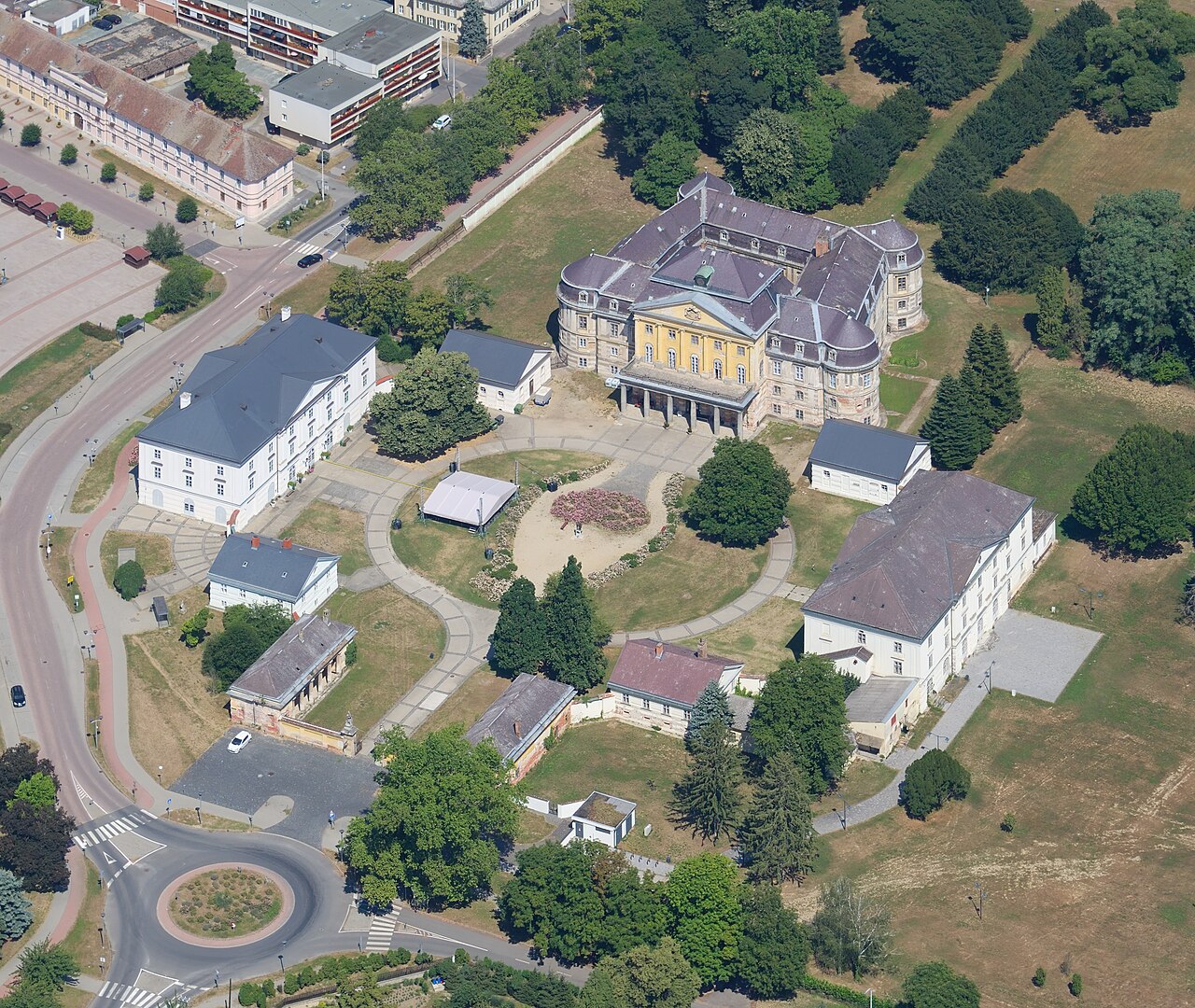
Körmend Castle is a notable historic fortress located in the town of Körmend in western Hungary. This hill castle stands on a strategic elevation, offering commanding views of the surrounding landscape, which historically provided both defensive advantages and control over the region. Körmend Castle is known for its architectural evolution through the centuries, primarily reflecting Renaissance and Baroque styles that were prominent in Hungary from the 16th to the 18th centuries. Historical background and significance The origins of Körmend Castle date back to the medieval period, with the earliest fortifications likely established in the 14th or 15th century. Over time, the castle underwent significant modifications and expansions, especially during the Renaissance era when Hungary saw a wave of castle rebuilding and modernization to adapt to new military technologies and aesthetic preferences. The castle played an important role in regional defense, particularly during the turbulent times of the Ottoman invasions in the 16th and 17th centuries. It served as a noble residence and a military stronghold for various Hungarian aristocratic families, including the Batthyány family, who were influential patrons and owners of the castle for several centuries. Architectural features and style Körmend Castle exhibits architectural features characteristic of both the Renaissance and Baroque periods. The Renaissance influence is evident in the castle's symmetrical layouts, elegant facades, and the use of classical elements such as pilasters, cornices, and arched windows. Later Baroque modifications introduced more ornate decorations, grand staircases, and richly decorated interiors, reflecting the tastes of the aristocracy in the 17th and 18th centuries. The castle complex includes a central residential building surrounded by defensive walls and bastions, typical of hill castles designed to withstand sieges. The presence of courtyards, residential chambers, and service buildings within the castle grounds illustrates its dual function as a fortress and noble residence. Defensive structures The castle's defensive system originally included thick stone walls, towers for surveillance and defense, and a moat or ditch that enhanced its security. Although some of these features have been altered or partially lost over time, remnants of the fortifications remain visible and contribute to the castle's historic character. Cultural and heritage importance Körmend Castle is an important cultural landmark in Hungary, representing the architectural and historical development of the region. It reflects the transition from medieval fortifications to Renaissance and Baroque noble residences, showcasing the evolving needs and tastes of Hungarian nobility. Today, the castle is a site of interest for historians, architects, and tourists alike. Its preserved structures and historical ambiance offer insights into Hungary's feudal past and the architectural trends that shaped Central Europe. Current condition and visitor information The castle is well preserved and has undergone restoration efforts to maintain its structural integrity and historical appearance. It is accessible to visitors, offering guided tours that highlight its architectural features and historical significance. Visitors can explore the castle grounds, including the courtyards, halls, and remaining defensive elements. The castle often hosts cultural events and exhibitions that enrich the visitor experience and promote Hungarian heritage.

Renaissance (15th–17th c.)
Details