Synkavichy Fortified Church
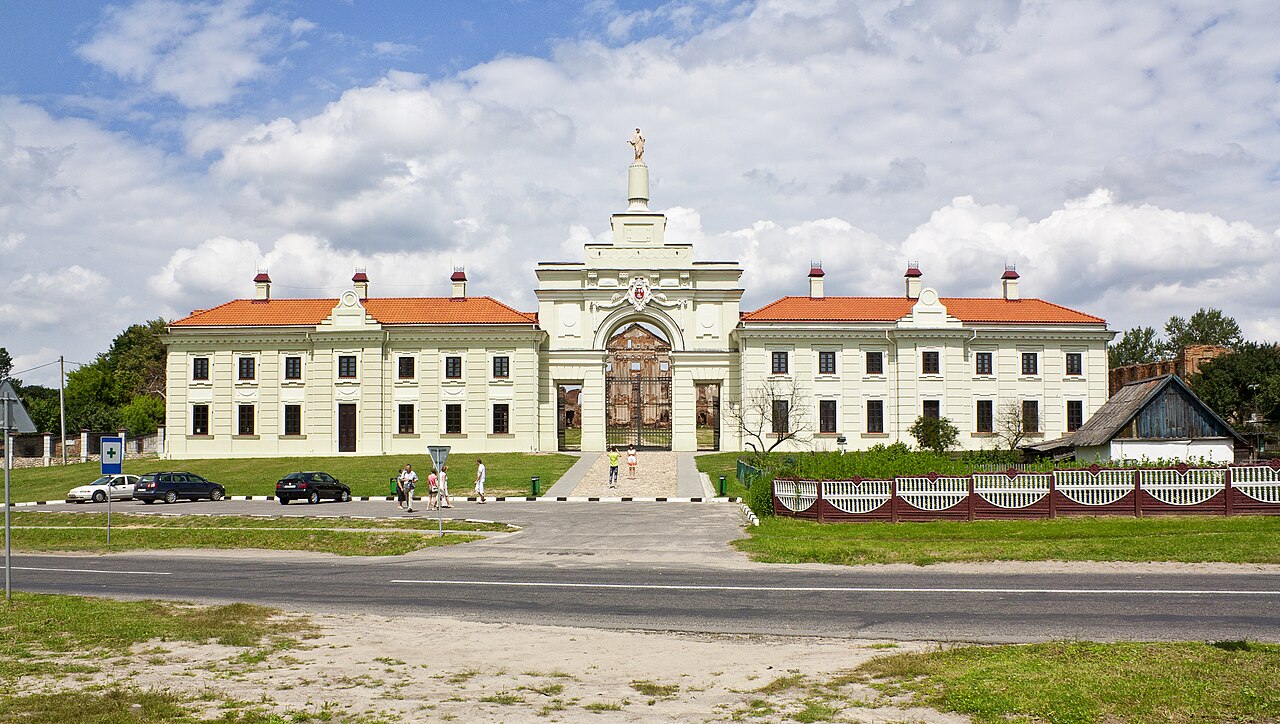
The Synkavichy fortified church, also known as the Church of St. Michael, is a remarkable example of a 16th-century Gothic fortified church located in Synkavichy, Belarus. It stands as one of the earliest and most well-preserved fortified churches in the Grand Duchy of Lithuania. This church uniquely combines religious architecture with military defensive features, reflecting the turbulent history of the region during the Renaissance period.
Historical background and significance
Constructed in the 16th century, the Synkavichy church was built at a time when the Grand Duchy of Lithuania faced frequent threats from invasions and raids. The church was designed not only as a place of worship but also as a refuge and defensive stronghold for local inhabitants. Its dual function as a sacred space and a fortress is a defining characteristic of fortified churches in Eastern Europe.
Throughout its history, the church underwent several significant transformations. In 1880-1881, it experienced substantial reconstruction, which altered some of its original features while preserving its defensive character. Later, in 1926, the church was rebuilt to serve as a Catholic church, reflecting the religious changes in the region. By 1988-1990, it had become an Orthodox church, which it remains today.
The church was added to the UNESCO World Heritage Tentative List in 2004, recognizing its cultural and historical value as a fortified religious monument.
Architectural features and defensive elements
The Synkavichy fortified church is notable for its Gothic architectural style combined with Renaissance influences typical of the 16th century. The church’s structure is characterized by a hall-like interior with cross-shaped vaults supported by six robust pillars. These vaults feature nervures—ribbed arches that are a hallmark of Gothic architecture.
One of the church's most distinctive features is its defensive system. The church is surrounded by four towers positioned at its corners, each equipped with loopholes or narrow vertical slits designed for archers or firearms to defend the building while remaining protected. These loopholes are cleverly placed under the vaults, providing a strategic advantage in defense.
To enhance its defensive capability, the church’s windows are set high above ground level, making it difficult for attackers to breach the interior through them. The thick walls and elevated openings exemplify the fusion of religious and military architectural concepts.
Interior design and religious function
The interior of the church is relatively austere, reflecting its primary function as both a place of worship and a fortress. The hall church design allows for a spacious and open area, suitable for congregational gatherings and religious ceremonies. The six pillars supporting the vaults create a rhythmic division of the interior space, emphasizing verticality and lightness typical of Gothic churches.
Despite its fortified nature, the church contains elements designed to inspire reverence and devotion, such as the vaulted ceilings and the careful masonry work. The church's religious function has shifted over time, from Catholic to Orthodox, which is reflected in various internal modifications made during the 20th century.
Preservation and cultural importance
Today, the Synkavichy fortified church is well preserved and remains an important cultural and historical landmark in Belarus. Its status on the UNESCO Tentative List highlights its significance as a rare example of a fortified ecclesiastical building in Eastern Europe.
The church attracts visitors interested in medieval architecture, military history, and religious heritage. Its unique combination of Renaissance period defensive architecture and Gothic ecclesiastical design makes it a valuable study subject for historians and architects alike.
Efforts to maintain and protect the church continue, ensuring that this architectural monument endures for future generations to appreciate its historical and artistic value.
Frequently asked questions (FAQ)
- What is the historical significance of Synkavichy Fortified Church?
- Synkavichy Fortified Church is an important cultural monument in Belarus, reflecting the architectural styles of the 16th century. It served as a defensive structure, showcasing the blend of religious and military architecture in the region. Its historical value lies in its preservation and representation of Belarusian heritage.
- When was Synkavichy Fortified Church built?
- The construction of Synkavichy Fortified Church began in the late 16th century, with significant contributions made throughout the following decades. The church was completed in the early 17th century, becoming a central part of the local community's spiritual and social life. Its age adds to the allure for history enthusiasts and visitors alike.
- Can I visit Synkavichy Fortified Church?
- Yes, visitors are welcome to explore Synkavichy Fortified Church. It is open to the public, allowing guests to appreciate its architecture and learn about its history. Guided tours may also be available, providing deeper insights into the site's significance.
- What are the opening hours for Synkavichy Fortified Church?
- Synkavichy Fortified Church typically opens its doors to visitors from 10 AM to 5 PM. It is advisable to check local listings or the church's official website for any seasonal changes in hours. Planning your visit during these times will ensure you have ample opportunity to enjoy the site.
- Is it possible to access Synkavichy Fortified Church for those with mobility issues?
- While Synkavichy Fortified Church is a historical site, efforts have been made to improve accessibility. However, due to its age and traditional architecture, some areas may pose challenges. It is recommended to inquire ahead of your visit for specific accessibility options and assistance.
- What is the best time to visit Synkavichy Fortified Church?
- The best time to visit Synkavichy Fortified Church is during the late spring to early autumn months, from May to September. During this period, the weather is generally mild, making it more enjoyable for outdoor exploration. Additionally, various local events and festivals may enhance your experience during these months.
- Are there any nearby attractions to visit after Synkavichy Fortified Church?
- Yes, there are several attractions near Synkavichy Fortified Church that you can explore. The surrounding area features beautiful landscapes and historical sites, including local museums and parks. Taking a short trip can enrich your visit and provide a fuller experience of Belarusian culture.
- What are the ticket prices for visiting Synkavichy Fortified Church?
- Admission to Synkavichy Fortified Church is typically affordable, with ticket prices aimed at encouraging visitors. Discounts may be available for students, seniors, and groups, making it accessible for everyone. It is advisable to check the current pricing on the official website before your visit.
Loading map...
Visitor reviews
No reviews yet. Been here? Write the first review and help other travelers!
Write the first reviewVisited this castle? Share your experience
Your review helps other travelers and adds first-hand knowledge to our encyclopedia.