Ruzhany Palace
Ruzhany Palace is a significant historic palace complex located in the village of Ruzhany, within the Pruzhany District of the Brest Region in Western Belarus. This site served as the principal residence of the prominent Sapieha noble family, specifically the senior branch known as the Sapiehas of Ruzhany, from the 16th through the 19th centuries. The palace, originally built in the 18th century, reflects the architectural and cultural developments of the post-Renaissance period in this region of Eastern Europe.
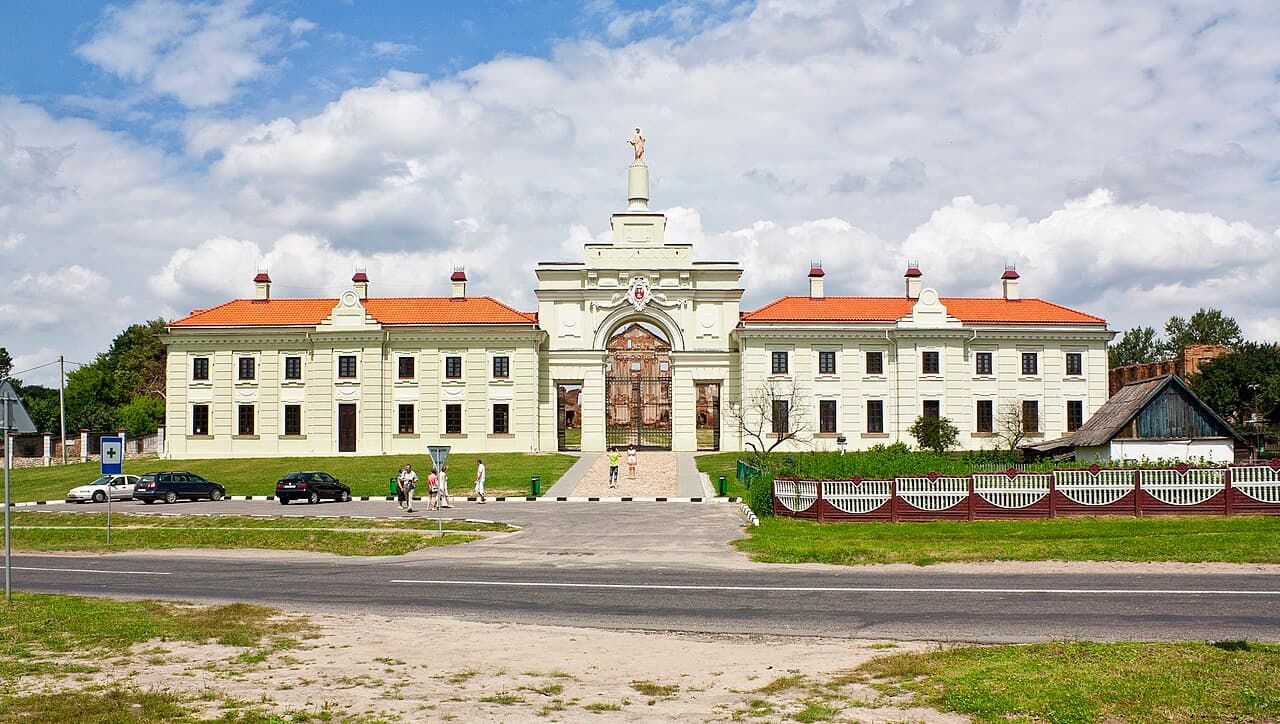
The palace compound today stands as ruins, but it is currently the focus of systematic restoration efforts. Notably, the palace's ornate gate and the entry building have already been restored, highlighting the palace's former grandeur and intricate design. These restored elements offer visitors a glimpse into the elaborate style and craftsmanship that characterized the estate during its peak.
Historical significance and ownership
The history of Ruzhany Palace is closely intertwined with the fortunes of the Sapieha family, one of the most influential noble houses in the Grand Duchy of Lithuania and later the Polish–Lithuanian Commonwealth. The estate at Ruzhany was their main seat, symbolizing their wealth, power, and status. Over the centuries, the palace witnessed various historical events and changes in ownership, reflecting the complex political and social dynamics of the region.
The Sapiehas were known for their patronage of the arts and architecture, and the palace served not only as a residence but also as a cultural hub. The family's influence extended into political and military spheres, and their estate at Ruzhany was a center of administration and social life.
Architectural features and layout
The palace complex originally included several key structures typical of grand noble residences of the 18th century. These included the main palace building, service wings, stables, and various auxiliary buildings arranged around courtyards. The architectural style reflects post-Renaissance influences, with elements that may incorporate late Baroque and early Classicism, although detailed stylistic analysis is limited due to the current condition of the ruins.
The ornate gate is a notable surviving feature, showcasing intricate masonry and decorative details that suggest the high status of the estate. The entry building, also restored, provides insight into the design aesthetics and functional planning of the palace grounds.
Construction materials and techniques
The palace was constructed primarily of brick and stone, materials commonly used in the region during the period. The craftsmanship indicates skilled masonry work, with attention to decorative elements that enhanced both the defensive and residential qualities of the estate. The surviving gate and entryway exemplify these techniques, combining structural solidity with artistic detail.
Decline and restoration efforts
Like many noble estates in Eastern Europe, Ruzhany Palace suffered decline due to political upheavals, wars, and changing ownership in the 19th and 20th centuries. The site fell into ruin, with many buildings deteriorating or being lost entirely. Despite this, the palace remains an important cultural and historical landmark.
Restoration efforts began in recent decades, focusing on stabilizing the ruins and restoring key architectural elements to preserve the site's heritage. The work on the gate and entry building serves as a foundation for further conservation projects aimed at reviving the palace's historical appearance and making it accessible to visitors interested in Belarusian history and architecture.
Visitor information and cultural importance
Today, Ruzhany Palace is recognized as a valuable heritage site that offers insight into the noble lifestyle and architectural trends of its era. The ongoing restoration has increased public interest, attracting tourists, historians, and architects. While the palace is not fully restored, the accessible ruins and restored structures allow visitors to appreciate the scale and significance of the estate.
The palace's location in the Brest Region places it within a wider network of historical sites, making it a notable destination for those exploring Belarus's rich cultural landscape. Visitors are encouraged to explore the surrounding village and district to gain a fuller understanding of the region's historical context.
Frequently asked questions (FAQ)
- When was Ruzhany Palace originally built?
- Ruzhany Palace was originally constructed in the 18th century, reflecting the post-Renaissance architectural period.
- What is the historical significance of Ruzhany Palace?
- Ruzhany Palace was the main residence of the influential Sapieha noble family from the 16th to 19th centuries, serving as a cultural and political center.
- What architectural style characterizes Ruzhany Palace?
- The palace exhibits post-Renaissance architectural features with possible late Baroque and early Classicism influences.
- What parts of Ruzhany Palace have been restored?
- The ornate gate and the entry building of Ruzhany Palace have been restored as part of ongoing reconstruction efforts.
- Is Ruzhany Palace open to visitors?
- Yes, visitors can explore the restored gate, entry building, and the surrounding ruins, which provide insight into the palace's history and architecture.
Photo gallery

Information
Current owner
State museum
Loading map...
Visitor reviews
No reviews yet. Been here? Write the first review and help other travelers!
Write the first reviewVisited this castle? Share your experience
Your review helps other travelers and adds first-hand knowledge to our encyclopedia.