Sween Castle
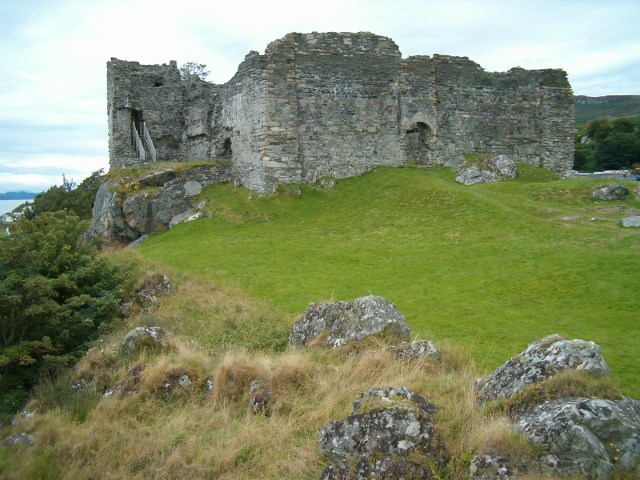
Sween Castle stands as one of the oldest surviving castles on the west coast of Scotland, embodying a rich history that spans nearly a millennium. Constructed around 1100 AD, this hill castle was strategically positioned to oversee and control the surrounding coastal waters and nearby islands. Its location provided both a defensive advantage and a commanding view, which remains a highlight for visitors today.
Historical significance and origins
The origins of Sween Castle trace back to the early High Medieval period, making it one of the earliest stone castles in Scotland. It was initially built by the MacSween family, a Norse-Gaelic clan with strong ties to the western seaboard. The castle's establishment around the turn of the 12th century reflects the period's political and military shifts, as local lords fortified their holdings amid the evolving landscape of Scottish and Norse power struggles.
Throughout the centuries, Sween Castle witnessed numerous changes in ownership and architectural modifications. It played a role in regional conflicts and served as a noble residence before falling into decline. Despite this, its ruins remain a testament to medieval castle-building techniques and the turbulent history of the Scottish west coast.
Architectural features and layout
Original construction and materials
The castle was originally constructed using local stone, typical of early medieval fortifications in Scotland. Its design features a compact keep or tower house as the central stronghold, surrounded by defensive walls and possibly a ditch or moat. The thick stone walls and limited openings were intended to withstand sieges and harsh coastal weather.
Defensive structures and modifications
Over time, Sween Castle was enhanced with additional fortifications, including curtain walls and towers that provided improved vantage points and defensive capabilities. The castle's position on a rocky promontory added natural defenses, with steep cliffs protecting it on several sides. These features exemplify medieval military architecture adapted to the rugged Scottish coastline.
Decline and preservation
By the late medieval and early modern periods, Sween Castle gradually fell out of use as a noble residence and military fortification. It suffered damage from conflicts and neglect, leading to its current status as a ruin. Despite this, the site has been preserved as a significant historical monument, offering valuable insights into early Scottish castle construction and coastal defense strategies.
Today, the castle is managed to allow public access, with visitors able to explore the ruins and enjoy panoramic views of the surrounding islands and sea. The preservation efforts highlight the castle's cultural importance and its role in Scotland's medieval heritage.
Visiting Sween Castle
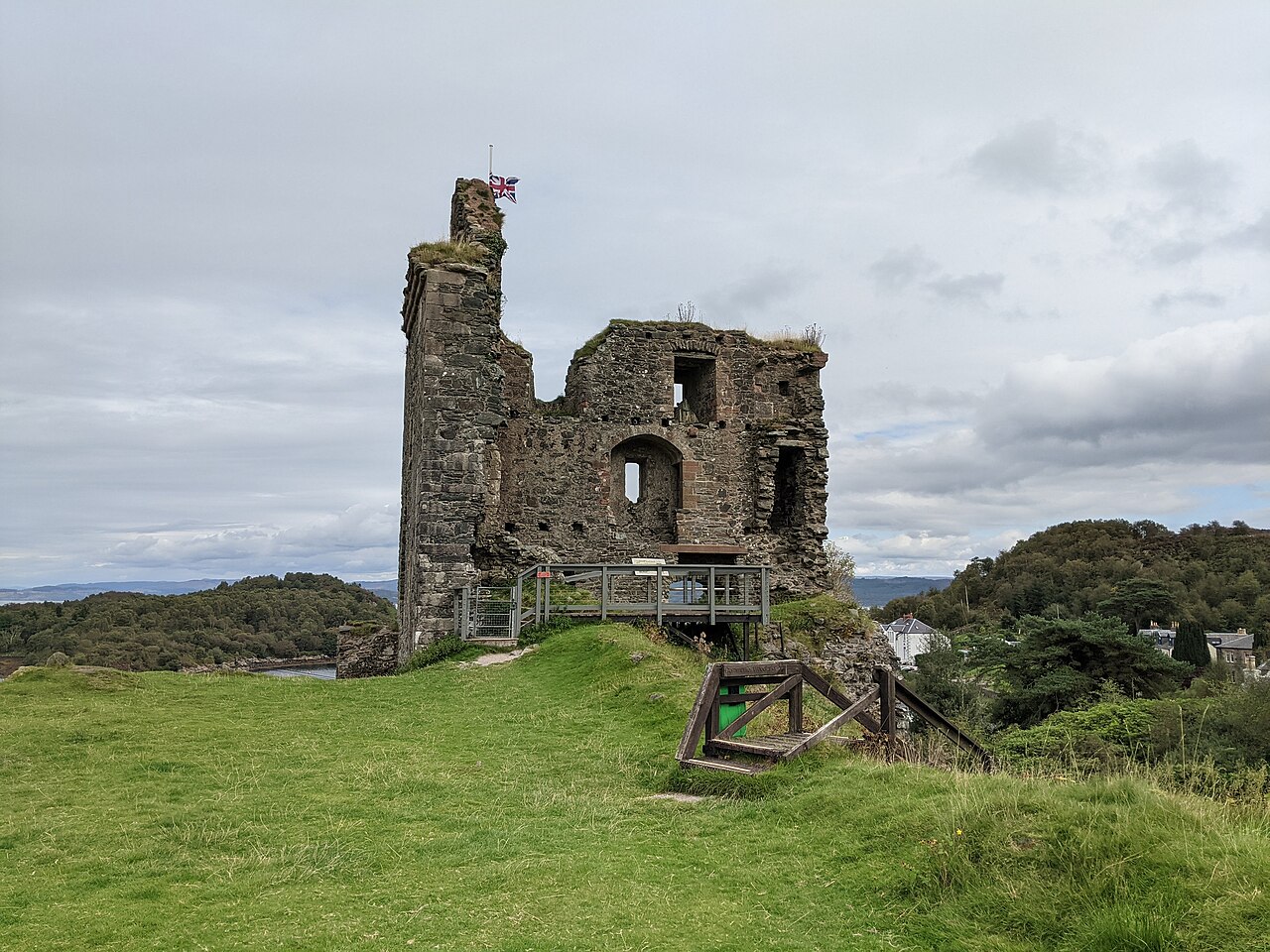
Sween Castle is accessible to visitors interested in Scottish history, medieval architecture, and scenic coastal landscapes. The site provides an evocative glimpse into the past, with interpretive signage to guide exploration. Its location on the west coast makes it a popular stop for those touring the region's castles and historic sites.
The castle's ruins, combined with the breathtaking views of the Firth of Clyde and nearby islands, create a memorable experience for history enthusiasts and tourists alike.
Legacy and cultural importance
Sween Castle holds a special place in Scotland's architectural and historical narrative as one of the earliest stone castles in the country. Its enduring ruins symbolize the medieval period's complex social and military dynamics, particularly in coastal regions influenced by Norse and Gaelic cultures.
The castle continues to inspire interest in Scotland's medieval past and serves as a valuable educational resource, connecting present-day visitors with the legacy of early Scottish nobility and fortification practices.
Frequently asked questions (FAQ)
- When was Sween Castle built?
- Sween Castle was built around 1100 AD during the High Medieval period, making it one of the oldest castles in Scotland.
- What type of castle is Sween Castle?
- Sween Castle is classified as a hill castle, strategically located on a rocky promontory overlooking the west coast of Scotland.
- Can visitors access Sween Castle?
- Yes, visitors can explore the ruins of Sween Castle and enjoy panoramic views of the surrounding islands and coastal landscape.
- Why is Sween Castle historically important?
- Sween Castle is historically significant as one of Scotland's earliest stone castles, reflecting medieval military architecture and Norse-Gaelic heritage.
- What remains can be seen at Sween Castle today?
- Today, visitors can see the ruins of the castle's keep, defensive walls, and other fortification elements that highlight its medieval origins.
Information
Loading map...
Visitor reviews
No reviews yet. Been here? Write the first review and help other travelers!
Write the first reviewVisited this castle? Share your experience
Your review helps other travelers and adds first-hand knowledge to our encyclopedia.