Suzdal Kremlin
The Suzdal Kremlin is the oldest part of the historic city of Suzdal, located in the Russian Federation. Originating in the 10th century, it represents one of the earliest examples of a Russian kremlin, serving as the religious, administrative, and defensive heart of the city. The Kremlin was initially constructed as a fortified citadel to protect the inhabitants and govern the surrounding lands.
Historical development and significance
The Suzdal Kremlin's origins date back to the 10th century, making it one of the oldest surviving fortifications in Russia. It played a crucial role during the High Medieval period as the center of political power and religious authority in Suzdal, which was a prominent principality in medieval Rus'. The Kremlin was the residence of local princes and housed important religious institutions, reflecting the close relationship between secular and ecclesiastical power in medieval Russia.
Throughout the centuries, the Kremlin underwent various expansions and reconstructions, particularly in the 13th century, when the defensive structures were strengthened to withstand invasions and internal conflicts. Despite these modifications, the Kremlin has preserved much of its original layout and character, offering valuable insights into early Russian fortress architecture.
Architectural features and structures
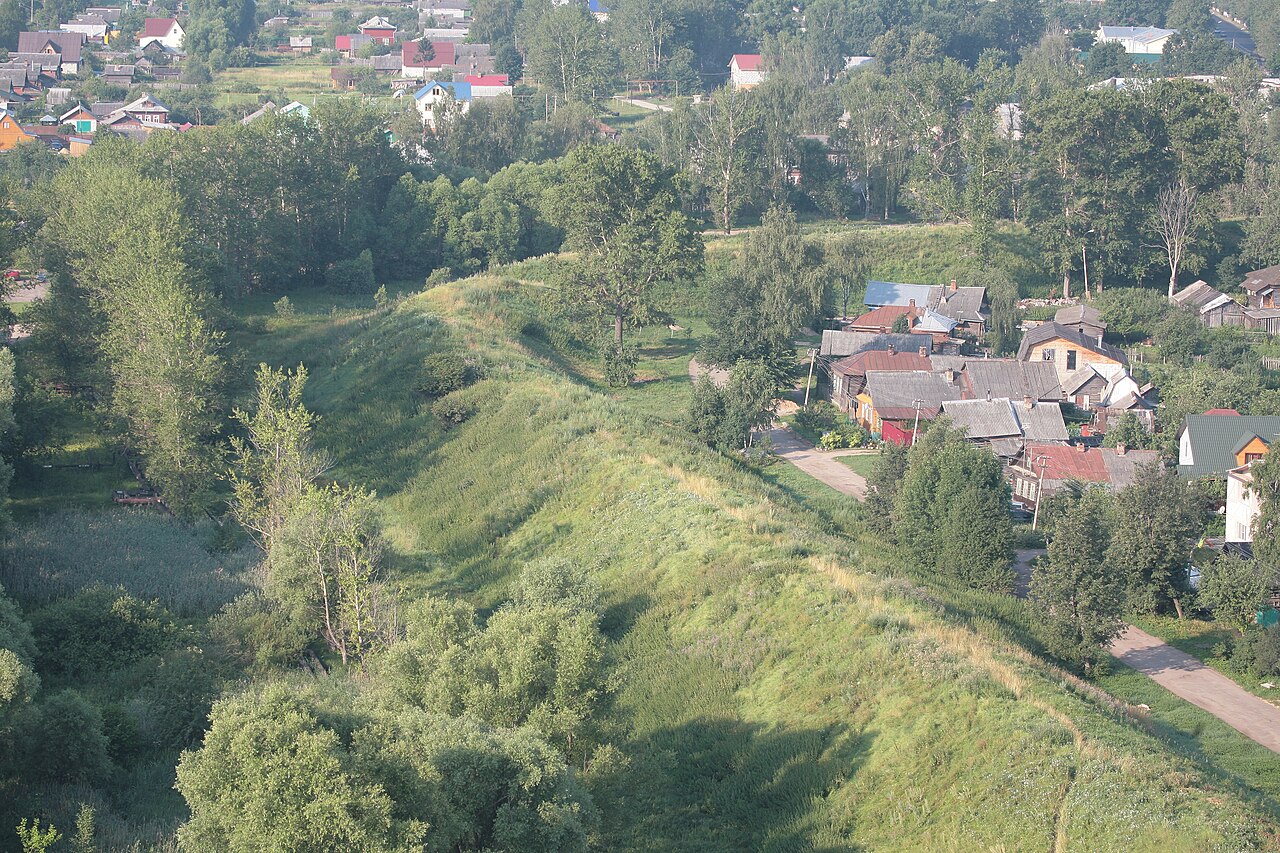
The Suzdal Kremlin is characterized by its fortified walls and towers, which were designed to protect against attacks. Unlike later kremlins that often featured multiple layers of walls, the Suzdal Kremlin's defenses are relatively modest, reflecting its early medieval origins. The walls were originally made of wood and earth, later replaced or reinforced with stone and brick.
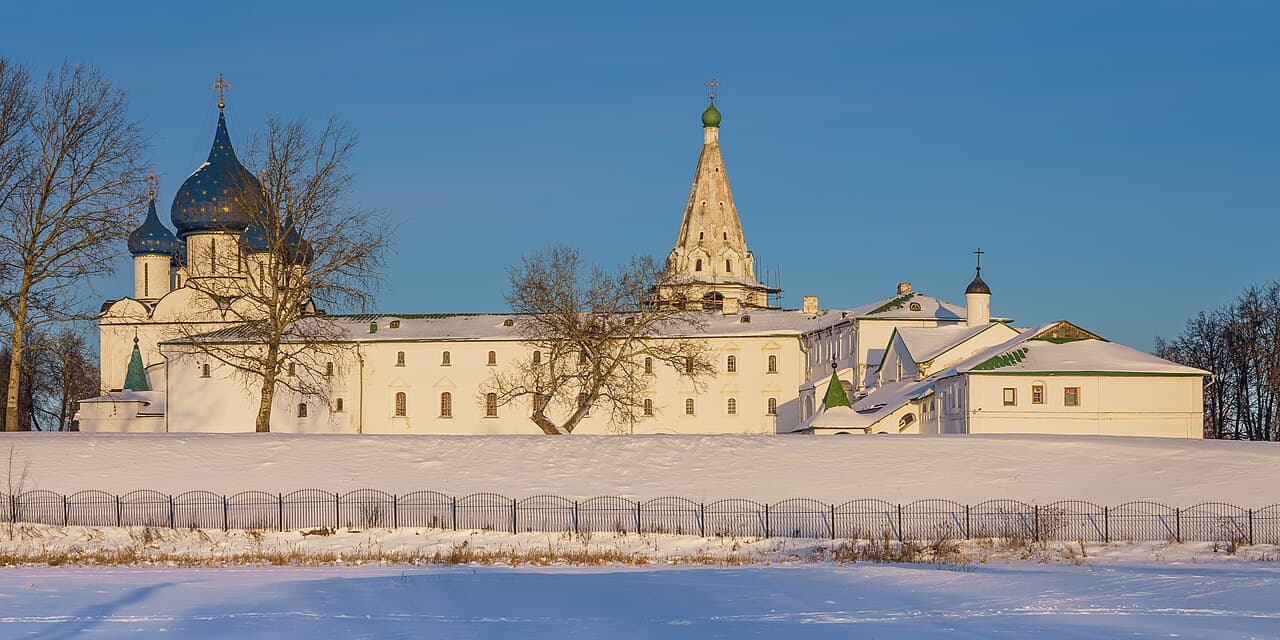
One of the Kremlin's most significant architectural landmarks is the Cathedral of the Nativity, built initially in the 13th century and later rebuilt in the 16th century. The cathedral is renowned for its white stone construction and ornate frescoes inside, which are exemplary of medieval Russian religious art. Its distinctive onion domes and decorative carvings exemplify the evolution of Russian ecclesiastical architecture.
Within the Kremlin grounds, there are also remains of princely palaces, defensive towers, and religious buildings, which together illustrate the multifunctional nature of the kremlin as a fortress, residence, and spiritual center.
UNESCO World Heritage status and preservation
In 1992, the Suzdal Kremlin, along with several architectural monuments in the nearby city of Vladimir, was inscribed on the UNESCO World Heritage List as part of the "White Monuments of Vladimir and Suzdal". This designation recognizes the Kremlin's outstanding universal value as an example of medieval Russian architecture and urban planning.
Today, the Suzdal Kremlin is a well-preserved historic site that attracts numerous visitors interested in Russian history, architecture, and Orthodox culture. Conservation efforts have focused on maintaining the structural integrity of the walls and the Cathedral of the Nativity, as well as protecting the frescoes and other artistic elements.
Visiting the Suzdal Kremlin
The Kremlin is accessible to the public and offers a unique opportunity to explore early Russian fortifications and religious architecture. Visitors can walk along the Kremlin walls, visit the cathedral and its museum, and learn about the history of Suzdal through exhibitions and guided tours. The site is particularly popular during cultural festivals and religious holidays when traditional ceremonies are held.
Architectural style and construction techniques
The Suzdal Kremlin reflects the High Medieval architectural style with elements typical of early Russian fortifications. The use of white limestone in the cathedral and the decorative stone carvings are characteristic of the region's craftsmanship during the medieval period. The construction techniques evolved from wooden fortifications to more durable stone and brickwork, demonstrating the advancement in military architecture.
Role in regional history
As the political and religious center of the Suzdal principality, the Kremlin was integral to the development of northeastern Rus'. It served as a strategic defensive site during various conflicts, including Mongol invasions and internal disputes among Russian princes. The Kremlin's survival and preservation provide valuable evidence of medieval Russian statehood and cultural identity.
Frequently asked questions (FAQ)
- What is the historical significance of Suzdal Kremlin?
- The Suzdal Kremlin is a UNESCO World Heritage Site, representing a key part of Russia's medieval history. It served as a fortress and a religious center, showcasing the architectural styles and cultural heritage of the Vladimir-Suzdal principality in the 12th century.
- When was Suzdal Kremlin built?
- The construction of the Suzdal Kremlin began in the 12th century, with significant developments occurring over the following centuries. Its most notable structures, including the Cathedral of the Nativity, were completed in the early 13th century, reflecting the architectural trends of the time.
- What are the opening hours for Suzdal Kremlin?
- The Suzdal Kremlin is typically open to visitors from 10 AM to 6 PM, but hours may vary seasonally. It's advisable to check the official website or contact local tourism offices for the most current opening times before your visit.
- Can I take photographs inside the Suzdal Kremlin?
- Yes, visitors are generally allowed to take photographs within the Suzdal Kremlin, but there may be restrictions in certain areas, particularly within museums or places of worship. Always check for signage indicating photo policies to ensure compliance.
- Is it possible to access the Suzdal Kremlin with limited mobility?
- The Suzdal Kremlin has some accessible routes, but visitors with limited mobility may encounter challenges due to uneven terrain and stairs. It’s recommended to contact local tourist services for guidance on accessible pathways and facilities.
- What is the best time to visit Suzdal Kremlin?
- The best time to visit the Suzdal Kremlin is during the late spring to early autumn months, from May to September, when the weather is mild and pleasant. This period also coincides with various cultural events and festivals that enhance the visitor experience.
- Are there any nearby attractions to visit when in Suzdal?
- Yes, when visiting Suzdal, you can explore nearby attractions such as the Museum of Wooden Architecture and Peasant Life and the stunning Church of the Intercession on the Nerl River. These sites complement the historical experience of the Kremlin and showcase the region's architectural beauty.
- What are the ticket prices for entering Suzdal Kremlin?
- Ticket prices for the Suzdal Kremlin vary depending on age and the specific areas you wish to visit. Generally, adult tickets range from 150 to 300 rubles, while discounts are often available for students and seniors, making it an affordable destination for all.

Information
Loading map...
Visitor reviews
No reviews yet. Been here? Write the first review and help other travelers!
Write the first reviewVisited this castle? Share your experience
Your review helps other travelers and adds first-hand knowledge to our encyclopedia.