Sunomata Castle
Sunomata Castle (墨俣城, Sunomata-jō) is a historic hill castle located in Ōgaki, Gifu Prefecture, Japan, at the strategic confluence of the Sai and Nagara rivers. It is famously known as Sunomata Ichiya Castle (墨俣一夜城), which translates to "One-Night Castle," a name derived from the popular legend that the castle was constructed overnight. This story, while romanticized, reflects the remarkable speed and ingenuity involved in its building during the mid-16th century.
Construction and historical context
The castle was erected in the 16th century during the Sengoku period, a time of intense military conflict and political upheaval in Japan. It was built under the direction of Toyotomi Hideyoshi, who was then a minor retainer of the powerful warlord Oda Nobunaga. The castle's construction occurred amid the Siege of Inabayama Castle, a critical military campaign aimed at consolidating Nobunaga's control over the region.
According to historical accounts, Hideyoshi led a group of adventurers and mercenaries, including a local bandit leader named Hachisuka Koroku, to construct the fortress rapidly. They employed pre-fabricated wooden sections and modular components, which allowed the structure to rise with astonishing speed. Although the castle was not literally built in one night, the swift construction created the impression of an overnight feat, which served as a psychological tactic against enemy forces.
Design and military function
Unlike the grand stone castles that would later dominate Japanese castle architecture, Sunomata Castle was primarily a wooden walled fortress featuring simple watchtowers, wooden palisades, and dry moats. Its design was utilitarian, focusing on rapid assembly and strategic placement rather than elaborate defenses. The castle functioned more as a border fortification than a permanent residence or administrative center.
The primary purpose of Sunomata Castle was to intimidate and demoralize enemy forces by demonstrating Nobunaga's growing power and the tactical ingenuity of his retainers. Its presence helped to secure Nobunaga's advances in the region and contributed to Hideyoshi's rising prominence as a military leader.
Architectural features and legacy
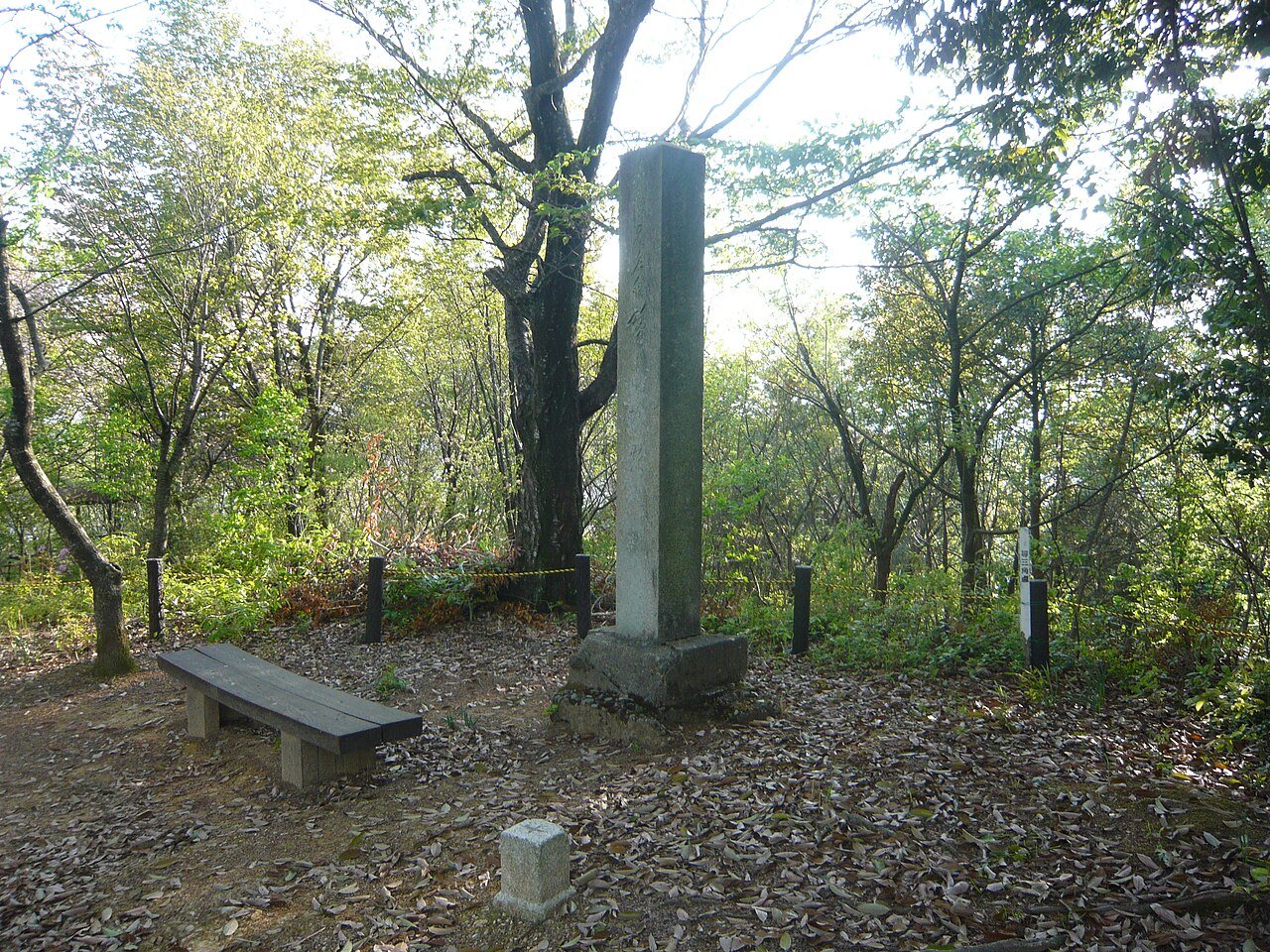
While the original castle no longer stands, its historical significance endures. The fortress's rapid construction technique was innovative for its time and highlighted the importance of mobility and psychological warfare during the Sengoku period. The castle's modest wooden structures contrasted with the massive stone keeps that characterized later Japanese castles, reflecting the transitional nature of castle-building practices in the 16th century.
Reconstruction and museum
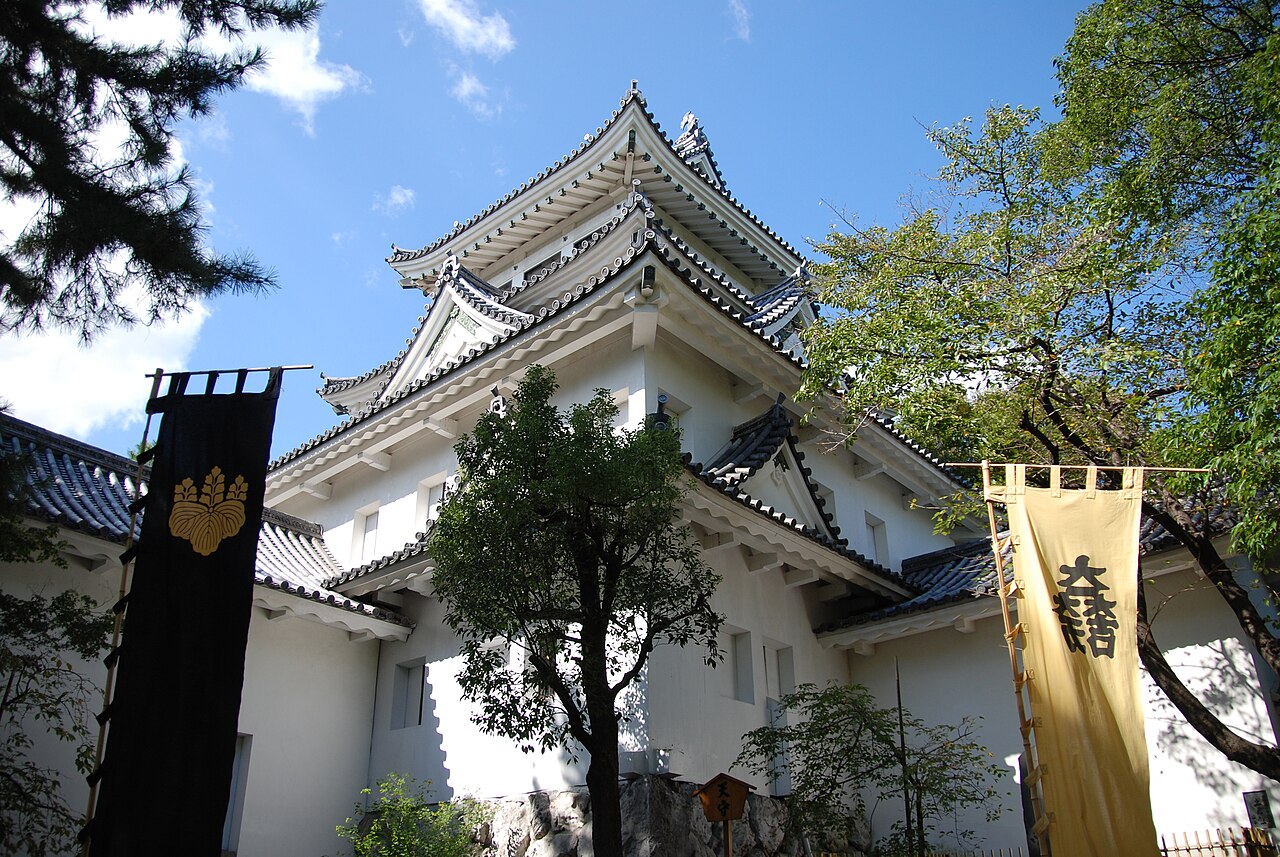
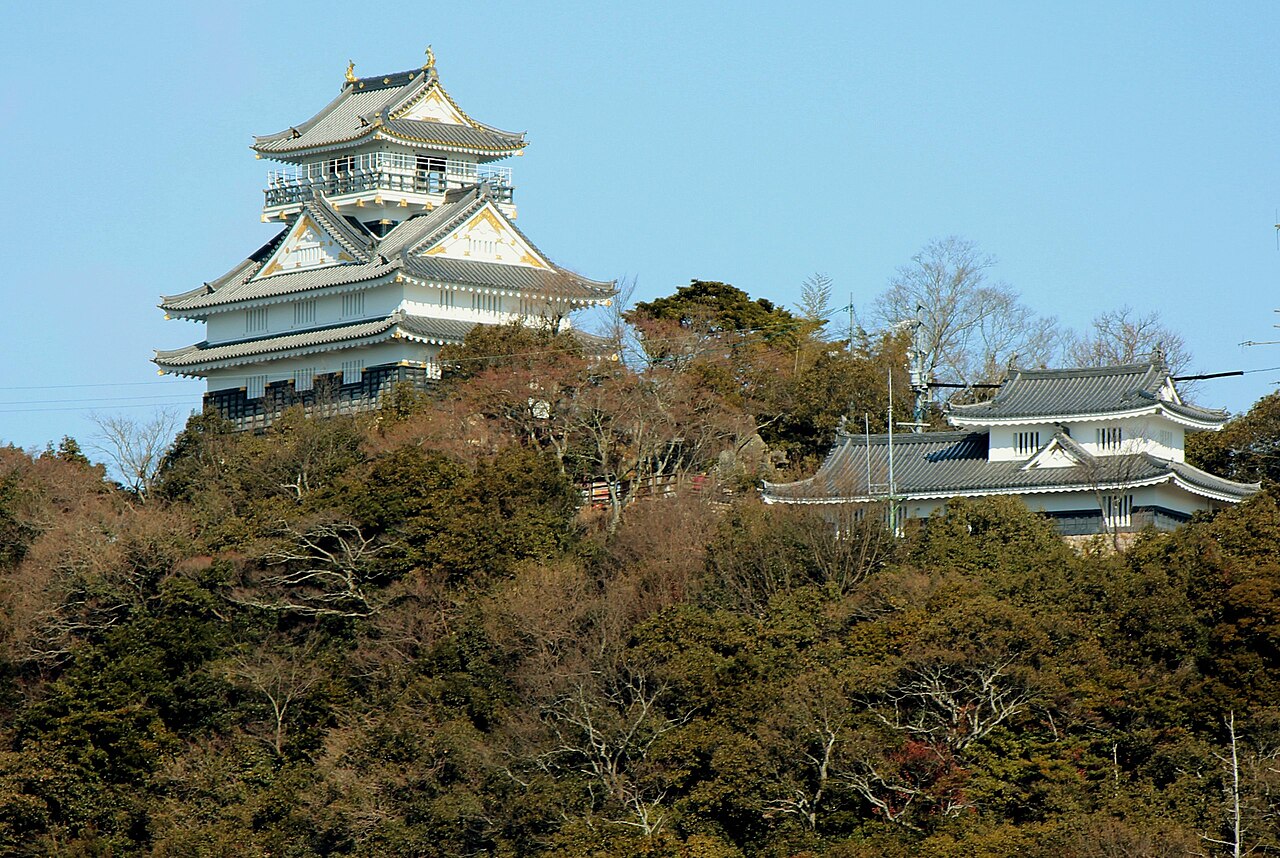
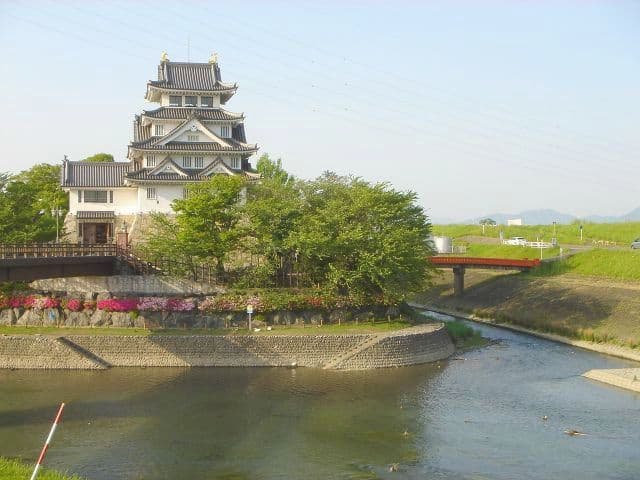
In 1991, a reconstructed castle tower was built near the original site to serve as a local history museum. This reconstruction is not an exact replica of the original Sunomata Castle; rather, it was modeled after the nearby Ōgaki Castle, which features more typical Japanese castle architectural elements such as multi-storied tenshu (main keep) and tiled roofs. Inside the museum, visitors can view models depicting the original fortress's appearance, along with displays of samurai armor, weapons, and other artifacts from the period.
Sunomata Castle in cultural and natural context
The castle site is also renowned as a popular location for viewing cherry blossoms in the spring, attracting visitors who appreciate both its historical significance and natural beauty. The surrounding area offers scenic views of the rivers and the landscape that once shaped the military strategies of the Sengoku era.
Sunomata Castle remains a symbol of Toyotomi Hideyoshi's early military career and his innovative approach to warfare and castle construction. Its story continues to capture the imagination of historians, architects, and tourists interested in Japan's rich feudal history.
Frequently asked questions (FAQ)
- What is the historical significance of Sunomata Castle?
- Sunomata Castle, built in the late 16th century by Toyotomi Hideyoshi, played a crucial role in the unification of Japan during the Sengoku period. It served as a strategic point for military operations and is notable for its innovative use of earthen ramparts and unique architectural design.
- When was Sunomata Castle constructed?
- Sunomata Castle was constructed in 1585 as a temporary fortification during the Siege of Inabayama. Though it was eventually abandoned, its historical importance remains significant in Japanese history.
- What are the opening hours for Sunomata Castle?
- Sunomata Castle is open to visitors daily from 9:00 AM to 5:00 PM, with last entry at 4:30 PM. It is advisable to check for any seasonal variations in hours or special closure days before planning your visit.
- Can I access Sunomata Castle with public transportation?
- Yes, Sunomata Castle is accessible via public transportation. Visitors can take a train to Ōgaki Station and then a short bus ride or taxi to the castle, making it convenient for those relying on public transport.
- Is it possible to visit Sunomata Castle year-round?
- Yes, Sunomata Castle is open year-round to visitors. However, the best time to visit is during the cherry blossom season in spring or the vibrant autumn months, when the surrounding landscapes are particularly beautiful.
- What are the ticket prices for Sunomata Castle?
- Admission to Sunomata Castle is typically free, allowing visitors to explore its grounds without a ticket fee. However, certain exhibitions or guided tours may have a nominal charge, so it’s best to inquire on-site.
- What nearby attractions can I visit when at Sunomata Castle?
- Nearby attractions include the Ōgaki Castle and the scenic Ogaki Park, both of which offer rich historical insights and beautiful landscapes. Additionally, the surrounding area has various restaurants and shops to enhance your visit.
- How do I get the most out of my visit to Sunomata Castle?
- To maximize your visit, consider joining a guided tour to learn about the castle’s history and architecture. Additionally, bringing a picnic to enjoy in the castle grounds can enhance your experience, especially during the cherry blossom season.
Photo gallery

Information
Loading map...
Visitor reviews
No reviews yet. Been here? Write the first review and help other travelers!
Write the first reviewVisited this castle? Share your experience
Your review helps other travelers and adds first-hand knowledge to our encyclopedia.