Ōgaki Castle — Japan castle

Ōgaki Castle

Ōgaki Castle: historic flatland fortress of Gifu Prefecture
Ōgaki, Japan
Renaissance (15th–17th c.)
Well Preserved

Ōgaki Castle (大垣城, Ōgaki-jō) is a prominent flatland-style Japanese castle situated in the city of Ōgaki, within Gifu Prefecture, Japan. Constructed during the turbulent 16th century, it played a significant role throughout the Sengoku period and later under the Edo period. The castle is also known by alternate names such as Bi Castle (麇城 Bi-jō) and Kyoroku Castle (巨鹿城 Kyoroku-jō), reflecting its historical prominence in the region.

Historical significance and strategic role

Ōgaki Castle was originally built as a hill castle but is primarily recognized as a flatland castle due to its location on the plains, a strategic choice that allowed control over vital transportation routes in the Mino Province. During the Sengoku period, the castle served as a stronghold for several of Toyotomi Hideyoshi's trusted generals and relatives, highlighting its importance in the power struggles of feudal Japan. Its position enabled control over the surrounding fertile lands and key roads, making it a critical military and administrative center.

Architectural features and design

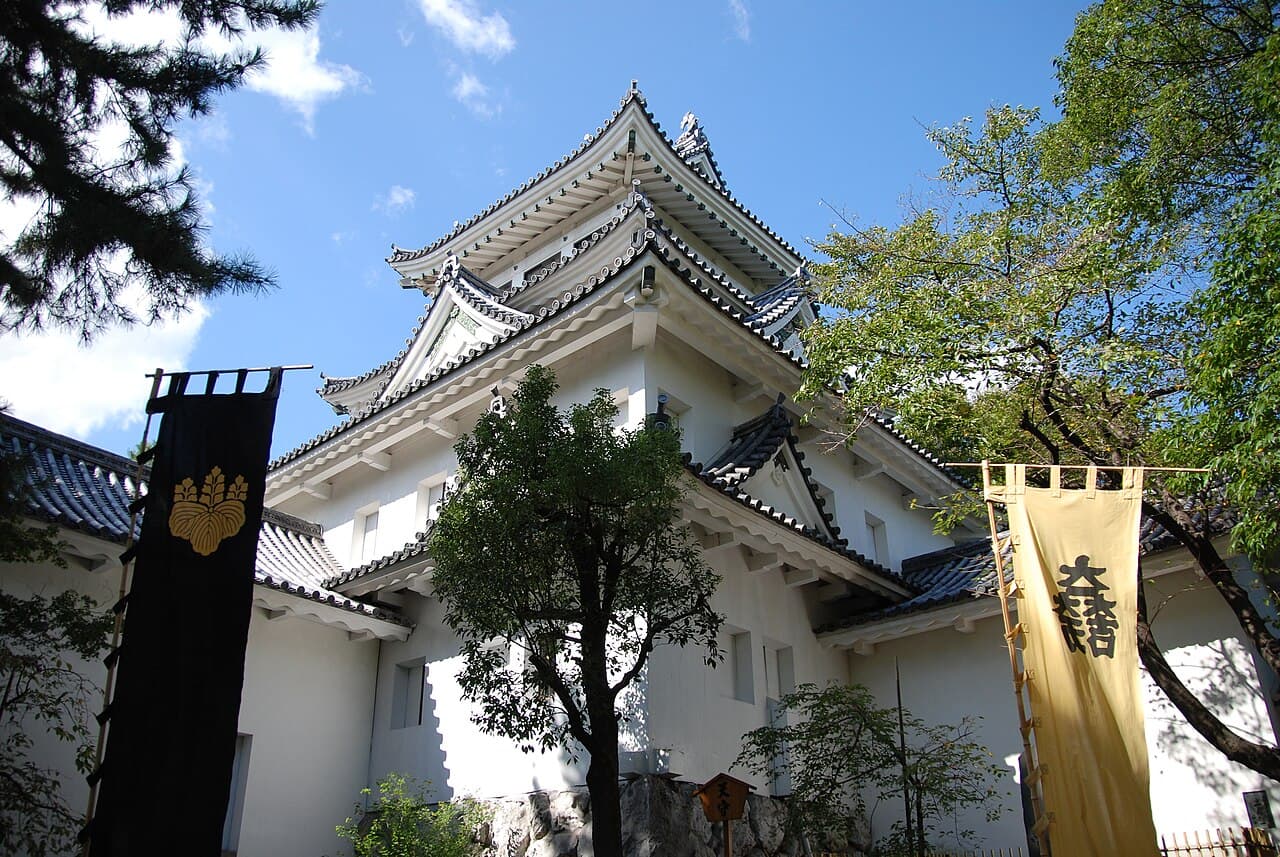
Ōgaki Castle's design reflects typical Japanese castle architecture of the late 16th century, characterized by a complex system of moats, walls, and baileys. The castle originally featured a tenshu or main keep, which was a multi-storied tower serving as both a lookout and a symbol of the lord's power. Although the original keep was destroyed, the castle grounds include reconstructed gates, walls, and turrets that illustrate the castle's former grandeur.

The castle's layout includes multiple concentric baileys surrounded by stone walls and moats, designed to delay and repel attackers. The moats are particularly notable, as they are integrated with the surrounding waterways, enhancing the castle's defenses. The use of earthen walls and wooden structures is typical of the period, combining natural materials with strategic fortification methods.

Restoration and preservation

Significant restoration efforts have taken place since the 20th century to preserve Ōgaki Castle's historical structures. While some original components were lost due to fires and wars, modern reconstructions have aimed to faithfully replicate the castle's Edo period appearance. Today, the castle is a well-preserved cultural site, featuring a museum that displays artifacts related to its history and the samurai who once inhabited it.

Role during the Edo period and the Toda clan

Under the Tokugawa shogunate during the Edo period, Ōgaki Castle became the seat of the Toda clan, who ruled the Ōgaki Domain. The Toda lords managed a significant portion of the Mino Province from this castle, overseeing agricultural production and regional governance. The castle's function shifted from primarily military to administrative, reflecting the relative peace of the Edo period.

The castle's grounds were adapted to accommodate the residential and bureaucratic needs of the Toda family, including the construction of living quarters, administrative buildings, and gardens. This period saw the castle become a symbol of local authority and governance rather than a fortress for warfare.

Notable events and cultural importance

Ōgaki Castle has witnessed several important historical events, including battles during the Sengoku period and political shifts in the Edo era. Its strategic location made it a focal point during conflicts such as the Battle of Sekigahara, where control of the castle influenced the outcome of regional power struggles.

Today, Ōgaki Castle is recognized as a valuable cultural heritage site. It hosts festivals and events that celebrate its history, attracting visitors interested in Japanese feudal architecture and samurai culture. The castle's preserved structures and museum offer insight into the military and administrative life of feudal Japan.

Visitor experience and accessibility

The castle grounds are open to the public, featuring well-maintained gardens, reconstructed gates, and informative displays. Visitors can explore the castle's defensive features, including the moat and walls, and learn about the history of the Toda clan and the castle's role in Japanese history. The site is accessible by public transport from Ōgaki city center, making it a convenient destination for tourists and history enthusiasts.

Frequently asked questions (FAQ)

How do I get to Ōgaki Castle?
Ōgaki Castle is accessible by public transport; you can take the JR Tōkaidō Line to Ōgaki Station, which is about a 15-minute walk from the castle. Alternatively, you can drive and use the nearby parking facilities available for visitors.
What is the historical significance of Ōgaki Castle?
Ōgaki Castle, built in the 16th century, played an important role during the Sengoku period and later served as a base for the Tokugawa shogunate. The castle is known for its strategic location and was involved in various historical events, making it a key site in Japan's history.
When was Ōgaki Castle constructed?
Ōgaki Castle was originally constructed in 1569 by the warlord Oda Nobunaga. The castle has undergone several reconstructions over the years, with the current structure completed in 1997, reflecting traditional Japanese castle architecture.
Can I enter the castle grounds year-round?
Yes, the castle grounds are open to the public year-round, allowing visitors to explore the scenic gardens and historic structures. However, the main keep and exhibitions may have specific opening hours, so it’s advisable to check before your visit.
Why is Ōgaki Castle considered an important architectural site?
Ōgaki Castle is notable for its unique architectural features, including its concentric layout and the use of traditional Japanese construction techniques. The castle's design is a fine example of the style prevalent during the Edo period, which attracts architecture enthusiasts and historians alike.
Is it possible to take guided tours at Ōgaki Castle?
Yes, guided tours are available and provide an in-depth look at the castle's history and architecture. These tours are conducted in Japanese, but English-speaking guides may be arranged upon request, enhancing the visitor experience.
What are the opening hours of Ōgaki Castle?
Ōgaki Castle is typically open from 9:00 AM to 5:00 PM, with last entry at 4:30 PM. It is closed on Mondays and during certain holidays, so it is best to check the official website for the most current information before planning your visit.
What are the ticket prices for visiting Ōgaki Castle?
The admission fee for Ōgaki Castle is quite reasonable, with tickets typically priced around 200 yen for adults and free for children under 15. Discounts may be available for groups or special events, so it's worth inquiring at the ticket office.
When is the best time to visit Ōgaki Castle?
The best time to visit Ōgaki Castle is during the cherry blossom season in spring or the colorful foliage in autumn. These seasons not only enhance the beauty of the castle grounds but also offer various cultural events and festivals for visitors to enjoy.
Are there any nearby attractions to explore after visiting Ōgaki Castle?
Yes, after exploring Ōgaki Castle, visitors can enjoy nearby attractions such as the historic town of Ogaki and the picturesque Yoro Park, which features stunning waterfalls and beautiful hiking trails. Other cultural sites, including temples and museums, are also within a short distance from the castle.

Photo gallery

Ōgaki Castle
Click to view

Photo by Kichiverde•Public domain

1 photo • Click any image to view in full screen

Information

Hill Castle

Loading map...

Visitor reviews

No reviews yet. Been here? Write the first review and help other travelers!

Write the first review

Visited this castle? Share your experience

Your review helps other travelers and adds first-hand knowledge to our encyclopedia.
Write a review

(5/5)

0/2000 characters

Your review will be visible after admin approval

Nearby castles

6.5 km
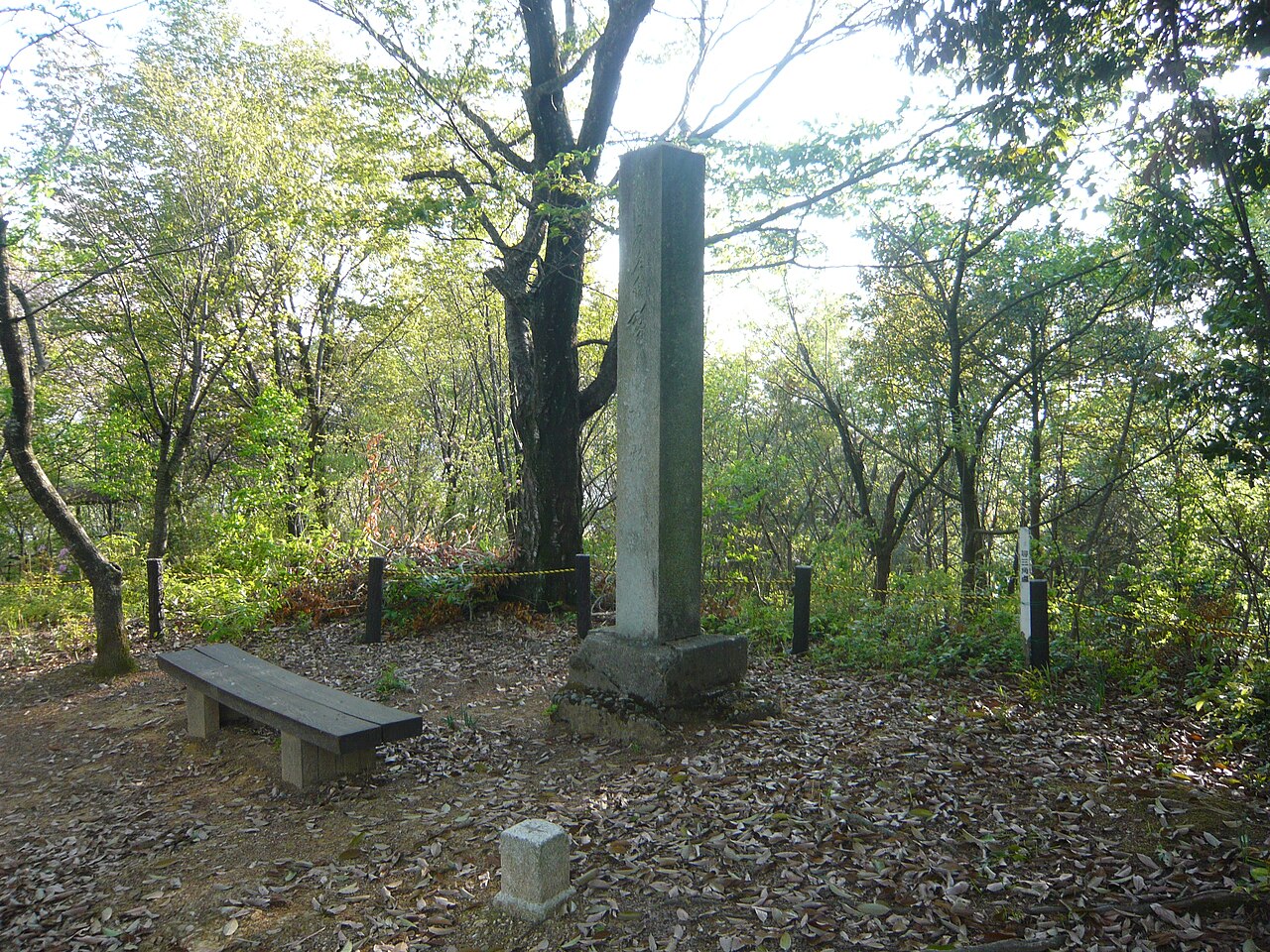
Sunomata Castle — Japan castle

Sunomata Castle

Ōgaki, Japan

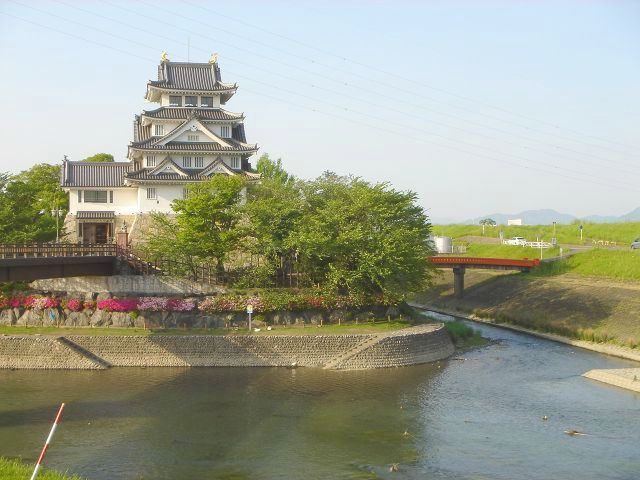
Sunomata Castle (墨俣城, Sunomata-jō) is a historic hill castle located in Ōgaki, Gifu Prefecture, Japan, at the strategic confluence of the Sai and Nagara rivers. It is famously known as Sunomata Ichiya Castle (墨俣一夜城), which translates to "One-Night Castle," a name derived from the popular legend that the castle was constructed overnight. This story, while romanticized, reflects the remarkable speed and ingenuity involved in its building during the mid-16th century. Construction and historical context The castle was erected in the 16th century during the Sengoku period, a time of intense military conflict and political upheaval in Japan. It was built under the direction of Toyotomi Hideyoshi, who was then a minor retainer of the powerful warlord Oda Nobunaga. The castle's construction occurred amid the Siege of Inabayama Castle, a critical military campaign aimed at consolidating Nobunaga's control over the region. According to historical accounts, Hideyoshi led a group of adventurers and mercenaries, including a local bandit leader named Hachisuka Koroku, to construct the fortress rapidly. They employed pre-fabricated wooden sections and modular components, which allowed the structure to rise with astonishing speed. Although the castle was not literally built in one night, the swift construction created the impression of an overnight feat, which served as a psychological tactic against enemy forces. Design and military function Unlike the grand stone castles that would later dominate Japanese castle architecture, Sunomata Castle was primarily a wooden walled fortress featuring simple watchtowers, wooden palisades, and dry moats. Its design was utilitarian, focusing on rapid assembly and strategic placement rather than elaborate defenses. The castle functioned more as a border fortification than a permanent residence or administrative center. The primary purpose of Sunomata Castle was to intimidate and demoralize enemy forces by demonstrating Nobunaga's growing power and the tactical ingenuity of his retainers. Its presence helped to secure Nobunaga's advances in the region and contributed to Hideyoshi's rising prominence as a military leader. Architectural features and legacy While the original castle no longer stands, its historical significance endures. The fortress's rapid construction technique was innovative for its time and highlighted the importance of mobility and psychological warfare during the Sengoku period. The castle's modest wooden structures contrasted with the massive stone keeps that characterized later Japanese castles, reflecting the transitional nature of castle-building practices in the 16th century. Reconstruction and museum In 1991, a reconstructed castle tower was built near the original site to serve as a local history museum. This reconstruction is not an exact replica of the original Sunomata Castle; rather, it was modeled after the nearby Ōgaki Castle, which features more typical Japanese castle architectural elements such as multi-storied tenshu (main keep) and tiled roofs. Inside the museum, visitors can view models depicting the original fortress's appearance, along with displays of samurai armor, weapons, and other artifacts from the period. Sunomata Castle in cultural and natural context The castle site is also renowned as a popular location for viewing cherry blossoms in the spring, attracting visitors who appreciate both its historical significance and natural beauty. The surrounding area offers scenic views of the rivers and the landscape that once shaped the military strategies of the Sengoku era. Sunomata Castle remains a symbol of Toyotomi Hideyoshi's early military career and his innovative approach to warfare and castle construction. Its story continues to capture the imagination of historians, architects, and tourists interested in Japan's rich feudal history.

Late Medieval (14th–15th c.)
Details
15.6 km
Sagiyama Castle — Japan castle

Sagiyama Castle

Gifu, Japan

Sagiyama Castle (鷺山城, Sagiyama-jō) is a historical castle site located in the city of Gifu, Gifu Prefecture, Japan. Constructed during the late Heian period in the late 12th century, this castle served primarily as a residence rather than a heavily fortified military fortress. Its strategic placement atop Mount Sagi, a modest elevation of only 68 meters (223 feet), reflects its original purpose as a noble dwelling rather than a defensive stronghold. Historical background and significance The castle was built in the Mino Province, an important region in central Japan known for its fertile lands and strategic location connecting eastern and western Japan. During the late Heian period, local lords and samurai families constructed residences like Sagiyama Castle to establish their presence and authority in the region. Although not designed for extensive military defense, the castle played a role in the sociopolitical landscape of the time. By the Sengoku period (mid-16th century), Japan was engulfed in widespread conflict and territorial disputes. Sagiyama Castle was destroyed during this turbulent era, which saw many castles fall to rival clans or be abandoned due to shifting military strategies. The castle's destruction marked the end of its functional use, leaving behind ruins that today serve as an archaeological site. Architectural features and layout Unlike many contemporaneous castles built on high mountains or hills for defensive advantage, Sagiyama Castle's location on a relatively low peak indicates its primary function as a residential estate. The castle's layout would have included living quarters, administrative buildings, and possibly gardens or courtyards suited to the lifestyle of a regional lord or samurai family. Although detailed architectural plans have not survived, archaeological excavations at the site have revealed foundation stones and earthworks typical of late-Heian period castle construction. These features suggest a modest scale compared to later Sengoku period fortresses, emphasizing comfort and status over military strength. Current condition and archaeological importance Today, Sagiyama Castle exists as ruins and an archaeological site. The remains include stone foundations and traces of defensive earthworks, offering valuable insights into castle construction and regional governance during the late Heian era. The site is preserved as a cultural heritage location within Gifu city and is accessible to visitors interested in Japanese history and medieval architecture. Despite its limited size and lack of imposing fortifications, Sagiyama Castle provides a rare glimpse into the transitional period of Japanese castle development before the widespread militarization of the Sengoku period. The archaeological findings contribute to understanding the evolution of castle architecture and the social structure of the time. Visiting Sagiyama castle ruins The castle ruins are situated on Mount Sagi, which is easily reachable from central Gifu. Visitors can explore the site on foot, experiencing the natural surroundings that once formed the backdrop of this noble residence. Interpretive signs and local guides often provide historical context to enhance the visitor experience. While no standing structures remain, the peaceful environment and the panoramic views from the mountain top offer a unique perspective on the region's history. The site is popular among history enthusiasts and those interested in Japan's medieval period. Frequently asked questions about Sagiyama castle When was Sagiyama Castle built? Sagiyama Castle was constructed during the late Heian period, in the late 12th century. What was the primary purpose of Sagiyama Castle? The castle served mainly as a residential estate rather than a military fortress. Can I visit the ruins of Sagiyama Castle? Yes, the ruins are accessible to the public and are located on Mount Sagi in Gifu city. Are there any standing structures at Sagiyama Castle? No, only ruins such as foundation stones and earthworks remain at the site. Why is Sagiyama Castle historically significant? It offers insight into late Heian period castle construction and the transition to more fortified castles in later periods. Is there an entrance fee to visit Sagiyama Castle ruins? Generally, visiting the ruins is free of charge. What is the best time to visit Sagiyama Castle ruins? Spring and autumn are ideal for pleasant weather and scenic views during a visit.

Late Medieval (14th–15th c.)
Details
17 km
Gifu Castle — Japan castle

Gifu Castle

Gifu, Japan

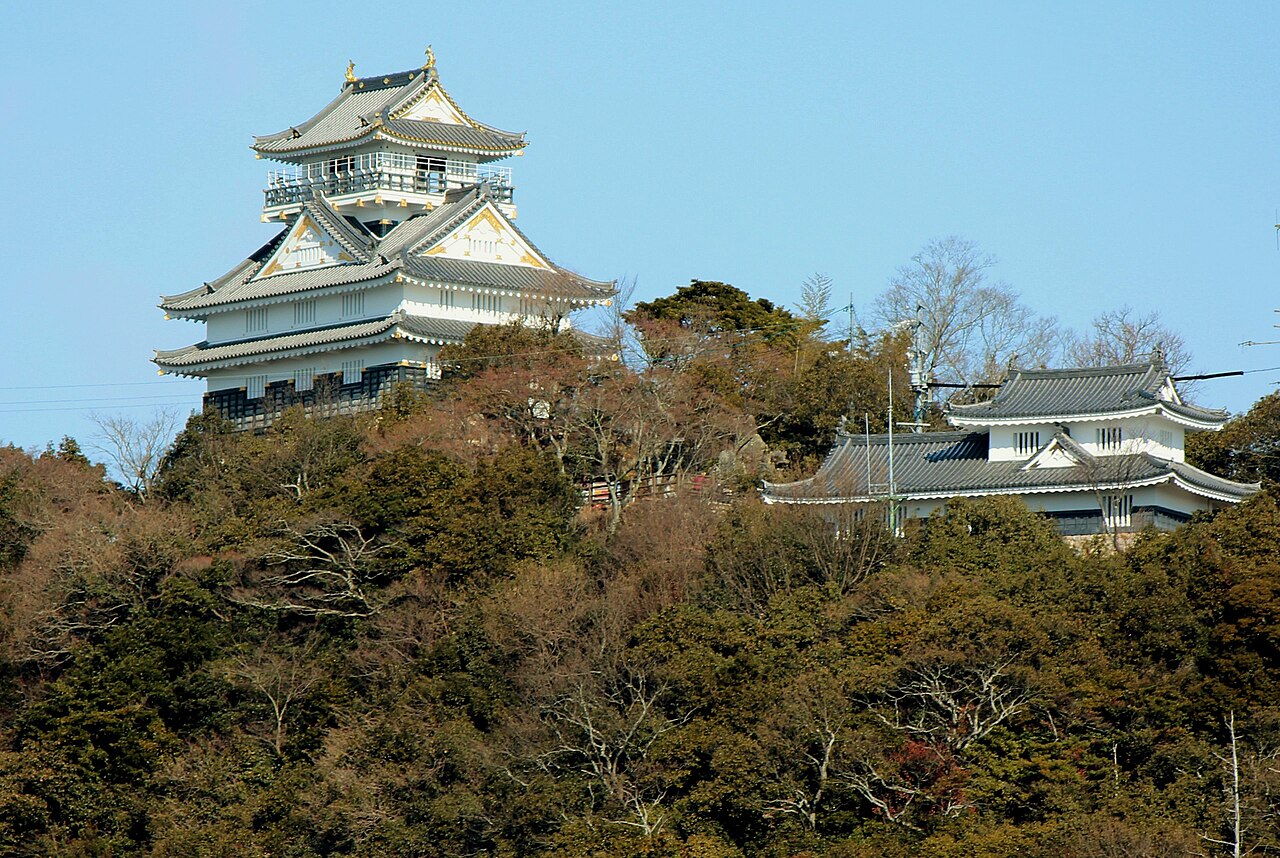
Gifu Castle, originally known as Inabayama-jo, stands prominently atop the 338-meter Mount Kinka in Gifu city, Gifu Prefecture, Japan. This hill castle offers commanding views of the surrounding region, a key strategic advantage that made it a focal point of military and political power during the Sengoku period. While a fortification was first established here by Nikaido Yukimasa around 1201, it was the Saito clan in the 15th century who constructed the first substantial castle on the site. The castle's most significant transformation occurred under Saito Dosan, who took control in 1539 and renovated the fortress into a formidable stronghold, much of which forms the basis of the castle ruins visible today. In 1567, the powerful warlord Oda Nobunaga invaded the Mino Province and seized Inabayama-jo from Saito Yoshitatsu, the grandson of Saito Dosan. Nobunaga then renamed it Gifu Castle and made it his headquarters, moving from Komaki Castle. He famously constructed a large main keep atop the mountain and built an opulent palace complex at the mountain's base. This castle served as Nobunaga's base of operations until 1579, when he began work on the grander Azuchi Castle. Architectural features and castle layout Gifu Castle is a classic example of a hill castle, utilizing the natural steepness and elevation of Mount Kinka for defense. The main keep, or tenshu, was strategically placed at the summit, providing panoramic views that allowed defenders to spot enemies from great distances. The castle's stone walls and foundations were carefully constructed to conform to the mountain's contours, featuring terraced levels and fortified gates along the ascent. The castle complex included multiple baileys, with the honmaru (main bailey) at the top, surrounded by secondary enclosures. Nobunaga's palace at the mountain base was an architectural highlight, showcasing lavish design and serving as a center for administration and residence. Excavations in recent years have uncovered foundations and artifacts from this palace, shedding light on the luxurious lifestyle Nobunaga maintained while ruling from Gifu. Historical significance and ownership The castle's history is deeply intertwined with the turbulent Sengoku era, a time of near-constant military conflict among regional lords. Under Saito Dosan, Inabayama-jo became a symbol of power in Mino Province. Nobunaga's capture of the castle marked a critical step in his campaign to unify Japan. His renaming of the castle to Gifu was symbolic, reflecting his ambition to establish a new center of power. After Nobunaga moved his base to Azuchi Castle, Gifu Castle remained under the control of his descendants until the pivotal Battle of Sekigahara in 1600. During this battle, Tokugawa Ieyasu's forces captured the castle from Nobunaga's grandson Oda Hidenobu. Following the victory, the Tokugawa shogunate deemed the mountaintop fortress less practical and abandoned it in favor of the nearby Kano Castle, a flatland castle built partly using materials salvaged from Gifu Castle. Modern condition and preservation efforts Today, Gifu Castle is partially restored, with much of its original stonework and foundations still visible on Mount Kinka's summit. The castle tower that visitors see today is a reconstruction, serving as a museum that displays artifacts and educates visitors about the castle's rich history. The surrounding forested slopes have been cleared in parts to enhance views of the stone walls and the keep, offering spectacular panoramic vistas that underscore the castle's strategic location. Ongoing archaeological excavations at the base of the mountain continue to reveal remnants of Nobunaga's palace and other structures, providing valuable insights into the castle's past grandeur. Hiking trails and a cable car allow visitors to access the summit, making the castle a popular destination for both history enthusiasts and nature lovers. Visitor experience and cultural importance Visitors to Gifu Castle can explore the reconstructed main keep, which houses exhibits on the castle's history, the Sengoku period, and the life of Oda Nobunaga. The castle grounds offer hiking opportunities and breathtaking views over Gifu city and the surrounding valleys. The combination of natural beauty, historical significance, and ongoing preservation efforts makes Gifu Castle a vital cultural landmark in Japan. The castle's commanding position atop Mount Kinka not only provided military advantage but also symbolizes the ambition and power of its historical occupants. As a site that witnessed the rise of one of Japan's most famous warlords, Gifu Castle remains a testament to the country's feudal past and architectural ingenuity.

Late Medieval (14th–15th c.)
Details