Gifu Castle
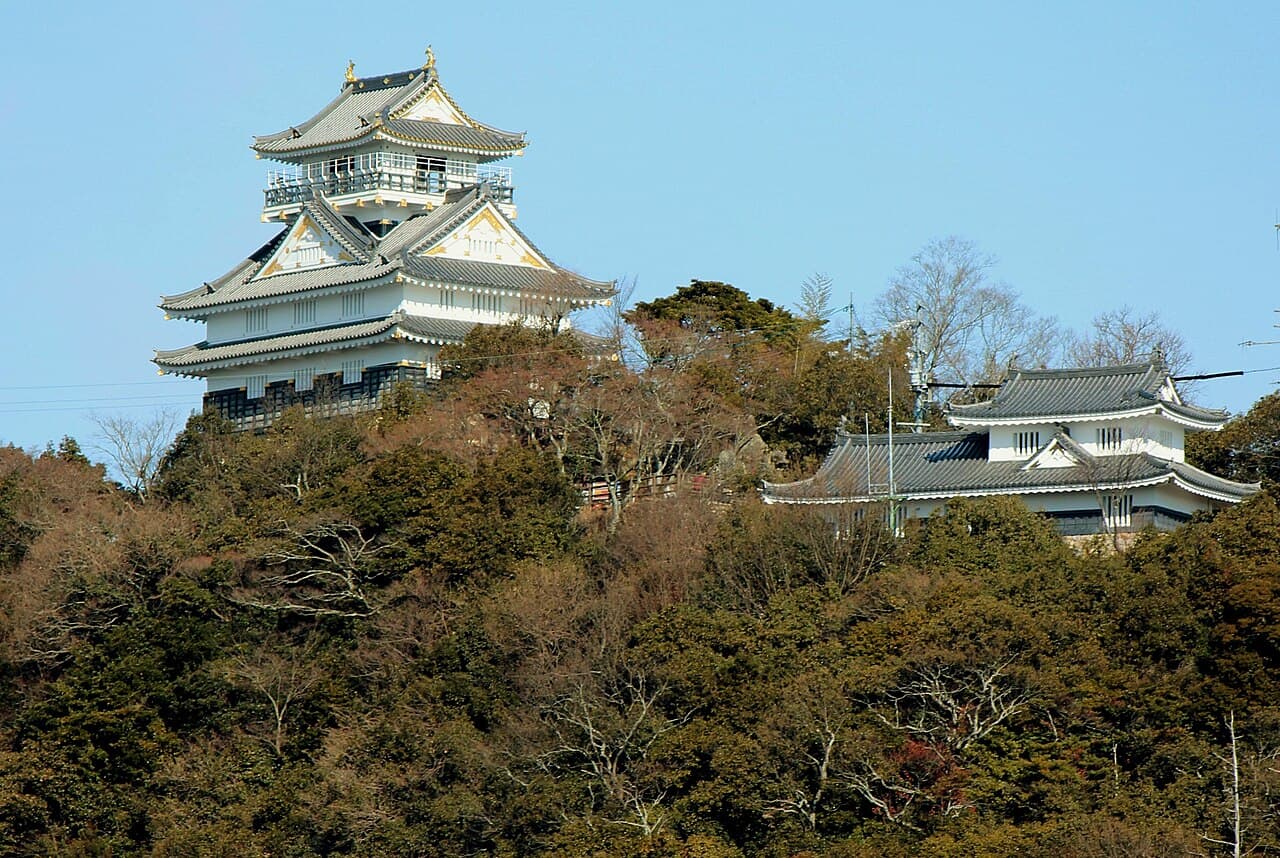
Gifu Castle, originally known as Inabayama-jo, stands prominently atop the 338-meter Mount Kinka in Gifu city, Gifu Prefecture, Japan. This hill castle offers commanding views of the surrounding region, a key strategic advantage that made it a focal point of military and political power during the Sengoku period. While a fortification was first established here by Nikaido Yukimasa around 1201, it was the Saito clan in the 15th century who constructed the first substantial castle on the site. The castle's most significant transformation occurred under Saito Dosan, who took control in 1539 and renovated the fortress into a formidable stronghold, much of which forms the basis of the castle ruins visible today.
In 1567, the powerful warlord Oda Nobunaga invaded the Mino Province and seized Inabayama-jo from Saito Yoshitatsu, the grandson of Saito Dosan. Nobunaga then renamed it Gifu Castle and made it his headquarters, moving from Komaki Castle. He famously constructed a large main keep atop the mountain and built an opulent palace complex at the mountain's base. This castle served as Nobunaga's base of operations until 1579, when he began work on the grander Azuchi Castle.
Architectural features and castle layout
Gifu Castle is a classic example of a hill castle, utilizing the natural steepness and elevation of Mount Kinka for defense. The main keep, or tenshu, was strategically placed at the summit, providing panoramic views that allowed defenders to spot enemies from great distances. The castle's stone walls and foundations were carefully constructed to conform to the mountain's contours, featuring terraced levels and fortified gates along the ascent.
The castle complex included multiple baileys, with the honmaru (main bailey) at the top, surrounded by secondary enclosures. Nobunaga's palace at the mountain base was an architectural highlight, showcasing lavish design and serving as a center for administration and residence. Excavations in recent years have uncovered foundations and artifacts from this palace, shedding light on the luxurious lifestyle Nobunaga maintained while ruling from Gifu.
Historical significance and ownership
The castle's history is deeply intertwined with the turbulent Sengoku era, a time of near-constant military conflict among regional lords. Under Saito Dosan, Inabayama-jo became a symbol of power in Mino Province. Nobunaga's capture of the castle marked a critical step in his campaign to unify Japan. His renaming of the castle to Gifu was symbolic, reflecting his ambition to establish a new center of power.
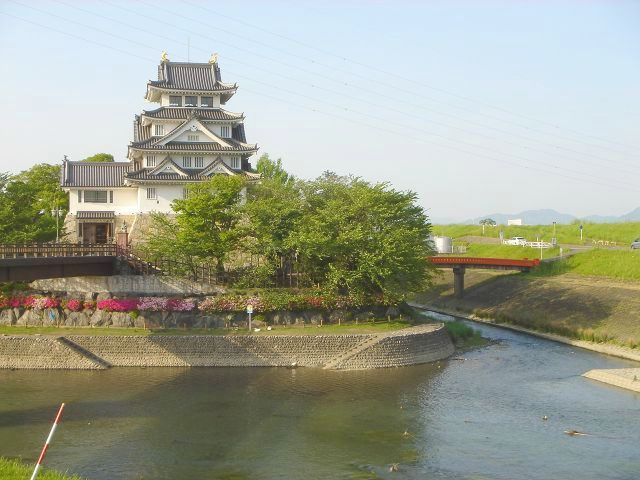
After Nobunaga moved his base to Azuchi Castle, Gifu Castle remained under the control of his descendants until the pivotal Battle of Sekigahara in 1600. During this battle, Tokugawa Ieyasu's forces captured the castle from Nobunaga's grandson Oda Hidenobu. Following the victory, the Tokugawa shogunate deemed the mountaintop fortress less practical and abandoned it in favor of the nearby Kano Castle, a flatland castle built partly using materials salvaged from Gifu Castle.
Modern condition and preservation efforts
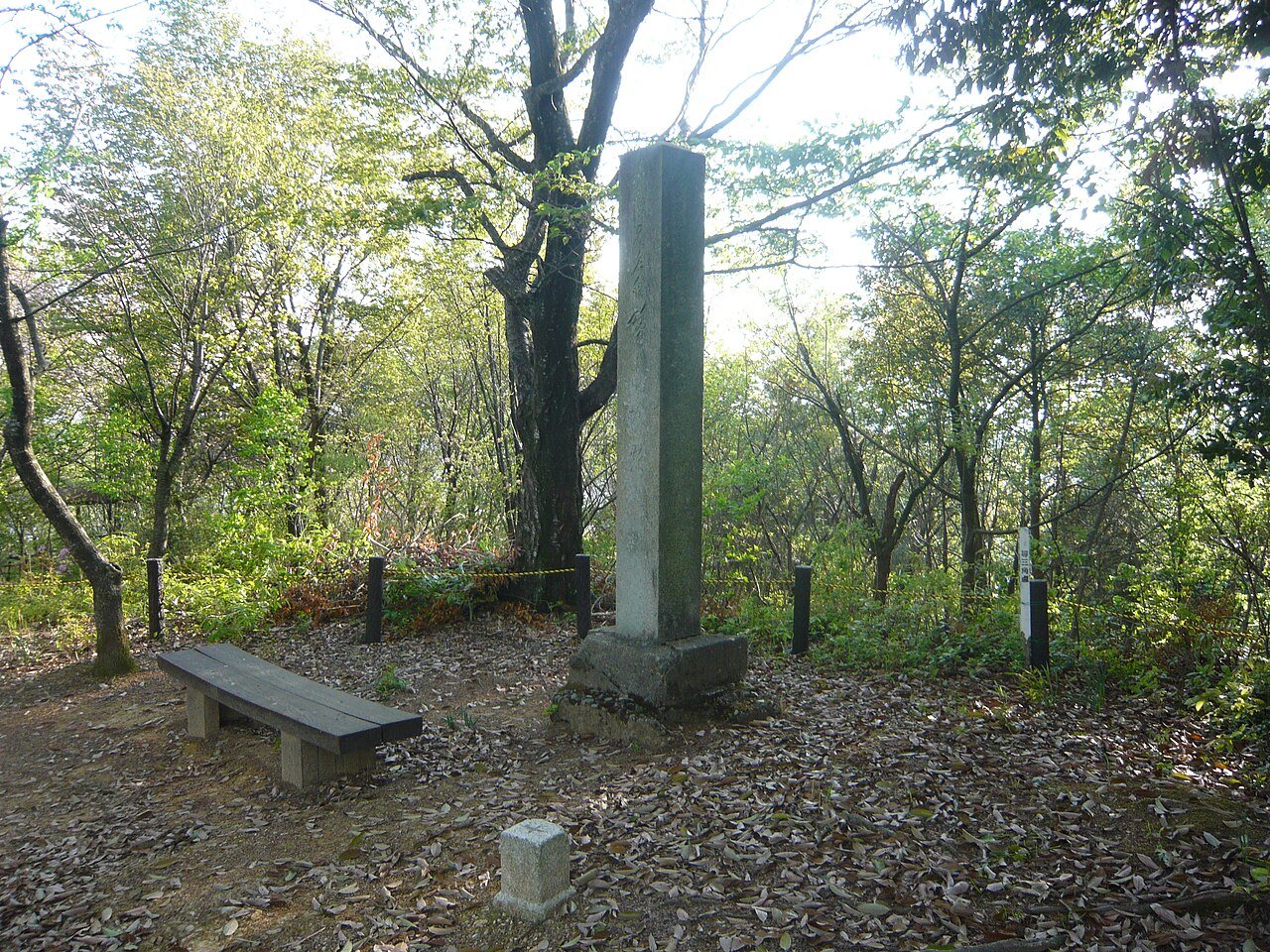
Today, Gifu Castle is partially restored, with much of its original stonework and foundations still visible on Mount Kinka's summit. The castle tower that visitors see today is a reconstruction, serving as a museum that displays artifacts and educates visitors about the castle's rich history. The surrounding forested slopes have been cleared in parts to enhance views of the stone walls and the keep, offering spectacular panoramic vistas that underscore the castle's strategic location.
Ongoing archaeological excavations at the base of the mountain continue to reveal remnants of Nobunaga's palace and other structures, providing valuable insights into the castle's past grandeur. Hiking trails and a cable car allow visitors to access the summit, making the castle a popular destination for both history enthusiasts and nature lovers.
Visitor experience and cultural importance
Visitors to Gifu Castle can explore the reconstructed main keep, which houses exhibits on the castle's history, the Sengoku period, and the life of Oda Nobunaga. The castle grounds offer hiking opportunities and breathtaking views over Gifu city and the surrounding valleys. The combination of natural beauty, historical significance, and ongoing preservation efforts makes Gifu Castle a vital cultural landmark in Japan.
The castle's commanding position atop Mount Kinka not only provided military advantage but also symbolizes the ambition and power of its historical occupants. As a site that witnessed the rise of one of Japan's most famous warlords, Gifu Castle remains a testament to the country's feudal past and architectural ingenuity.
Frequently asked questions (FAQ)
- How do I get to Gifu Castle?
- Gifu Castle is located on Mount Kinka in Gifu City, Japan. You can reach the castle by taking a cable car from the base of the mountain or by hiking up the trails for a more adventurous experience. The views from the top are breathtaking and well worth the journey.
- What is the historical significance of Gifu Castle?
- Gifu Castle, originally built in the 16th century, played a crucial role during the Sengoku period in Japan. It was the base of the powerful warlord Oda Nobunaga, who used it strategically in his unification efforts. The castle symbolizes Japan's feudal history and is a key landmark in Gifu Prefecture.
- When was Gifu Castle constructed?
- Gifu Castle was originally constructed in 1201, but it was significantly rebuilt and expanded by Oda Nobunaga in the late 1500s. The castle has undergone various restorations since then, preserving its historical architecture and significance. Today, it stands as a testament to Japan's rich cultural heritage.
- Can I visit Gifu Castle year-round?
- Yes, Gifu Castle is open to visitors year-round, although the opening hours may vary by season. It is advisable to check ahead for any specific seasonal events or maintenance closures. The castle offers a unique experience regardless of when you visit.
- Why is Gifu Castle a popular tourist attraction?
- Gifu Castle attracts visitors for its stunning panoramic views of the surrounding area, rich history, and beautiful architecture. The castle also features a museum that showcases artifacts related to its history and the feudal era. Additionally, the area around the castle offers hiking trails and scenic spots, making it a great destination for nature lovers.
- Is it possible to hike to Gifu Castle?
- Yes, visitors can hike to Gifu Castle via well-marked trails that lead up Mount Kinka. The hike provides an excellent opportunity to enjoy the natural beauty of the area and observe local flora and fauna. Make sure to wear comfortable shoes and bring water, as the hike can be steep in places.
- What are the ticket prices for Gifu Castle?
- As of now, the entrance fee to Gifu Castle is approximately 200 yen for adults, with discounts available for children and seniors. The cable car ride to the castle also incurs a separate fee. Prices are subject to change, so it's best to check the official website for the most current information before your visit.
- What are the opening hours for Gifu Castle?
- Gifu Castle typically opens at 9:00 AM and closes at 5:00 PM, with extended hours during peak seasons. The last admission is usually 30 minutes before closing time. It is recommended to verify the hours ahead of your visit, especially during holidays or special events.
- Are there any nearby attractions to visit?
- Yes, there are several nearby attractions, including Mount Kinka Park, which offers hiking trails and beautiful cherry blossoms in spring. The Gifu City Museum of History is also close by and provides insights into the region's cultural heritage. Visitors can enjoy a full day exploring the rich history and natural beauty of Gifu.
Photo gallery

Information
Opening hours
Open 830am-530pm (930-430 during some seasons); 200 yen for the castle museum; 1100 yen for the ropeway
Website
Visit websiteSources & official resources
Verify the information above using these authoritative references.
Loading map...
Visitor reviews
No reviews yet. Been here? Write the first review and help other travelers!
Write the first reviewVisited this castle? Share your experience
Your review helps other travelers and adds first-hand knowledge to our encyclopedia.