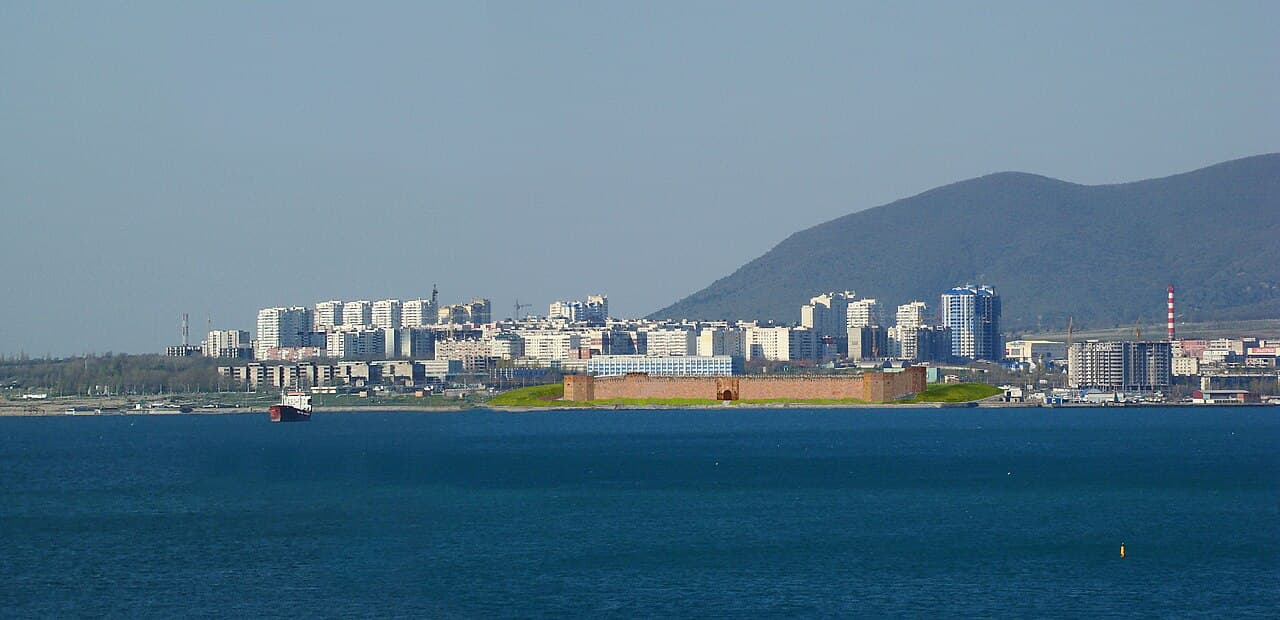
Sujuk-Qale is a historic hill castle located within the Russian Federation, notable for its strategic position atop elevated terrain. While the exact city or town of its location remains unidentified, the castle's placement on a hill suggests it was constructed to oversee and control the surrounding landscape, a common defensive strategy in medieval fortification architecture.
Architectural features and defensive design
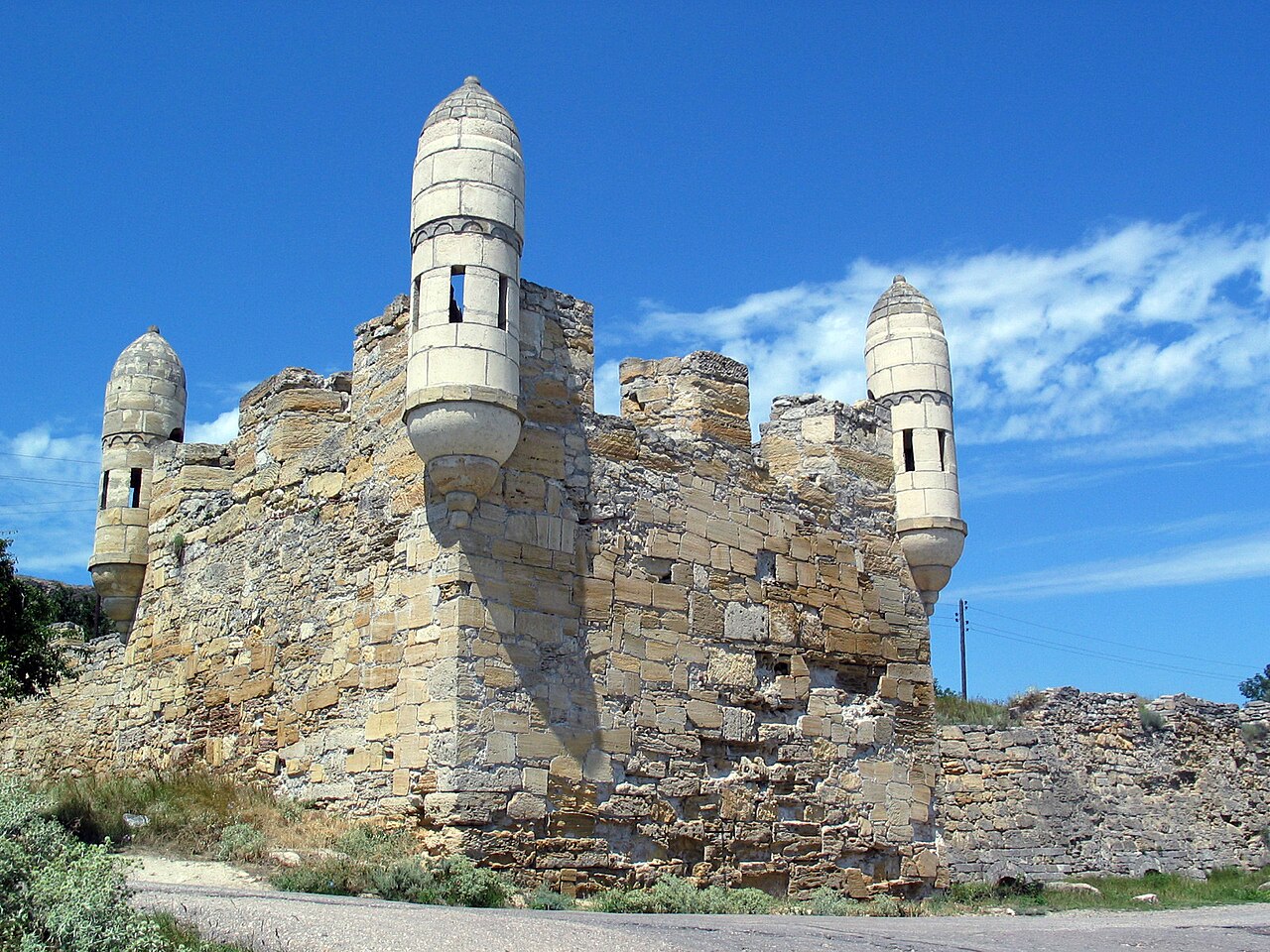
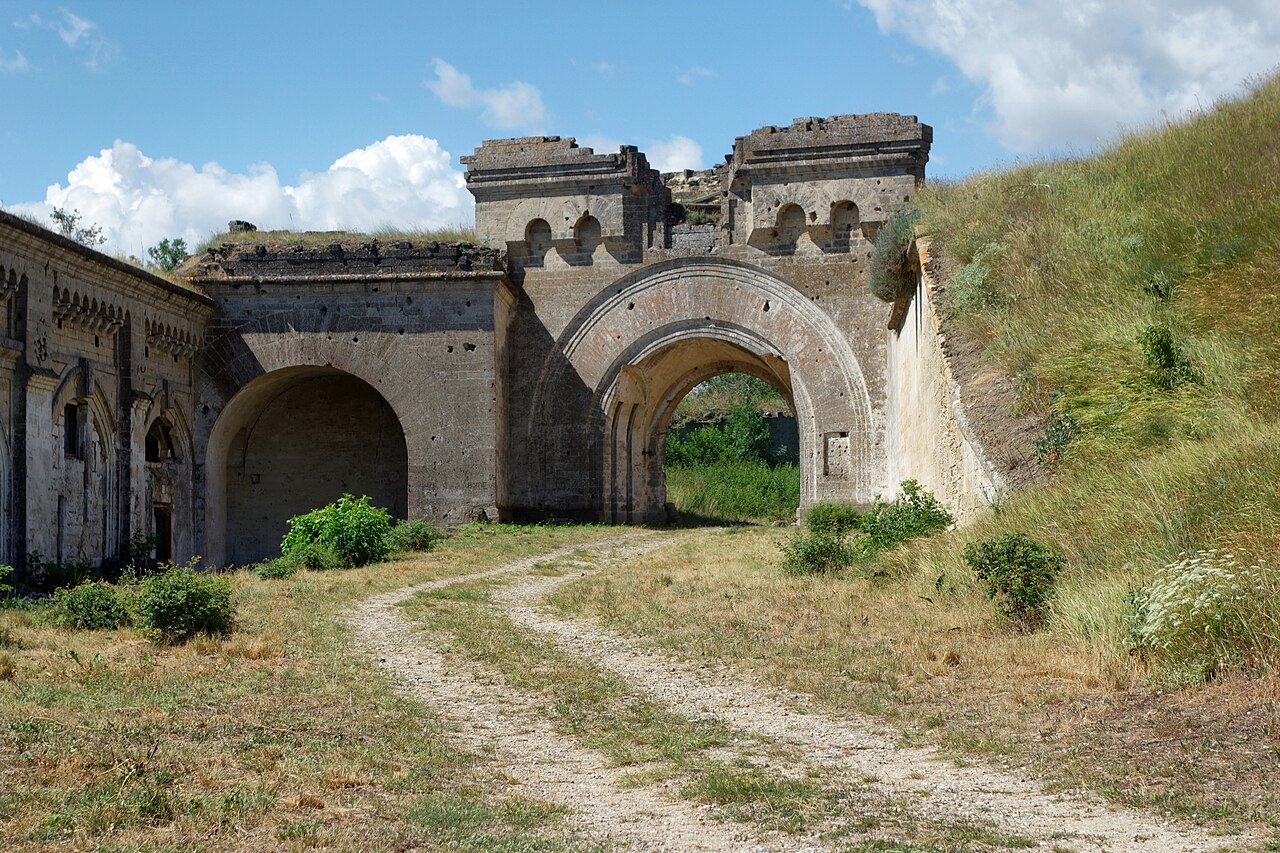
The castle exemplifies typical hill castle characteristics, utilizing natural elevation to enhance its defense. Such fortifications often include robust stone walls adapted to the terrain's contours, with battlements and towers positioned to provide wide visibility and firing angles. Though specific architectural details of Sujuk-Qale are scarce, its classification indicates it likely featured a keep or donjon as a stronghold, along with curtain walls and possibly a gatehouse to control access.
Historical context and significance
Hill castles such as Sujuk-Qale were typically constructed during the medieval period, serving as military and administrative centers. Their elevated locations allowed for early warning against invaders and control over trade routes or local territories. While precise dating for Sujuk-Qale is unavailable, its architectural typology aligns with fortifications built between the High Medieval and Late Medieval periods.
Preservation and current condition
The current state of Sujuk-Qale is not well documented. Many hill castles in the region have suffered from natural decay or human activity over centuries. Without specific information, it is uncertain whether Sujuk-Qale remains well-preserved, partially restored, or in ruins. However, its recognition as a historic site indicates some level of cultural or heritage value attributed to it.
Access and visitor information
Due to the lack of precise location and detailed records, visitor information for Sujuk-Qale is limited. Hill castles often attract interest from historians, archaeologists, and tourists who appreciate medieval military architecture. Visitors to similar sites typically explore the castle ruins, surrounding landscape, and any interpretive displays available.
Significance in castle studies
Sujuk-Qale contributes to the understanding of hill castle typologies in the Russian Federation and the broader Eurasian region. Its study aids in comprehending how natural topography was exploited for defense and how such castles fit into the medieval socio-political landscape. Further archaeological research could illuminate its construction phases, architectural details, and historical role.
Frequently asked questions (FAQ)
- Where is Sujuk-Qale located?
- Sujuk-Qale is located in the Russian Federation, but its exact city or town is currently unknown.
- What type of castle is Sujuk-Qale?
- Sujuk-Qale is classified as a hill castle, built on elevated terrain for strategic defense.
- When was Sujuk-Qale likely built?
- While the exact construction date is unknown, it likely dates from the medieval period, possibly between the High and Late Medieval eras.
- Can visitors tour Sujuk-Qale?
- Due to limited information about its location and condition, visitor access details are unclear. Interested visitors should seek local guidance before planning a visit.
- What architectural features does Sujuk-Qale have?
- As a hill castle, Sujuk-Qale likely features stone walls, battlements, towers, and a keep or donjon, typical of medieval defensive structures.
Photo gallery

Information
Loading map...
Visitor reviews
No reviews yet. Been here? Write the first review and help other travelers!
Write the first reviewVisited this castle? Share your experience
Your review helps other travelers and adds first-hand knowledge to our encyclopedia.