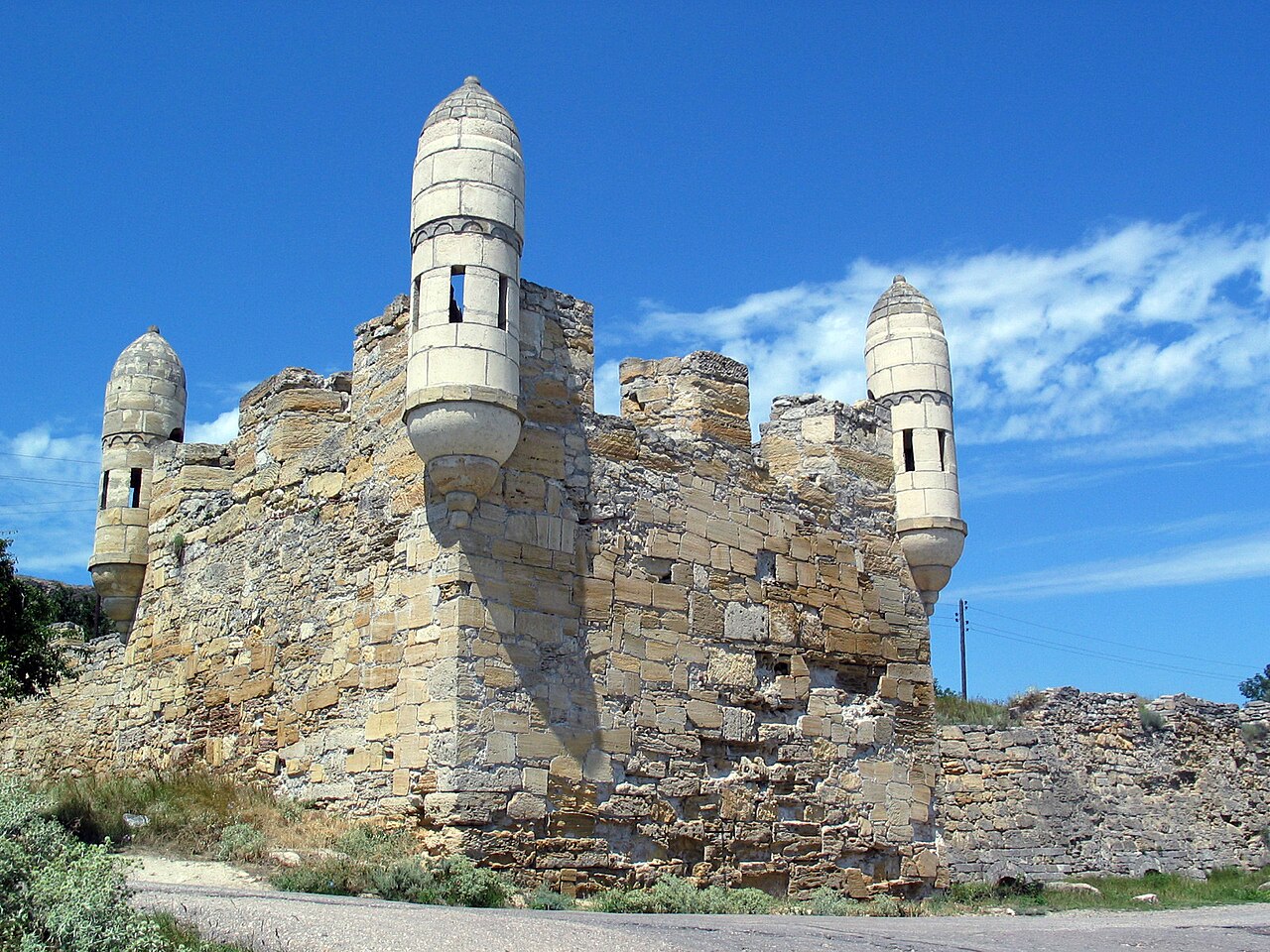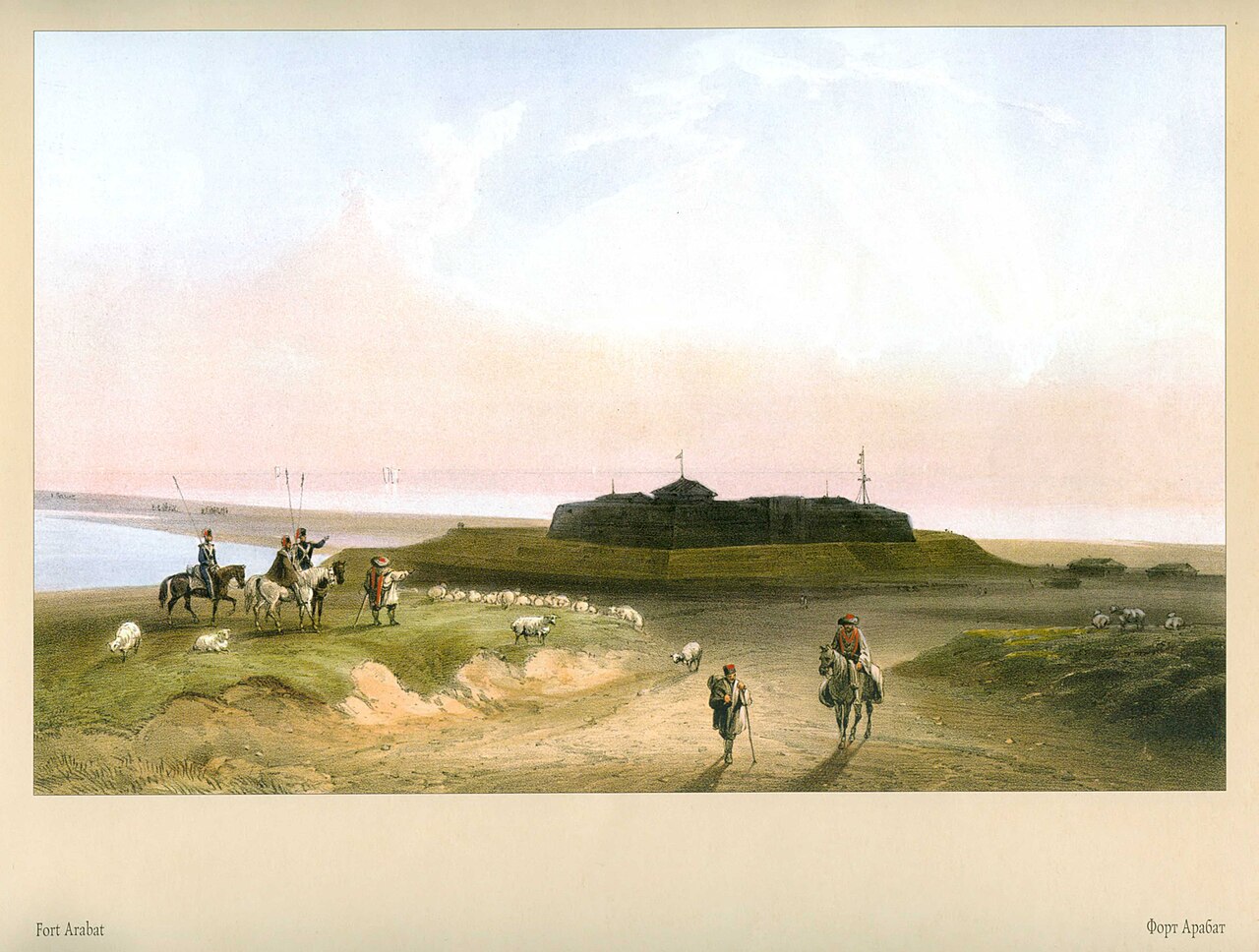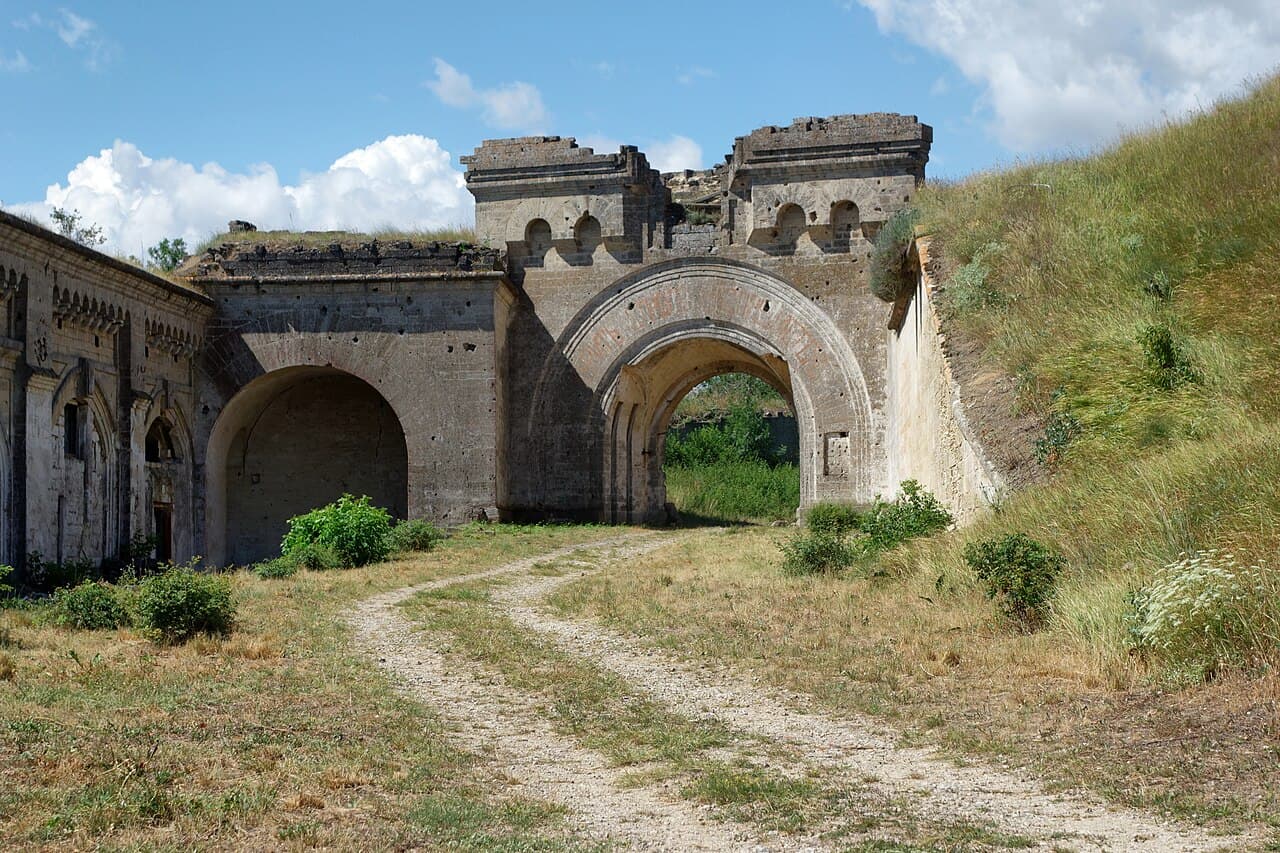
Kerch Fortress, also known as Fort Totleben, is a prominent 19th-century bastioned fortress situated on Cape Ak-Burun (meaning 'White Cape') at the narrowest point of the Kerch Strait in eastern Crimea. This strategic location made it a critical military installation designed to control and defend the vital maritime passage between the Black Sea and the Sea of Azov.
Historical context and construction
The fortress was constructed during the Modern period in the 19th century as part of the Russian Empire's efforts to secure its southern borders. Its development was closely linked to the geopolitical tensions of the era, particularly concerns over protecting the empire's access to the Black Sea and countering potential naval threats. The fortress was named after the renowned military engineer Eduard Totleben, who played a significant role in the design and fortification of several key Russian defensive structures during this period.
Construction began in the mid-1800s, incorporating the latest military architectural principles of the time, especially those associated with bastioned fortresses. These fortresses were characterized by angular bastions projecting outward from the main walls, allowing defenders to cover adjacent walls with overlapping fields of fire and eliminating blind spots vulnerable to attackers.
Architectural features and design
Kerch Fortress exemplifies the bastioned fortress typology, which was a dominant form of military architecture in the 17th to 19th centuries. Its design includes a series of massive stone walls and bastions arranged in a polygonal layout to maximize defensive coverage. The fortress walls were built thick and high, constructed from local stone and reinforced with earthworks to absorb artillery fire.
The fortress complex included ramparts, moats, and artillery batteries positioned to cover the approaches by land and sea. The location on Cape Ak-Burun provided natural defensive advantages, with steep cliffs and the surrounding waters acting as barriers against assault.
Inside the fortress, there were casemates for housing troops and storing ammunition, as well as command posts and observation towers to monitor enemy movements. The layout was carefully planned to facilitate communication and rapid deployment of forces in response to threats.
Military significance and operational history
Throughout its operational life, Kerch Fortress served as a key defensive stronghold controlling the Kerch Strait. Its strategic importance was underscored during various military conflicts, including the Crimean War and later regional tensions. The fortress was intended to deter naval incursions and safeguard the maritime routes crucial for trade and military logistics.
Although it never faced a major siege, the fortress's presence contributed to the security of the Russian Empire's southern frontier. It also functioned as a base for coastal artillery units and a staging point for naval operations in the Black Sea region.
Later developments and current condition
After the decline of fortress-based coastal defenses in the late 19th and early 20th centuries, Kerch Fortress gradually lost its military relevance. Technological advances in artillery and naval warfare rendered many such fortifications obsolete.
Today, the fortress remains a significant historical and architectural monument. Its well-preserved bastioned walls and structures offer insight into 19th-century military engineering. The site attracts visitors interested in military history and architecture, although some parts may be in varying states of preservation due to natural weathering and limited restoration efforts.
Geographical and cultural importance
The fortress's location on the Kerch Strait continues to hold strategic and symbolic value. It stands as a testament to the military and geopolitical history of the region, reflecting the Russian Empire's efforts to control important maritime access points.
In addition to its military legacy, the fortress contributes to the cultural heritage of Crimea, offering a tangible connection to the past and a focal point for historical tourism. Its commanding position provides panoramic views of the surrounding sea and coastline, enhancing its appeal as a site of interest.
Frequently asked questions (FAQ)
- What is the historical significance of Kerch Fortress?
- Kerch Fortress was built in the 19th century to protect the southern border of the Russian Empire and control the strategic Kerch Strait, a vital maritime passage between the Black Sea and the Sea of Azov.
- Can I visit Kerch Fortress today?
- Yes, Kerch Fortress is accessible to visitors and is considered a well-preserved historical monument. However, some areas may have limited access due to preservation efforts.
- What architectural style characterizes Kerch Fortress?
- Kerch Fortress is a bastioned fortress, featuring thick stone walls and angular bastions designed for optimal defense, typical of military architecture in the 19th century.
- Why was the fortress built on Cape Ak-Burun?
- The fortress was strategically placed on Cape Ak-Burun at the narrowest point of the Kerch Strait to control naval traffic and defend the Russian Empire's southern maritime border.
- Is there an admission fee to enter Kerch Fortress?
- Currently, there is no widely published information about an admission fee, but visitors should check local sources before planning a visit.
Photo gallery

Information
Loading map...
Visitor reviews
No reviews yet. Been here? Write the first review and help other travelers!
Write the first reviewVisited this castle? Share your experience
Your review helps other travelers and adds first-hand knowledge to our encyclopedia.