Sugiyama Castle
Sugiyama Castle (杉山城, Sugiyama-jō), also known as Makino Castle, is a significant archaeological site from the Sengoku period of Japanese history. Located in what is currently part of the town of Ranzan in Hiki District, Saitama Prefecture, within the Kantō region, this castle played a role in the turbulent era of feudal conflict and territorial disputes that defined the 15th and 16th centuries in Japan.
The castle's ruins have been recognized for their historical importance and were officially designated a National Historic Site of Japan in 2008. This designation reflects the site's value as a cultural heritage asset, preserving the remains of a fortification that once contributed to regional power struggles during the Sengoku period.
Historical context and significance
Sugiyama Castle was constructed during the Sengoku period, a time characterized by near-constant military conflict among competing daimyōs (feudal lords) vying for control over Japan. The castle's strategic location in the Kantō region made it an important defensive position in the power dynamics of eastern Japan.
While detailed historical records about the castle's builders or specific battles fought there are scarce, its existence as a fortified site reflects the widespread castle-building efforts of the Sengoku era. Castles like Sugiyama were constructed primarily for military defense, administrative control, and as symbols of a lord's authority.
Architectural features and layout
As a Sengoku period castle, Sugiyama Castle likely featured typical defensive elements of the time, such as earthen walls, moats, and wooden palisades. The castle was built on a hill or elevated terrain, a common practice to enhance defensive capabilities by providing a commanding view of the surrounding landscape.
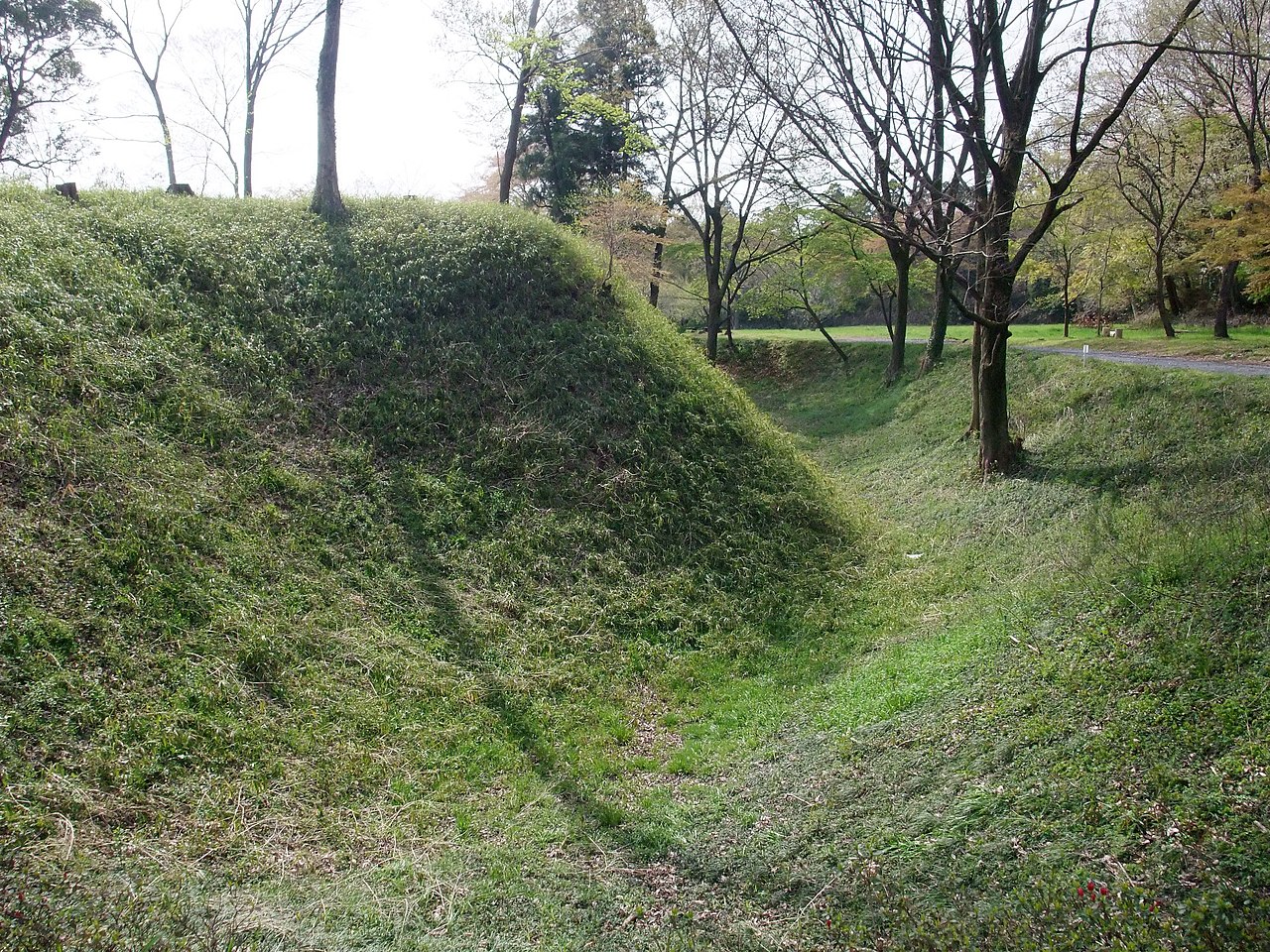
Although much of the original structure has not survived, archaeological excavations have revealed the layout of the castle's enclosures and defensive works. These include remnants of moats and earthworks that outline the castle's perimeter. The use of natural terrain features combined with man-made fortifications was typical of Japanese castles in this period.
Defensive design
The castle's design would have incorporated multiple baileys (courtyards) separated by moats and earthen ramparts. These baileys served both as defensive barriers and as areas for living quarters, storage, and military mustering. The layered defenses aimed to slow and exhaust attacking forces.
Archaeological research and preservation
Since its designation as a National Historic Site, Sugiyama Castle has been the focus of archaeological surveys and preservation efforts. Excavations have helped clarify the castle's structure and historical context, providing valuable insights into Sengoku period fortifications.
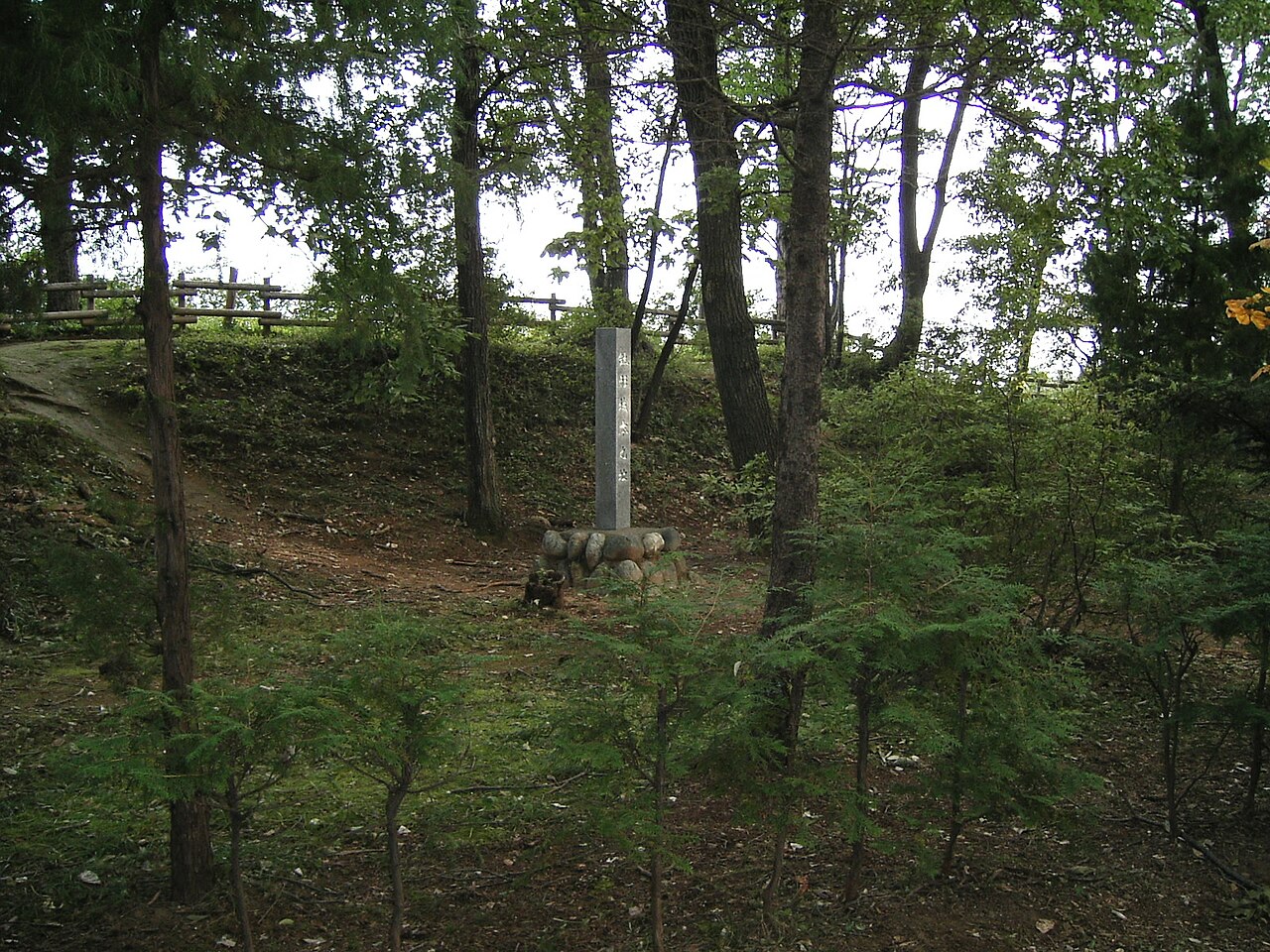
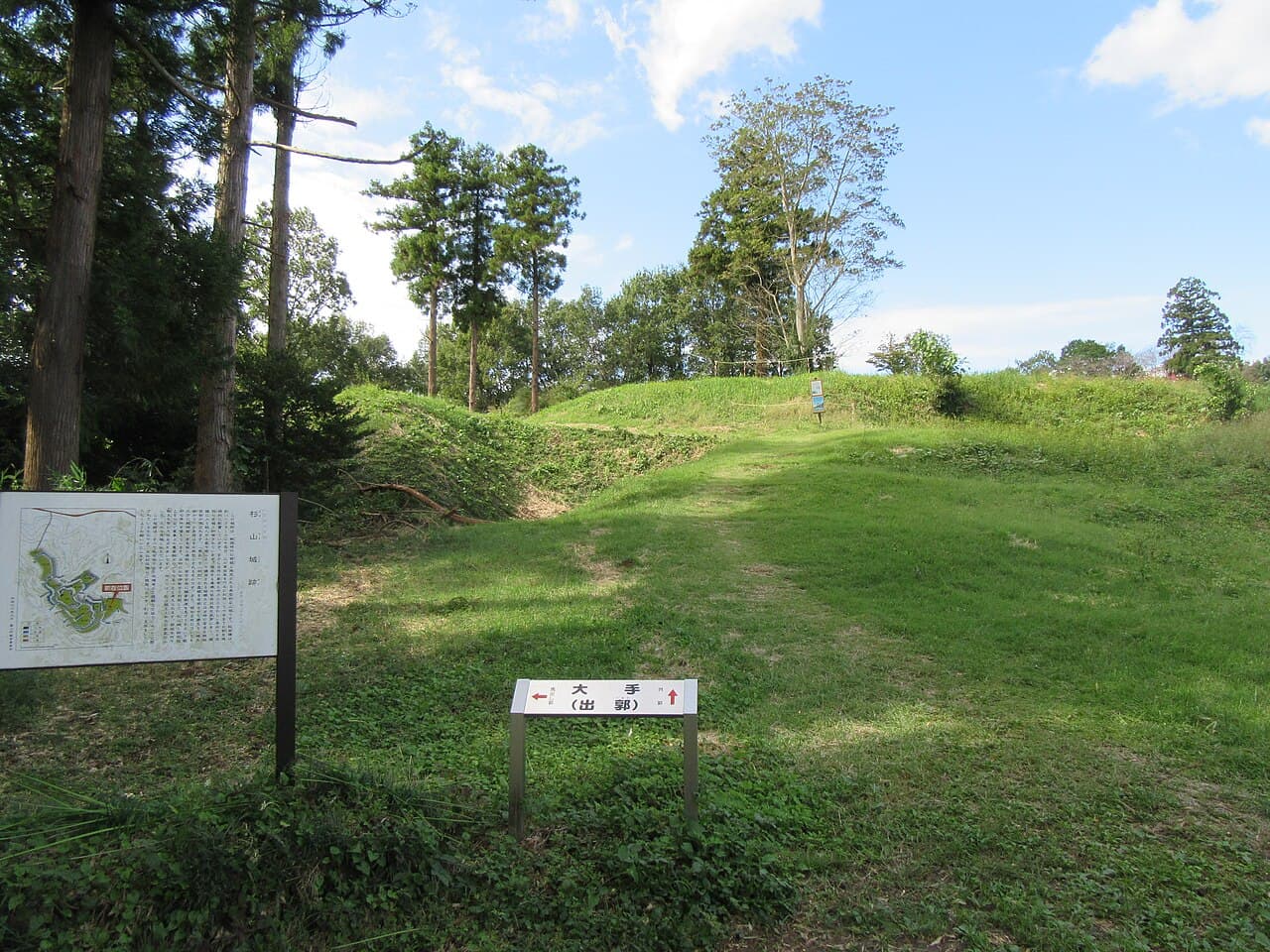
Preservation work aims to maintain the integrity of the remaining earthworks and moats, allowing visitors to appreciate the scale and complexity of the castle's defensive system. Interpretive signage and pathways have been established to facilitate public access and education about the site's historical significance.
Visiting Sugiyama Castle today
Today, Sugiyama Castle exists as a well-preserved archaeological ruin, offering visitors a glimpse into Japan's feudal past. The site is accessible to the public, with walking trails that follow the contours of the original fortifications. Visitors can explore the remains of the moats and earthworks while enjoying views of the surrounding countryside.
The castle's location in Saitama Prefecture makes it a valuable cultural destination for those interested in Japanese history and castle architecture. Its status as a National Historic Site ensures ongoing protection and promotion as part of Japan's rich heritage.
Frequently asked questions (FAQ)
- What is the historical significance of Sugiyama Castle?
- Sugiyama Castle, built in the late 16th century, served as a strategic military stronghold during the feudal era in Japan. It played a crucial role in the regional power struggles and reflects the architectural style and defensive strategies of its time.
- When was Sugiyama Castle constructed?
- Sugiyama Castle was constructed in 1576 by the warlord Takeda Shingen. Its establishment marked an important point in the history of the region as it represented the ongoing conflicts and unification efforts during the Sengoku period.
- Can I visit Sugiyama Castle?
- Yes, Sugiyama Castle is open to visitors year-round. The site offers guided tours that provide insight into its rich history and architectural features, making it an excellent destination for history enthusiasts.
- What are the opening hours for Sugiyama Castle?
- Sugiyama Castle is typically open from 9 AM to 5 PM, with last admissions at 4:30 PM. However, it is advisable to check the official website for any seasonal changes or special holiday hours before planning your visit.
- Is it possible to access Sugiyama Castle by public transport?
- Yes, Sugiyama Castle is accessible by public transport, including local buses that connect to nearby train stations. The scenic route to the castle also allows visitors to enjoy the beautiful landscapes of Ranzan.
- What is the best time to visit Sugiyama Castle?
- The best time to visit Sugiyama Castle is during the spring and autumn months when the weather is mild and the surrounding scenery is especially beautiful. Cherry blossoms in spring and vibrant foliage in autumn create a picturesque backdrop for exploration.
- Are there any nearby attractions to explore while visiting Sugiyama Castle?
- Yes, visitors can explore several nearby attractions, including the historic temples and shrines in Ranzan and the beautiful hiking trails in the surrounding hills. These sites offer additional insights into the cultural heritage of the region.
- What are the ticket prices for Sugiyama Castle?
- Tickets for Sugiyama Castle are reasonably priced, with adult admission typically around 500 yen. Discounts may be available for students and children, making it an affordable outing for families.
Photo gallery

Information
Loading map...
Visitor reviews
No reviews yet. Been here? Write the first review and help other travelers!
Write the first reviewVisited this castle? Share your experience
Your review helps other travelers and adds first-hand knowledge to our encyclopedia.