Strassburg Castle
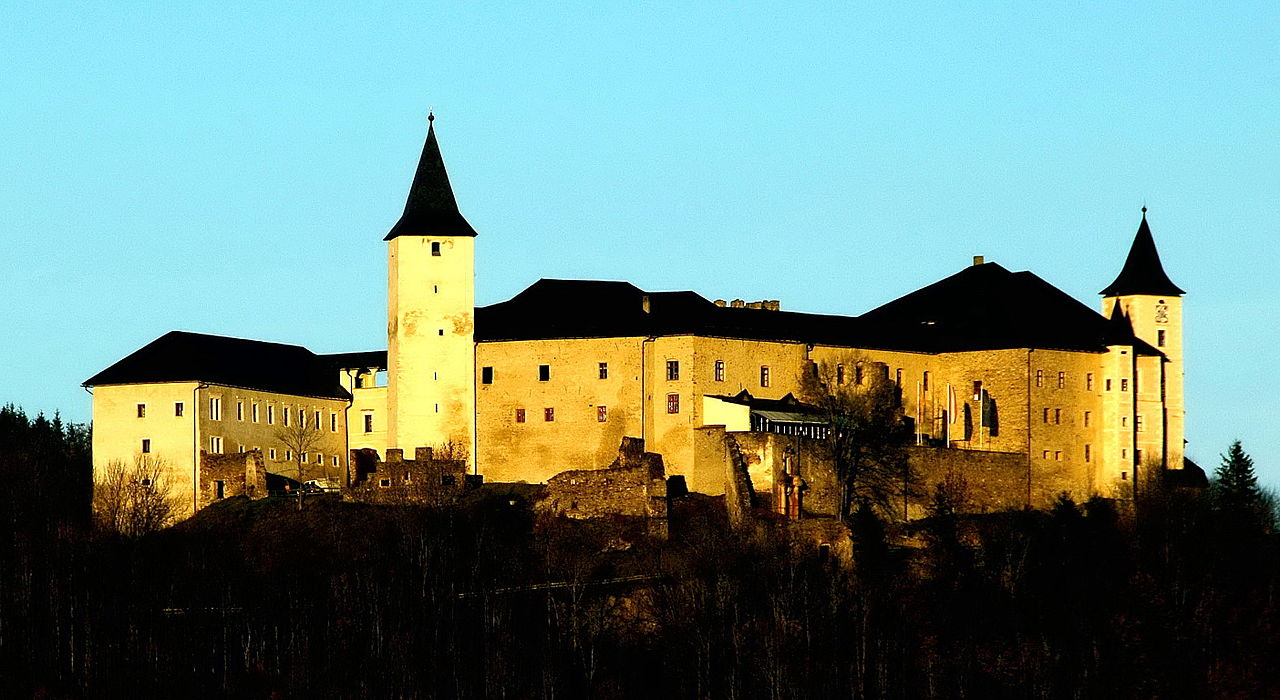
Strassburg Castle, first mentioned in 1147, stands as a significant example of high medieval fortress architecture in Straßburg-Stadt, Austria. Originally constructed by Roman I, bishop of Gurk, the castle was strategically built to serve both defensive and ecclesiastical functions. Its early history is closely tied to the religious authority of the region, reflected in the castle's prominent chapel and fortified structures.
Architectural development and features
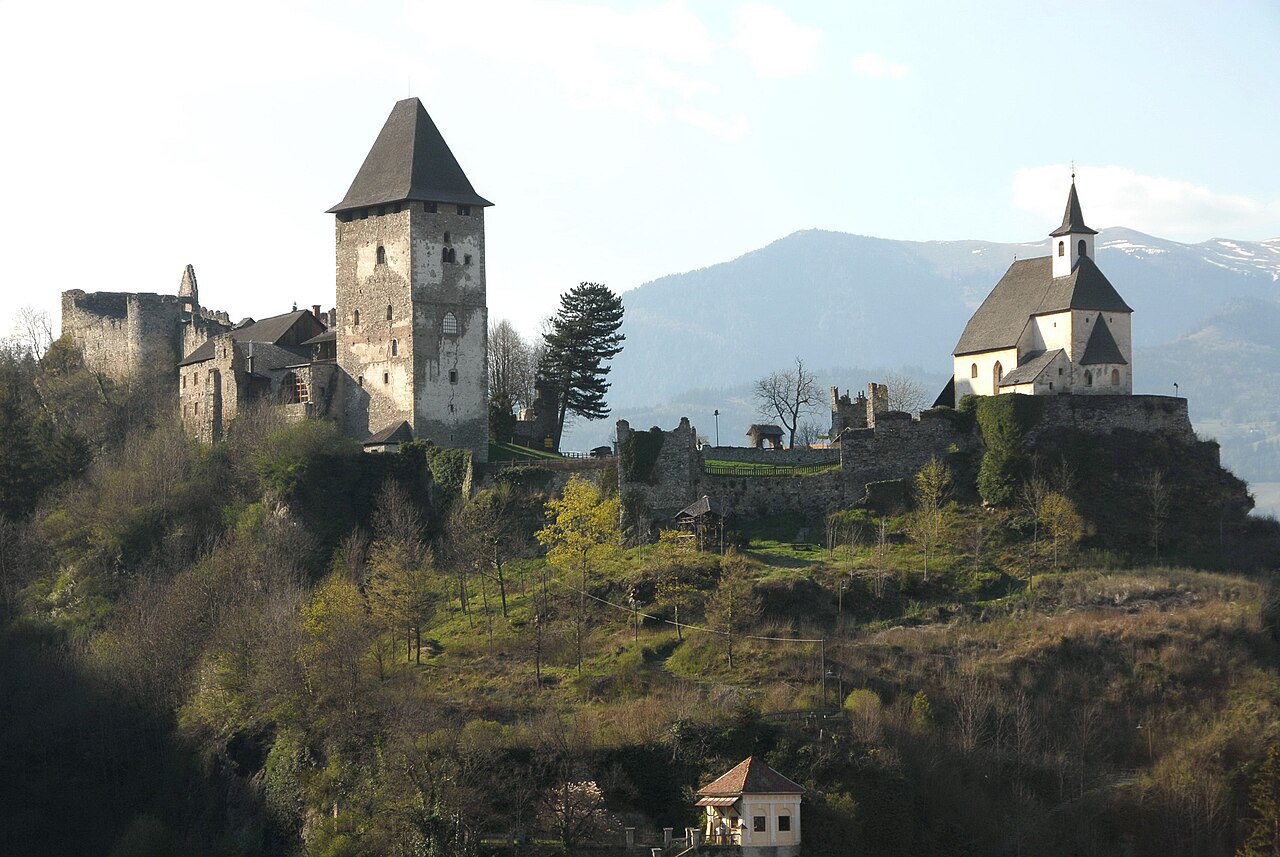
The castle's chapel is one of its oldest surviving elements, dating from the late 12th century. This sacred space originally consisted of a nave, chancel, and apse, typical of Romanesque ecclesiastical design of the period. In the 14th century, the chapel underwent significant modifications: it was raised by an additional floor, enhancing its vertical profile and functionality. Further expansion occurred in the 15th century when another floor was added above the choir, demonstrating the castle's continuous adaptation through the late medieval period.
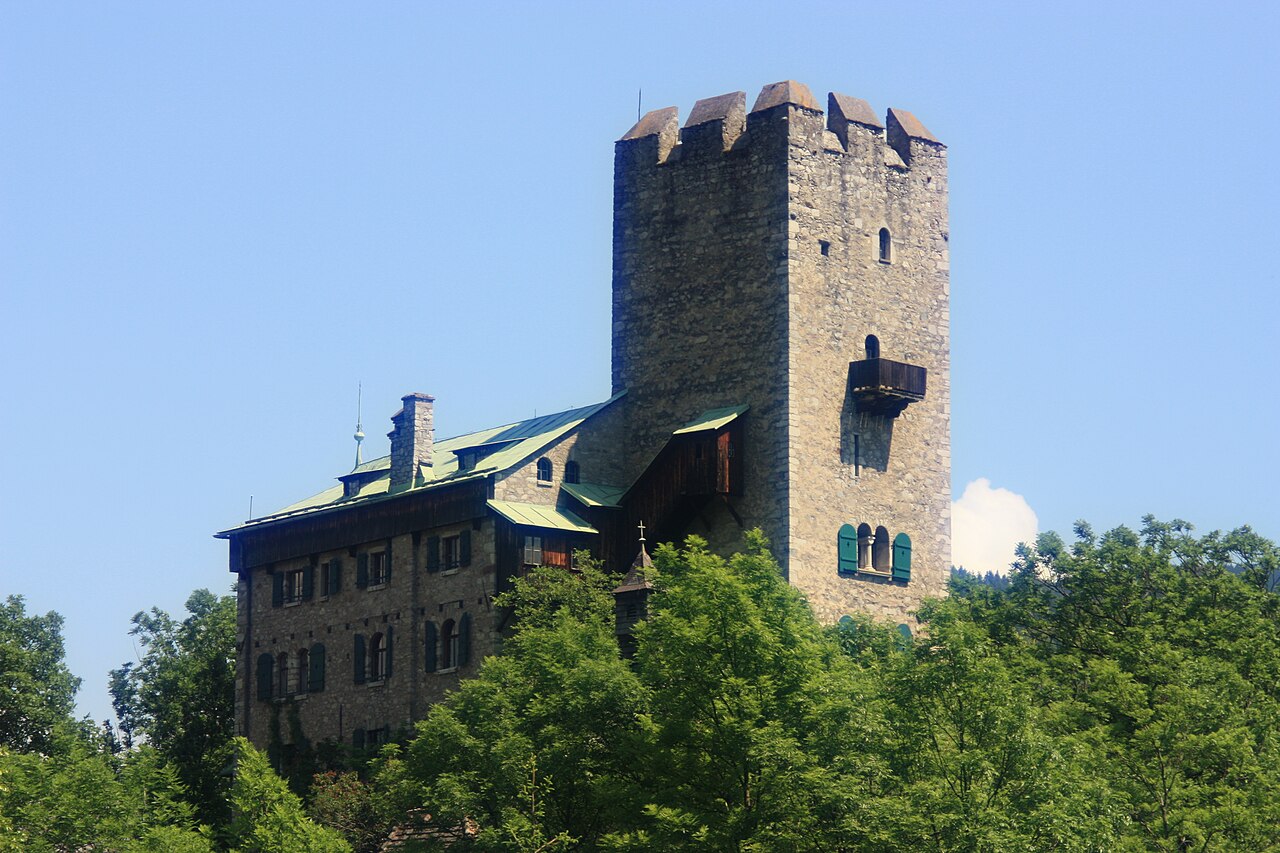
The castle's defensive structures were also expanded during these centuries. The eastern tower was constructed in the 14th century on the outside of the northern ring wall, providing an improved vantage point and stronger fortification on that side. The western tower, known as the Münzturm, was added in the 15th century. These towers exemplify the castle's evolving military architecture, incorporating verticality and strategic placement to enhance defense.
Inside the castle, a medieval kitchen remains preserved, offering rare insight into the domestic arrangements and daily life within the fortress. This kitchen is an important feature for understanding the castle's role as a self-sustaining stronghold.
Historical modifications and usage
The last recorded major modification to the chapel's choir occurred in 1682, reflecting the castle's continued use and maintenance well into the early modern period. This modification likely introduced elements of the Baroque style, which was prevalent in ecclesiastical architecture of that time, although the core medieval structure remains dominant.
Throughout its history, Strassburg Castle has served multiple roles, from a bishop's residence to a fortified administrative center. Its architecture reflects these varied functions, combining religious, residential, and military elements.
Cultural significance and current function
Today, Strassburg Castle functions as a cultural venue, hosting a folkloristic collection that exhibits objects related to the rural life of past centuries. This collection provides visitors with a tangible connection to the region's social history and traditions.
Additionally, the castle houses the Women’s Artworks of the Werkmann collection, featuring unique exhibits spanning the last 200 years. This collection showcases needlework and textile arts from rural life, nobility, and bourgeoisie, highlighting the artistic contributions of women across social classes.
Architectural style and preservation
Strassburg Castle is primarily a high medieval fortress with architectural elements typical of Romanesque and Gothic styles. Its successive additions over the centuries illustrate the transition from purely defensive medieval architecture to more complex, multifunctional structures.
The castle is well preserved, with many original features intact, including the chapel, towers, and kitchen. This preservation allows for detailed study of medieval construction techniques and castle life.
Frequently asked questions (FAQ)
- How do I get to Strassburg Castle?
- Strassburg Castle is accessible by public transport with regular bus and train services connecting it to nearby cities. For those driving, ample parking is available near the castle grounds, making it convenient for visitors.
- What is the historical significance of Strassburg Castle?
- Strassburg Castle dates back to the 11th century and has served as an important fortification throughout Austrian history. It played a crucial role in local governance and military defense, showcasing the architectural evolution of the region over the centuries.
- When was Strassburg Castle built?
- Construction of Strassburg Castle began in the early 11th century, with various expansions and renovations occurring over the following centuries. The castle reflects the changing architectural styles, including Romanesque and Gothic elements, revealing its long and storied past.
- Can I take guided tours of Strassburg Castle?
- Yes, guided tours of Strassburg Castle are available, providing insights into its rich history and architectural features. These tours are led by knowledgeable guides who enhance the visitor experience with engaging stories and historical context.
- Why is Strassburg Castle a popular tourist destination?
- Strassburg Castle attracts visitors for its stunning architecture, panoramic views of the surrounding landscape, and fascinating history. Additionally, its proximity to other cultural landmarks in Straßburg-Stadt makes it a key highlight for tourists exploring the area.
- Is it possible to host events at Strassburg Castle?
- Yes, Strassburg Castle offers facilities for hosting various events, including weddings and corporate functions. The scenic backdrop and historic ambiance make it a unique venue for memorable gatherings.
- What are the opening hours for Strassburg Castle?
- Strassburg Castle is open to visitors from 9 AM to 6 PM daily, with extended hours during the peak tourist season. It is advisable to check the official website for any seasonal changes or special events that may affect visiting hours.
- What are the ticket prices for Strassburg Castle?
- Ticket prices for Strassburg Castle are reasonable, with discounts available for students, seniors, and children. Group rates are also offered, making it an affordable option for families and educational trips.
- What is the best time to visit Strassburg Castle?
- The best time to visit Strassburg Castle is during the spring and fall when the weather is mild and the surrounding landscapes are particularly beautiful. Additionally, visiting during weekdays may help you avoid large crowds, allowing for a more peaceful experience.
- Are there nearby attractions to visit when at Strassburg Castle?
- Yes, there are several nearby attractions, including the picturesque old town of Straßburg-Stadt and other historical sites like the Cathedral of Straßburg. Visitors can enjoy a full day of exploring the rich cultural heritage of the region.
Loading map...
Visitor reviews
No reviews yet. Been here? Write the first review and help other travelers!
Write the first reviewVisited this castle? Share your experience
Your review helps other travelers and adds first-hand knowledge to our encyclopedia.