Stone Castle
Stone Castle, located in the village of Stone in Kent, England, is a historic site with origins dating back to the early 12th century. The castle was probably constructed as a fortified manor house between 1135 and 1140, during a period of frequent local unrest following the Norman Conquest. This era saw many such manor houses built for both residential and defensive purposes, often without royal licenses.
The origins and historical context of Stone Castle
The site of Stone Castle holds significant historical importance beyond its medieval construction. It is reputedly the location where William the Conqueror signed a treaty with the men of Kent in 1067, shortly after his conquest of England in 1066. This treaty helped secure Norman control over the region and laid the foundation for subsequent fortifications in the area.
The castle itself was likely established as a fortified manor house rather than a full-scale military fortress. This distinction is important as it reflects the function of Stone Castle primarily as a residence with some defensive features rather than a major stronghold. The lack of a license for its construction suggests it was built somewhat independently by local lords during a turbulent period known as The Anarchy, a civil war in England from 1135 to 1153.
Architectural features and surviving structures
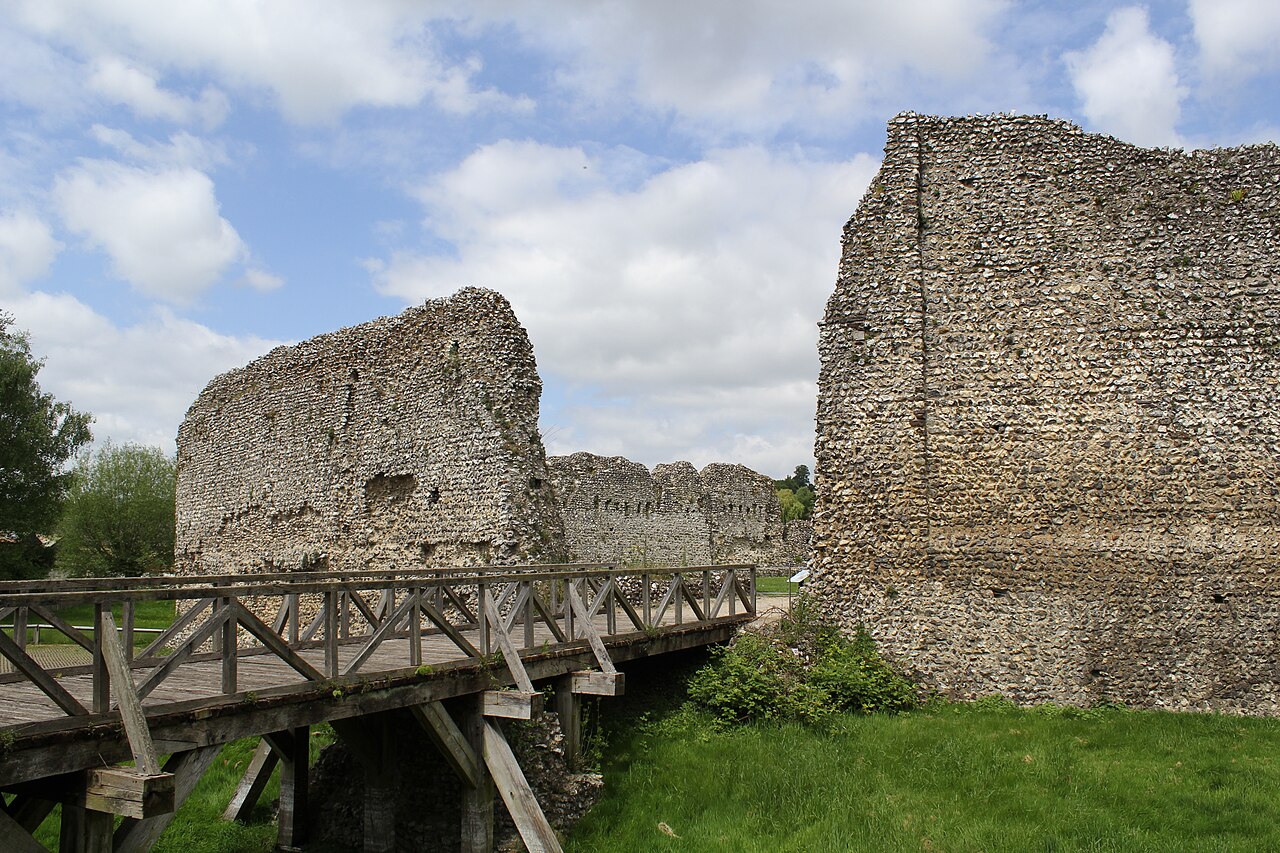
Today, the medieval remains of Stone Castle are limited. The most prominent surviving feature is a square tower located on the southeast corner of the present building. This tower is a typical example of early medieval defensive architecture, characterized by thick stone walls and small windows designed for protection.
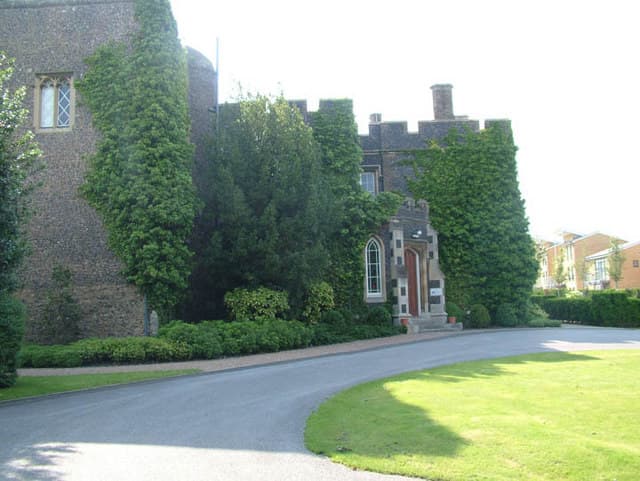
The rest of the current structure is a castellated house dating from the 1820s. This later addition reflects the 19th-century Gothic Revival interest in medieval architecture, where many historic castles and manor houses were remodeled or rebuilt with decorative battlements and towers to evoke a romantic medieval aesthetic. The castellated house at Stone Castle incorporates such stylistic elements but does not retain the original medieval fabric except for the tower.
Later uses and current status
Stone Castle is currently used as an office building and is not open to the public. Its function as a private or commercial property limits access and means that it is not a typical tourist destination. The site's historical significance is largely overshadowed by the limited remains and modern usage.
While Stone Castle may not be as architecturally grand or well-preserved as other castles in England, it provides valuable insight into early Norman fortified manor houses and the evolution of castle architecture through the centuries. The surviving medieval tower stands as a tangible link to the 12th century, while the 19th-century castellated house reflects changing tastes and the romanticization of medieval heritage.
Stone Castle in the context of Kent's medieval heritage
Kent is a county rich in medieval history, with numerous castles and fortifications that played key roles in England's military and political history. Stone Castle, though modest in scale, contributes to this heritage through its connection to the Norman consolidation of power and the local lordship system.
The castle's location near Western Quarry and its association with early Norman treaties highlight its strategic importance in controlling the surrounding area. Its architectural evolution from a medieval fortified manor to a 19th-century castellated residence illustrates broader trends in English castle development and preservation.
Frequently asked questions (FAQ)
- What is the historical significance of Stone Castle?
- Stone Castle dates back to the 12th century and is a remarkable example of medieval military architecture. It played a vital role in the defense of the region and has witnessed significant historical events, including battles and royal visits.
- When is the best time to visit Stone Castle?
- The best time to visit Stone Castle is during the spring and early autumn months when the weather is mild and the gardens are in full bloom. These seasons also tend to have fewer crowds, allowing for a more enjoyable experience.
- What are the opening hours for Stone Castle?
- Stone Castle is open to visitors from 10 AM to 5 PM daily, with extended hours during the summer months. It is advisable to check the official website for any seasonal changes or special events that may affect opening times.
- Can I take photographs inside Stone Castle?
- Yes, visitors are welcome to take photographs inside Stone Castle, but flash photography and tripods are not permitted to preserve the artifacts and ambiance. Be sure to respect any signage regarding photography in specific areas.
- Is Stone Castle accessible for individuals with mobility challenges?
- Yes, Stone Castle has made efforts to accommodate visitors with mobility challenges. There are ramps and accessible paths, but some areas may have limited accessibility due to the historic nature of the site.
- How much do tickets cost to enter Stone Castle?
- Ticket prices for Stone Castle are £10 for adults, £5 for children aged 6-15, and free for children under 6. Family tickets and group discounts are also available, making it an affordable outing for all.
- What nearby attractions can I visit while in Stone?
- While visiting Stone Castle, you can also explore the nearby Stone Museum and the picturesque River Tean. Additionally, the charming local shops and cafes make for a delightful afternoon after exploring the castle.
- How do I get to Stone Castle from the nearest train station?
- To reach Stone Castle from the nearest train station, which is Stone Railway Station, you can take a short 15-minute walk or utilize local taxi services for convenience. Signage is available to guide you along the route to the castle.
Photo gallery

Information
Loading map...
Visitor reviews
No reviews yet. Been here? Write the first review and help other travelers!
Write the first reviewVisited this castle? Share your experience
Your review helps other travelers and adds first-hand knowledge to our encyclopedia.