Lullingstone Castle
Lullingstone Castle is a historic manor house located in the village of Lullingstone, Kent, England, with origins dating back to the late 15th century. The estate has a rich heritage spanning from its mention in the Domesday Book of 1086 through its development under prominent families such as the Rokesleys, Peches, and Hart Dyke lineage. This manor reflects the evolution of English country houses from medieval roots through the Renaissance and into later architectural styles, with a continuous lineage of ownership that ties it closely to Kent's local history.
Early history and medieval origins
The site of Lullingstone Castle was first recorded in the Domesday Book, marking its importance as a manorial estate in the 11th century. In 1279, the manor was acquired by Gregory de Rokesley, a notable figure who served multiple terms as Lord Mayor of London. The estate later passed to the Peche family, who were responsible for significant developments in the late 15th century.
Construction and tudor period significance
In 1497, Sir John Peche, who held the office of High Sheriff of Kent and later served as Lord Deputy of Calais, began construction of the manor house that would become Lullingstone Castle. The manor was equipped with both an inner and outer gatehouse, emphasizing its status and defensive capabilities. The house gained prominence during the Tudor period, serving as a residence visited by King Henry VIII and Anne Boleyn, reflecting its importance in royal and noble circles.
Gatehouses and defensive features
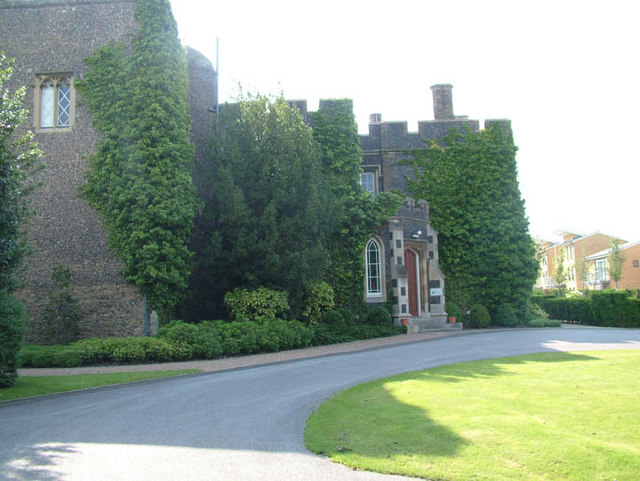
The surviving outer gatehouse is a notable architectural feature dating from the late 16th century, possibly built on earlier foundations laid by Sir John Peche. Constructed primarily of brick, it is among the earliest examples of brick gatehouses in England and is now a Grade I listed building. The inner gatehouse, once part of the defensive perimeter, was demolished in the 18th century.
Renaissance remodeling and the hart family
In 1543, the manor passed by marriage to Sir Percyvall Hart, a royal official who served under four Tudor monarchs. Between 1543 and 1580, Sir Percyvall undertook major building works that shaped much of the manor's present structure, then known as Lullingstone House. The estate remained with the Hart family for centuries, with later remodeling conducted in the late 17th century by another Percival Hart, who renamed the house Lullingstone Castle.
The Hart family's influence extended well into the 18th century, during which time the manor's entrance façade was enhanced with Queen Anne style elements, including a two-storey frontage. The estate's ownership passed through marriage to the Hart Dyke family, who continue to own the property today.
20th century history and modern developments
During the 20th century, Lullingstone Castle experienced several changes in ownership and use. It was sold to Kemp Town Brewery in 1934 and then to Kent County Council in 1938. During World War II, the British Army requisitioned the house, and the grounds hosted a dummy airfield, reflecting its strategic importance.
Post-war, the estate grounds were partially converted into a golf course and public park, although the manor itself remained in private hands. The current owner, Tom Hart Dyke, is a noted horticulturist and plant hunter who created the World Garden of Plants within the estate walls. This garden features a diverse collection of rare and exotic plants, inspired by his experiences and captivity in South America.
Architectural features and estate layout
The manor house is primarily a three-storey red brick building dating from the mid-16th century. The north and east fronts retain much of the original Tudor construction, while later additions reflect Queen Anne style influences. The surviving outer gatehouse is a prominent feature, showcasing early brick construction techniques.
The estate encompasses approximately 120 acres, including a historic deer park, the River Darent, and various ancillary structures such as an 18th-century icehouse and Queen Anne's bathhouse. The grounds also contain ancient oak trees among the oldest in Britain, adding to the site's natural heritage.
St botolph's church and gardens
Within the estate lies St Botolph's Church, originally built in Norman times and preserved through restorations. The walled garden, once designed as a herb garden by horticulturist Eleanour Sinclair Rohde, has been transformed into the World Garden of Plants by Tom Hart Dyke, featuring an extensive range of botanical specimens from around the world.
Cultural significance and heritage
Lullingstone Castle holds a Grade I listing, recognizing its architectural and historical importance. The estate's long association with the Hart Dyke family and its connections to English royalty and Tudor history enhance its cultural value. The silk farm founded by Zoe Dyke on the estate produced silk for royal garments, including King George VI's coronation robe and dresses for Princess Elizabeth and Lady Diana Spencer, further cementing its place in British heritage.
Though the manor's interior beyond the ground floor and the gatehouse are not generally open to the public, visitors can explore the gardens and enjoy the historic ambiance of the estate. The site offers a unique glimpse into the evolution of English country houses, blending Tudor, Renaissance, and later architectural styles with a rich historical narrative.
Frequently asked questions (FAQ)
- How do I visit Lullingstone Castle and its gardens?
- Lullingstone Castle's gardens and the ground floor of the manor are open to visitors daily from 10:00 to 17:00. Tickets cost £10 for adults and £5 for children. The gatehouse and upper floors are not open to the public.
- What is the historical significance of Lullingstone Castle?
- Lullingstone Castle has a rich history dating back to the Domesday Book and was a Tudor residence visited by King Henry VIII and Anne Boleyn. It reflects Renaissance remodeling and has been owned by the Hart Dyke family for centuries.
- Can I see the Tudor architecture at Lullingstone Castle?
- Yes, the manor retains significant Tudor architectural features, especially on the north and east fronts, including the brickwork and the surviving outer gatehouse, which is one of the earliest brick gatehouses in England.
- Is Lullingstone Castle accessible for visitors with mobility issues?
- The gardens and ground floor of the manor are accessible, but some areas, including the gatehouse and upper floors, may have limited accessibility due to historic construction and stairs.
- What unique features does the Lullingstone estate offer?
- The estate includes ancient oak trees, a historic deer park, St Botolph's Church, Queen Anne's bathhouse, an 18th-century icehouse, and the World Garden of Plants, created by Tom Hart Dyke.
Information
Opening hours
10:00-17:00, daily
Ticket prices
£10 adult, £5 child
Current owner
Hart Dyke family
Website
Visit websiteSources & official resources
Verify the information above using these authoritative references.
Loading map...
Visitor reviews
No reviews yet. Been here? Write the first review and help other travelers!
Write the first reviewVisited this castle? Share your experience
Your review helps other travelers and adds first-hand knowledge to our encyclopedia.