Stegeborg Castle Ruins
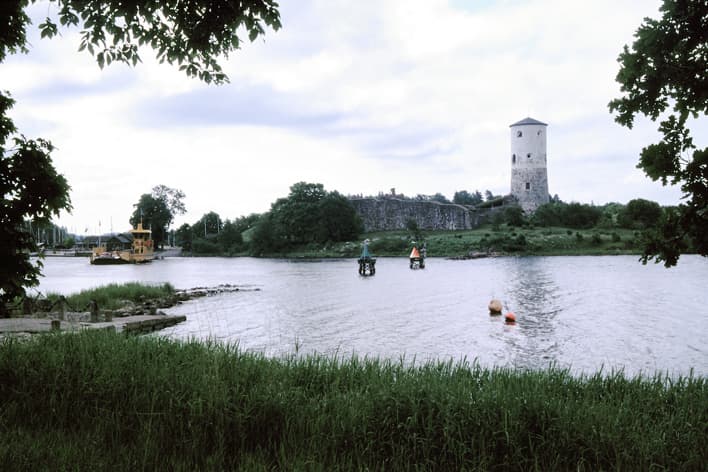
Stegeborg castle ruins are located on a small island in a narrow sea channel leading to the town of Söderköping in Östergötland, Sweden. This site was once a significant medieval fortress and royal palace, strategically positioned to control maritime access in the region. Today, the ruins offer a glimpse into Sweden's High Medieval fortification architecture and history.
Historical significance and medieval origins
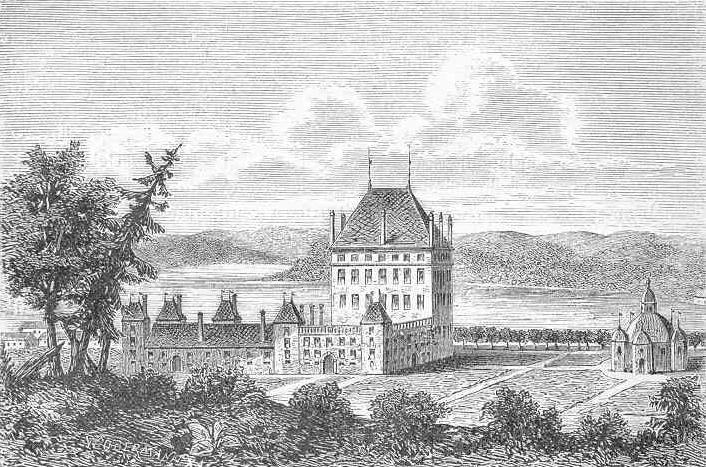
The castle's earliest surviving structure is a brick tower situated in the southeast corner, dating from the early 13th century. This tower is a prime example of medieval masonry techniques and defensive design. Stegeborg was one of Sweden's most important strongholds during the High Medieval period, serving both military and administrative roles. It was also a royal residence, reflecting its status and strategic importance.
Throughout the Middle Ages, Stegeborg played a crucial role in regional defense and governance. Its position on an island in the Slätbaken bay allowed control over naval traffic and provided a natural moat, enhancing its defensive capabilities. The castle was part of a network of fortifications securing the eastern coast of Sweden.
Architectural features and layout
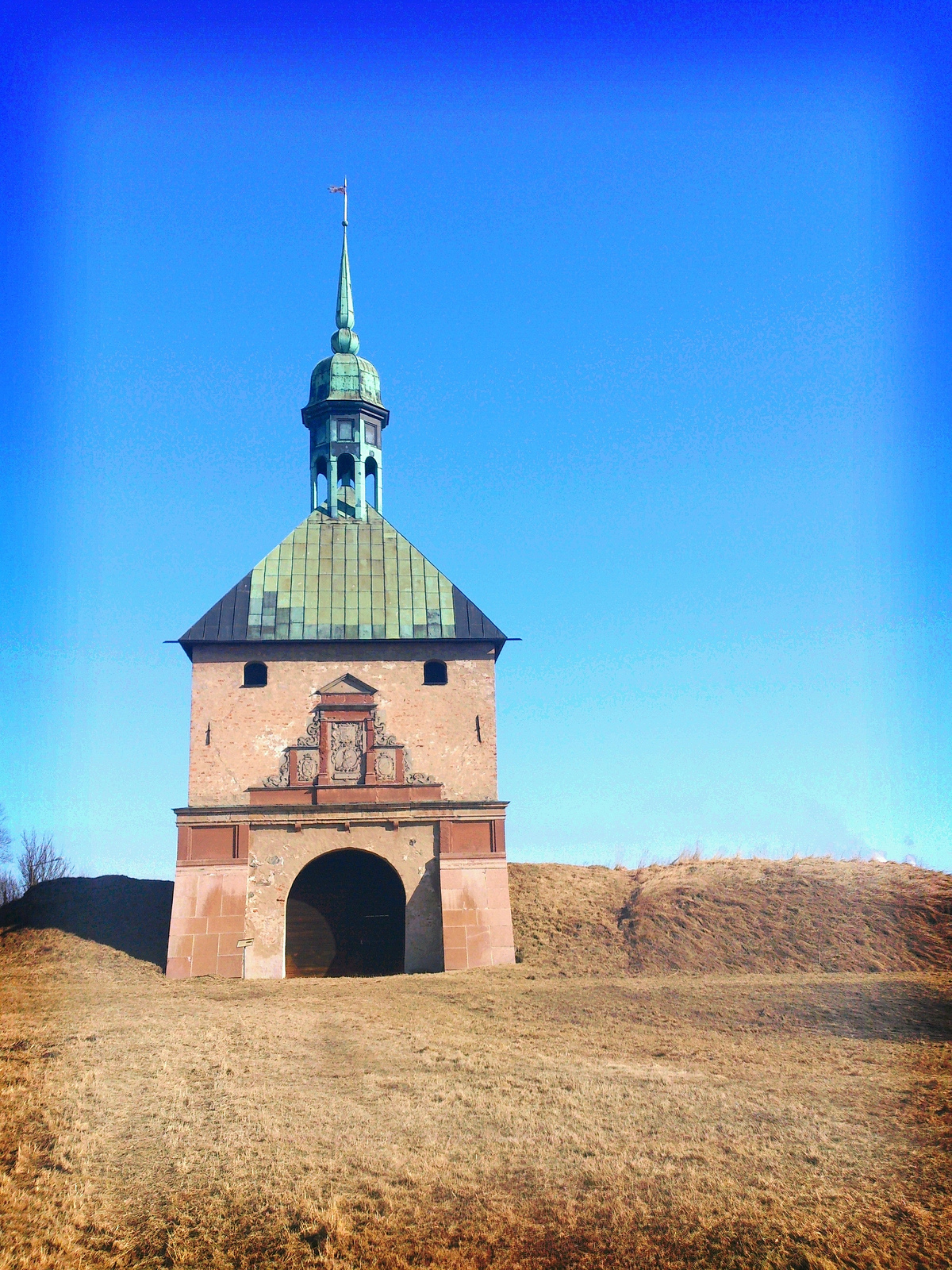
The castle complex originally included a variety of structures typical of medieval fortresses: defensive walls, battlements, gatehouses, and residential buildings. The surviving brick tower is notable for its robust construction and strategic placement, designed to oversee the channel and surrounding waters.
Over time, additional buildings were added, including wooden structures, which were common in Scandinavian castles due to local materials and climate considerations. The castle's layout was adapted to the island's geography, maximizing natural defenses while providing functional spaces for its inhabitants.
Decline and preservation efforts
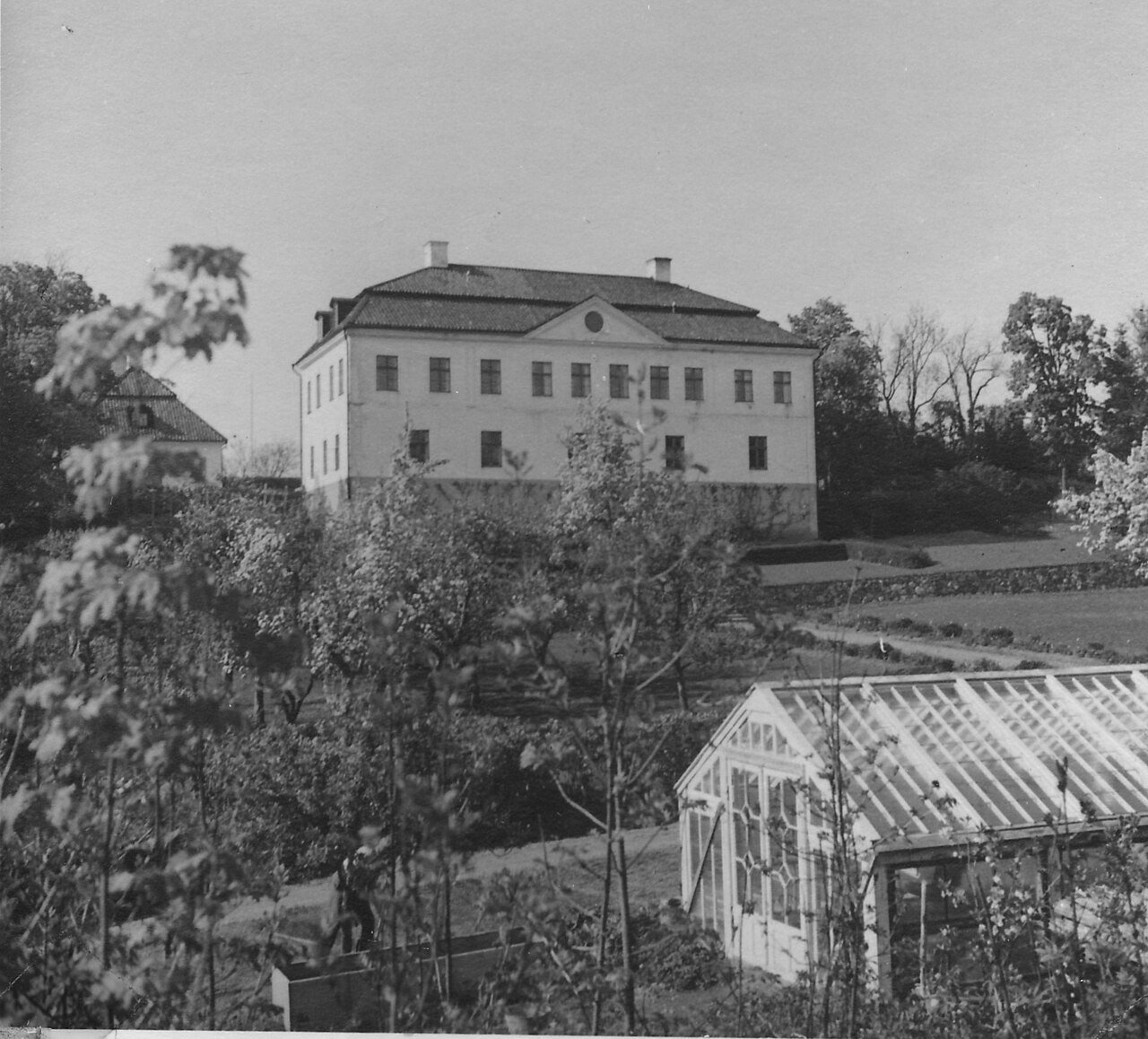
By the 18th century, Stegeborg had fallen into disrepair. Many of the wooden buildings were auctioned off, reflecting the castle's diminished military and political significance. The main building that stands today was constructed in 1806 as a private residence, marking a shift from fortress to domestic use.
In 1938, the Swedish National Heritage Board undertook efforts to preserve the site. Funds were allocated to clear overgrown vegetation, repair structural damage, and install protective roofing over vulnerable sections of the ruins. These measures have helped stabilize the remains and allow public access.
Modern use and visitor experience
Currently, Stegeborg castle ruins are open to tourists and serve as a cultural heritage site. The location also functions as a port tavern and marina, integrating historical preservation with contemporary leisure activities. The herb garden, established in 1988 by the present owner, adds to the site's charm and educational value.
Visitors can explore the ruins, appreciate the medieval architecture, and enjoy views of the surrounding sea channel. The site offers insight into Sweden's medieval history and coastal defense systems.
Geographical and cultural context
Situated in the parish of St Anna, the castle's island location in the Slätbaken bay provides a scenic and strategic setting. The castle's proximity to Söderköping, a historically significant town, highlights its role in regional politics and trade during the Middle Ages.
Stegeborg is part of Sweden's rich heritage of medieval castles and fortifications, contributing to the understanding of Scandinavian military architecture and royal residences.
Frequently asked questions (FAQ)
- How do I get to Stegeborg castle ruins?
- Stegeborg castle ruins are located on a small island near Söderköping, accessible by boat or a short walk from the marina. Visitors often reach the site via the nearby town of Söderköping, which has road connections and parking facilities.
- What is the historical significance of Stegeborg castle?
- Stegeborg was a key royal stronghold and defensive fortress in medieval Sweden, dating back to the early 13th century. It controlled maritime access in the region and served as a royal residence during the High Medieval period.
- Can I explore the ruins freely?
- Yes, the castle ruins are open to the public and can be explored freely. Visitors should exercise caution as some areas are partially preserved and may have uneven surfaces.
- When was the castle built and what remains today?
- The earliest parts of Stegeborg castle date from the early 13th century, notably a brick tower in the southeast corner. Today, the site consists of ruins including this tower, defensive walls, and foundations of other structures.
- Are there any facilities at the site?
- The castle ruins include a port tavern and marina, providing refreshments and amenities for visitors. The herb garden established in 1988 adds to the visitor experience.
Photo gallery

Photo by No machine-readable author provided. Wigulf~commonswiki assumed (based on copyright claims).•CC BY-SA 3.0
Information
Opening hours
Open to visitors year-round, no formal opening hours
Ticket prices
Free
Current owner
Private owner
Loading map...
Visitor reviews
No reviews yet. Been here? Write the first review and help other travelers!
Write the first reviewVisited this castle? Share your experience
Your review helps other travelers and adds first-hand knowledge to our encyclopedia.