Bråborg Castle Ruins
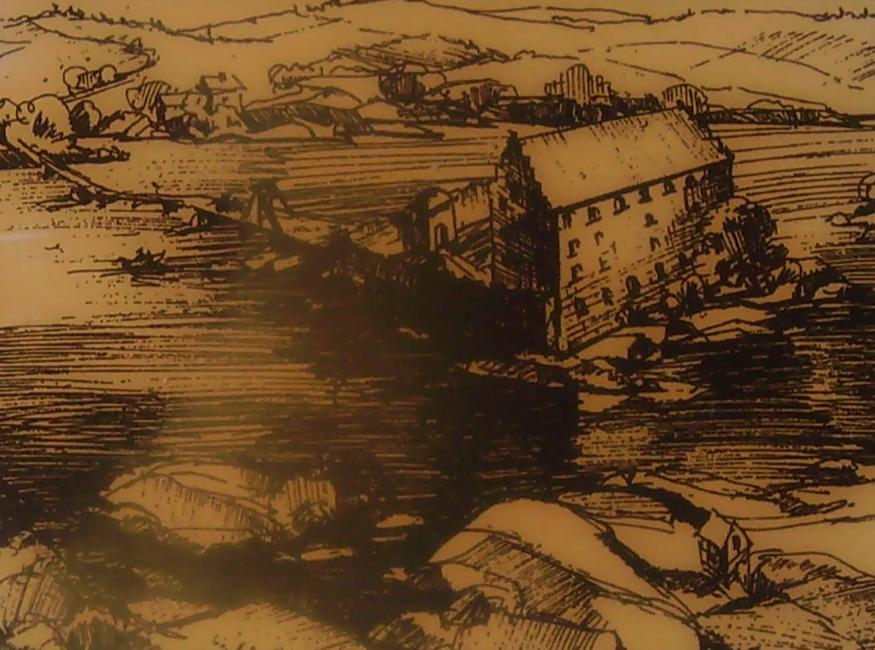
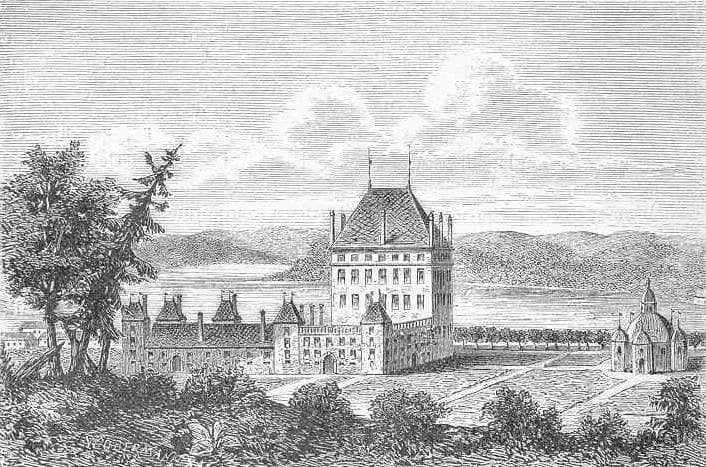
Bråborg castle ruins are located near Bråviken in Norrköping Municipality, Östergötland, Sweden. This site preserves the remains of a Renaissance royal castle originally constructed between 1588 and 1590. The estate was commissioned by Queen Dowager Gunilla Bielke, widow of King John III of Sweden, who took residence here after the king's death in 1592. Gunilla Bielke herself died at Bråborg in 1597, marking the castle's early association with Swedish royalty.
Historical significance and royal connections
The castle's history is closely linked to the Swedish royal family of the late 16th and early 17th centuries. After Queen Gunilla Bielke's death, ownership passed to her son, Duke John of Östergötland. He married his cousin, Princess Maria Elisabeth of Sweden, in 1612. Both Duke John and Princess Maria Elisabeth died at Bråborg in 1618, underscoring the castle's role as a royal residence and family seat during this period.
Architectural features and estate layout
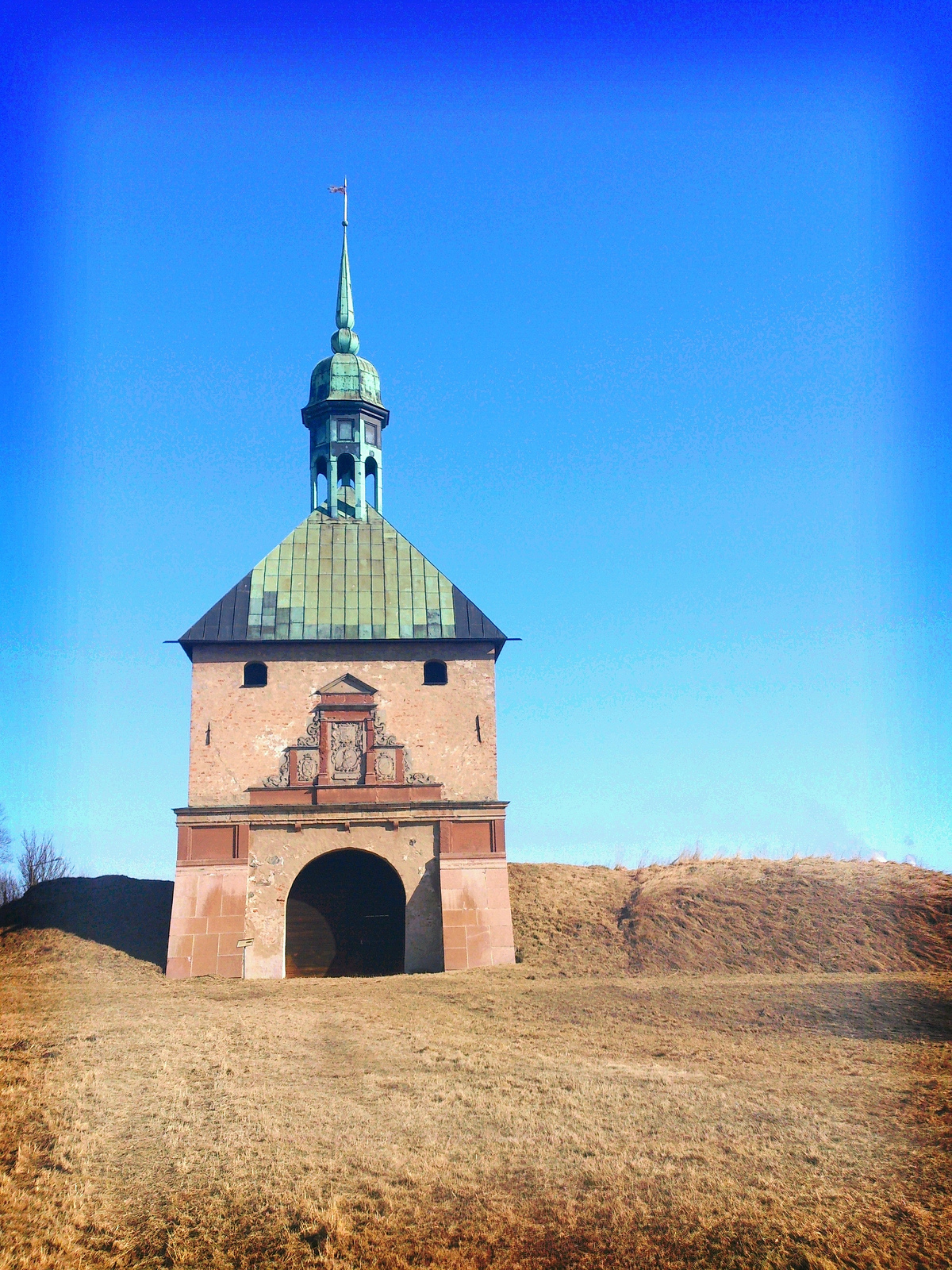
While the castle itself no longer stands, the ruins reveal important architectural elements characteristic of a Renaissance castle in Sweden. The foundations and cellars remain visible, providing insight into the castle's original footprint and construction techniques. Surrounding the main structure, remnants of moats and parts of the gardens can still be seen, indicating the castle's defensive and aesthetic design features.
Castle structure and defensive elements
Bråborg was designed with typical Renaissance-era defensive features, including moats that would have served as obstacles to attackers. The castle's layout likely included fortified walls and strategically placed towers, although these have not survived above ground. The visible cellars suggest substantial stone construction, typical of the period's emphasis on durability and defense.
Gardens and landscape
The preserved garden remnants reflect Renaissance landscaping trends, which often combined formal geometric designs with natural elements. These gardens would have provided both leisure space and a symbol of status for the royal inhabitants. The proximity of the castle to Bråviken bay also highlights its strategic and scenic location.
Destruction and aftermath
Bråborg suffered significant damage over the centuries. A fire in 1669 partially destroyed the building, weakening its structure. Later, in 1719, the castle was burned down by a Russian army during their campaign that also targeted the nearby town of Norrköping. This military action was part of the larger conflicts affecting Sweden in the early 18th century.
Following the destruction, the ruins of Bråborg became a source of building materials for the reconstruction of Norrköping. Stones and other materials were repurposed by the local inhabitants to rebuild their town, which contributed to the further deterioration of the castle remains.
New manor and current site status
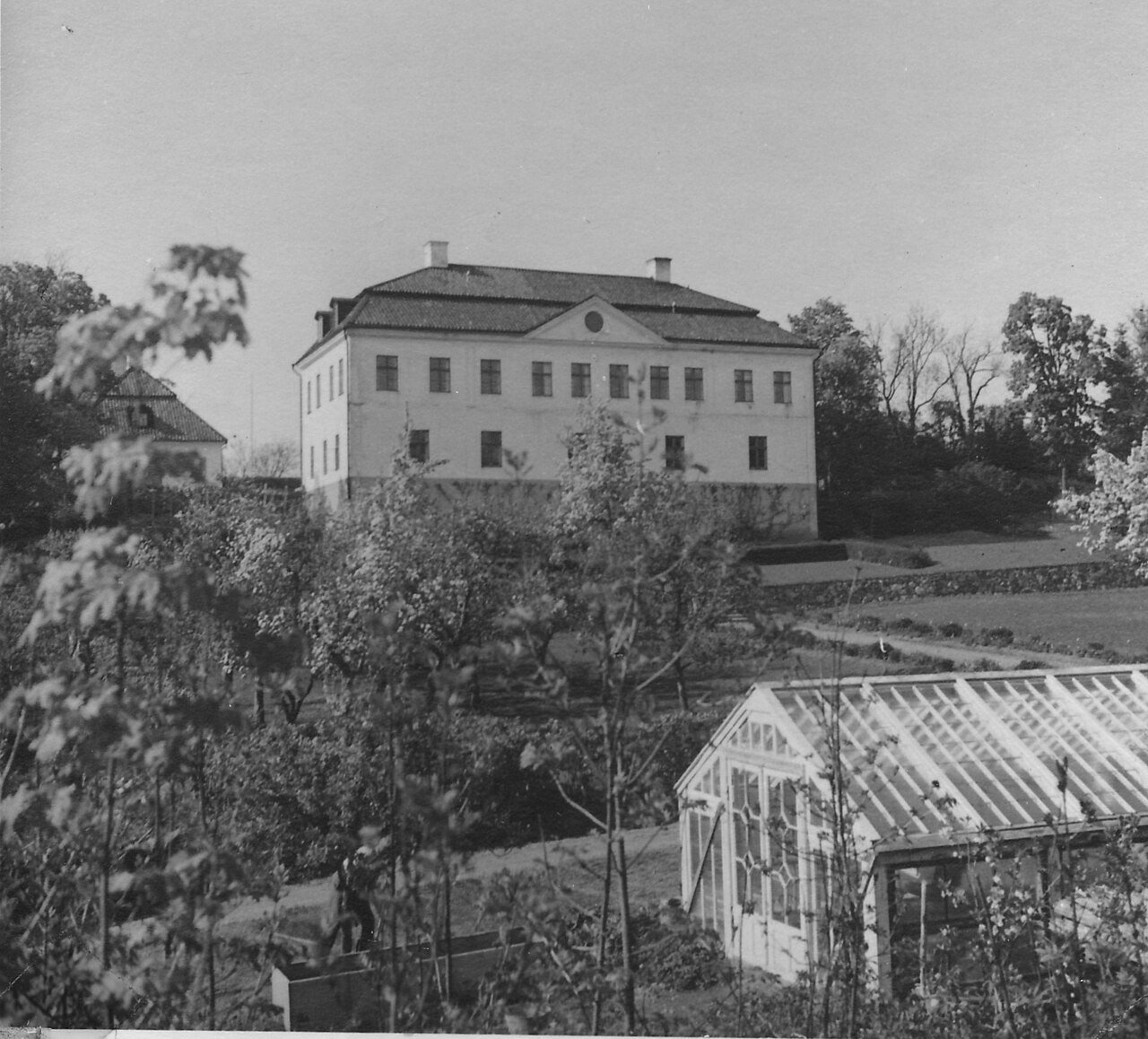
After the original castle was destroyed, a new manor house was constructed approximately 1,000 meters away from the original site. This manor served as the estate's new center. Today, only the ruins of the original Bråborg castle remain, including visible foundations, cellars, moats, and garden traces.
The site is classified as archaeological ruins and is accessible to visitors interested in Swedish Renaissance history and castle architecture. The ruins provide valuable insight into the royal residence's original design and the historical events that shaped its fate.
Frequently asked questions (FAQ)
- How do I get to Bråborg Castle Ruins?
- Bråborg Castle Ruins is located just outside of Norrköping, Sweden. You can reach the site by car, taking the E4 highway, or by using public transportation options that connect to Norrköping. Once in Norrköping, local buses can take you closer to the ruins.
- What is the historical significance of Bråborg Castle Ruins?
- Bråborg Castle Ruins dates back to the late 14th century and played an important role in the regional power struggles of medieval Sweden. The castle was once a stronghold for the local nobility and has witnessed many historical events, including battles and sieges. Today, it stands as a testament to Sweden's rich history.
- When was Bråborg Castle built?
- Bråborg Castle was constructed in the late 14th century, with its establishment attributed to the need for fortified structures during a turbulent period in Swedish history. The castle underwent various modifications over the centuries but eventually fell into ruin in the 17th century. Its historical timeline reflects the evolution of military architecture in Sweden.
- Can I visit Bråborg Castle Ruins year-round?
- Yes, Bråborg Castle Ruins is open to visitors year-round, allowing guests to explore the site at their convenience. However, it is advisable to check local weather conditions and accessibility, especially during winter months. The site remains a popular destination for history enthusiasts and nature lovers alike.
- Why is Bråborg Castle Ruins a popular attraction?
- Bråborg Castle Ruins attracts visitors due to its rich history and picturesque setting. The ruins offer a glimpse into medieval architecture and the chance to enjoy scenic views of the surrounding landscape. Additionally, it serves as a peaceful retreat for hiking and exploring nature.
- Is it possible to take guided tours of Bråborg Castle Ruins?
- Currently, there are no formal guided tours available at Bråborg Castle Ruins. However, visitors can explore the site independently and enjoy informational signs that detail the history and significance of the ruins. It is recommended to bring a guidebook or do some prior research for a more enriching experience.
- What are the opening hours for Bråborg Castle Ruins?
- Bråborg Castle Ruins is accessible to visitors 24 hours a day, seven days a week. While there are no specific opening hours, visiting during daylight hours is recommended for safety and to fully appreciate the scenic views. Always check local guidelines or any seasonal changes in accessibility before your visit.
- Are there any nearby attractions to visit while at Bråborg Castle Ruins?
- Yes, there are several nearby attractions worth visiting, including the beautiful Norrköping city center, which features museums, parks, and historical sites. Additionally, the lush nature surrounding the castle offers excellent hiking trails and opportunities for outdoor activities. Combining a visit to Bråborg with nearby attractions makes for a fulfilling day trip.
- What are the ticket prices for Bråborg Castle Ruins?
- Visiting Bråborg Castle Ruins is completely free of charge, making it an accessible option for all visitors. There are no entrance fees, allowing guests to enjoy the historical site without any financial burden. Donations may be appreciated to help with the maintenance of the area.
Photo gallery

Photo by User Västgöten on sv.wikipedia•Public domain
Information
Loading map...
Visitor reviews
No reviews yet. Been here? Write the first review and help other travelers!
Write the first reviewVisited this castle? Share your experience
Your review helps other travelers and adds first-hand knowledge to our encyclopedia.