Johannisborg Fortress Ruins
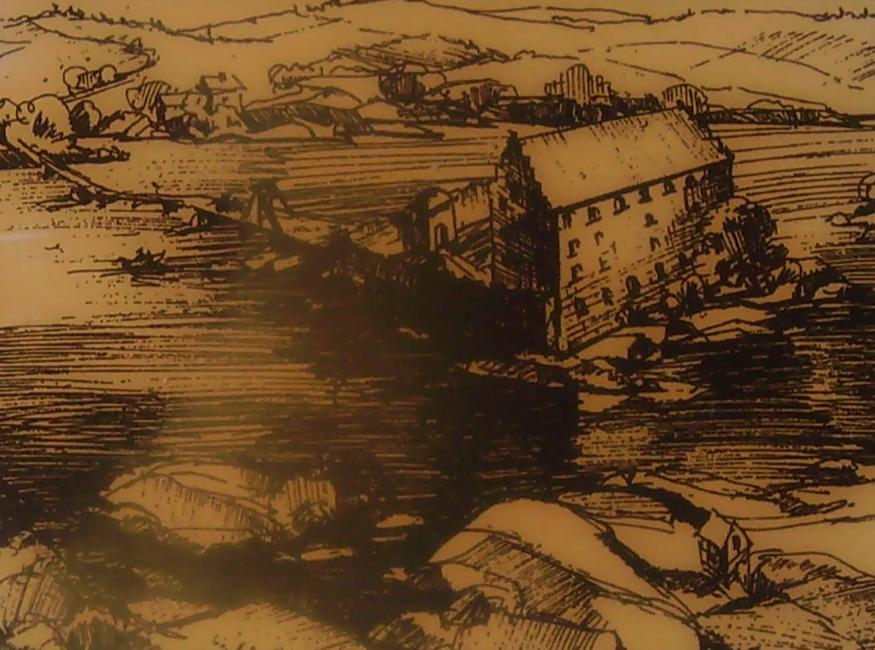
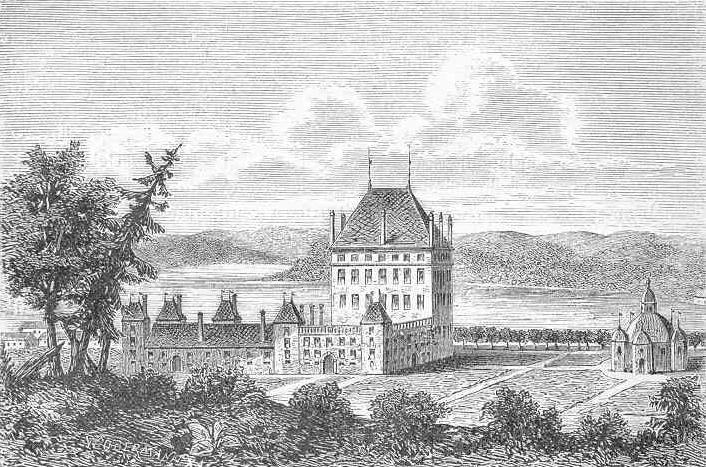
Johannisborg fortress ruins stand as a significant relic of early 17th-century military architecture in Norrköping, Sweden. Constructed between 1614 and 1639, the fortress was commissioned by John, Duke of Östergötland to safeguard the rapidly growing industrial town, particularly its clothing and weapon factories. This strategic fortification reflects the Renaissance period military design principles aimed at protecting important economic centers during a time of increasing regional conflicts.
Historical context and construction
The construction of Johannisborg began in 1614 with the foundations laid that year, and the main fortifications largely completed by 1618. The fortress was designed by the notable Flemish architect Hans Fleming (1545–1623), who brought expertise in contemporary fortification techniques to the project. His design incorporated elements typical of Renaissance military architecture, including bastions and thick defensive walls, adapted to the flat terrain around Norrköping.
Johannisborg was built primarily to protect the town’s growing industrial base, which had become a vital hub for manufacturing clothing and weapons. The fortress's location was carefully chosen to defend the town from potential invasions, especially given the turbulent political climate in Northern Europe during the early 17th century.
Architectural features and design
The fortress was a water castle type, utilizing the surrounding waterways and moats for defense. Its layout included bastioned walls designed to withstand artillery attacks, a hallmark of Renaissance fortifications. The complex featured multiple defensive layers, including curtain walls, ramparts, and a central keep, which served as the last line of defense.
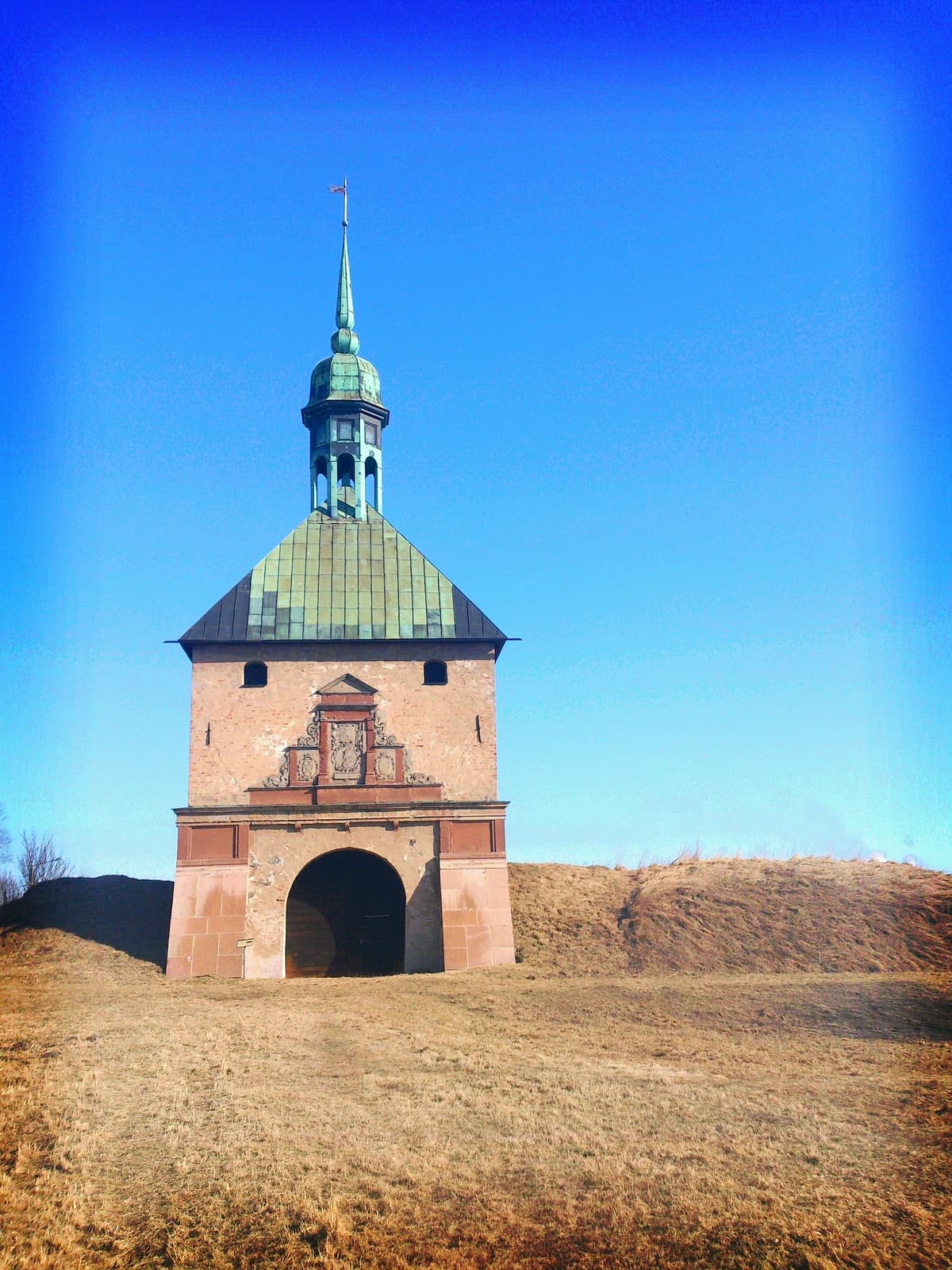
The surviving remains include one tower and sections of the walls, which provide valuable insight into the fortress’s original scale and defensive capabilities. The use of stone and brick in construction was typical for the era, ensuring durability against siege warfare.
The great northern war and destruction
Johannisborg’s strategic importance made it a target during the Great Northern War (1700–1721). In 1719, the fortress was attacked and destroyed by the Russian army during their campaign along the Swedish coast. The assault resulted in Johannisborg being burned down, leaving only ruins behind.
This destruction marked the end of Johannisborg as a functional military installation, but its ruins have since become an important archaeological site, revealing much about early modern fortification techniques in Sweden.
Current status and preservation
Today, Johannisborg exists as archaeological ruins within Norrköping Municipality, Östergötland County. The site is accessible to visitors interested in military history and Renaissance architecture. Efforts to preserve the remaining structures focus on maintaining the integrity of the ruins while providing educational information about the fortress’s historical significance.
The fortress’s remains offer a tangible connection to Sweden’s military and industrial past, highlighting the intersection of urban development and defensive architecture during a critical period in Northern European history.
Legacy and cultural significance
Johannisborg is recognized as a key heritage site that illustrates the evolution of fortification design during the Renaissance in Sweden. Its construction under the guidance of Hans Fleming reflects the influence of European military architectural trends adapted to local needs.
The fortress also symbolizes the broader geopolitical struggles of the region, particularly the conflicts involving Sweden and Russia in the early 18th century. As a ruin, Johannisborg serves as a reminder of the town’s historical resilience and the shifting tides of power in Scandinavia.
Frequently asked questions (FAQ)
- How do I get to Johannisborg Fortress Ruins?
- Johannisborg Fortress Ruins are located in Norrköping, Sweden, easily accessible by public transport. You can take a bus or train to Norrköping and then enjoy a scenic walk or a short taxi ride to the fortress site.
- What is the historical significance of Johannisborg Fortress?
- Johannisborg Fortress was built in the 16th century as a strategic military installation. It played a crucial role in protecting Norrköping and the surrounding region during various conflicts, showcasing the military architecture of its time.
- When was Johannisborg Fortress constructed?
- Construction of Johannisborg Fortress began in the early 16th century, specifically around 1560. It was completed in the late 16th century and has since been a significant historical landmark in the area.
- Can I enter the fortress ruins during my visit?
- While the fortress is in ruins, visitors are welcome to explore the site and enjoy the historical atmosphere. However, please be cautious as some areas may be unstable due to the age of the structure.
- Why is Johannisborg Fortress a popular tourist attraction?
- Johannisborg Fortress attracts visitors due to its rich history and striking ruins set against a picturesque landscape. It offers unique insights into Sweden's military past and provides great photo opportunities for history enthusiasts.
- Is it possible to visit the fortress year-round?
- Yes, Johannisborg Fortress is open to visitors year-round, although access may vary depending on weather conditions. It's advisable to check local guidelines before your visit to ensure a safe and enjoyable experience.
- What are the opening hours for Johannisborg Fortress Ruins?
- The fortress is open for exploration at all times, allowing visitors to enjoy the site any day of the week. However, it’s best to visit during daylight hours for safety and to fully appreciate the views.
- Are there nearby attractions to visit after exploring the fortress?
- Yes, after visiting Johannisborg Fortress, you can explore other nearby attractions such as the Norrköping Art Museum and the picturesque Motala Ström riverfront. These sites offer a blend of culture and nature, making for a full day of exploration.
- What are the ticket prices for entering Johannisborg Fortress?
- There is no entrance fee to visit Johannisborg Fortress Ruins, making it an accessible option for all visitors. Donations are appreciated to help maintain the site and its historical significance.
Photo gallery

Information
Current owner
Norrköping Municipality
Loading map...
Visitor reviews
No reviews yet. Been here? Write the first review and help other travelers!
Write the first reviewVisited this castle? Share your experience
Your review helps other travelers and adds first-hand knowledge to our encyclopedia.