Staufenberg Castle
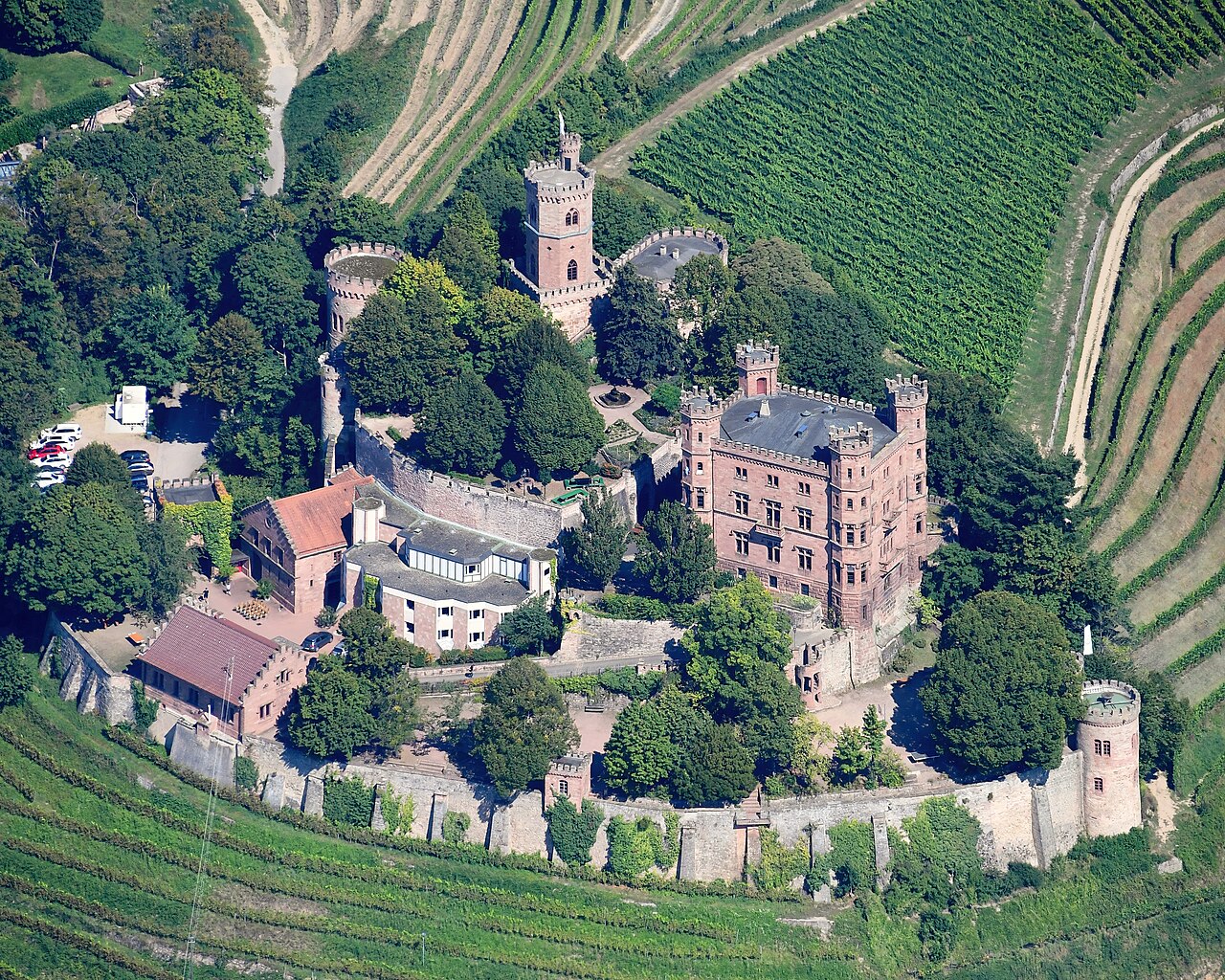
Staufenberg Castle stands as a remarkable example of a high medieval hill castle in the scenic region of Durbach, Germany. Originally constructed in the 11th century, though first documented in the 12th century, this castle has witnessed significant historical events and architectural transformations that reflect the evolving needs and tastes of its noble owners. Its strategic location atop a rocky promontory at approximately 383 meters above sea level provided formidable natural defenses, characteristic of castles built during the High Middle Ages.
The castle’s history is deeply intertwined with the regional power struggles and noble lineages of southwestern Germany. Early records associate the castle with the lords or counts of Staufenberg between 1132 and 1188, who were connected to nearby religious foundations. It is plausible that the castle was originally built by ministerial servants of the Dukes of Zähringen, a powerful noble family whose influence peaked in the 12th century. After the extinction of the Zähringen line in 1218, the castle passed through the hands of several noble families including the Counts of Urach-Freiburg and the Eberstein family, before finally coming under the control of the Margraves of Baden by 1366.
Historical significance and noble ownership
Throughout its history, Burg Staufenberg occasionally functioned as a Ganerbenburg, a type of castle jointly held by multiple noble families. This arrangement was common in medieval Germany to manage inheritance and territorial claims, reflecting the castle’s importance as a regional power center. The castle endured considerable hardship during the Thirty Years’ War (1618-1648), suffering damage from military actions and later being looted in 1689 by the French army during the Nine Years’ War.
In the aftermath of these conflicts, the castle’s ownership shifted when the Margrave of Baden granted it as a fief to Johann Christoph von Greiffen, a court marshal who had recently been ennobled as a baron by the Emperor. This transfer marked a period of relative stability before the Margrave reacquired the property in 1693. The castle remained in the hands of the Baden family, who transformed it in the 19th century.
Architectural evolution and 19th-century romantic remodeling
Starting in 1832, Staufenberg Castle underwent extensive remodeling that altered much of the medieval fortress into a Romantic-style residence. This transformation reflected the 19th-century European fascination with medieval architecture, blending historic fortress elements with aesthetic enhancements to create a picturesque noble estate. The remodeling included the adaptation of the castle’s interiors and exteriors to suit residential and representational functions rather than purely defensive purposes.
Medieval defensive features
The core of the castle is the palas, or main residential building, which incorporates parts of a bergfried—a tall defensive tower typical of medieval castles used as a refuge and lookout. The bergfried elements embedded within the palas highlight the castle’s original military function. The castle is situated on a rocky promontory, with a dry moat about 10 meters below the main defensive position, emphasizing its strategic design for defense.
Later adaptations and current use
To the west of the main structure lies a platform now used as a terrace, accessible through the castle tavern known as the Burgschenke. This adaptation showcases how the castle’s spaces have evolved from military and residential uses to hospitality and event functions. Today, the castle is privately owned by the family of Baden and operates as a winery known as the Margravial Baden Wine Estate. It is also available for rent for weddings and other special events, blending its rich heritage with contemporary cultural uses.
Site layout and remaining structures
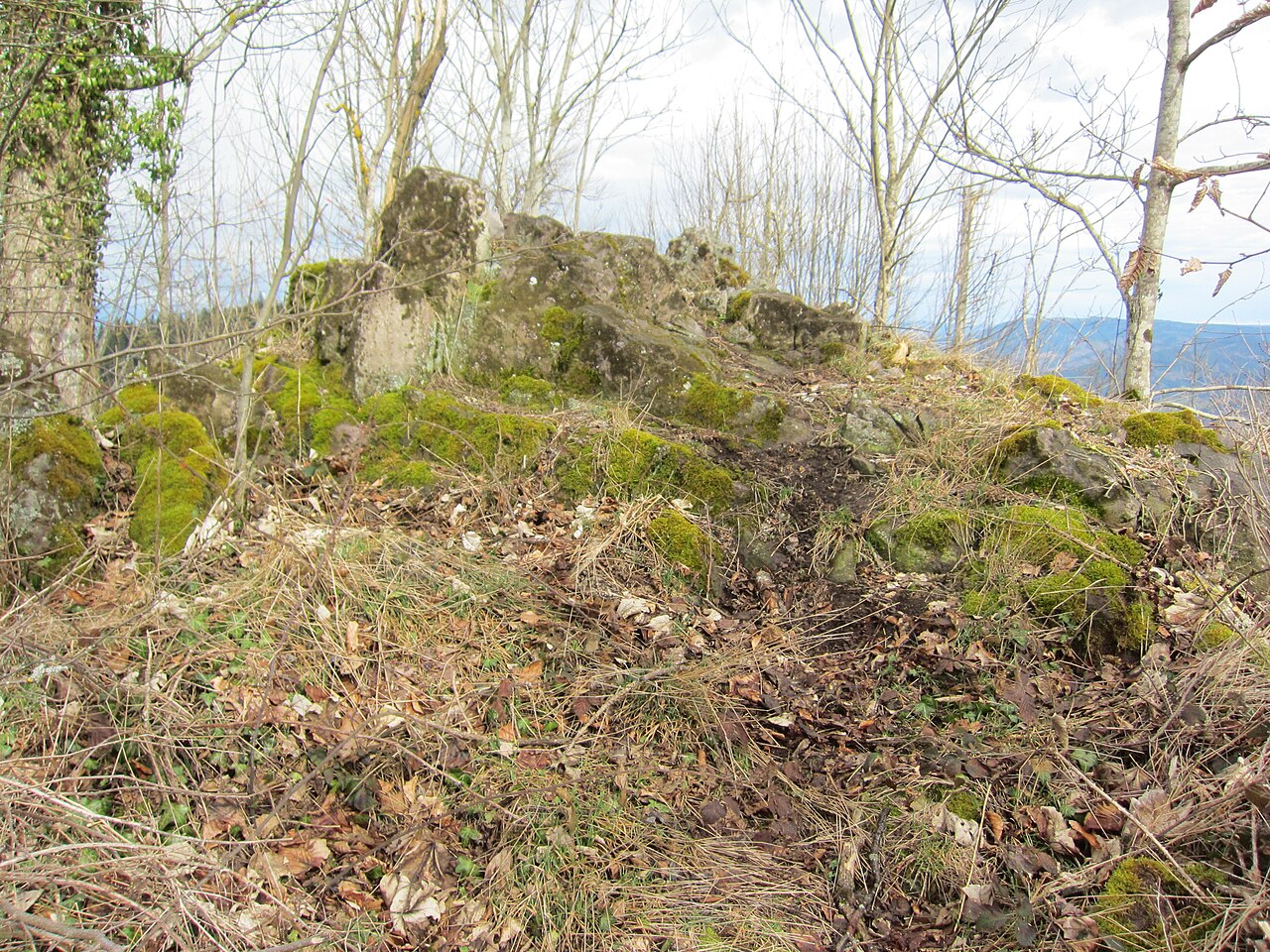
The castle complex occupies a commanding position on a rocky hilltop, which provided natural protection and a vantage point over the surrounding landscape. The defensive design includes remnants of walls, the bergfried integrated into the palas, and the dry moat that once served as a key fortification element. Although no original 11th-century structures survive intact, the layered architectural fabric reveals the castle’s evolution from a medieval fortress to a romanticized noble residence.
Despite the lack of extensive archaeological finds such as inscribed stones or medieval artifacts, the visible remains of Staufenberg Castle offer valuable insights into the defensive strategies and residential comforts of a high medieval hill castle. The combination of medieval fortification elements with 19th-century romantic modifications creates a unique cultural landmark within the Baden wine region.
Visiting Staufenberg Castle today
Visitors to Staufenberg Castle can experience a blend of history, architecture, and viticulture. The castle’s picturesque setting and well-preserved structures make it a popular destination for those interested in medieval architecture and German noble history. The castle tavern provides a welcoming atmosphere for guests to enjoy local wines produced on-site, while the terrace offers panoramic views of the surrounding vineyards and the Black Forest foothills.
Its use as a venue for weddings and cultural events adds a contemporary dimension to the castle’s long history, allowing visitors to engage with the site in a meaningful and memorable way. The castle’s private ownership ensures its preservation and continued integration into the cultural landscape of the region.
Frequently asked questions (FAQ)
- What is the best time to visit Staufenberg Castle?
- The best time to visit Staufenberg Castle is during the warmer months from late spring to early autumn, when the surrounding vineyards are lush and the weather is pleasant for exploring the hilltop site and enjoying outdoor terraces.
- Can I tour the interior of Staufenberg Castle?
- While the castle is privately owned and primarily functions as a winery and event venue, visitors can access certain public areas such as the castle tavern and terrace. Guided tours of the interior may be available during special events or by prior arrangement.
- How do I get to Staufenberg Castle?
- Staufenberg Castle is located above the Staufenberg district of Durbach in Baden-Württemberg, Germany. It is accessible by car and local roads, with parking available near the castle's dry moat area.
- Is Staufenberg Castle wheelchair accessible?
- Due to its medieval hilltop location and historic structure, Staufenberg Castle has limited wheelchair accessibility. Visitors with mobility concerns should contact the castle management in advance to inquire about accommodations.
- Are there any special events held at Staufenberg Castle?
- Yes, Staufenberg Castle hosts weddings, private parties, and cultural events. Its romantic setting and historic ambiance make it a popular venue for such occasions.
Information
Sources & official resources
Verify the information above using these authoritative references.
Loading map...
Visitor reviews
No reviews yet. Been here? Write the first review and help other travelers!
Write the first reviewVisited this castle? Share your experience
Your review helps other travelers and adds first-hand knowledge to our encyclopedia.