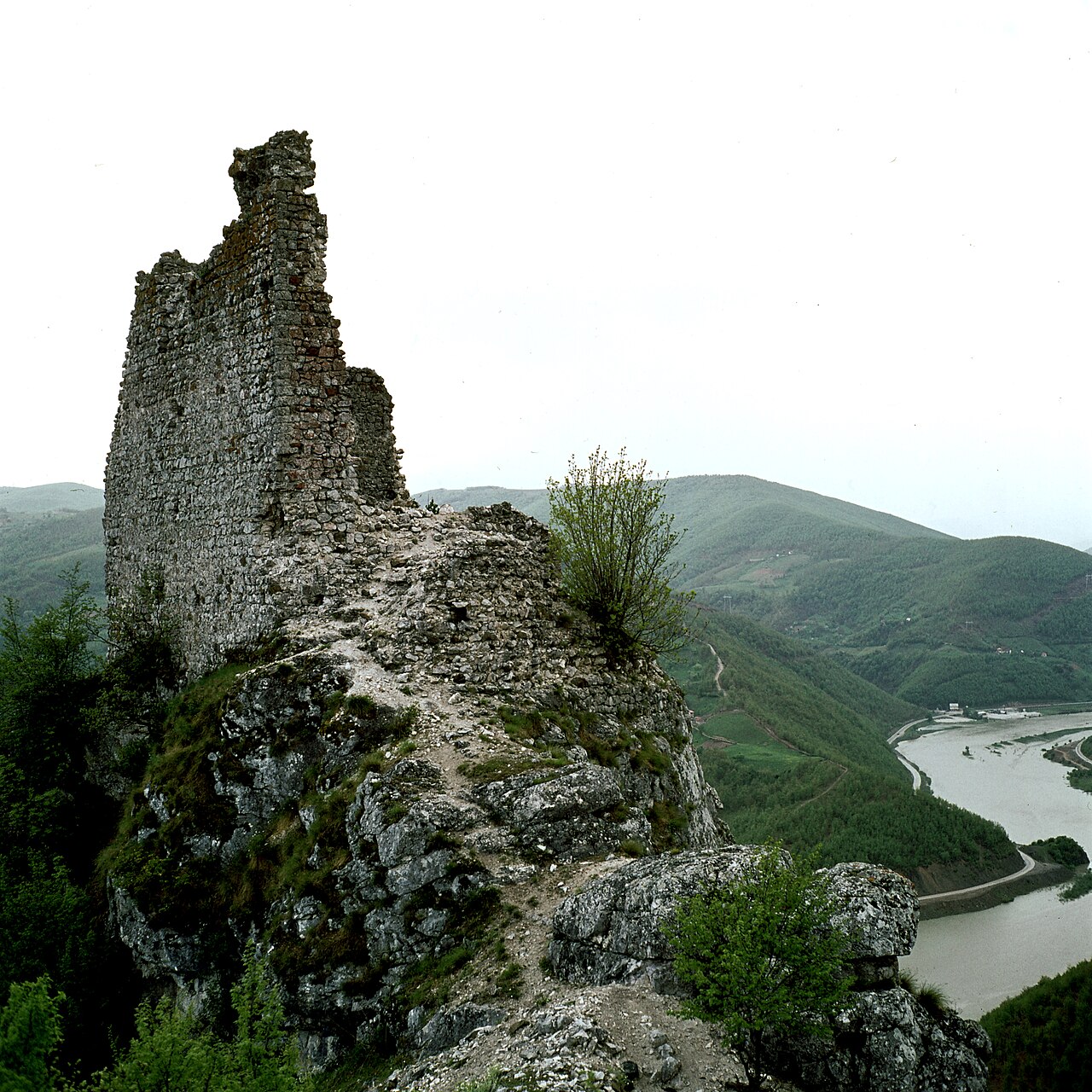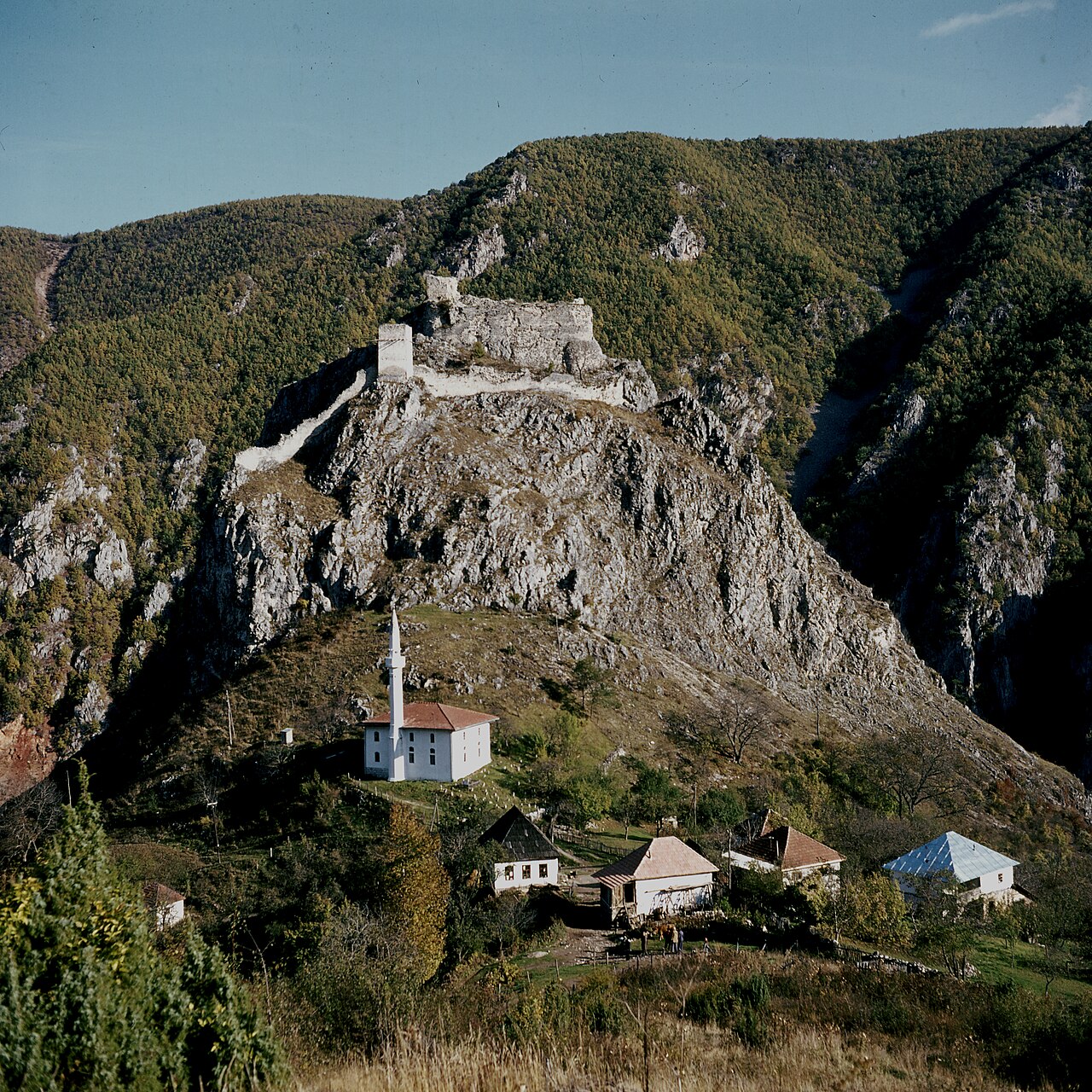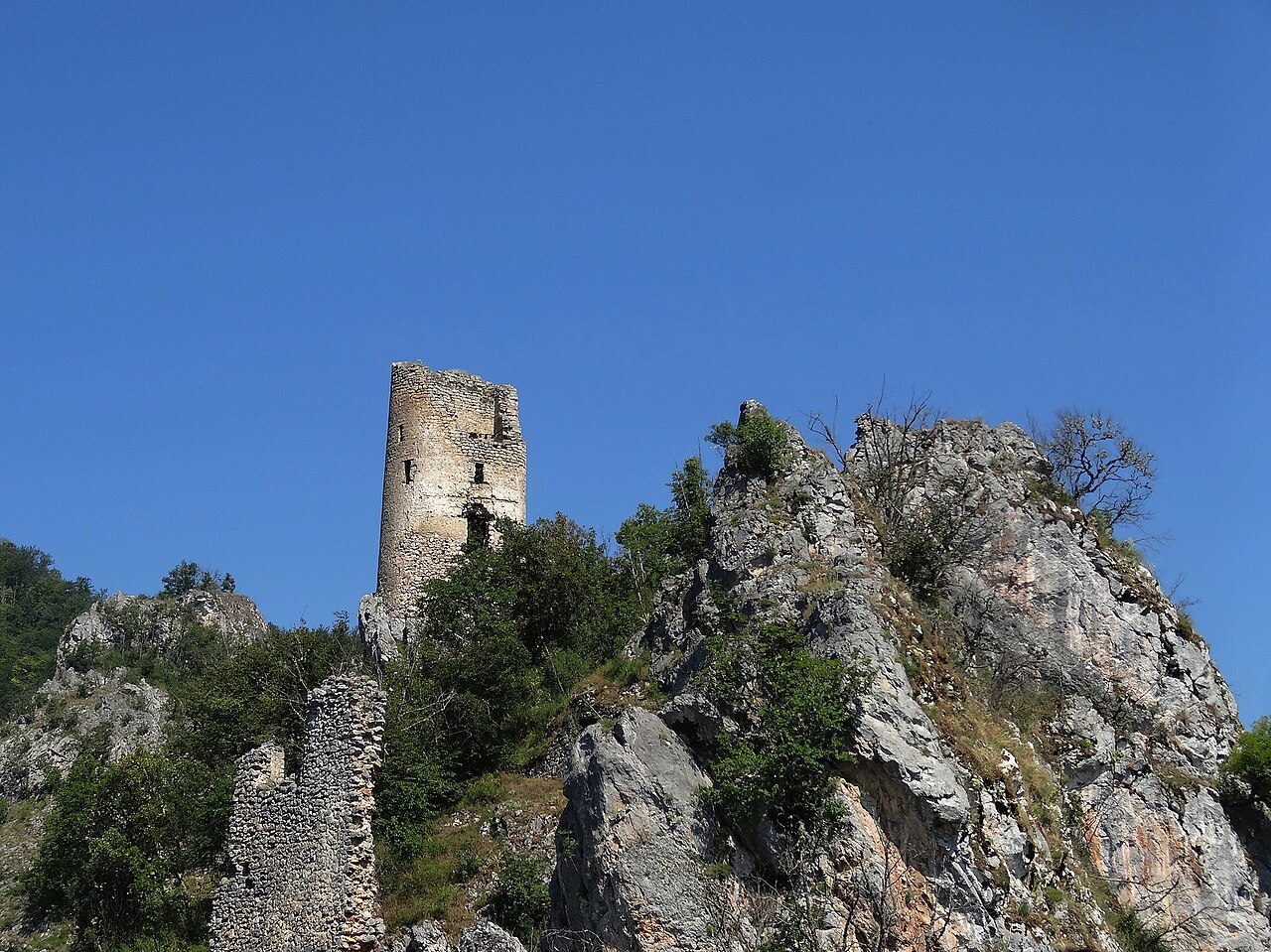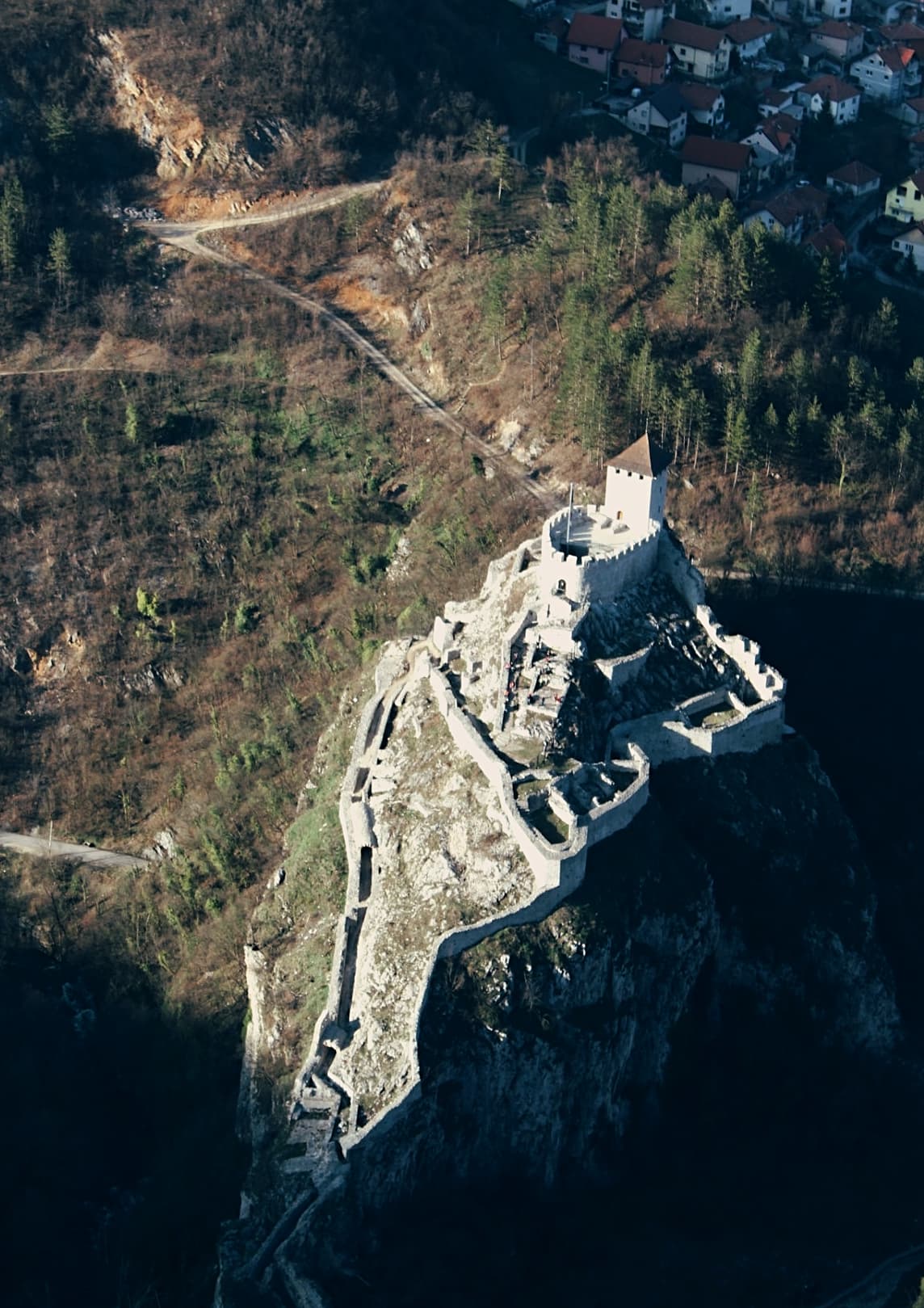
Stari Grad Fortress, also known as "Old Town" (Serbian Cyrillic: Стари Град), is a prominent medieval stronghold perched on a steep cliff above the city of Užice in central Serbia. This fortress stands as a significant relic of the Late Medieval period, dating back to the 14th century. Its commanding position on high ground provided strategic control over the surrounding region, particularly the vital roads and the town itself. The fortress's location on a high, steep cliff offered natural defensive advantages, making it a formidable obstacle to invaders and a key military asset during its time.
Historical context and significance
The construction of Stari Grad is believed to have occurred in the latter half of the 14th century, a turbulent era marked by shifting powers in the Balkans. The fortress was built to oversee and regulate movement along crucial trade and military routes near Užice. Its role extended beyond mere defense; it symbolized the authority and control of the ruling powers over the region. Throughout the centuries, the fortress witnessed numerous historical events, including conflicts and sieges, reflecting the complex medieval history of Serbia.
Architectural features and layout
Stari Grad exemplifies typical medieval Serbian fortress architecture, characterized by robust stone walls and strategic fortifications adapted to the natural terrain. The fortress complex is divided into distinct sections, with the Upper Town (citadel) forming the core defensive area. This part of the fortress includes thick defensive walls, towers, and battlements designed to withstand prolonged assaults. The fortress also features a Water Tower, an essential structure for securing water supply during sieges, highlighting the thoughtful planning of medieval military architecture.
The fortress's design integrates the natural cliff, using it as a defensive barrier on one side, while man-made fortifications protect the other approaches. The walls are punctuated by towers at strategic points, providing vantage points for surveillance and archery. The layout reflects a balance between defense and habitation, with spaces allocated for soldiers, storage, and command functions.
Restoration and preservation efforts
For many centuries, Stari Grad lay in a state of ruin, its walls weathered by time and neglect. Recognizing its cultural and historical importance, a major restoration project was initiated in recent years. The first phase focused on the restoration of the citadel (Upper Town), which was completed and opened to visitors in late 2023. This restoration aimed to stabilize the structure, preserve original stonework, and make the site accessible and informative for the public.
Work continues on other parts of the fortress, including the restoration of the Water Tower and additional fortifications. These efforts are carried out under the protection of the Republic of Serbia, which declared Stari Grad a Monument of Culture of Great Importance in 1983. The ongoing restoration not only safeguards the fortress's remains but also revitalizes it as a cultural landmark and tourist attraction, connecting modern visitors with Serbia's medieval heritage.
Cultural impact and tourism
Stari Grad is more than a historical ruin; it is a symbol of Užice's long and varied history. The fortress attracts visitors interested in medieval architecture, Serbian history, and panoramic views of the surrounding landscape. Its restoration has enhanced its role as a cultural site, hosting educational tours and events that highlight its historical significance.
The fortress's dramatic cliffside location offers stunning vistas, making it a favored spot for photography and sightseeing. As restoration progresses, Stari Grad is expected to become a focal point for cultural tourism in the region, contributing to the local economy and raising awareness of Serbia's medieval past.
Frequently asked questions (FAQ)
- What is the historical significance of Stari Grad?
- Stari Grad is one of the oldest castles in Serbia, dating back to the 9th century. It has played a crucial role in the region's history, serving as a strategic military stronghold and a symbol of national identity.
- When was Stari Grad built?
- Construction of Stari Grad began in the 9th century, with various modifications and expansions occurring over the centuries. The castle reflects different architectural styles due to its long history, showcasing influences from Roman, Byzantine, and medieval Serbian design.
- What are the opening hours for Stari Grad?
- Stari Grad is open to visitors throughout the week, typically from 9 AM to 7 PM during the summer months and from 9 AM to 5 PM in the winter. It is advisable to check the official website for any seasonal changes or public holiday hours.
- Can I visit Stari Grad with children?
- Yes, Stari Grad is a family-friendly destination, and children can enjoy exploring the castle grounds and learning about its rich history. There are areas suitable for kids to play while parents can take in the historical significance of the site.
- Is it possible to take guided tours at Stari Grad?
- Yes, guided tours are available and highly recommended for a deeper understanding of the castle’s history and architecture. These tours are conducted by knowledgeable guides who can provide fascinating insights and answer any questions you may have.
- What is the best time to visit Stari Grad?
- The best time to visit Stari Grad is during the spring and fall when the weather is mild and the crowds are smaller. Visiting during these seasons allows for a more enjoyable experience while exploring the castle and its surroundings.
- What are the ticket prices for Stari Grad?
- Ticket prices for Stari Grad are quite affordable, with discounts available for students and seniors. Children under a certain age may enter for free, making it a great option for families.
- Are there any nearby attractions to Stari Grad?
- Yes, nearby attractions include the picturesque town of Sremski Karlovci and the beautiful Fruska Gora National Park. Both locations offer additional historical sites and natural beauty, making for a perfect day trip from Stari Grad.
- How do I get to Stari Grad?
- Stari Grad is easily accessible by car or public transportation from major cities in Serbia. There are also guided tours that include transportation, making it convenient for visitors.
Photo gallery

Information
Loading map...
Visitor reviews
No reviews yet. Been here? Write the first review and help other travelers!
Write the first reviewVisited this castle? Share your experience
Your review helps other travelers and adds first-hand knowledge to our encyclopedia.